The Via Sacra
Walk the original paving the triumphal processions crossed — Rome's oldest preserved street and its most freighted.
This Photo was taken by Wolfgang Moroder. Feel free to use my photos, but please mention me as the author and send me a message. This image is not in the public domain. Please respect the copyright pr — CC BY-SA 3.0 · Paolo Villa — CC BY-SA 4.0 · Paolo Villa — CC BY-SA 4.0 · Paolo Villa — CC BY-SA 4.0
This field of scattered columns and stubborn arches was the centre of the world for a thousand years: the Roman Forum, where the Senate met, triumphs were proclaimed, and Julius Caesar's body was burned before the crowd. What you walk on is the Via Sacra, the route Roman triumphal processions took with prisoners and plunder, climbing toward the temple of Jupiter. Don't expect whole buildings — expect ruins that ask for imagination: three surviving columns of the Temple of Castor and Pollux, the near-intact Arch of Septimius Severus, the Curia (the Senate house) which survived because it became a church, and the House of the Vestals with its garden and headless statues. The ticket is shared with the Colosseum and Palatine Hill, and the Forum is the part that gains most from an audio guide: without one you walk among handsome stones; with one you walk through a city. Enter from Via dei Fori Imperiali and finish by climbing to the Palatine to look back over the whole Forum from above.
Walk the original paving the triumphal processions crossed — Rome's oldest preserved street and its most freighted.
A near-intact triumphal arch from AD 203, its battle reliefs still legible — standing at the Forum's edge as if built yesterday.
The Senate house that survived whole, and the remains of the temple on the spot where Julius Caesar's body was burned — visitors still leave flowers there.
An inner garden with pools and the priestesses' statues along its sides — the quietest and most photographed corner on site.
Via dei Fori Imperiali, Rome
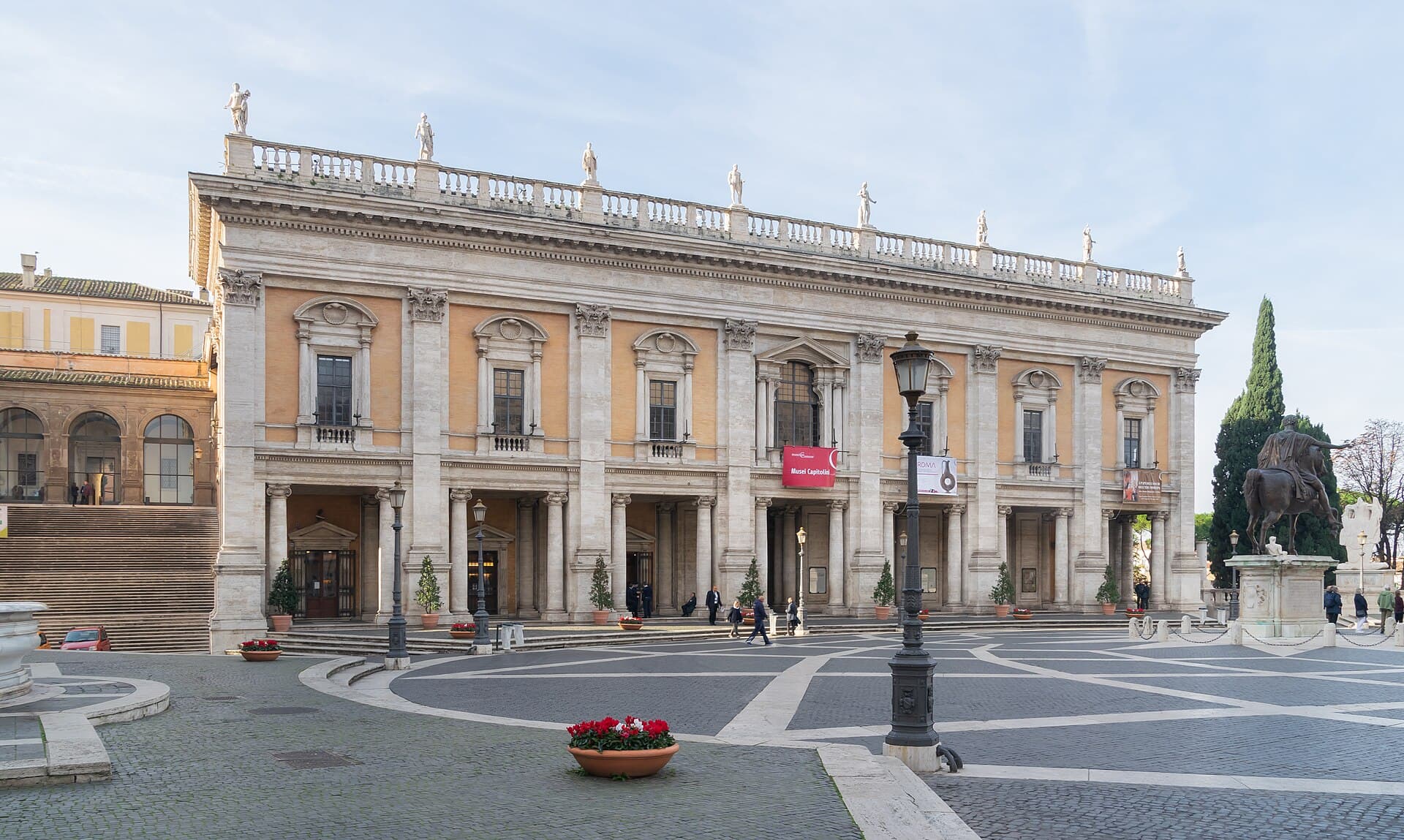 Capitoline MuseumsThe oldest public museum in the world: founded in 1471 when Pope Sixtus IV gave 3 minutes walk4.6
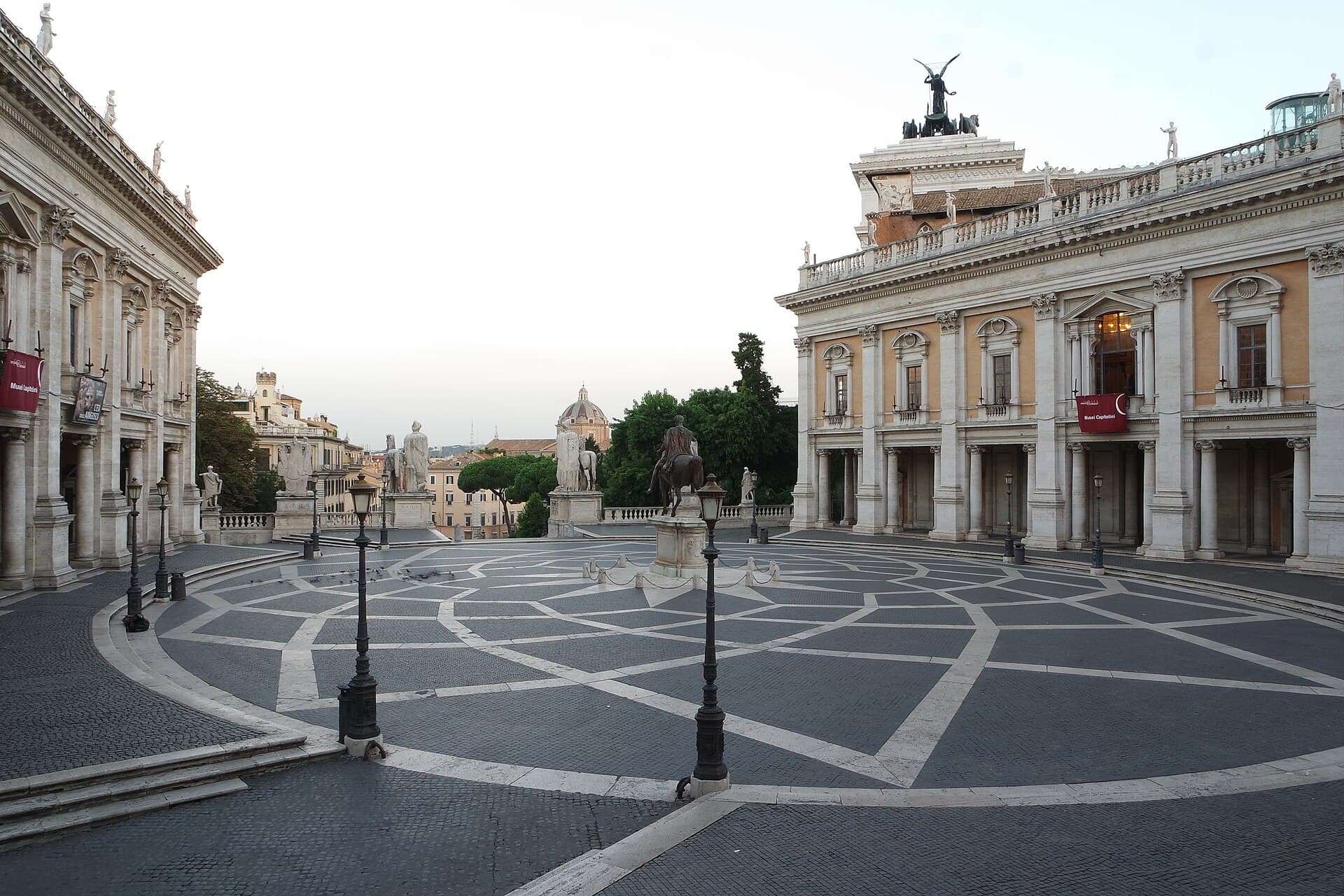 Piazza del CampidoglioA square designed by Michelangelo in 1536 atop the Capitoline — holiest of Rome'3 minutes walk4.8
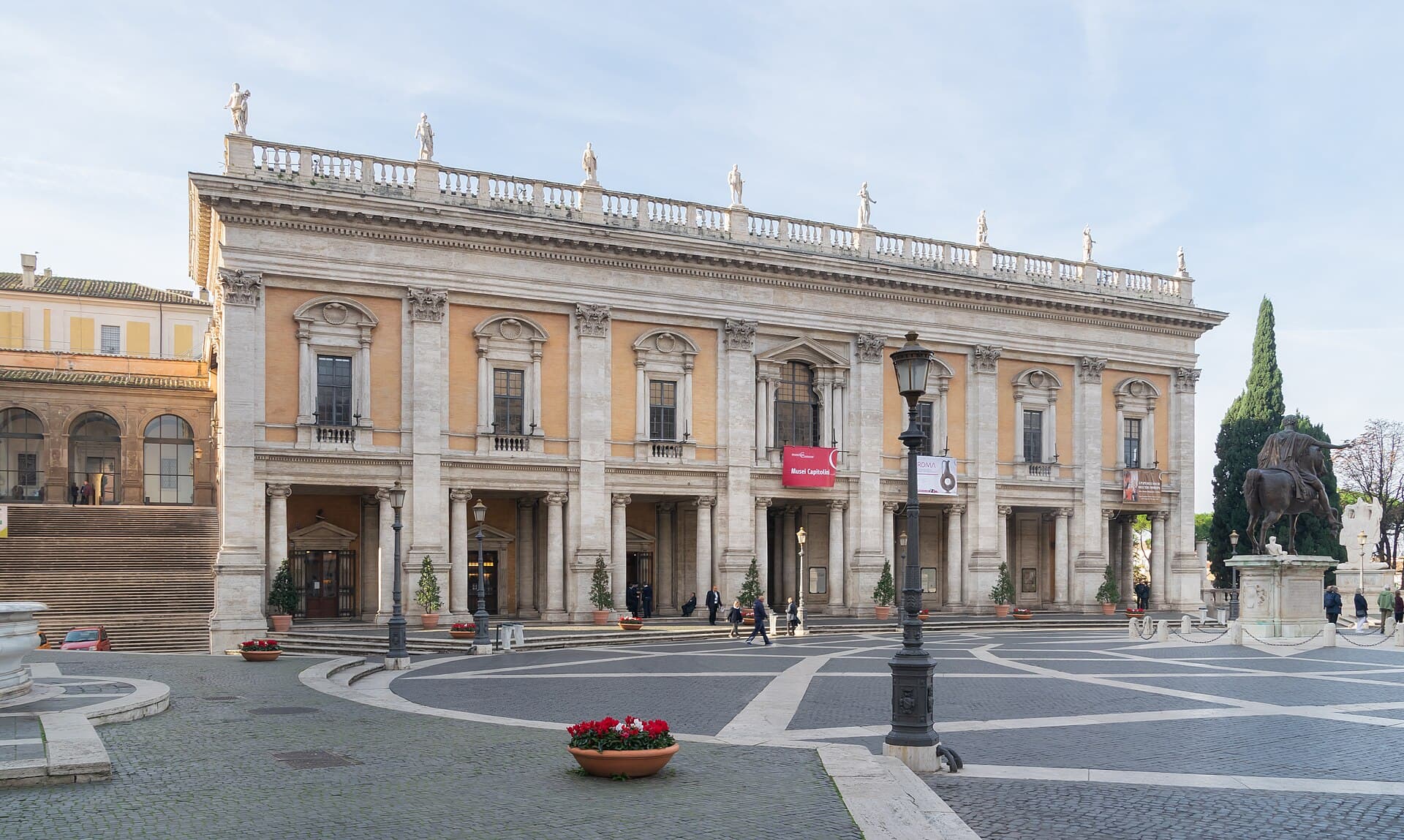 The Palazzo dei ConservatoriOne of the two palaces of the Capitoline Museums on the Piazza del Campidoglio, 3 minutes walk4.6
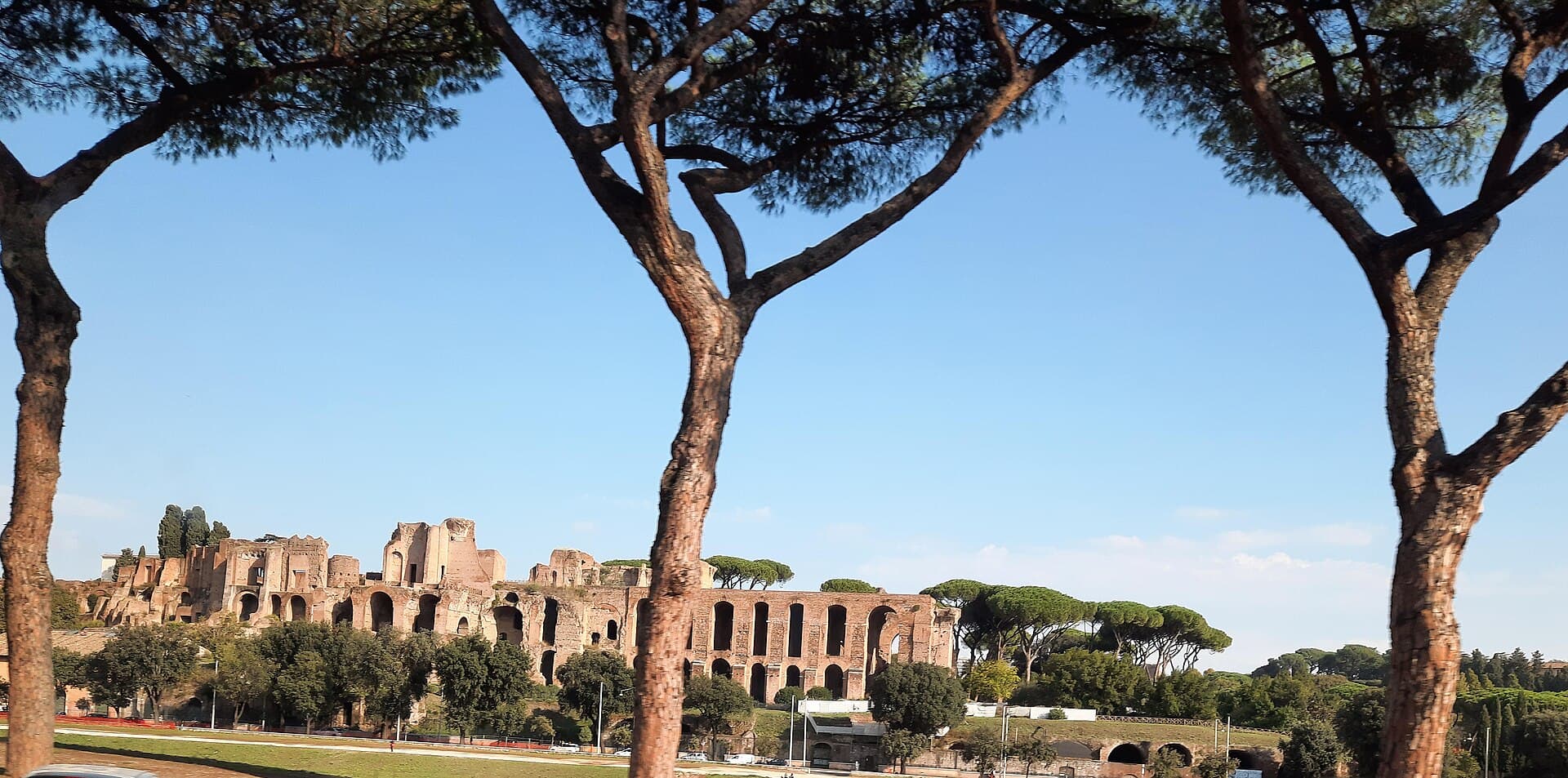 The Basilica of MaxentiusThe largest building in the Roman Forum, of which three enormous vaults of concr3 minutes walk4.6
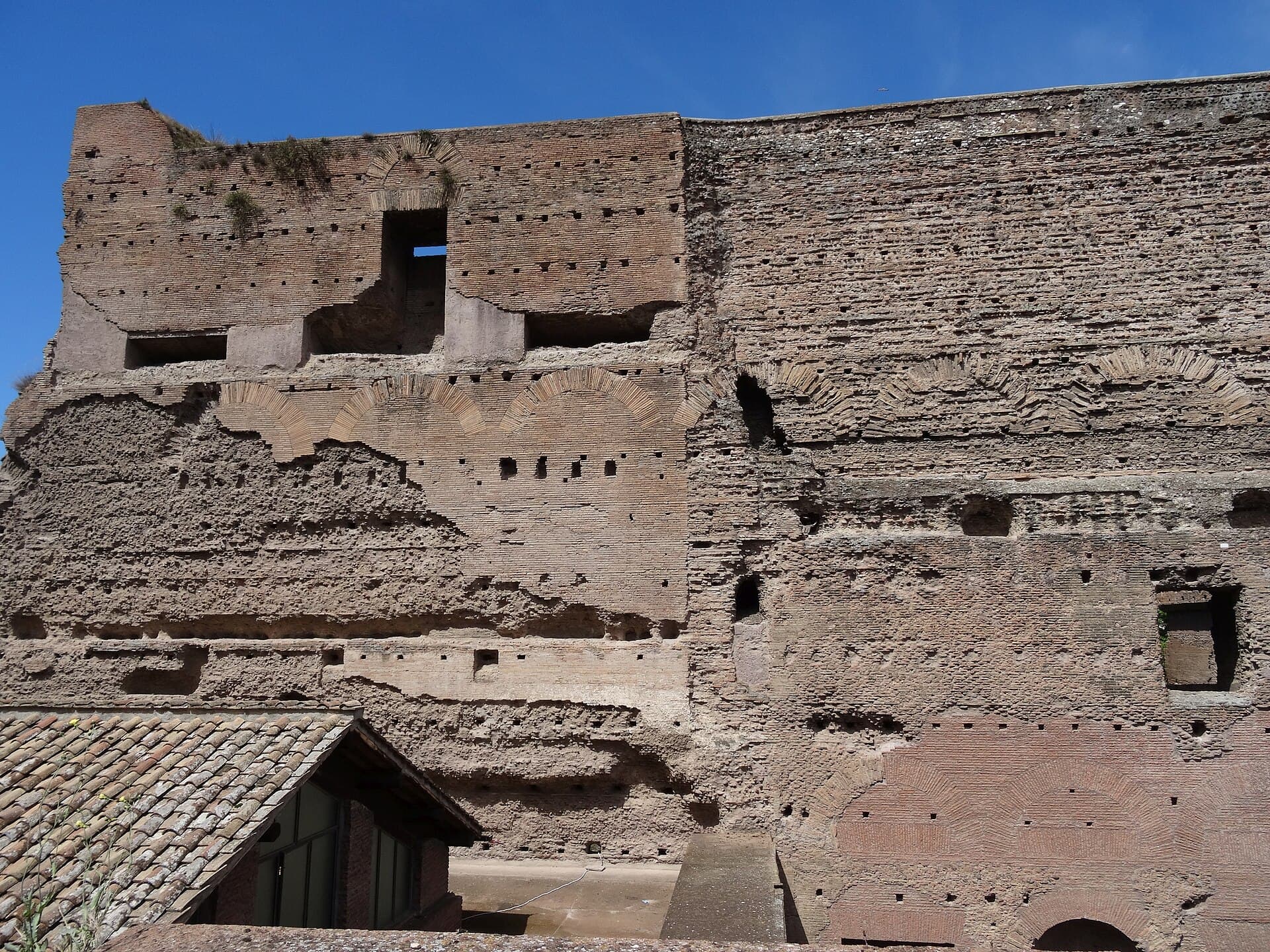 Imperial ForaFive fora built by successive emperors north of the old Roman Forum once the cit3 minutes walk4.6
Looking for halal food near Roman Forum? There are several options nearby, from Moroccan and Indian kitchens to quick casual spots and places with a view. Confirm the halal status and opening hours before you go — these can change.
The free Campidoglio view gives you the panorama; entry gives you the scale — standing between fifteen-metre columns is something no overhead photo conveys. And since the ticket is shared with the Colosseum, you've already paid for it.
Best: Colosseum first on its timed slot, then the Forum, then climb the Palatine to finish on the view. The reverse means climbing in the worst heat.
Difficult: original uneven stone, slopes and many steps. Limited accessible routes exist — check the official site map before visiting.