
The oldest wooden house
No. 34 of circa 1420 — the fire ban's orphan survivor.
G.Lanting — CC BY-SA 3.0 · Txllxt TxllxT — CC BY-SA 4.0 · Txllxt TxllxT — CC BY-SA 4.0 · Fred Romero from Paris, France — CC BY 2.0
An ordinary wooden door near the city's busiest squares — push it and centuries' silence swallows you: the Begijnhof, a green court ringed by medieval houses, founded 1346 by the Beguines — devout women living in pious community without convent vows, nursing, teaching and owning their independence: a women's movement centuries before its time. At its centre stands Amsterdam's oldest surviving wooden house (No. 34, circa 1420 — wood banned after for fires), and two churches telling the split: the English one taken by the Reformation, the Beguines building their hidden chapel opposite behind house fronts. The last Beguine left in 1971 and the houses lodge single women by the old foundation's rule — the court alive, no museum: the visit is imposed silence on a set path, and its quarter-hour the centre's purest moment.
No. 34 of circa 1420 — the fire ban's orphan survivor.
Piety and independence without convents — the medieval women's movement.
The taken and the hidden face to face — the split embodied.
Begijnhof 30, 1012 Amsterdam
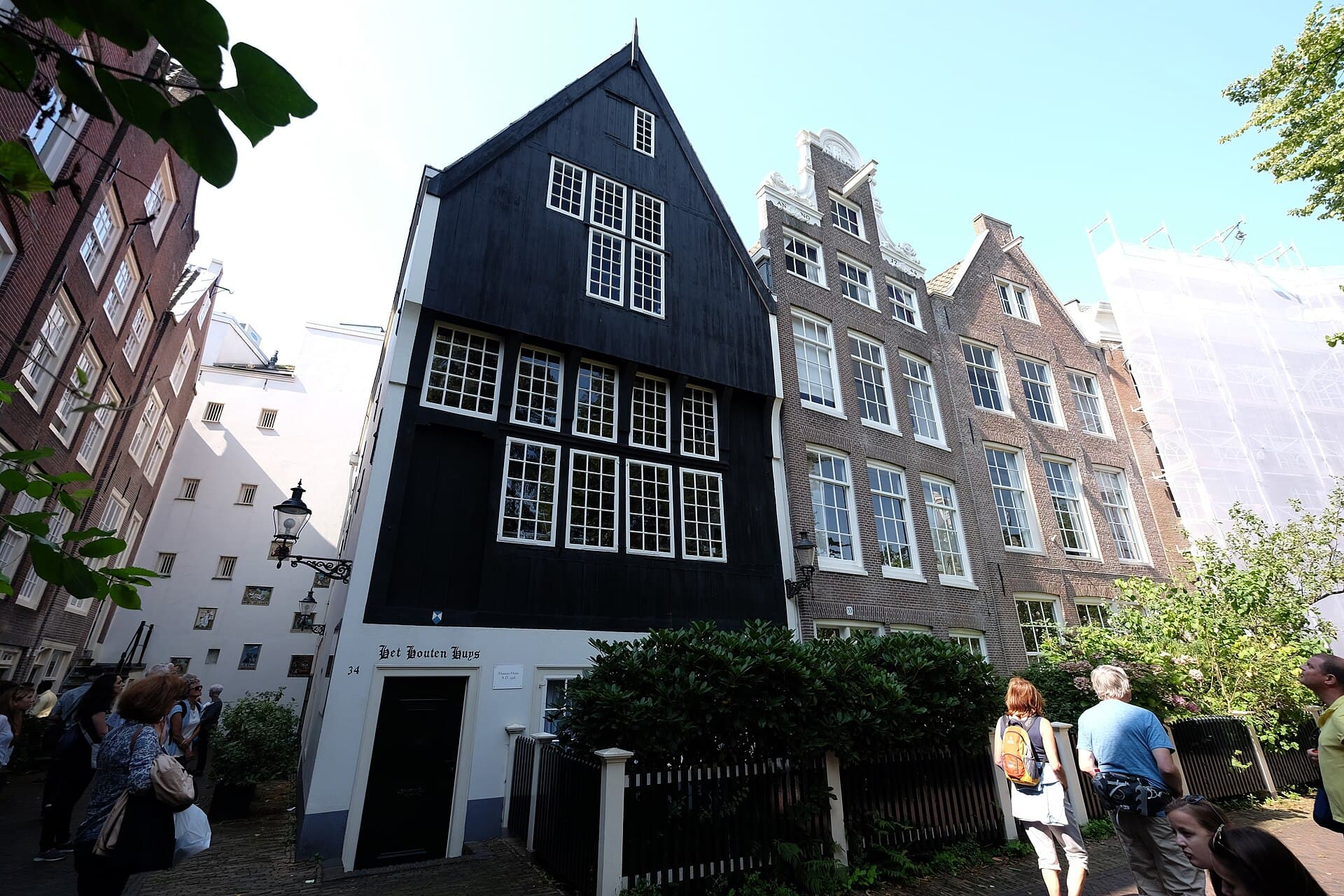 Het Houten Huys, Amsterdam's oldest houseA fifteenth-century house inside the Begijnhof courtyard, regarded as the oldest1 minute walk4.5
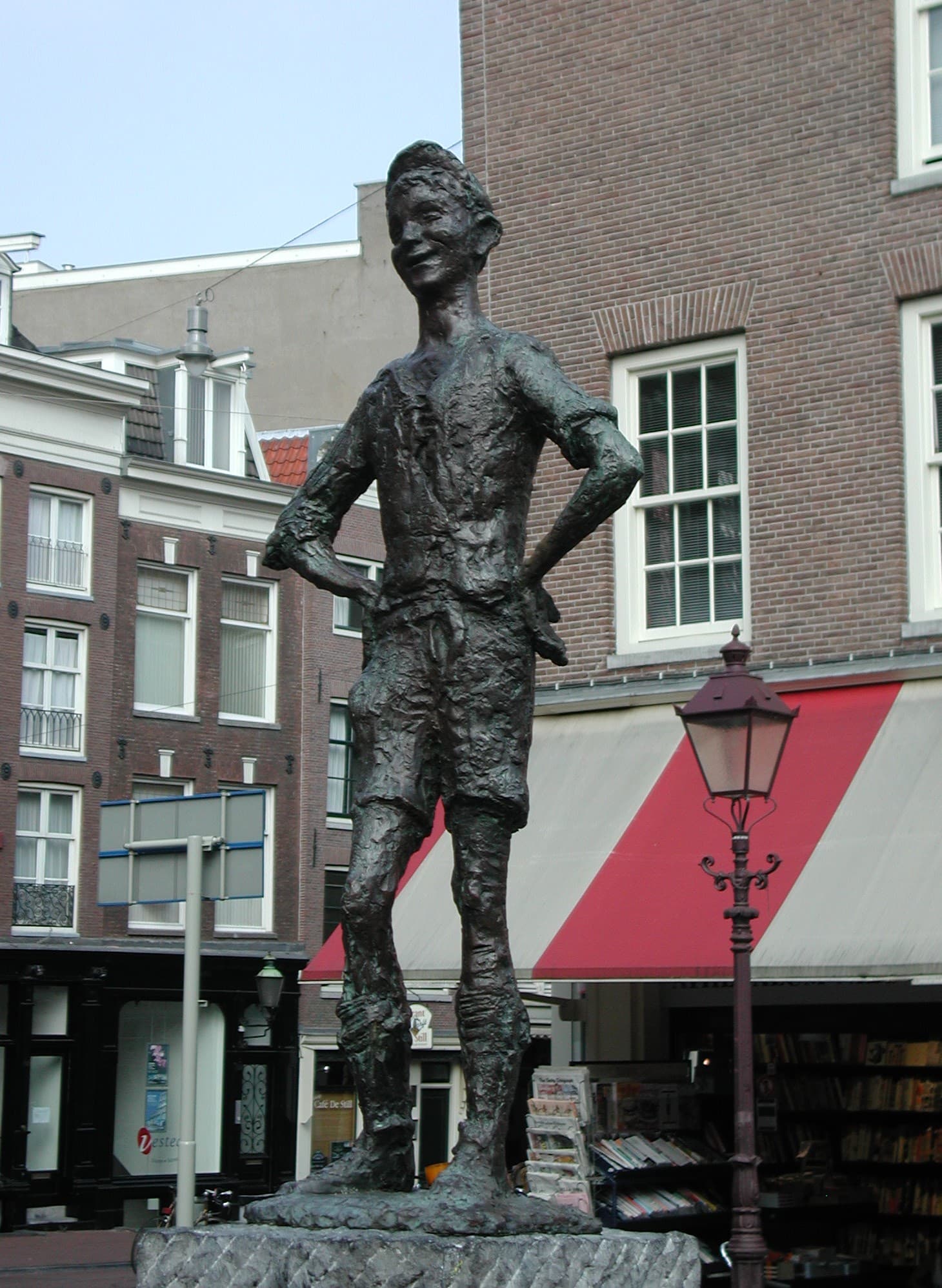 Het LieverdjeA small bronze statue of a boy standing on Spui square, erected in 1960, its nam1 minute walk4.5
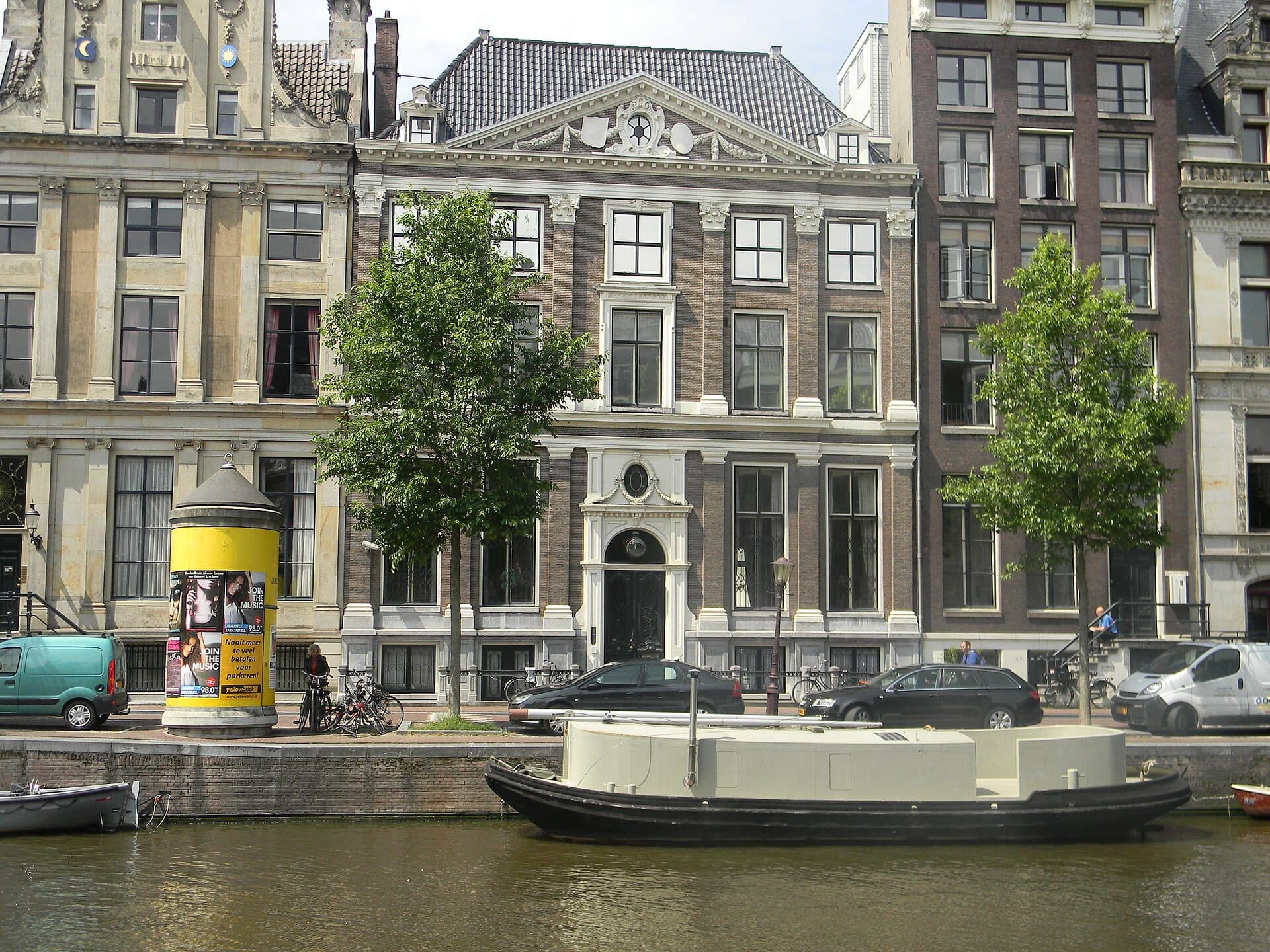 Het Grachtenhuis, Museum of the CanalsA small museum inside a historic house on the Herengracht, devoted to a single s4 minutes walk4.7
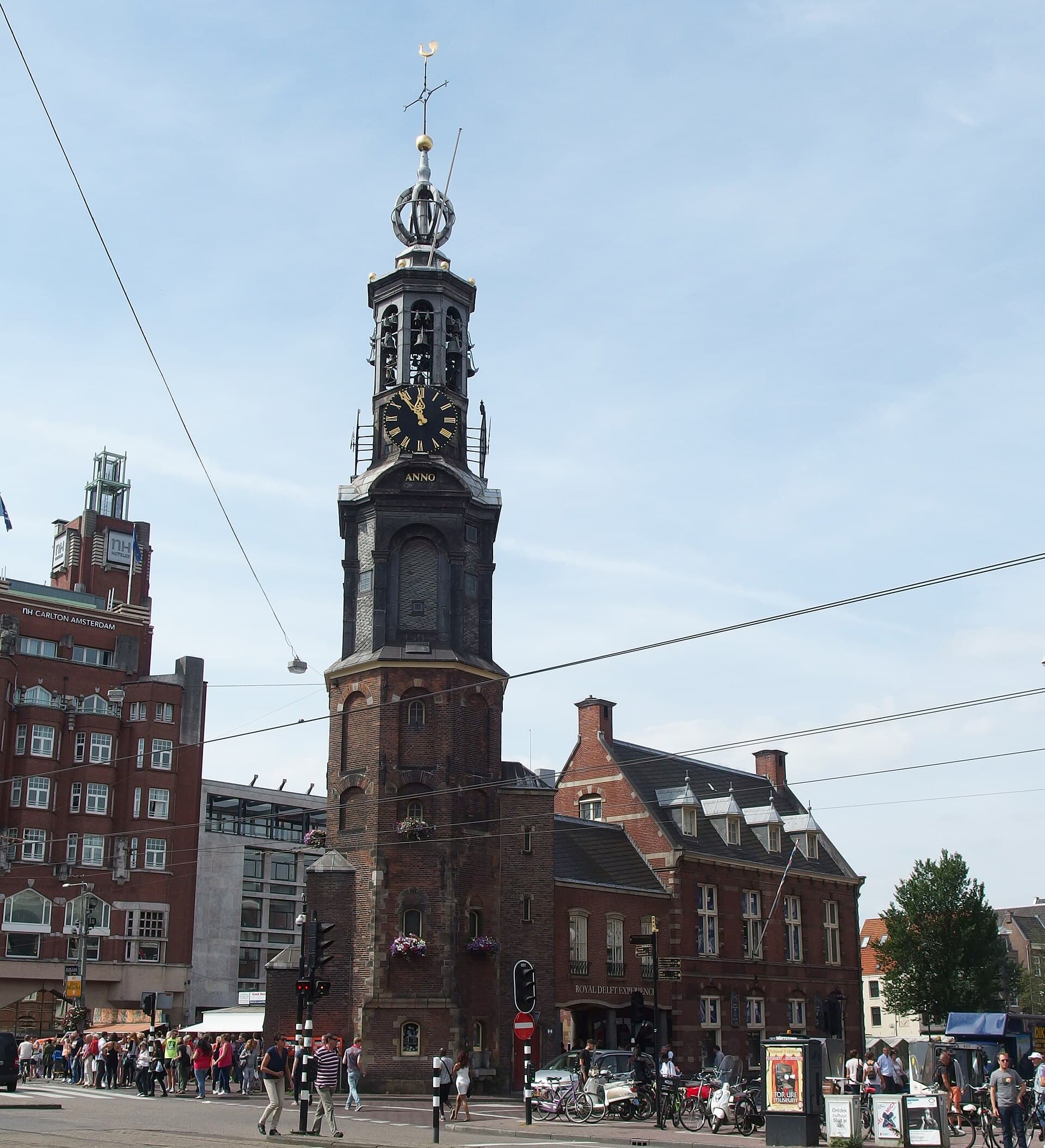 The MunttorenA tower in two halves from two centuries: the Munttoren was part of the Regulier4 minutes walk4.4
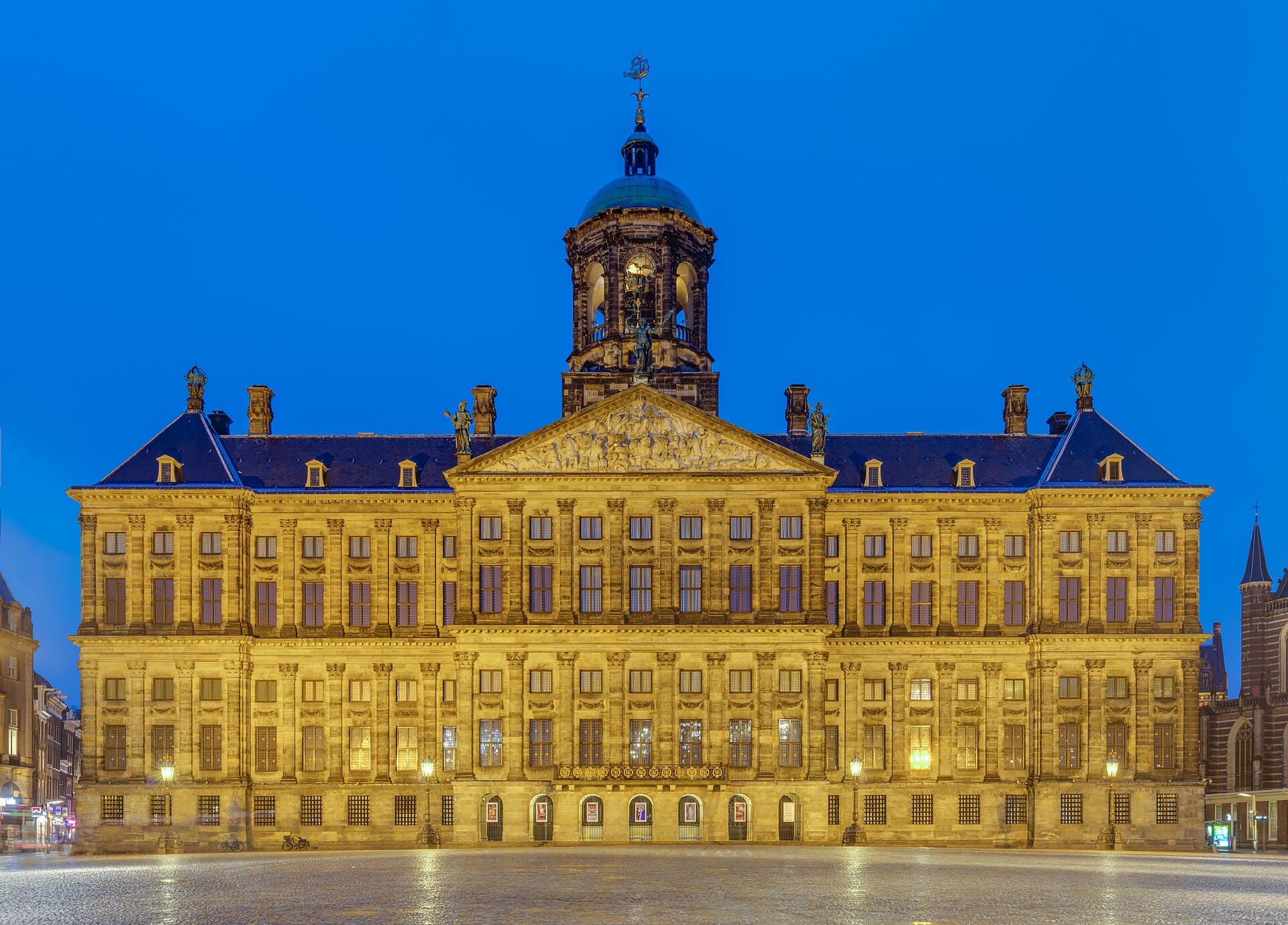 Royal Palace AmsterdamThe Royal Palace on Dam Square was not built as a palace but as a town hall: Ams5 minutes walk4.5
A European women's movement from the twelfth century: living in pious communities free of vows — leaving to marry at will, owning their houses, working as nurses and teachers — an independence that unsettled the Church into persecuting some to the stake. Their courts flourished in the Low Countries (Belgium's are UNESCO) — this the most famous Dutch survivor.
Off Spui square: a modest dark wooden arch between fronts (small plaque) — or the 'Begijnhof entrance' passage from the covered shopping lane. The hiding is half protective intent — seek quietly, push gently: another world literally behind.
The Amsterdam Museum neighbours (city history with its free giant-portrait gallery), Spui with its Friday book market, the floating flower market minutes on — the Begijnhof the perfect silence-interval mid shopping-and-centre day.