
The Egyptian hall
Mummies and coffins under the palace dome.
Holger Ellgaard — CC BY-SA 3.0 · Jamie Heath from United Kingdom — CC BY-SA 2.0 · Jamie Heath from United Kingdom — CC BY-SA 2.0 · Jamie Heath from United Kingdom — CC BY-SA 2.0
Medelhavsmuseet is Stockholm's museum of Mediterranean and Near Eastern archaeology, and the one that will interest an Arab visitor more than any other in Sweden. The collection has four parts: **ancient Egypt** — the strongest, with mummies, coffins and objects from the Old Kingdom to the Coptic period, more than two thousand Egyptian pieces; **Cyprus**, holding one of the largest collections of Cypriot antiquities outside Cyprus, gathered by a Swedish expedition in the 1930s; **Greece and Rome**; and the **ancient Near East**, covering Mesopotamia and the Levant. Its Islamic section holds ceramics, glass, metalwork and calligraphy from Egypt, Syria and Iran. The building is an eighteenth-century palace that housed Sweden's central bank, and its domed central hall is where the Egyptian collection is displayed. **Entry is free.** Note: the museum has been closed for periods for renovation — check before going.
Mummies and coffins under the palace dome.
Ceramics, glass and metalwork from Egypt, Syria and Iran.
Fredsgatan 2, Stockholm
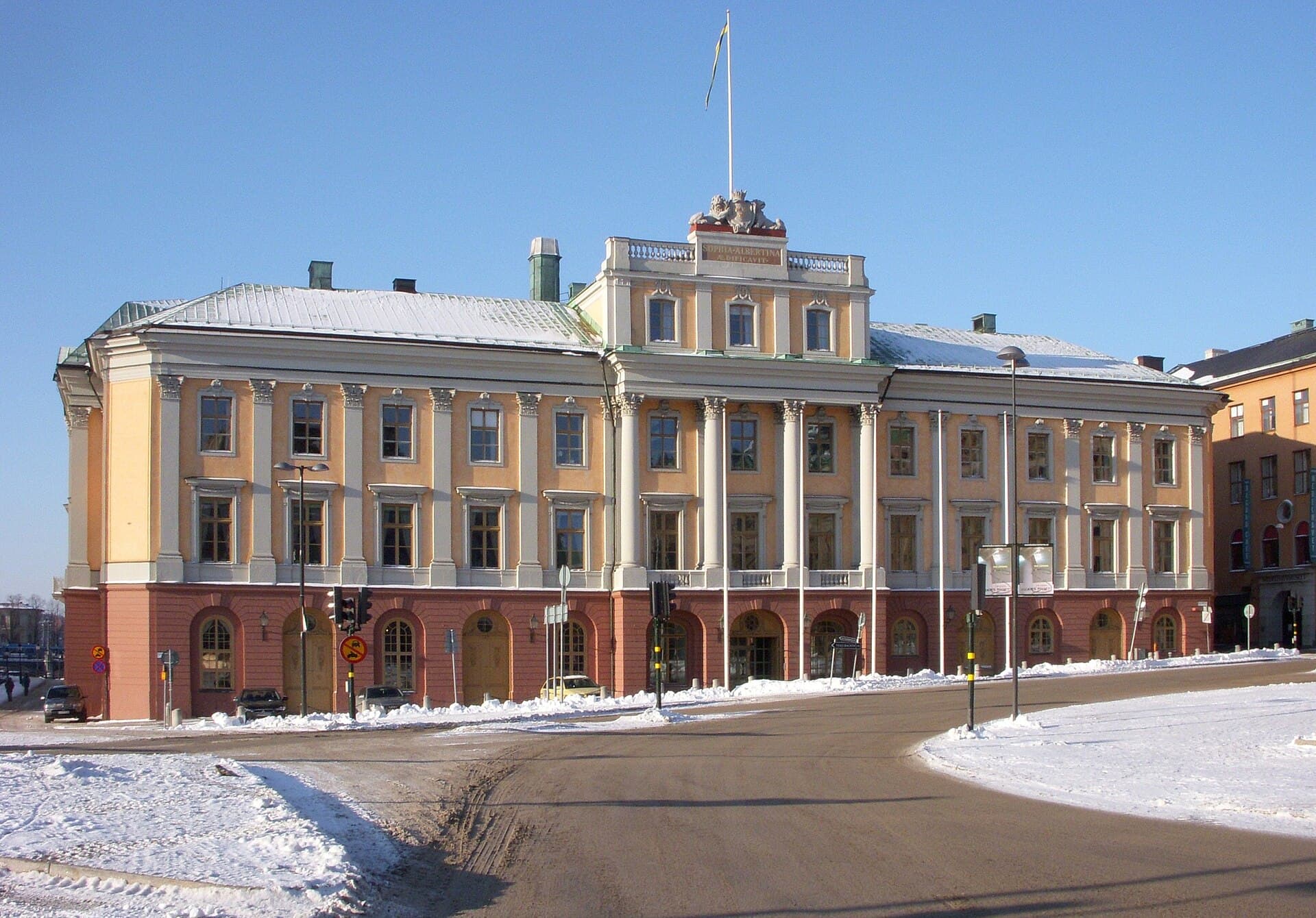 Arvfurstens palatsThe Hereditary Prince's Palace stands on **Gustav Adolfs torg** in central Stock1 minute walk4.5
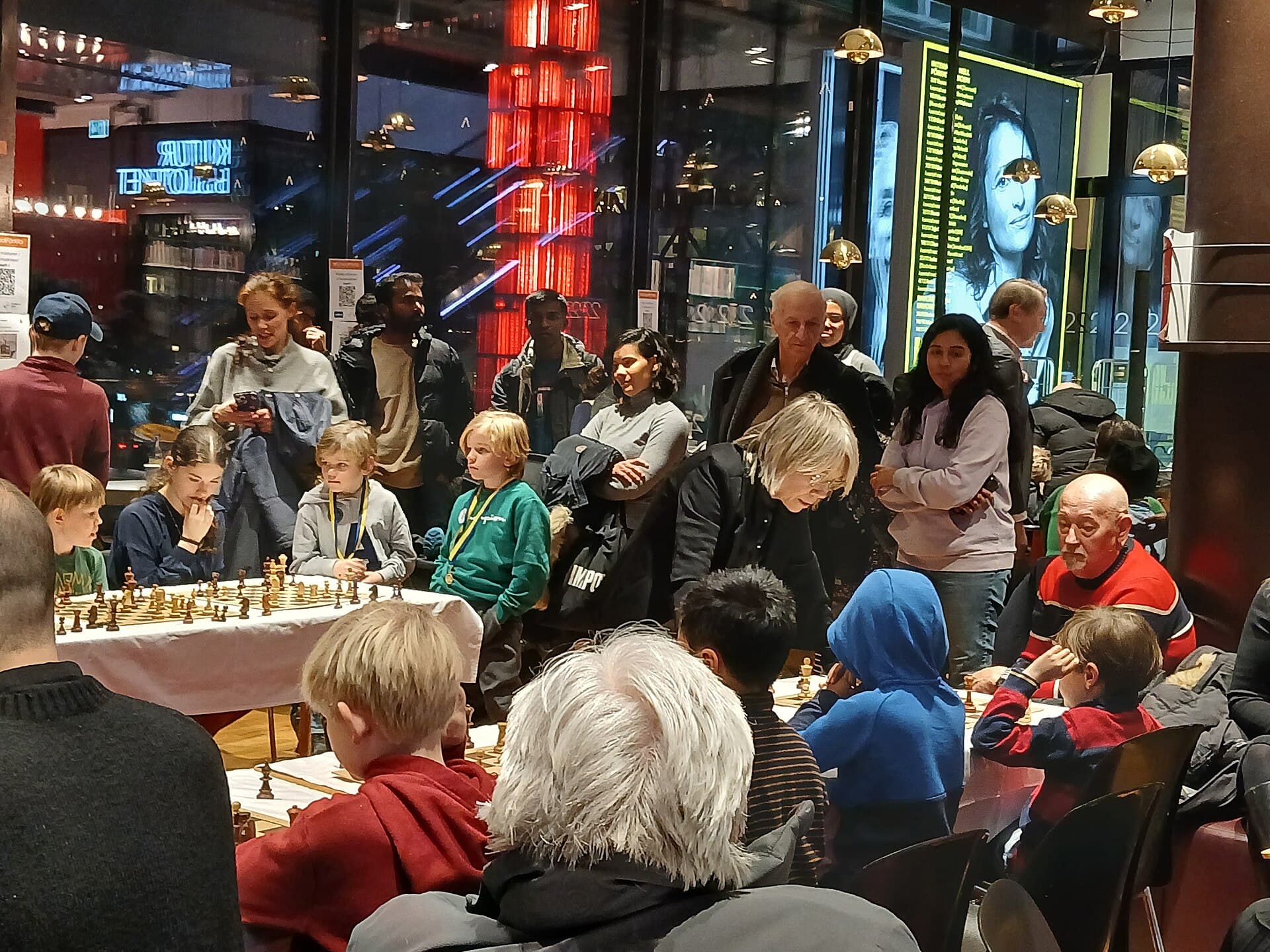 Kulturhuset StadsteaternA cultural centre and city theatre in a glass building on Sergels torg in centra4 minutes walk4.2
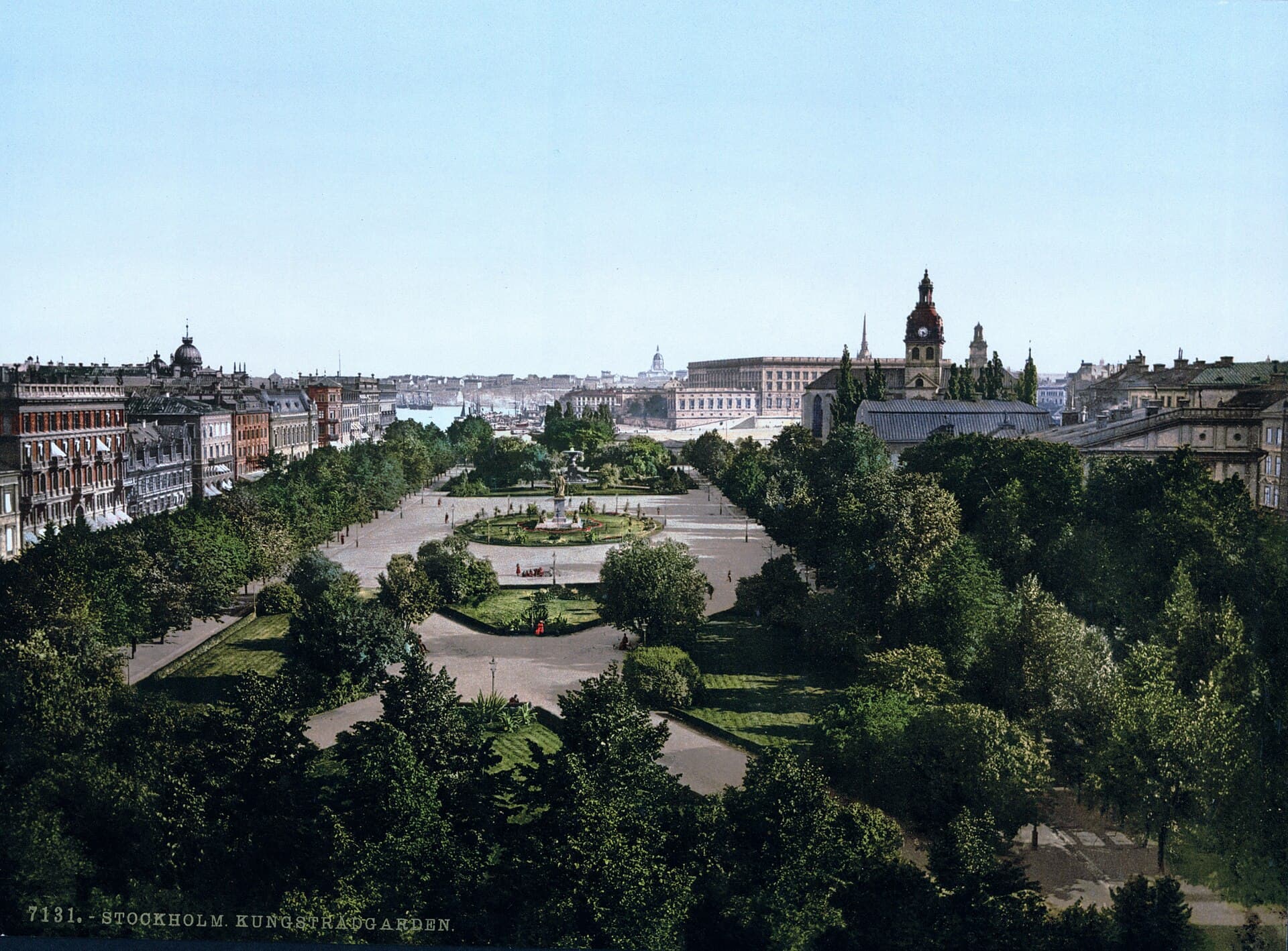 Kungstradgarden (The King's Garden)Kungstradgarden is a long rectangular square in the heart of commercial Stockhol4 minutes walk4.6
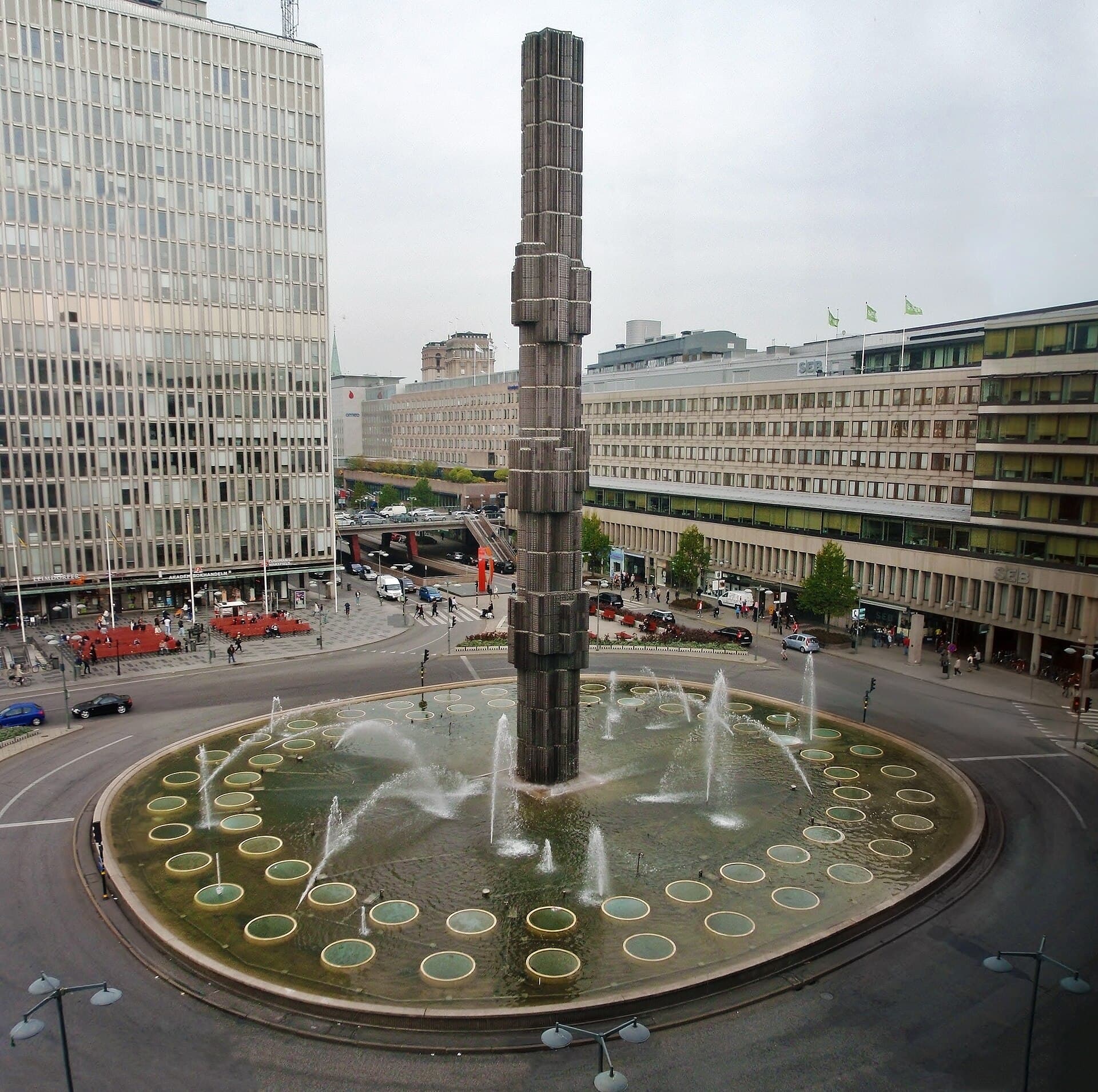 Sergels TorgSergels Torg is the heart of modern Stockholm and the exact opposite of Gamla St5 minutes walk4.2
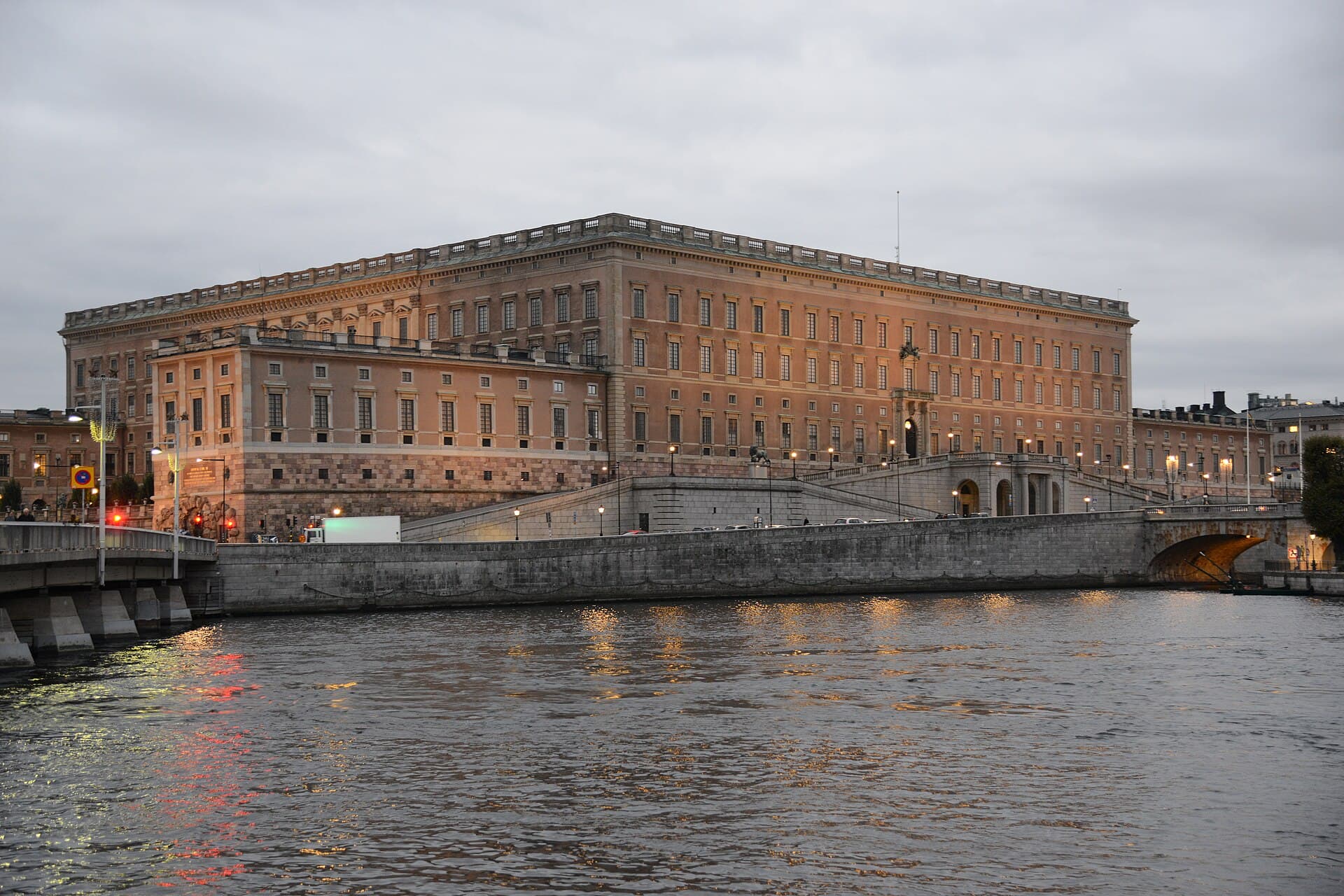 The Royal PalaceStockholm's Royal Palace is the official residence of Sweden's king and one of E5 minutes walk4.4
By three routes. **Archaeological expeditions**: Sweden took part in excavations in Egypt and Nubia in the early twentieth century, most notably the Swedish Nubia expedition of the 1960s within the UNESCO campaign to save the Nubian monuments before the Aswan dam — receiving objects for its participation with Egyptian agreement. **Purchase**: Swedish collectors bought on the antiquities market in the nineteenth century when export was legal. And **gifts**. The museum states the provenance of its pieces, and the wider question of what should be returned is an active discussion across European museums.