
The fresco cycle
The life and passion of Christ and the life of St Nicholas, entire.
LucT — CC BY-SA 3.0 · Ymblanter — CC BY-SA 4.0 · Ymblanter — CC BY-SA 4.0 · Ymblanter — CC BY-SA 4.0
A small, plain-looking church in a quiet lane of the **upper town**, giving nothing away from outside — but holding inside **the most complete set of Byzantine wall paintings surviving in Thessaloniki**, among the most important survivals of Palaiologan Renaissance art anywhere. It was built in the early **fourteenth century**, and the name Orphanos means "the orphan", or refers to its founder. It is inscribed among the **UNESCO World Heritage** Byzantine monuments of the city. What distinguishes it is that the paintings **survived almost entire**: they cover the walls, arches and ceiling in a full cycle of scenes from the life and passion of Christ and the life of Saint Nicholas, in colours still strong, with fine detail in the faces, the clothing and the painted architecture. The reason is that they were **limewashed** in the Ottoman period when the church became a mosque — the lime protected them for centuries until they were uncovered in the twentieth. ⚠ It is **very small** and the visit takes half an hour, but it is among the most precious things in the city.
The life and passion of Christ and the life of St Nicholas, entire.
Expression, clothing and painted architecture in rare detail.
Still strong after seven centuries, thanks to the lime.
Irodotou 17, Ano Poli, 54634 Thessaloniki
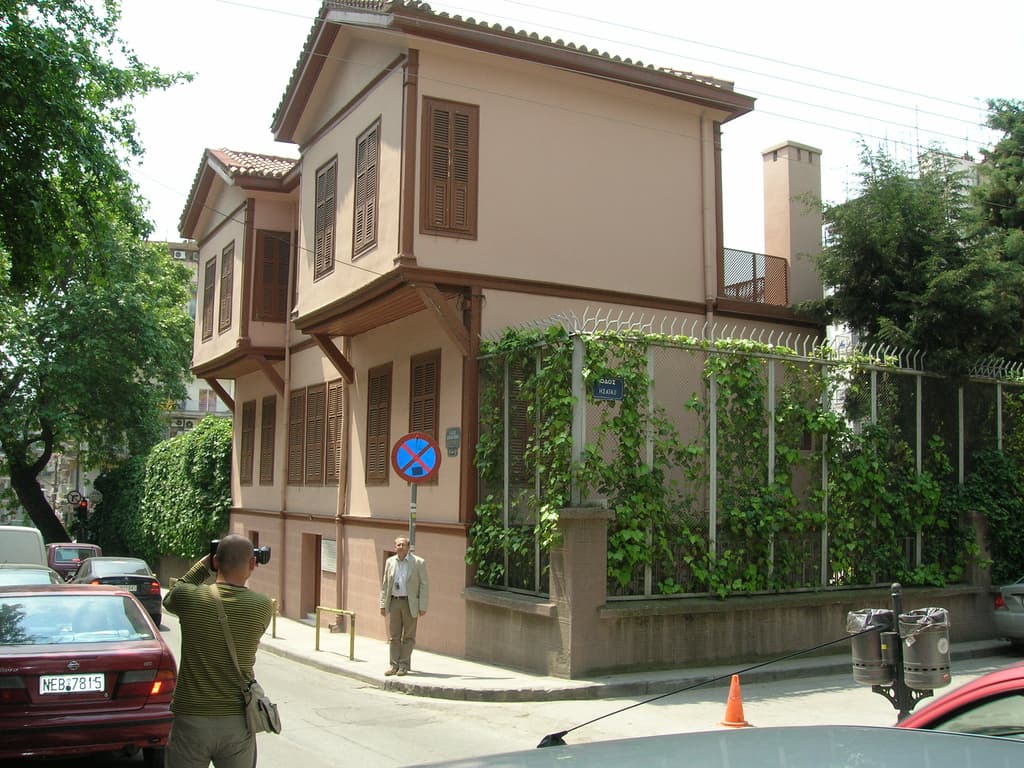 Atatürk Museum (his birthplace)A three-storey pink house in a quiet part of Thessaloniki, where **Mustafa Kemal3 minutes walk4.6
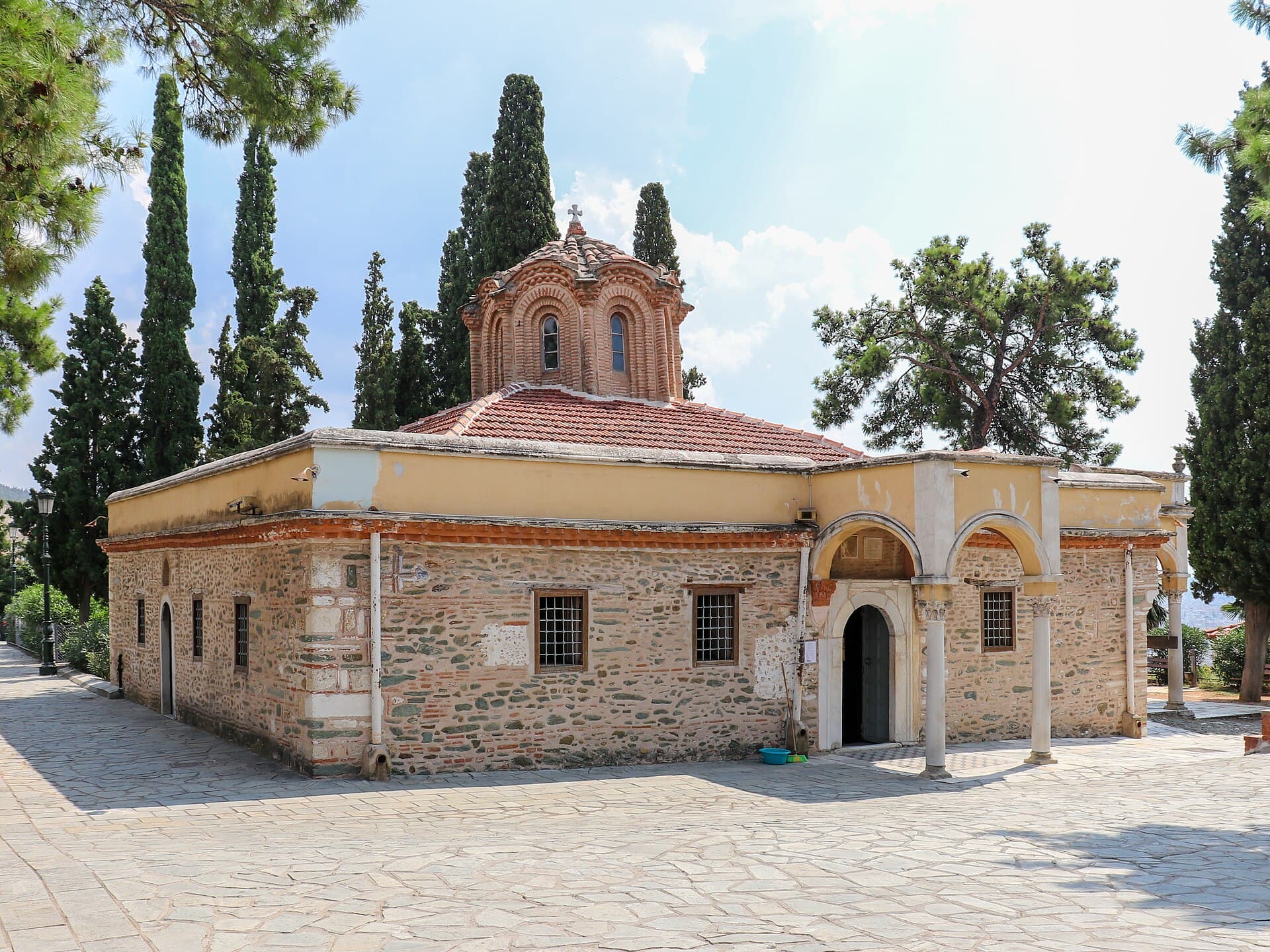 Vlatades MonasteryThe only Byzantine monastery still working in Thessaloniki, out of more than twe6 minutes walk4.8
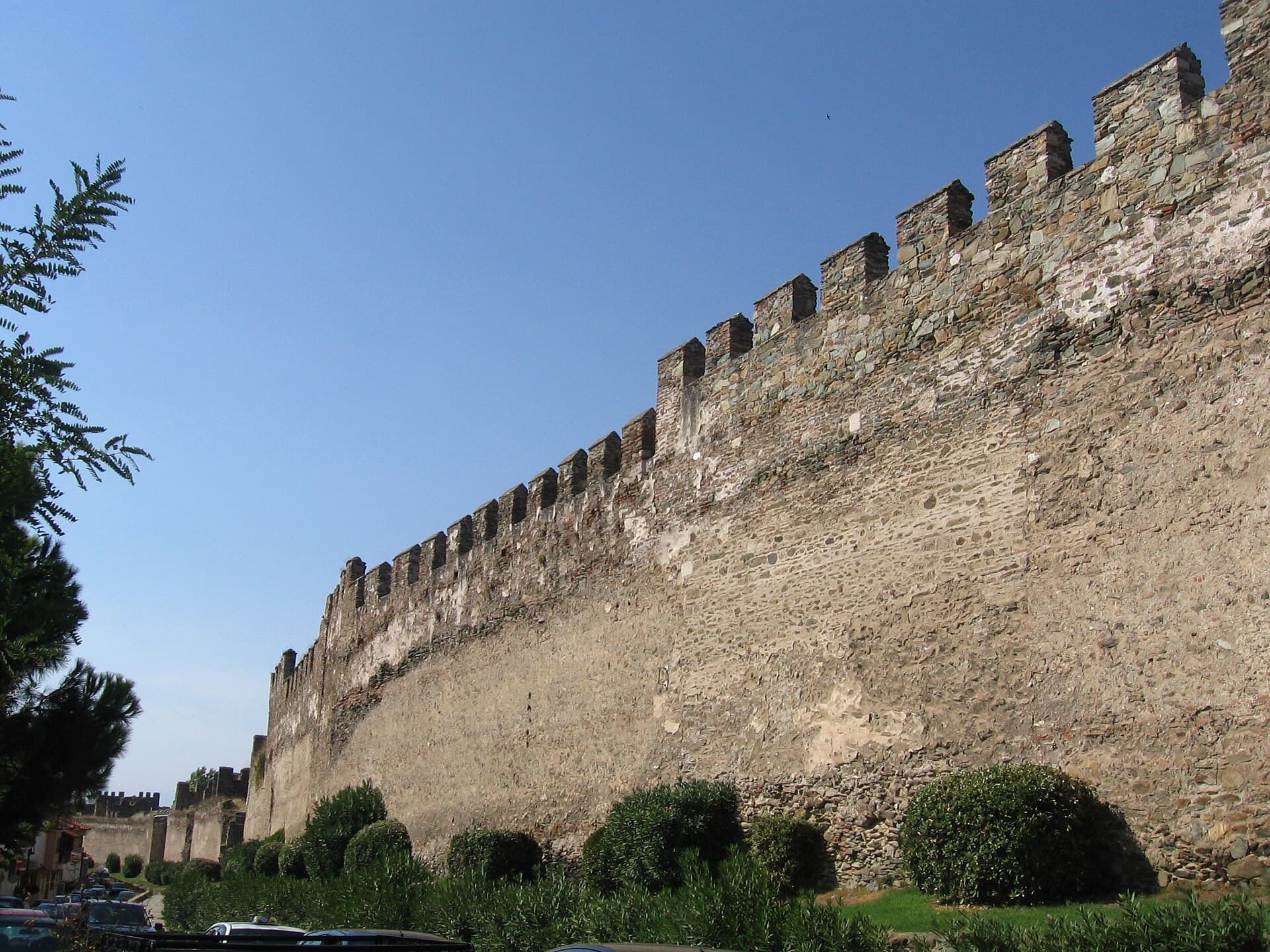 The Byzantine Acropolis WallsThe upper section of Thessaloniki's Byzantine walls, ringing the summit of the U7 minutes walk4.5
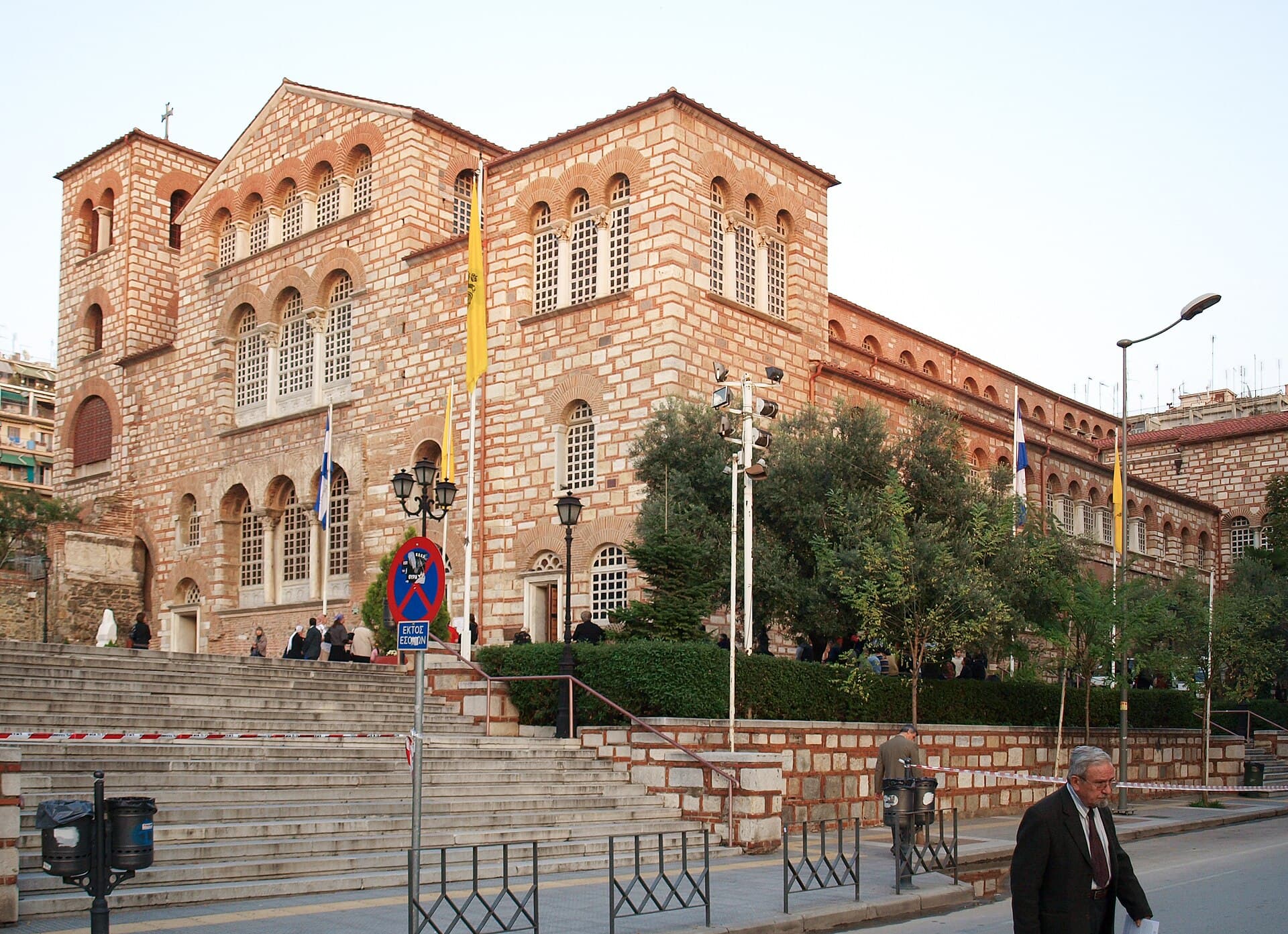 The Basilica of Saint Demetrius & its CryptAgios Dimitrios is the city's mother church: Greece's largest, over the grave of9 minutes walk4.8
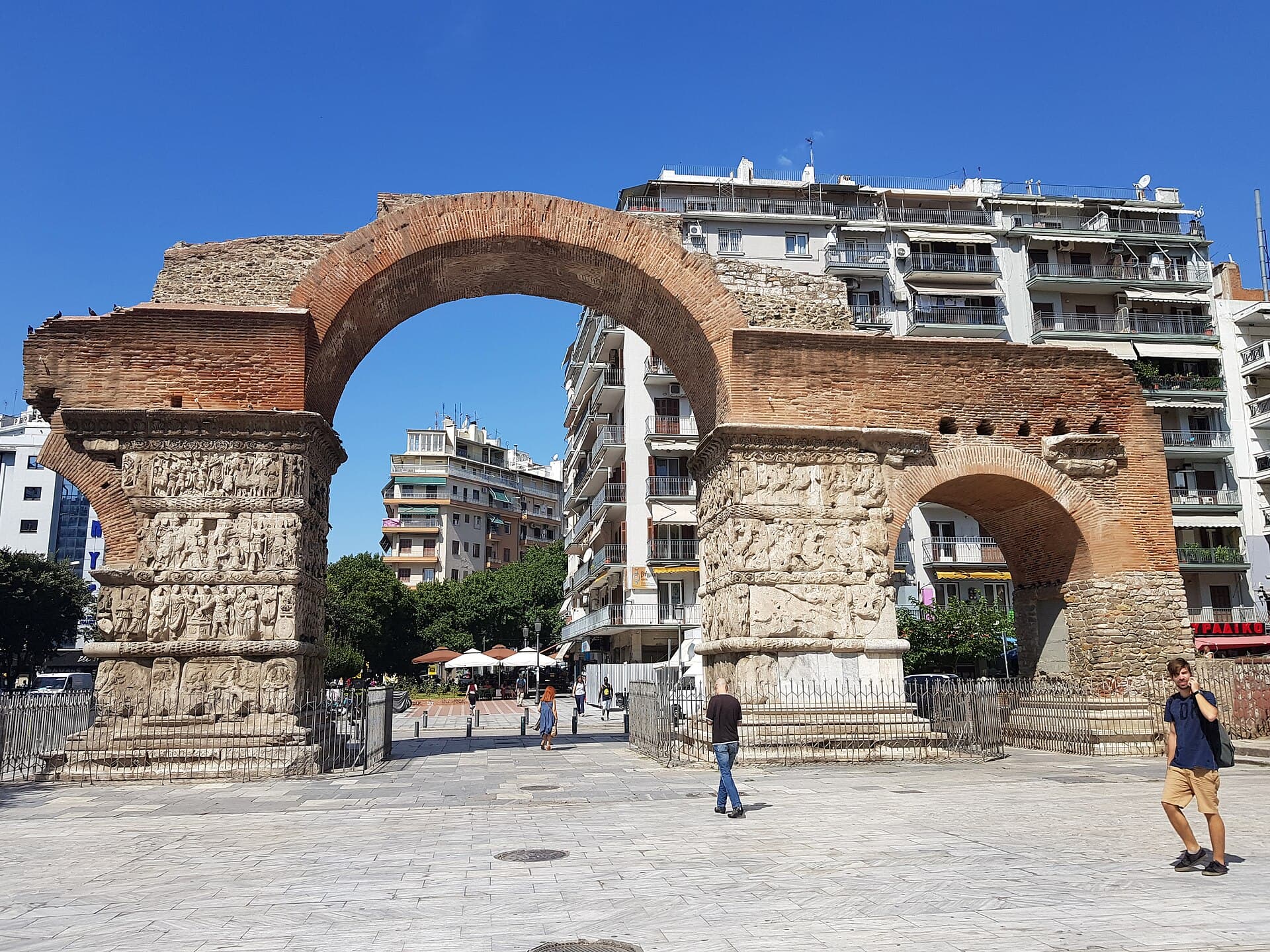 The Arch of Galerius & RotundaArch and Rotunda are the remains of a whole imperial quarter: Emperor Galerius m9 minutes walk4.6
**By accident, and thanks to what looked at the time like desecration.** When the church became a mosque under Ottoman rule its walls were **limewashed** to cover the human images. That lime sealed them from air, damp, smoke and light for centuries, preserving their colour and detail while frescoes in churches that stayed exposed decayed. When the coating was removed in the twentieth century the paintings emerged almost complete. The same story repeated in many Byzantine churches across Greece and Turkey — a great deal of the finest surviving Byzantine art came through under a layer of lime.
The city is called an **open-air museum of Byzantine art**, and **fifteen** of its monuments are inscribed together by UNESCO. The most important for a visitor: the **Rotunda** (a massive fourth-century Roman building that became a church then a mosque, with gold mosaic), **Agios Dimitrios** (the patron's church, with its crypt), **Hagia Sophia** (a domed church with ninth-century mosaic), **Acheiropoietos** (among the oldest surviving churches in the world, fifth century), and this church **for its frescoes**. ⚠ Their hours vary and many close at midday — plan them for the morning.