
The western front
A stone rose window and heavy buttresses, the building's strongest architectural feature.
cruccone — CC BY 2.0 · Benjamin Smith — CC BY-SA 4.0 · Diego Delso — CC BY-SA 4.0 · Bernard Gagnon — CC BY 4.0
A thirteenth-century church north of the old city, one of the group built in Córdoba after it passed to Christian rule in 1236, known locally as the Fernandine churches. The style mixes early Gothic and Romanesque with Mudéjar elements, meaning Muslim craftsmen worked on it. The western front with its stone rose window and heavy buttresses is its strongest feature, and the interior is plain and solid next to the Baroque churches that came later. The church stands in the Santa Marina district north of the tourist lanes, a quiet residential quarter quite different in character from the streets around the mosque. In front of it is a small square with a statue of the bullfighter Manolete, who was born in the neighbourhood. The visit is short, and its value is that it shows you the architectural layer immediately following Islamic rule: what was built in Córdoba after 1236, and who built it.
A stone rose window and heavy buttresses, the building's strongest architectural feature.
It shows what was built in Córdoba immediately after Islamic rule ended, and who helped build it.
Santa Marina is a genuine residential district, and walking it gives you the non-touristic Córdoba.
Plaza de los Condes de Priego, Santa Marina, Córdoba
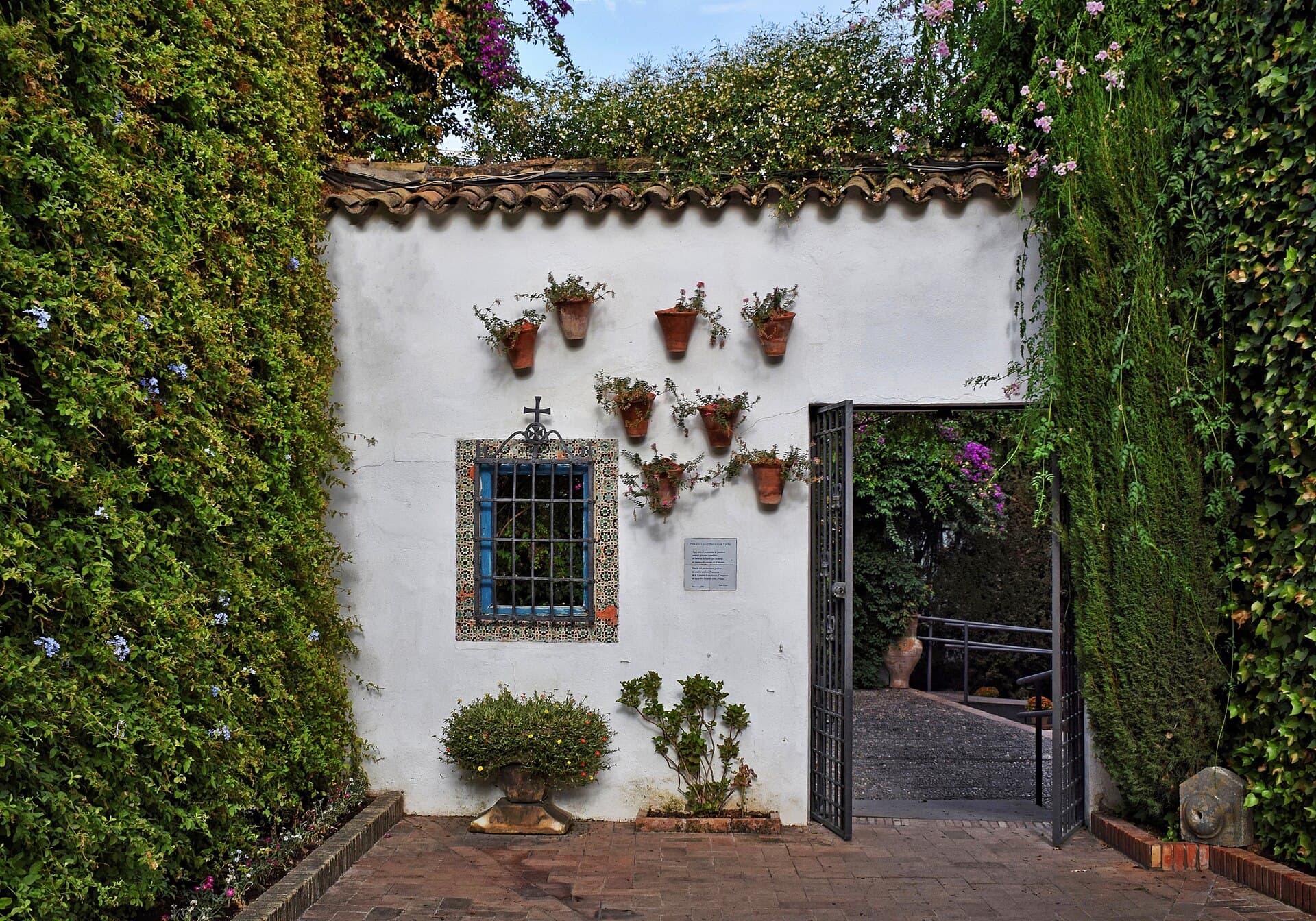 Palacio de VianaThe Palacio de Viana is an aristocratic house in Córdoba best known for its cour2 minutes walk4.6
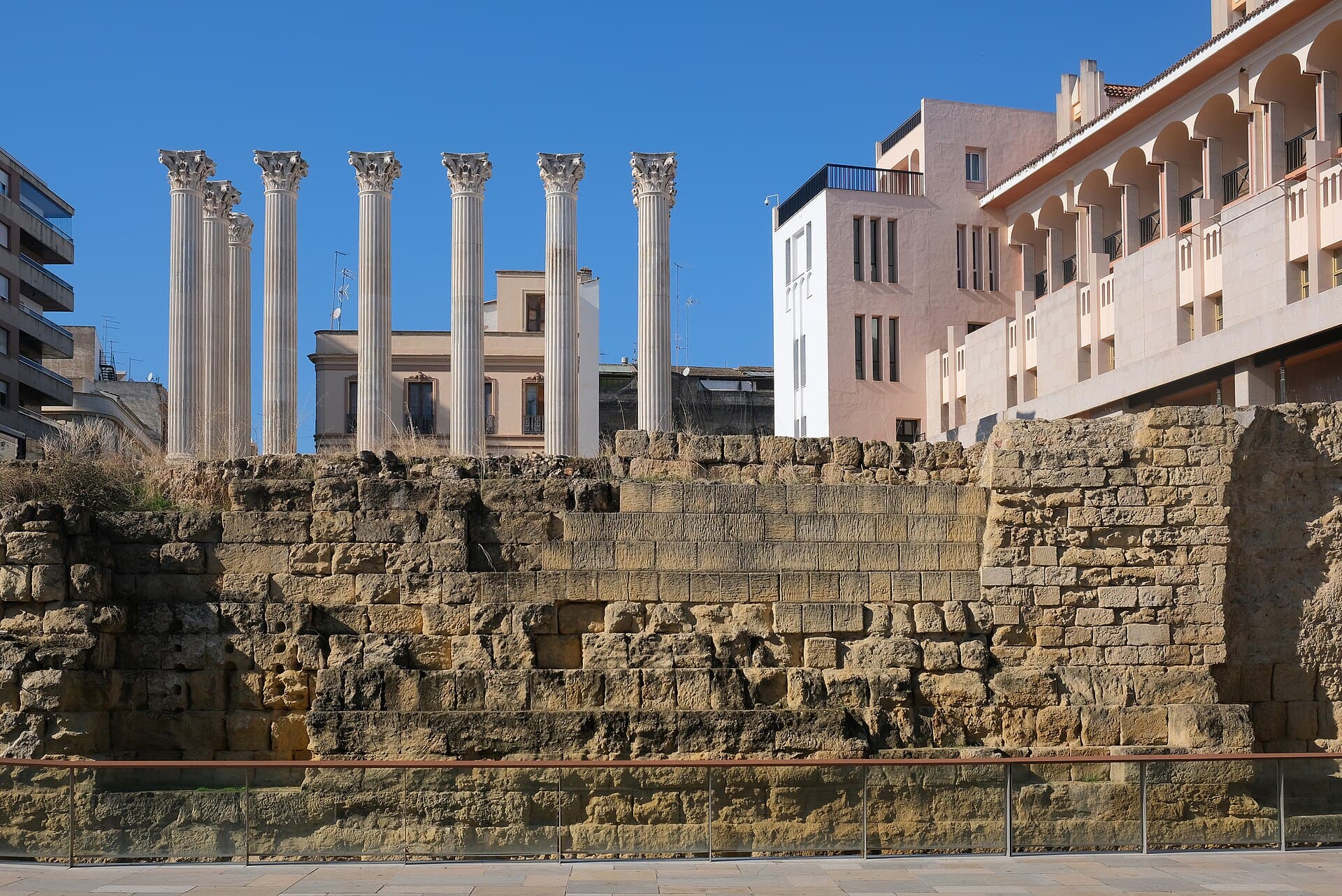 Roman Temple of CórdobaThe Roman Temple of Córdoba is a row of white marble columns rising beside the c7 minutes walk4.1
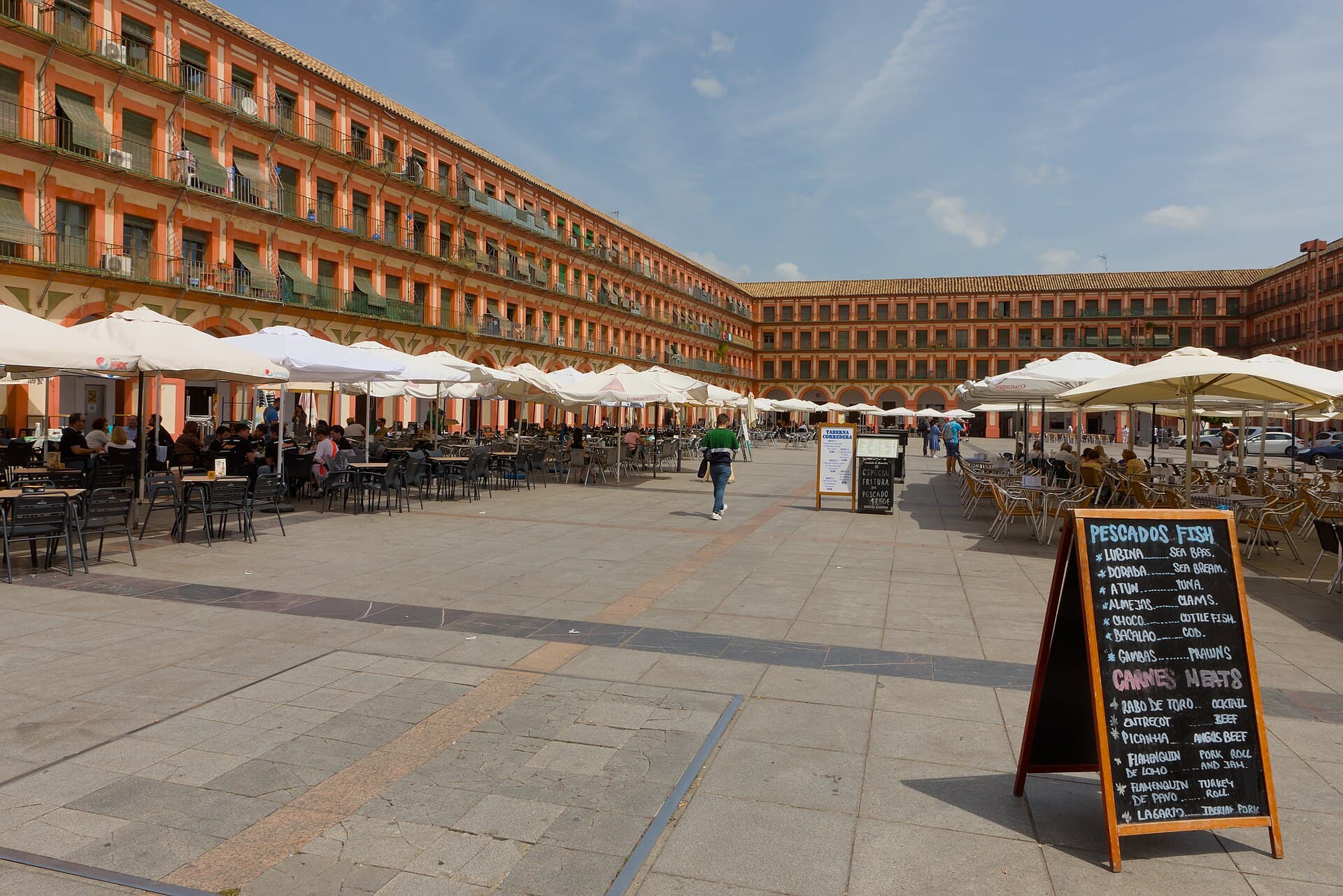 Plaza de la CorrederaA rectangular square closed on all four sides by matching arcaded buildings with9 minutes walk4.1
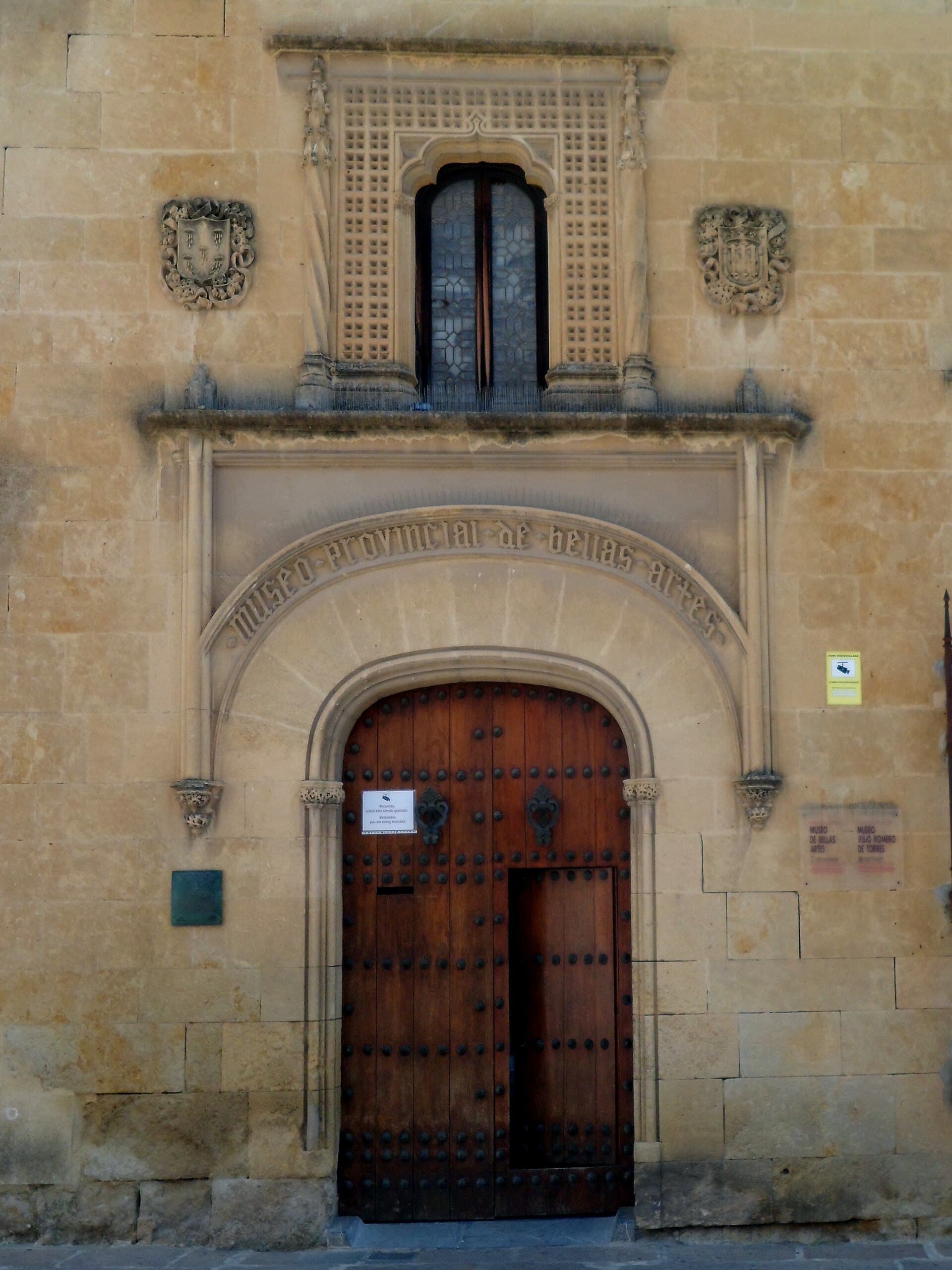 Museum of Fine ArtsCórdoba's Fine Arts Museum inhabits the city's loveliest literary address: the P12 minutes walk4.5
 Minaret of San JuanA tenth-century minaret standing today against the church of San Juan de los Cab12 minutes walk4.4
A group of churches built in Córdoba after it passed to Christian rule in 1236 under Ferdinand III, often on the sites of earlier mosques. They share an early Gothic style and Mudéjar elements, and Santa Marina is among the clearest examples.
If the sequence of Córdoba's architectural layers interests you, yes, and it is free. Add that the Santa Marina district itself is worth walking, away from the crowds. If you have a single day, no: the major sights to the south come first.