
Precision crafts
Clocks and instruments from Nuremberg's history.
Tilman2007 — CC BY-SA 4.0 · DALIBRI — CC BY-SA 4.0 · Tilman2007 — CC BY-SA 4.0 · Tilman2007 — CC BY-SA 4.0
Nuremberg's applied arts museum is a product of a nineteenth-century European movement: after the great world exhibitions, the industrial nations realised their products had advanced technically and fallen behind aesthetically, so applied art museums were founded to teach craftsmen and designers through good historical examples. That explains the nature of the collection: ceramics, glass, metalwork, furniture and textiles, chosen originally as models to be emulated rather than as artworks in themselves. Nuremberg was a centre of precision crafts for centuries — clockmaking, scientific instruments and toys — so the collection reflects that local history. The museum today forms part of the Neues Museum, which also holds modern art and contemporary design, in a striking glass building of 2000 that abuts the remains of the medieval city wall. The ticket is usually shared between the sections, and the building itself is among the most significant pieces of contemporary architecture in the city.
Clocks and instruments from Nuremberg's history.
Contemporary abutting medieval stone.
Gewerbemuseumsplatz 4, 90403 Nuremberg
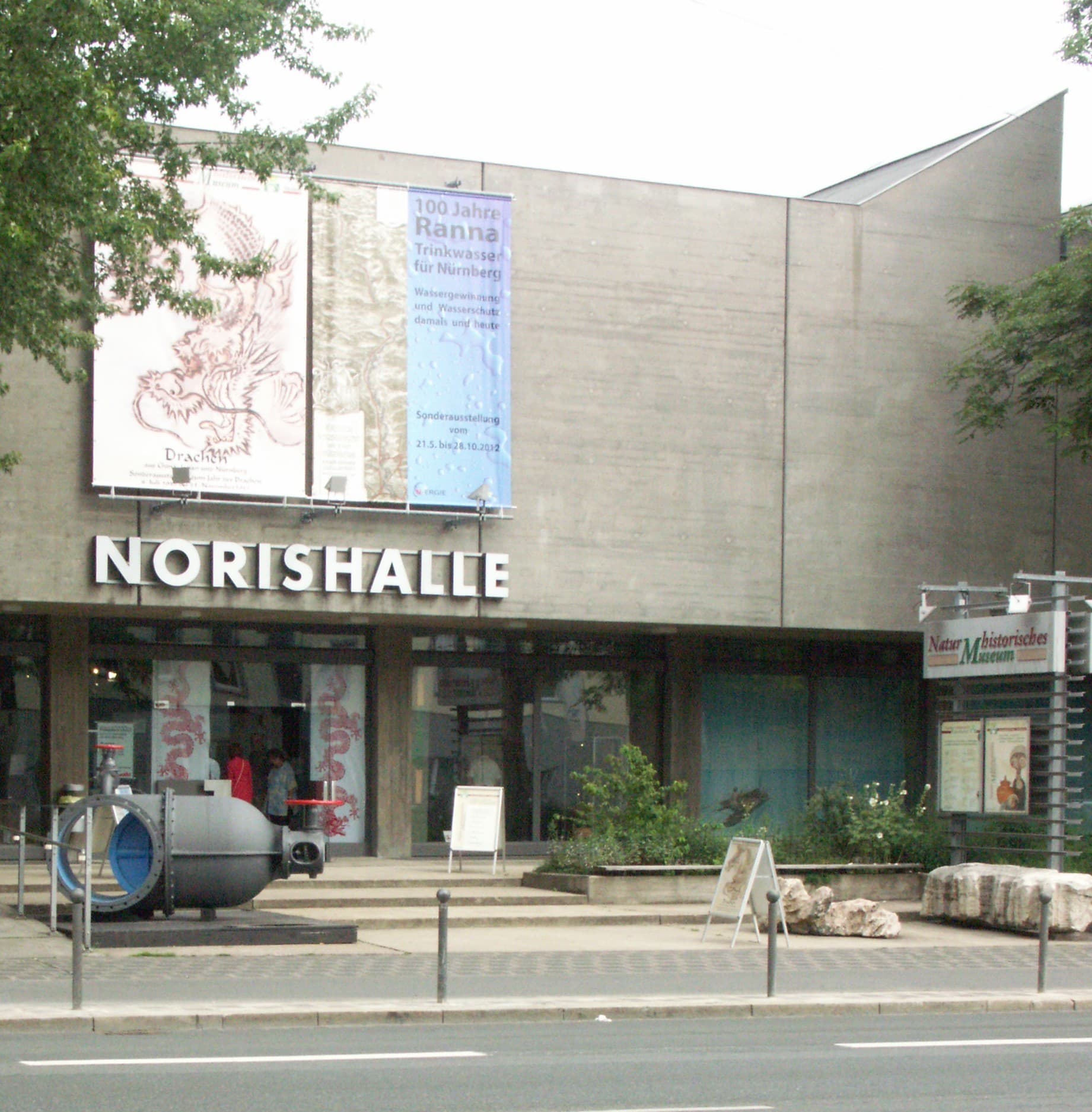 Natural History MuseumNuremberg's natural history museum is run by the Natural History Society founded1 minute walk4.4
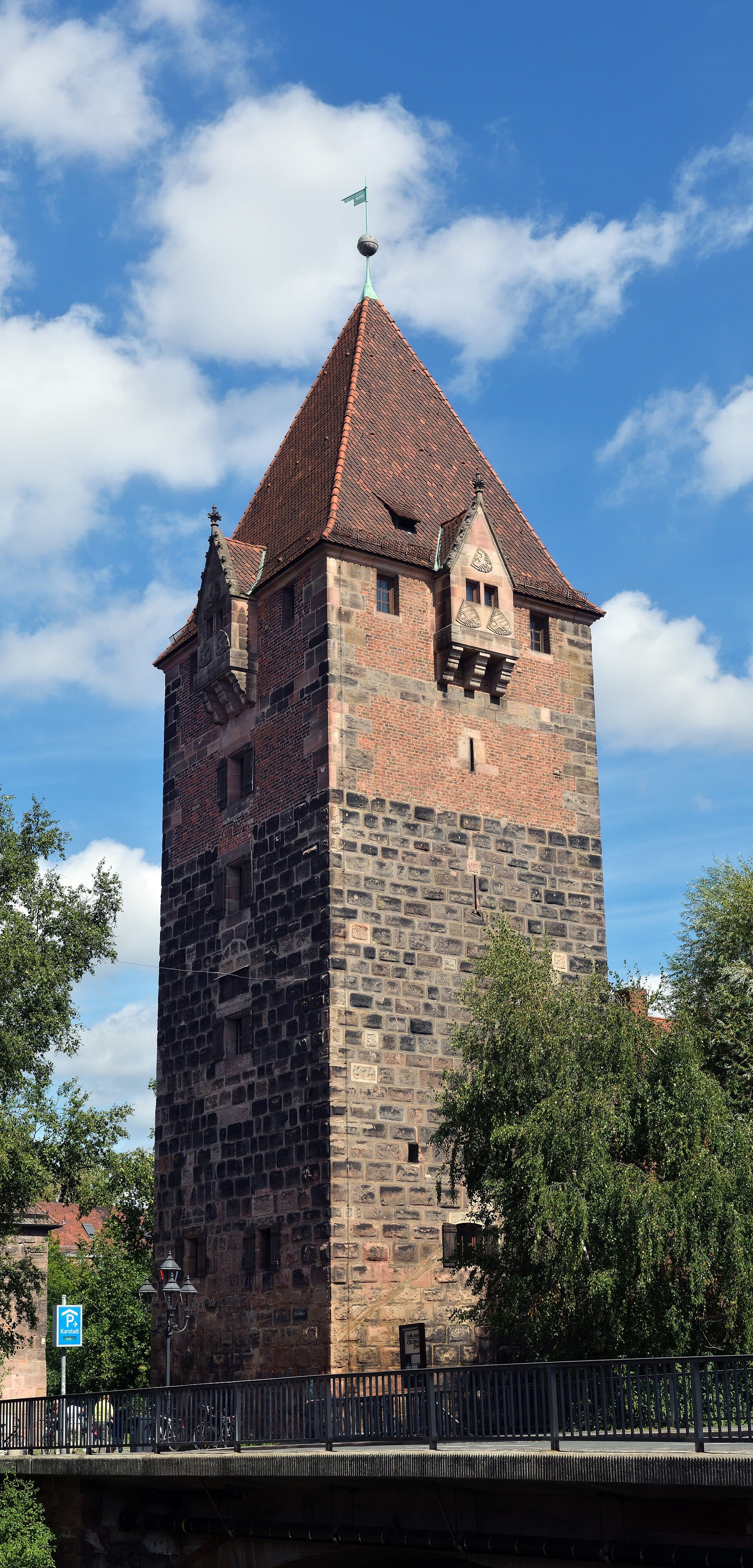 The Debtors' TowerThe Schuldturm is a square stone tower standing in the river Pegnitz inside Nure3 minutes walk4.6
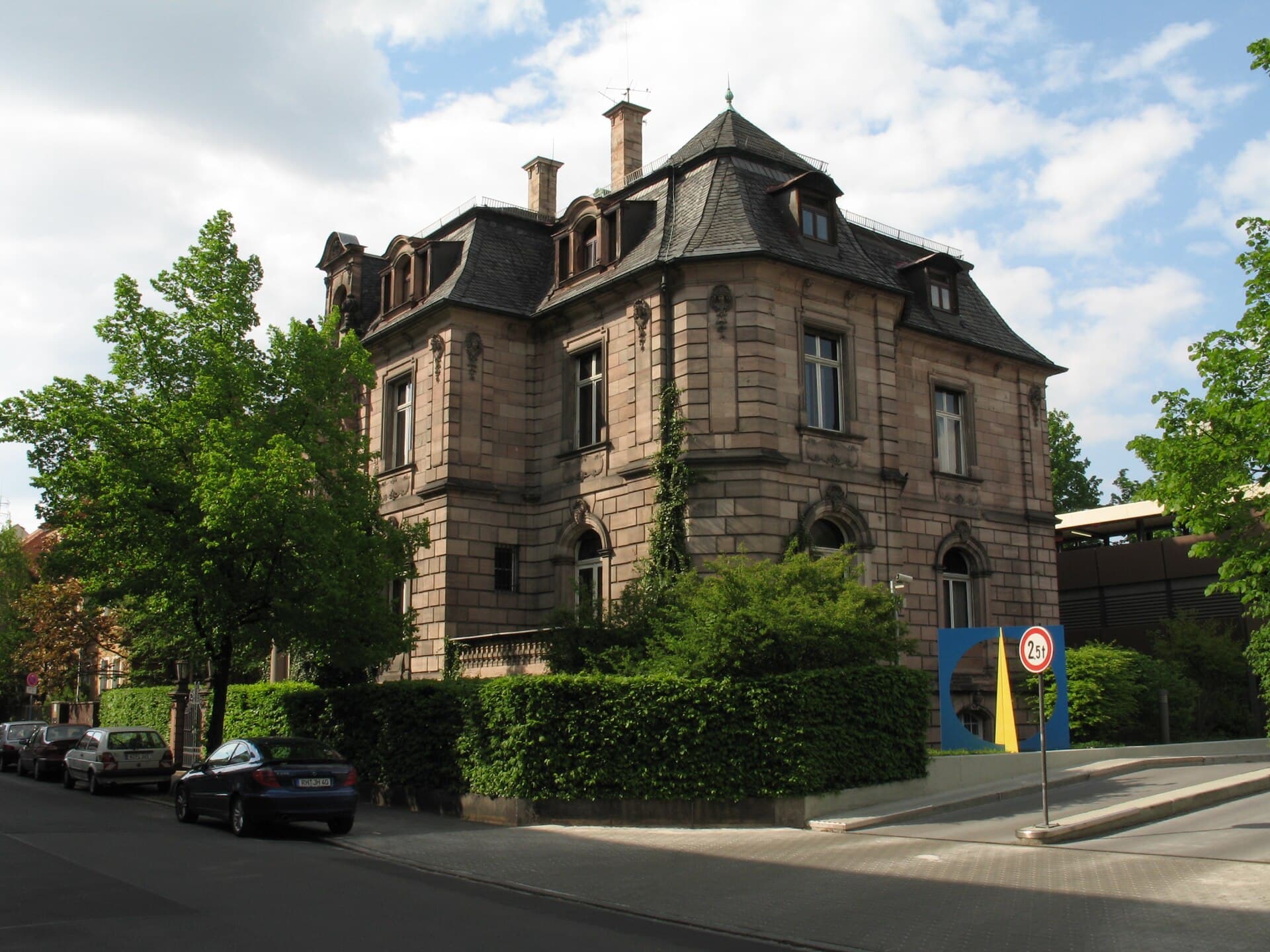 KunstvillaA municipal museum of regional art housed in a neo-baroque merchant's villa in t4 minutes walk4.4
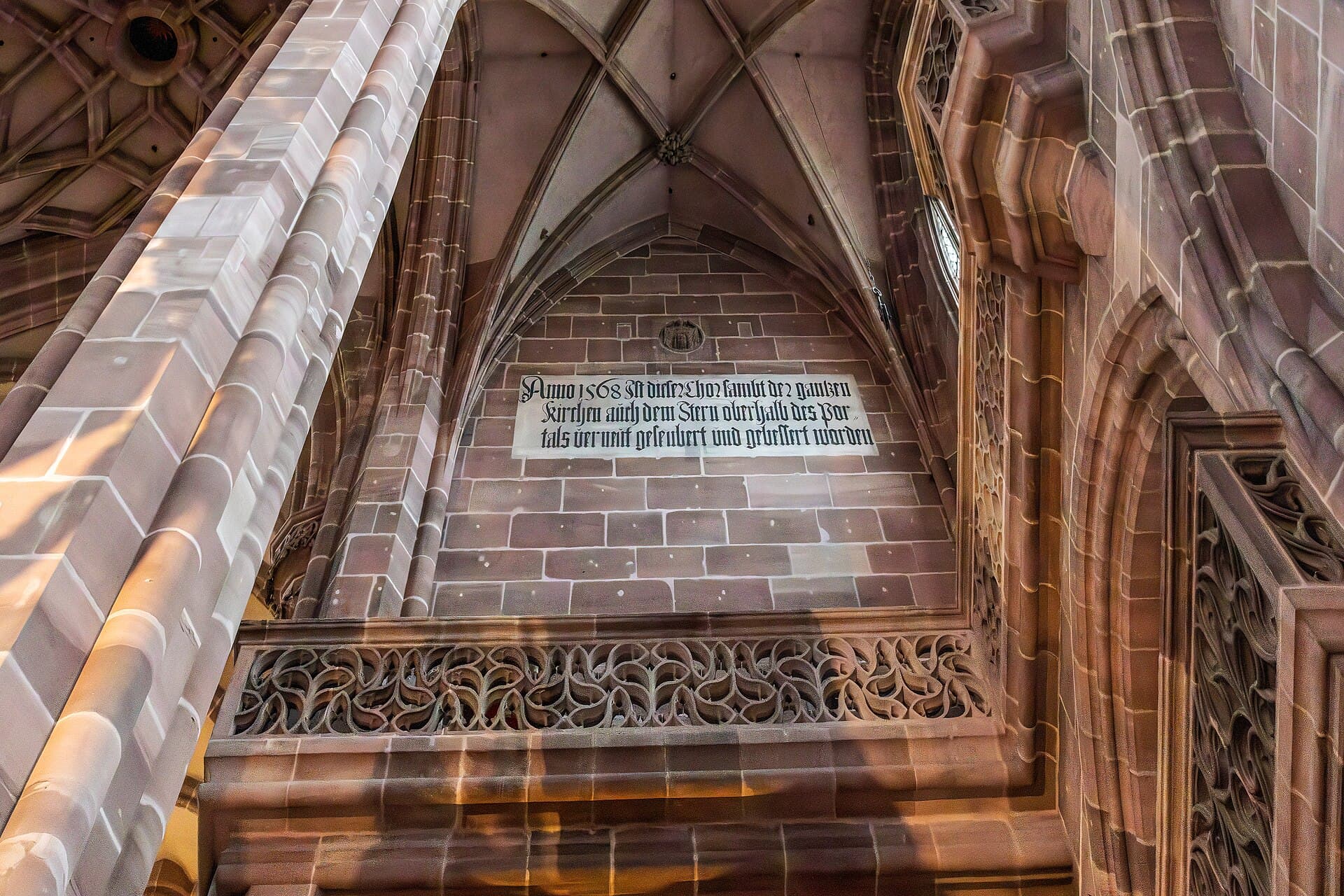 St Lorenz ChurchThe great church of the old town south of the river, its twin towers standing ei4 minutes walk4.6
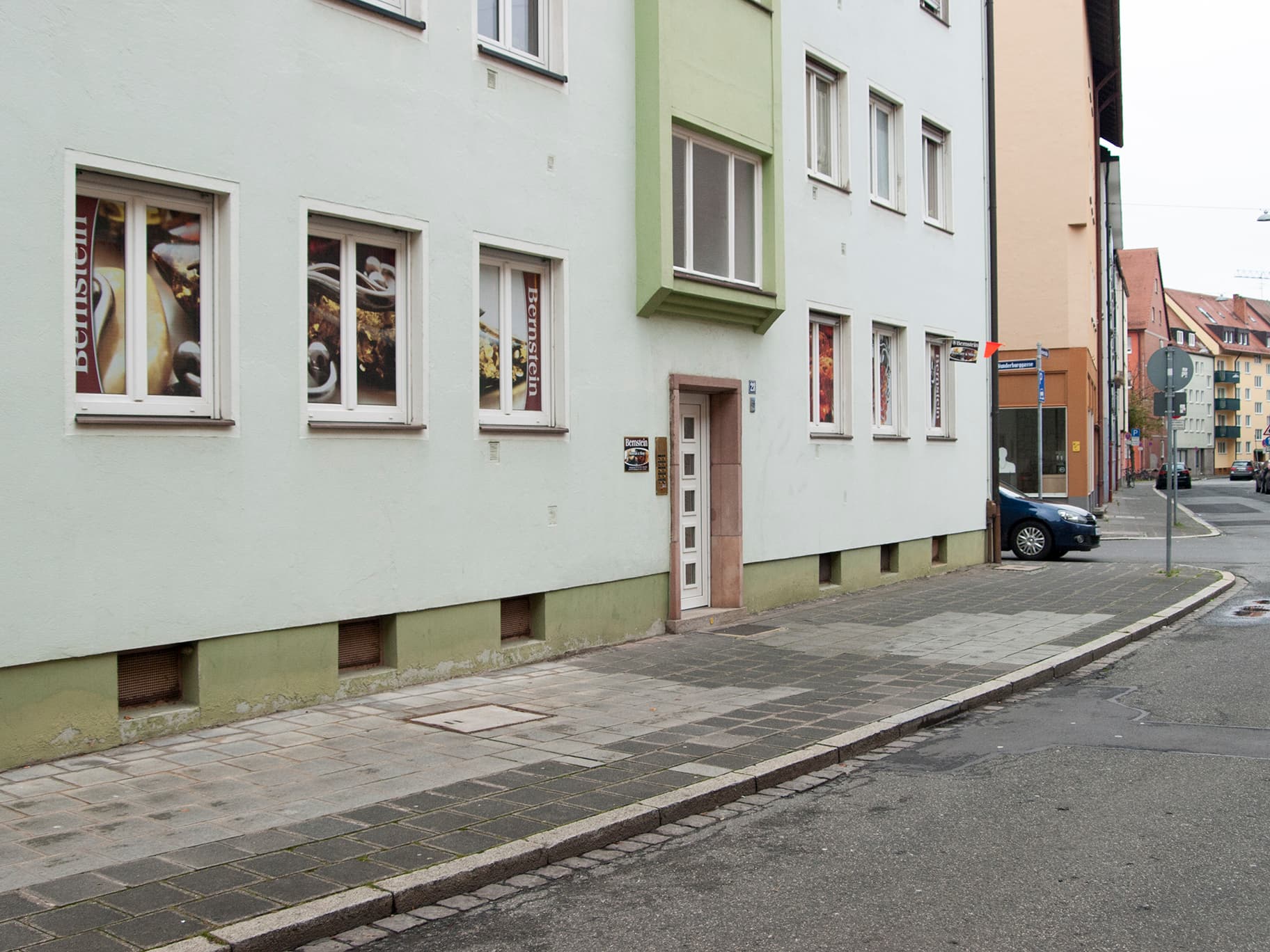 The Amber Museum, NurembergAn amber collection in Nuremberg attached to a commercial shop, showing pieces o4 minutes walk4.8
Because it was a free imperial city at the crossing of major trade routes, so capital and strong craft guilds accumulated there from the fourteenth century. It excelled particularly in fine metalwork: the first pocket watch was made here in the early sixteenth century, along with compasses, astrolabes and astronomical instruments. It later became Germany's toy manufacturing centre, and the international toy fair is still held there annually.