
The imperial classroom
Fixed benches, a slate board and Gothic script.
Jörg Blobelt — CC BY-SA 4.0 · Derbrauni — CC BY 4.0 · Derbrauni — CC BY 4.0 · Derbrauni — CC BY 4.0
The Dresden School Museum has a simple and effective idea: complete classrooms from different eras, preserved or reassembled with their furniture, boards, books and maps, which you enter and sit down in. The rooms cover the whole of Germany's transformations within a single century: an imperial classroom from the late nineteenth century with fixed wooden benches, a slate board and Gothic script; a room from the Nazi period with what was taught in it; and an East German room with portraits of the leaders and its "all-round" education. Moving between them in half an hour makes political change tangible in a way a book does not. This is a good example of a small museum doing one thing well: it does not explain the history of education in text but puts you in the pupil's place in each era. An association runs it with limited hours, and the captions are chiefly in German — but the rooms are understood by looking more than by reading.
Fixed benches, a slate board and Gothic script.
Leaders' portraits and the curriculum as taught.
Friedrichstadt, 01067 Dresden
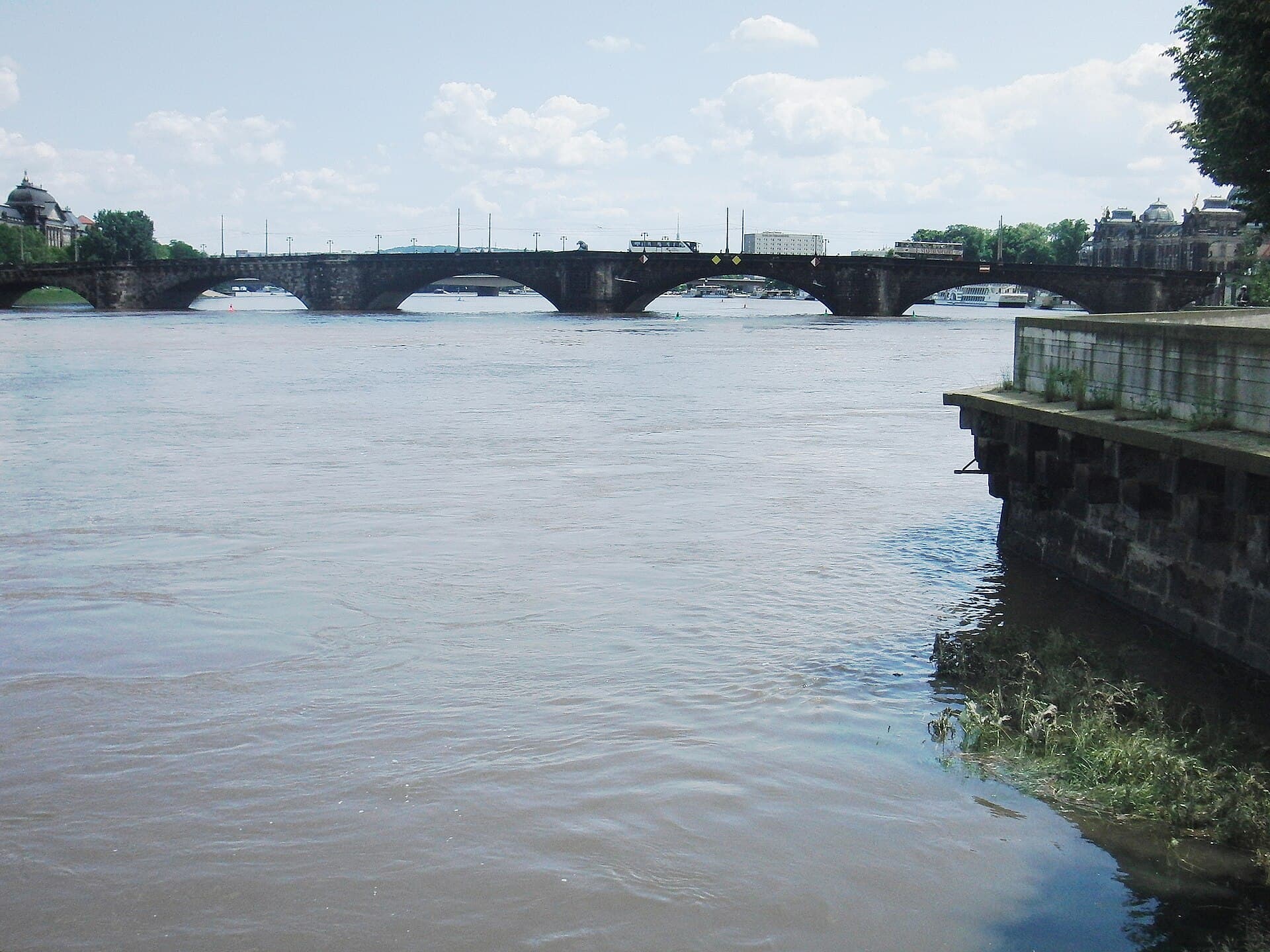 The Neue TerrasseA pedestrian street and group of buildings on Dresden's northern bank, within wh11 minutes walk4.9
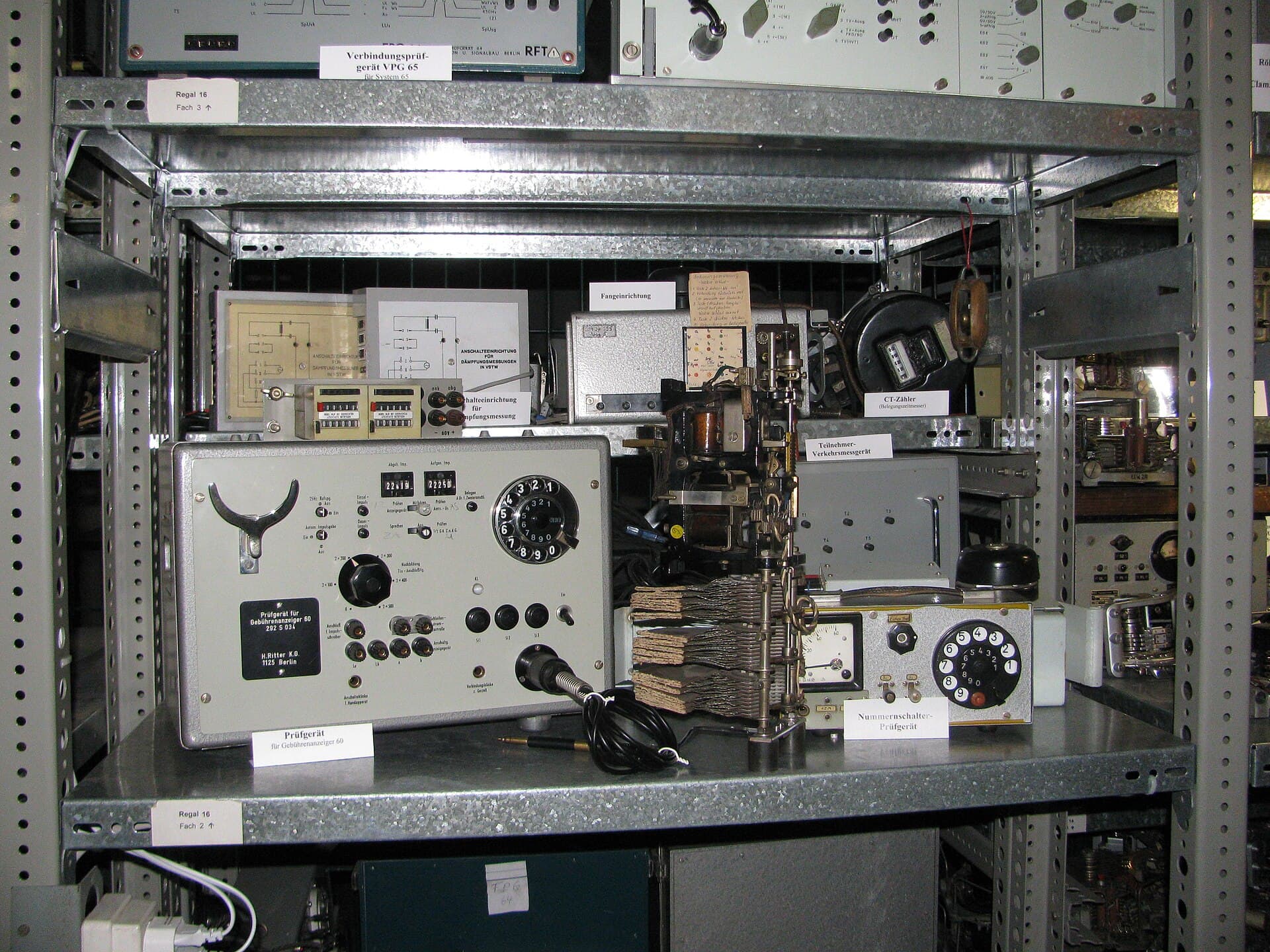 The Telecommunications MuseumDresden's telecommunications museum is a small technical museum on the history o12 minutes walk4.4
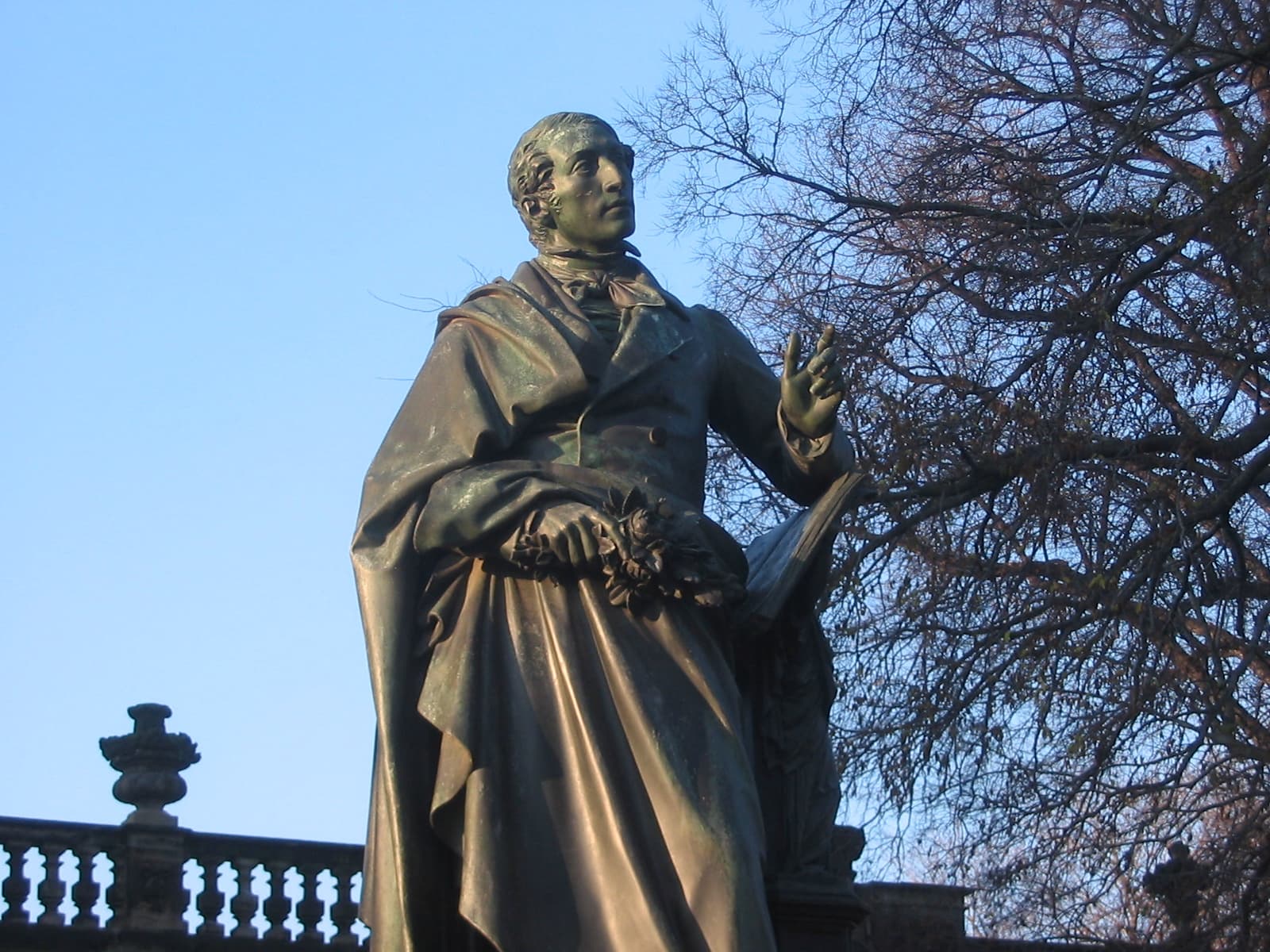 The Carl Maria von Weber MonumentA bronze statue in front of Dresden's Semper Opera House, to the composer Carl M12 minutes walk4.9
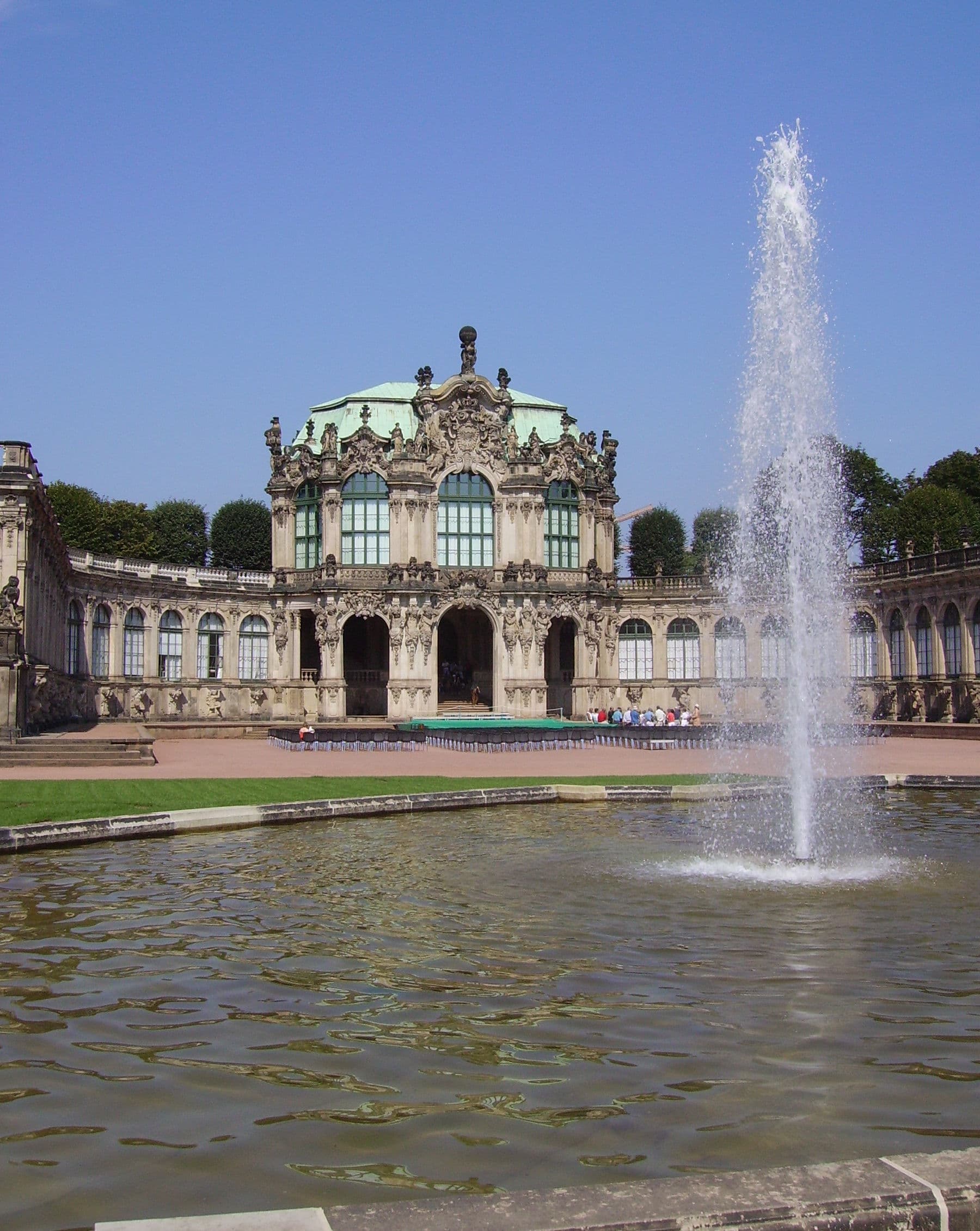 Zwinger PalaceThe Zwinger is Dresden's best-known building, a baroque complex put up between 112 minutes walk4.6
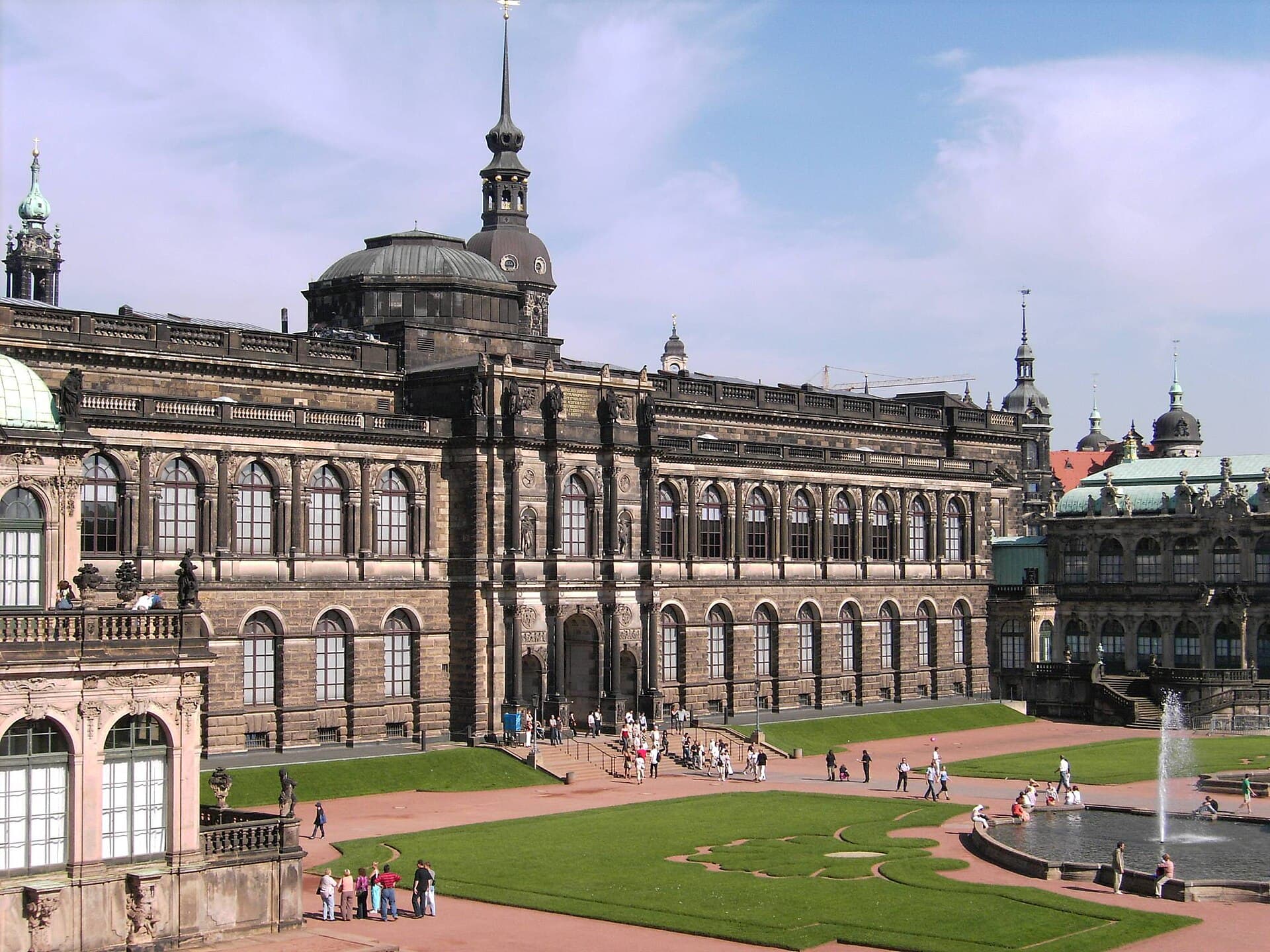 Old Masters Picture GalleryThe Old Masters Picture Gallery is one of Europe's most important painting colle13 minutes walk4.7
It suits school-age children particularly, because the comparison is direct and legible: they sit at a desk made for a child like them a hundred and thirty years ago, and see how writing was done and with what tools. Below about six the content is too abstract. The place is small and the visit short, so there is no risk of exhausting them.