
The earthwork
Archaeological layers reaching the thirteenth century.
Anjana Subasinghe — CC BY-SA 3.0 no · Leonhard Lenz — CC0 · Leonhard Lenz — CC0 · Leonhard Lenz — CC0
Skansen is an old earthwork on Tromsø's waterfront, and on it stands the oldest surviving building in the city — a timber house of about 1789, in a town that only received its city rights in 1794. The site is far older than the building: a medieval earth fort stood here guarding the anchorage, and beneath it are archaeological layers going back to the thirteenth century — so settlement here precedes the city itself by centuries. Excavations have found traces of buildings and objects from a period when Tromsø was a point of contact between Norwegians, the Sámi and Russian trade. The site has a twentieth-century chapter: from this quay Roald Amundsen's last expedition set out in 1928 in search of survivors from an Italian airship lost in the Arctic — and did not return. Skansen today is an open free space on the water, and a quiet point near the city centre.
Archaeological layers reaching the thirteenth century.
A quiet open space on the water near the centre.
Skansen, 9008 Tromsø
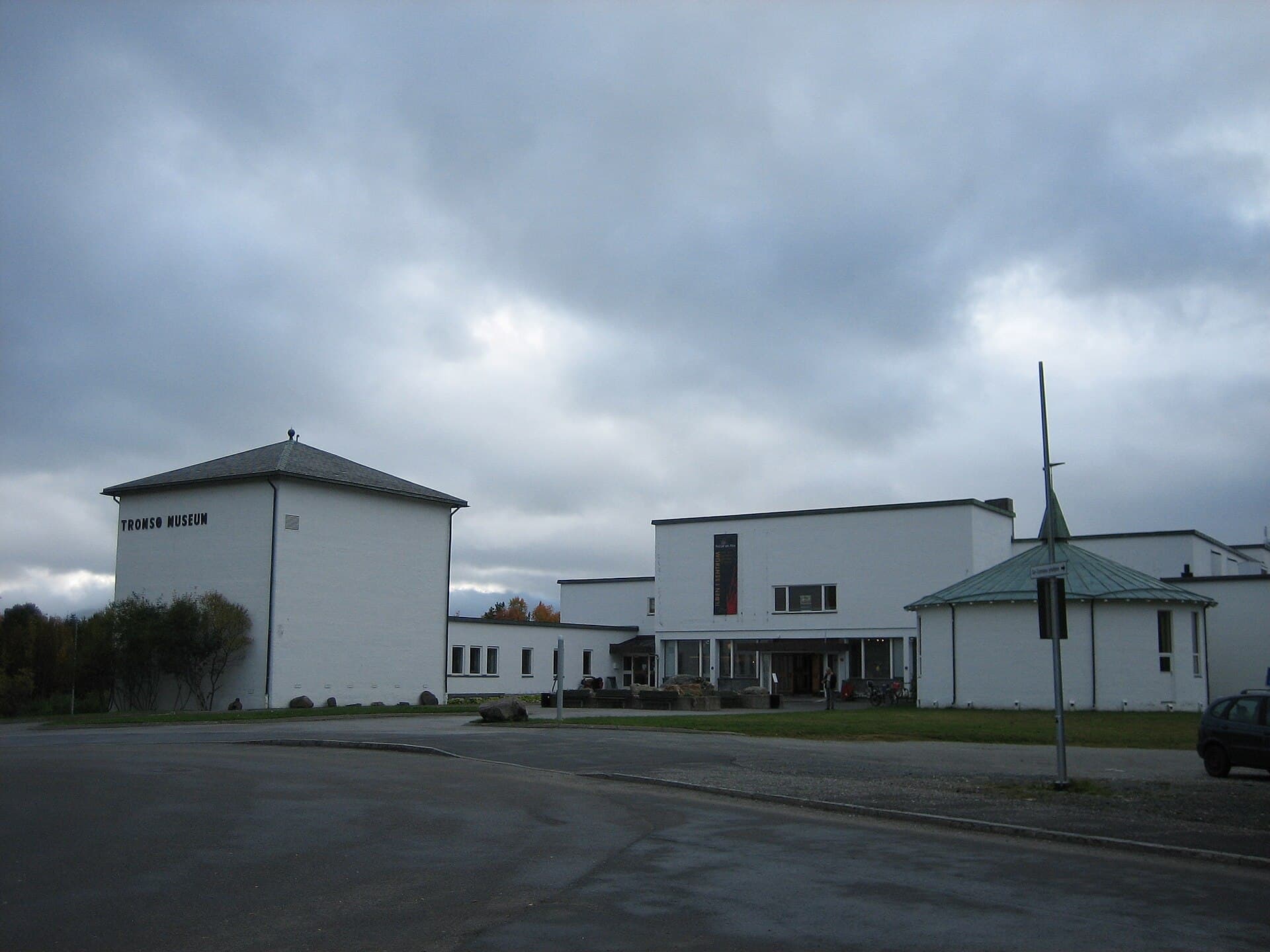 The Arctic University Museum of Natural History & CultureThe Arctic University Museum of Norway is the fullest window onto the Sámi peopl5 minutes walk4.6
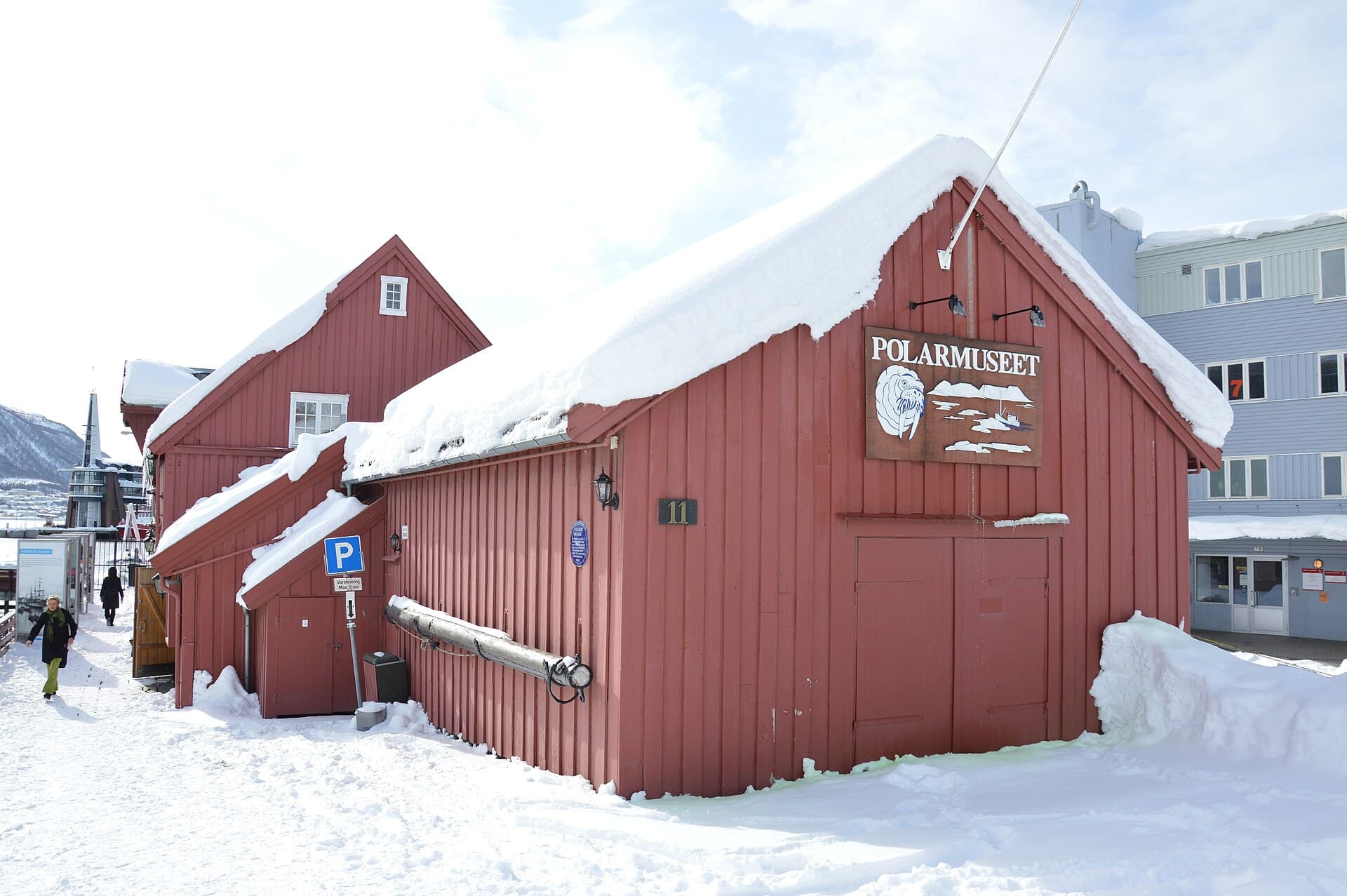 The Polar MuseumThe Polar Museum tells Tromsø's true heroic story: an old wooden customs warehou6 minutes walk4.5
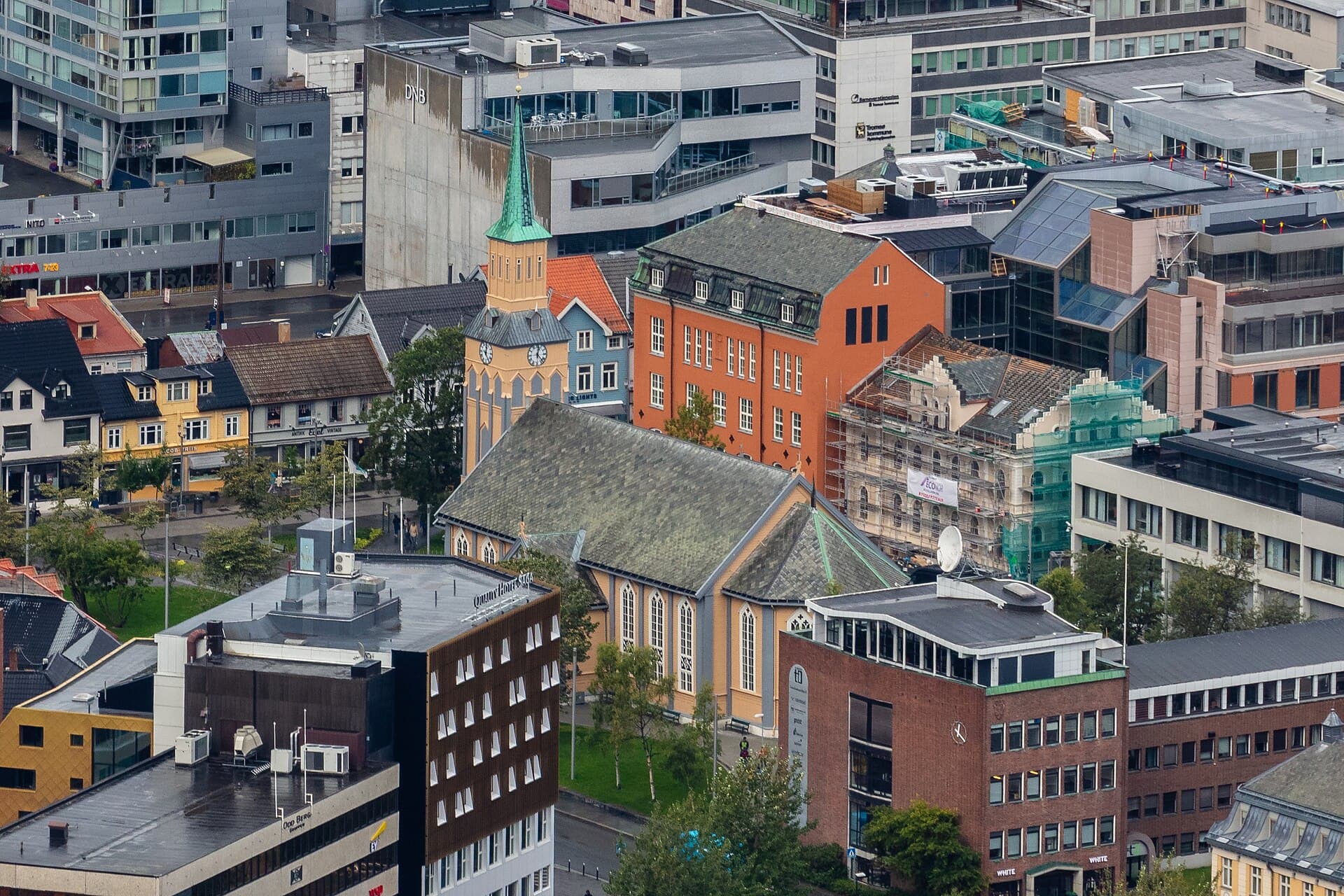 Tromsø's Wooden CathedralTromsø's wooden cathedral (1861) carries a unique global title: Norway's largest7 minutes walk4.6
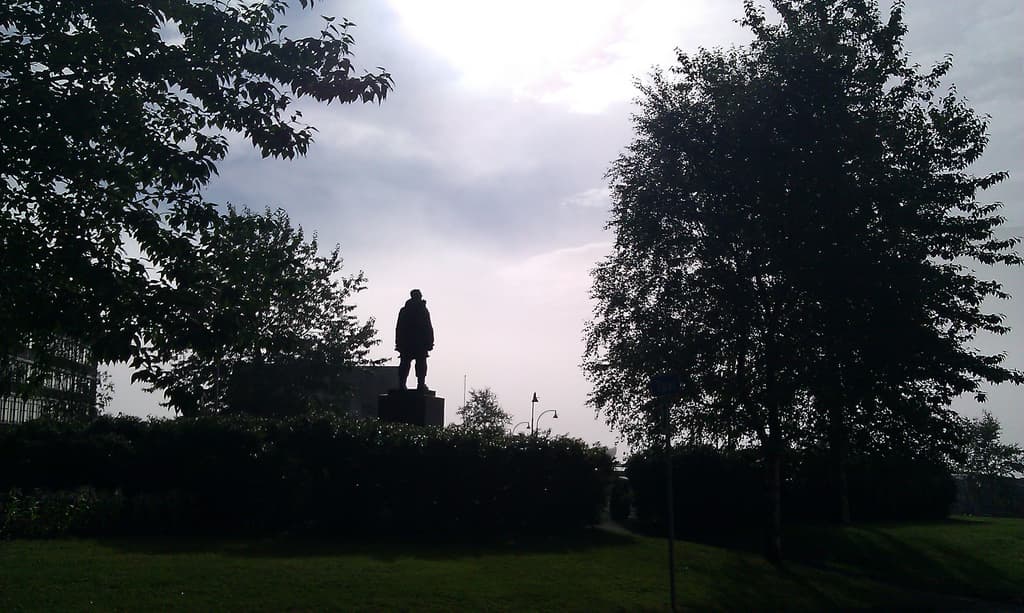 The Roald Amundsen MonumentAmundsen's bronze monument on Tromsø's harbour commemorates the last voyage of N7 minutes walk4.5
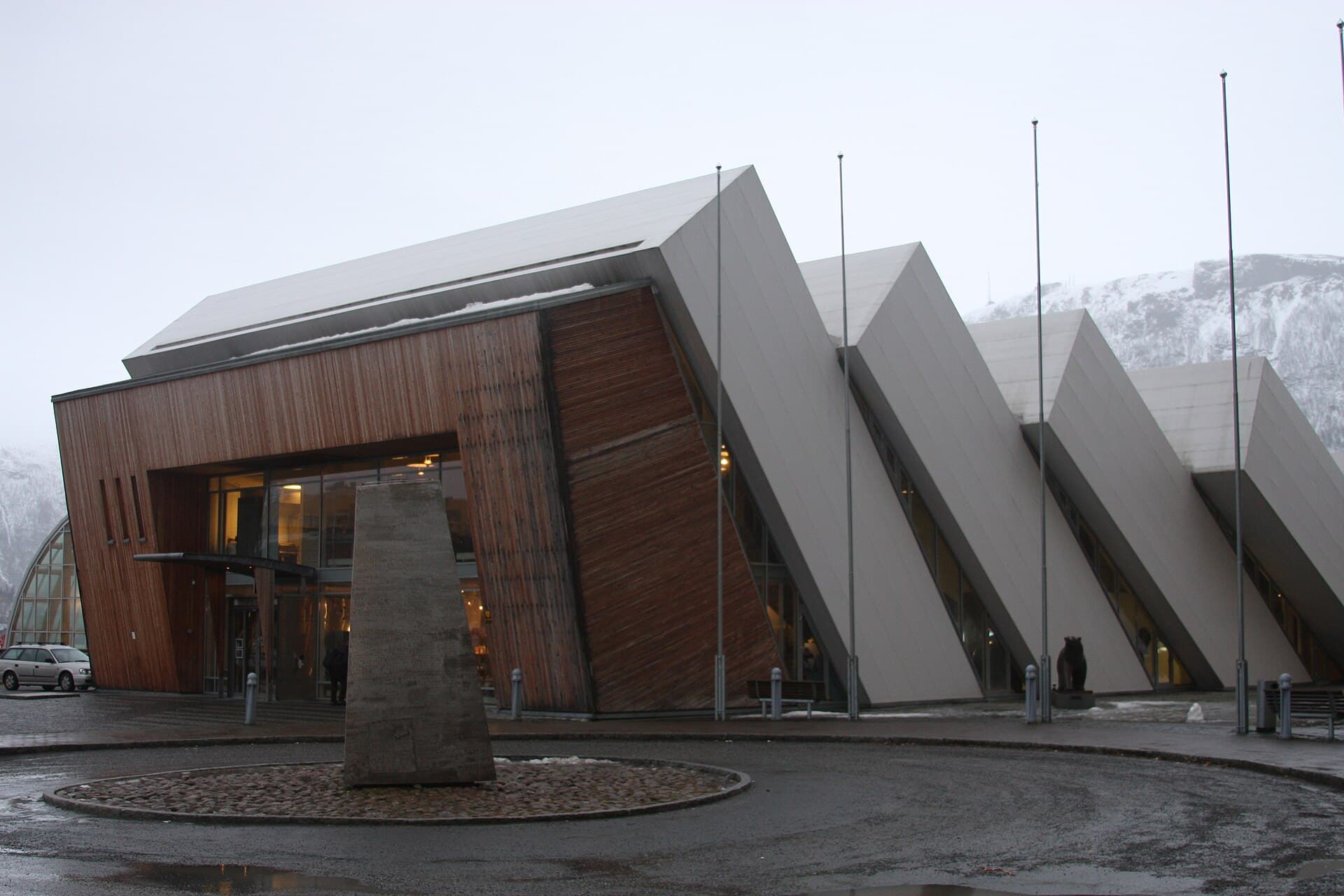 Polaria — the Arctic Experience CentrePolaria is Tromsø's modern face to the frozen ocean: a futuristic building (19989 minutes walk3.9
Roald Amundsen was the first to reach the South Pole in 1911 and Norway's most famous explorer. In June 1928 he took off from Tromsø in a French flying boat to search for the Italian Umberto Nobile and the crew of his airship Italia, which had crashed in the Arctic — despite a personal quarrel between them. His aircraft vanished over the Barents Sea and neither it nor anyone aboard was ever found. Nobile himself was rescued later. The irony is that Amundsen died attempting to rescue a man he had fallen out with.