
Dungeon of the nations
Europe's revolutionaries behind these shackles — cellars as they were.
Michal Kmínek — CC BY-SA 3.0 · Paul Korecky — CC BY-SA 2.0 · TomasHrdlickaFoto — CC BY-SA 4.0 · Scotch Mist — CC BY-SA 4.0
Brno's crown and its historic dread at once: the thirteenth-century castle on its mid-city hill became a Baroque fortress, then the empire's most feared prison — the 'dungeon of the nations' that held Europe's revolutionaries: the labyrinthine casemate cellars with their shackles and dark cells walk as they were, the country's most affecting experience of the kind. Above the cellars the tale flips to palace: the Brno City Museum's wings — Renaissance Brno, a modern art hall, and the prison's history in its inmates' papers (the Italian poet Silvio Pellico most famous: his memoirs from here shook Europe) — and the lookout tower spreads the city from cathedral to the karst in the north. The hill itself is the city's beloved park: shaded paths and picnic slopes Brno climbs at evening — a castle living its city, not lording it: summers of festivals and open-air cinema in the yard.
Europe's revolutionaries behind these shackles — cellars as they were.
'My Prisons', written here, shook the continent's conscience.
All Brno to the northern karst.
Špilberk 210/1, 662 24 Brno
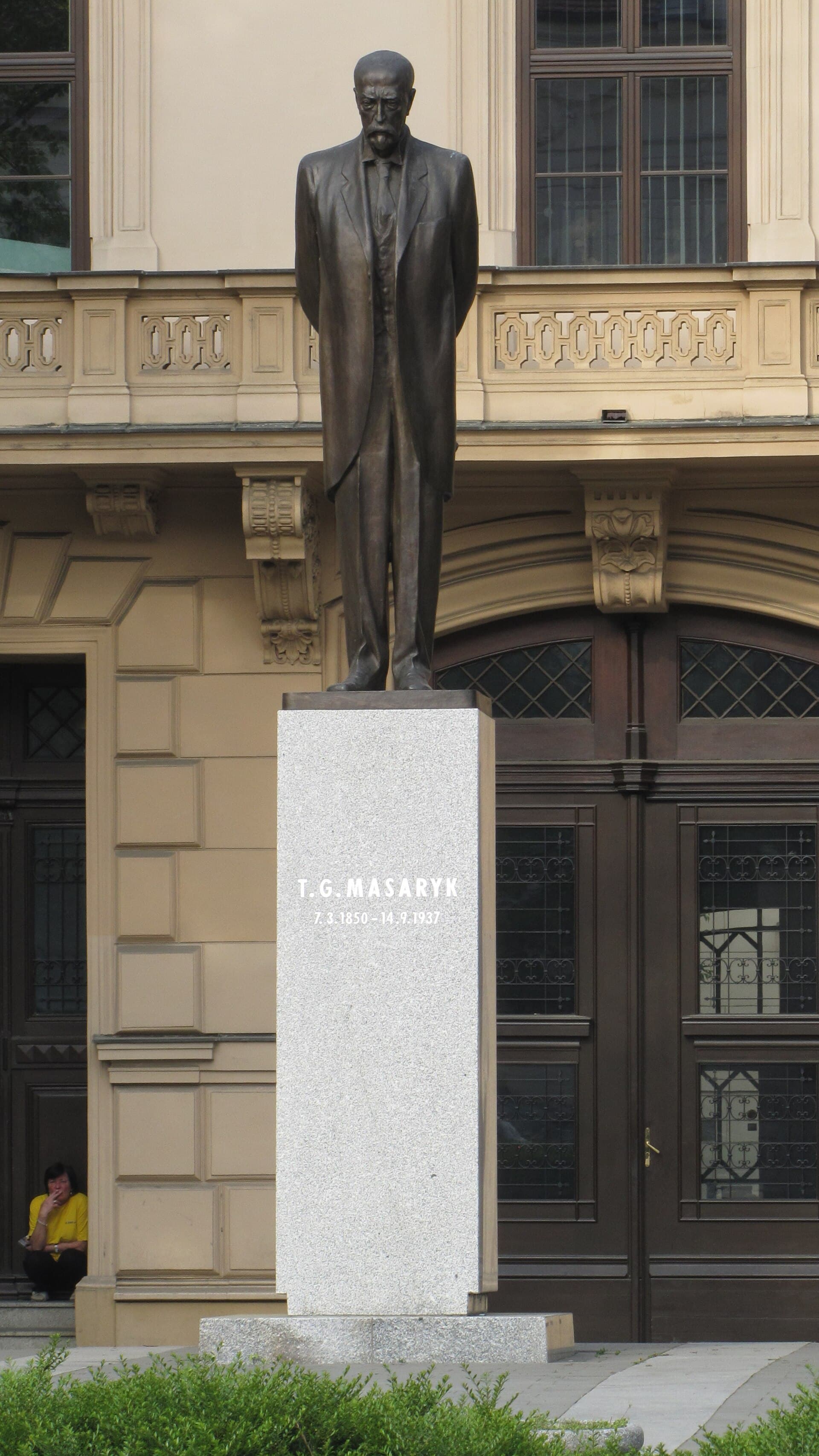 Statue of Tomáš Garrigue MasarykA statue of Tomáš Garrigue Masaryk, the first president of Czechoslovakia, in ce5 minutes walk4.7
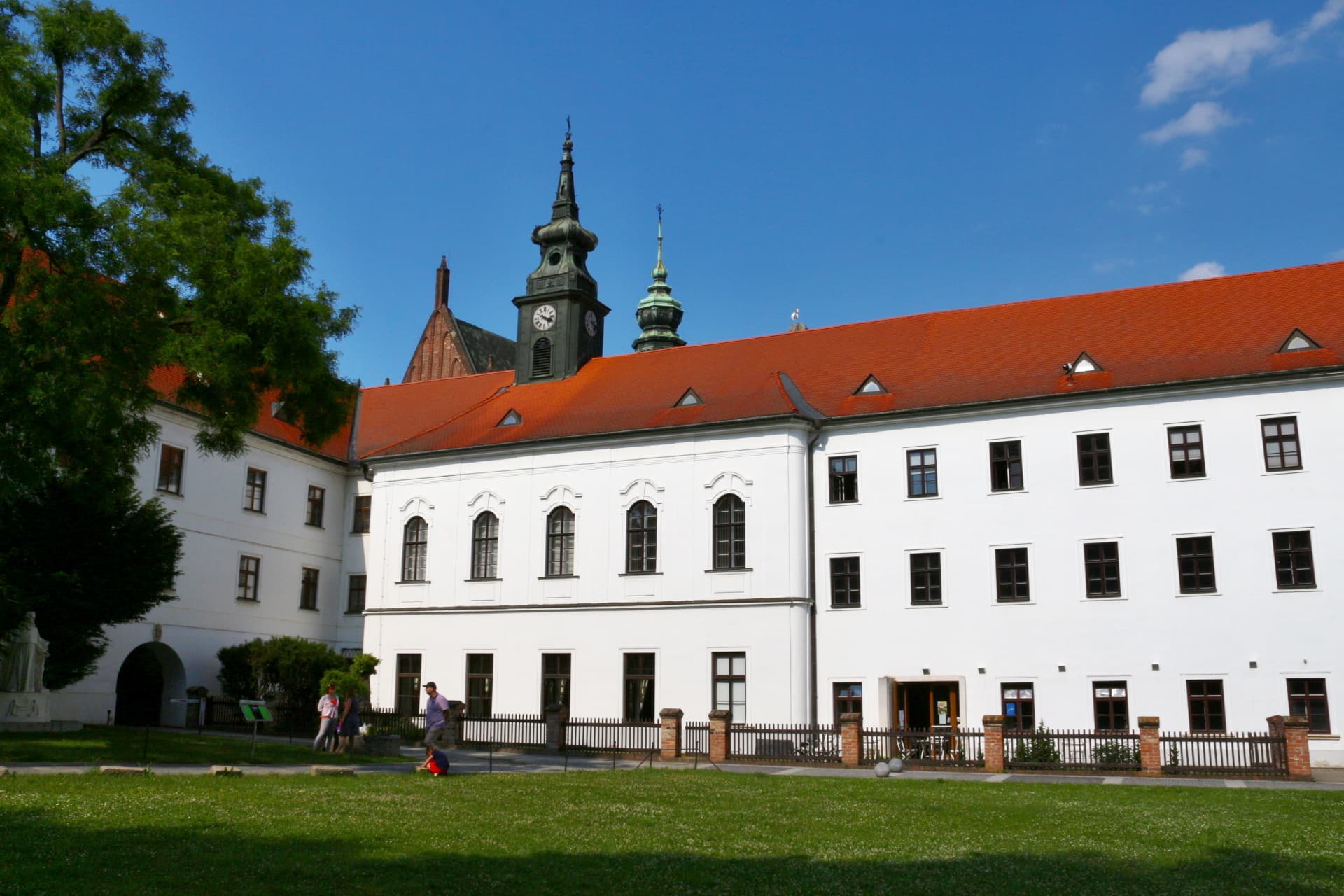 The Museum of the Old Brno AbbeyA museum inside the Augustinian Abbey of St Thomas in the Old Brno district — th6 minutes walk4.9
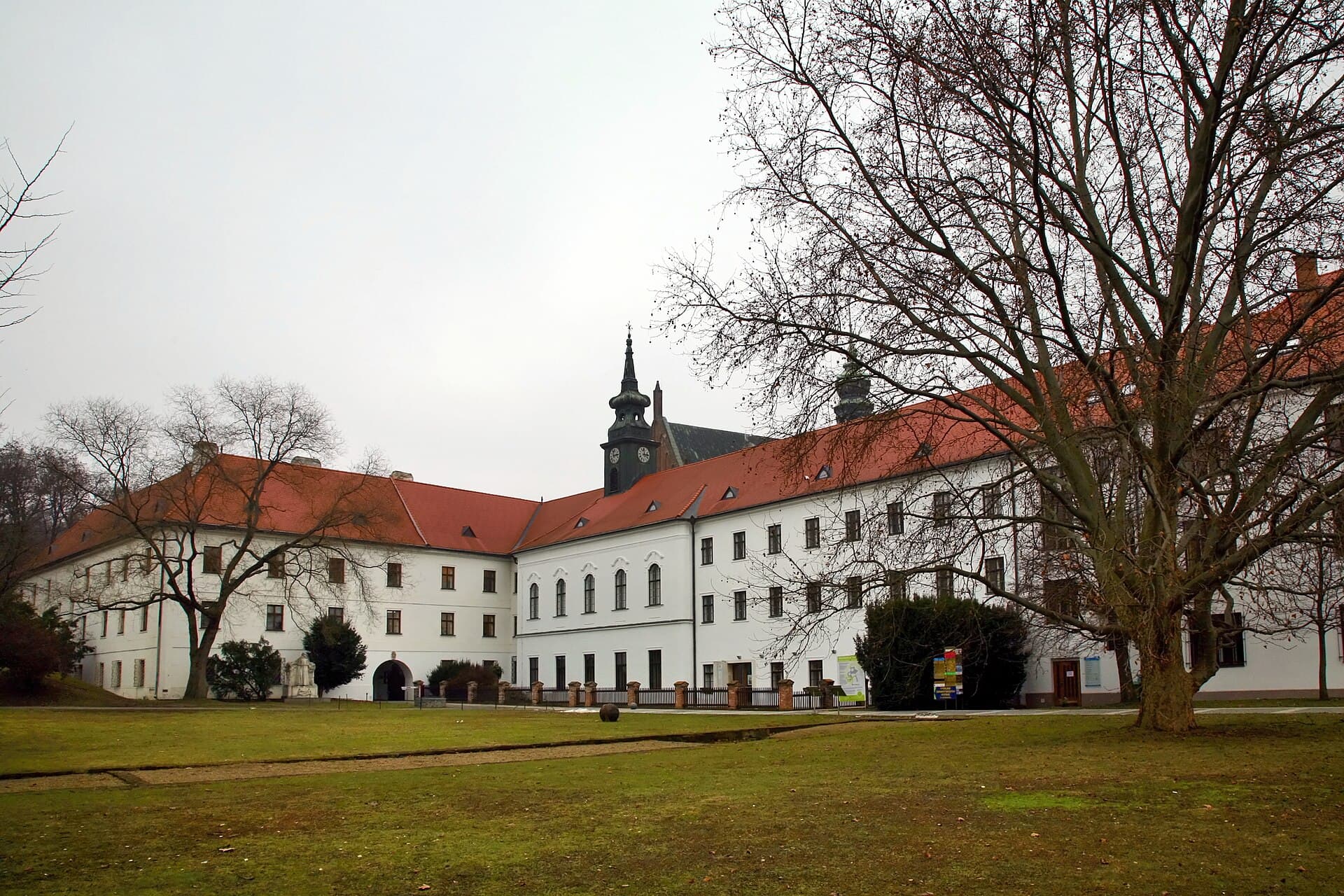 Mendel MuseumA museum in an Augustinian abbey in Brno, and the place where genetics was born.7 minutes walk4.4
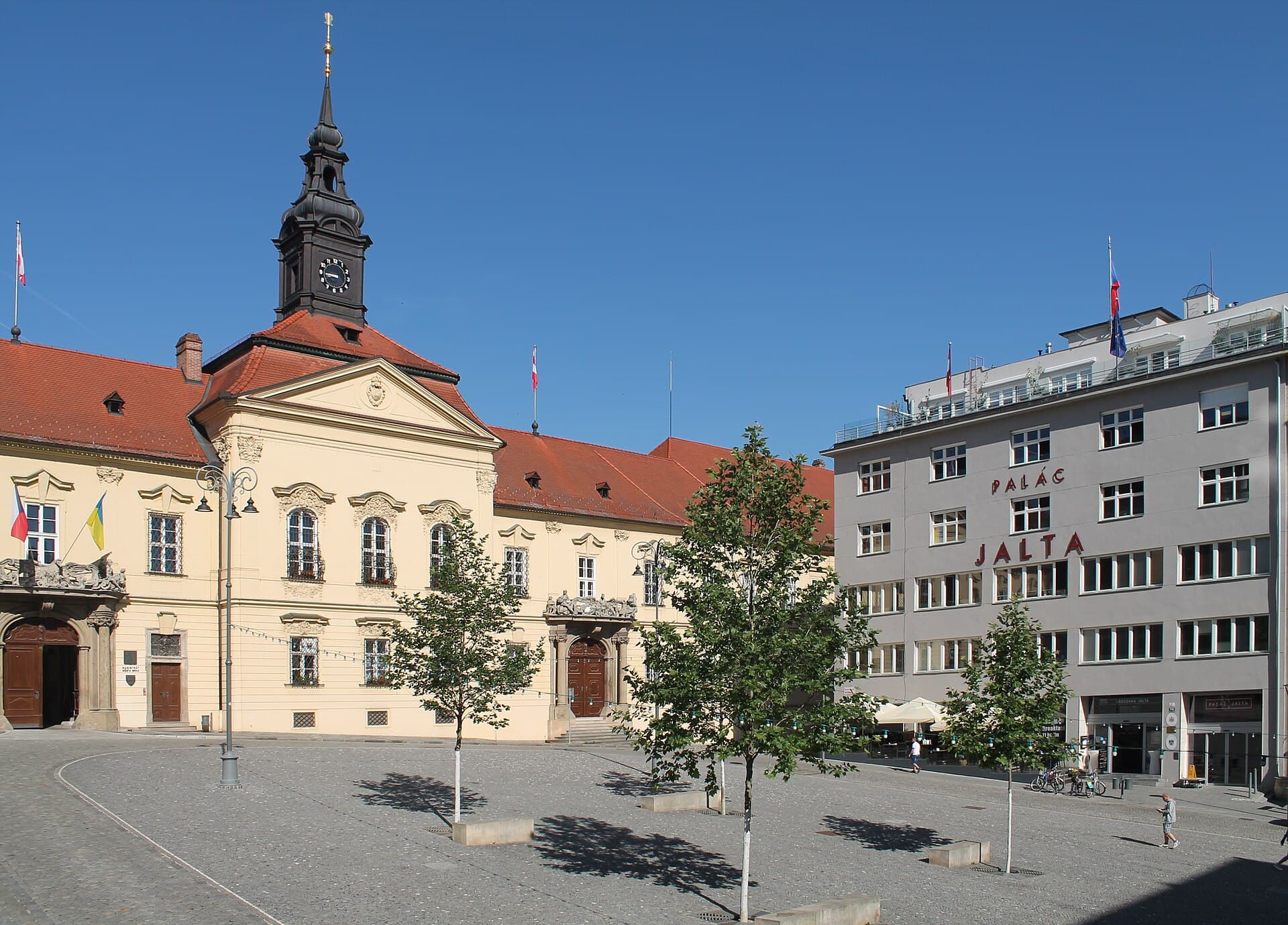 Dominican SquareA square in old central Brno holding the New Town Hall, the Dominican monastery 7 minutes walk4.8
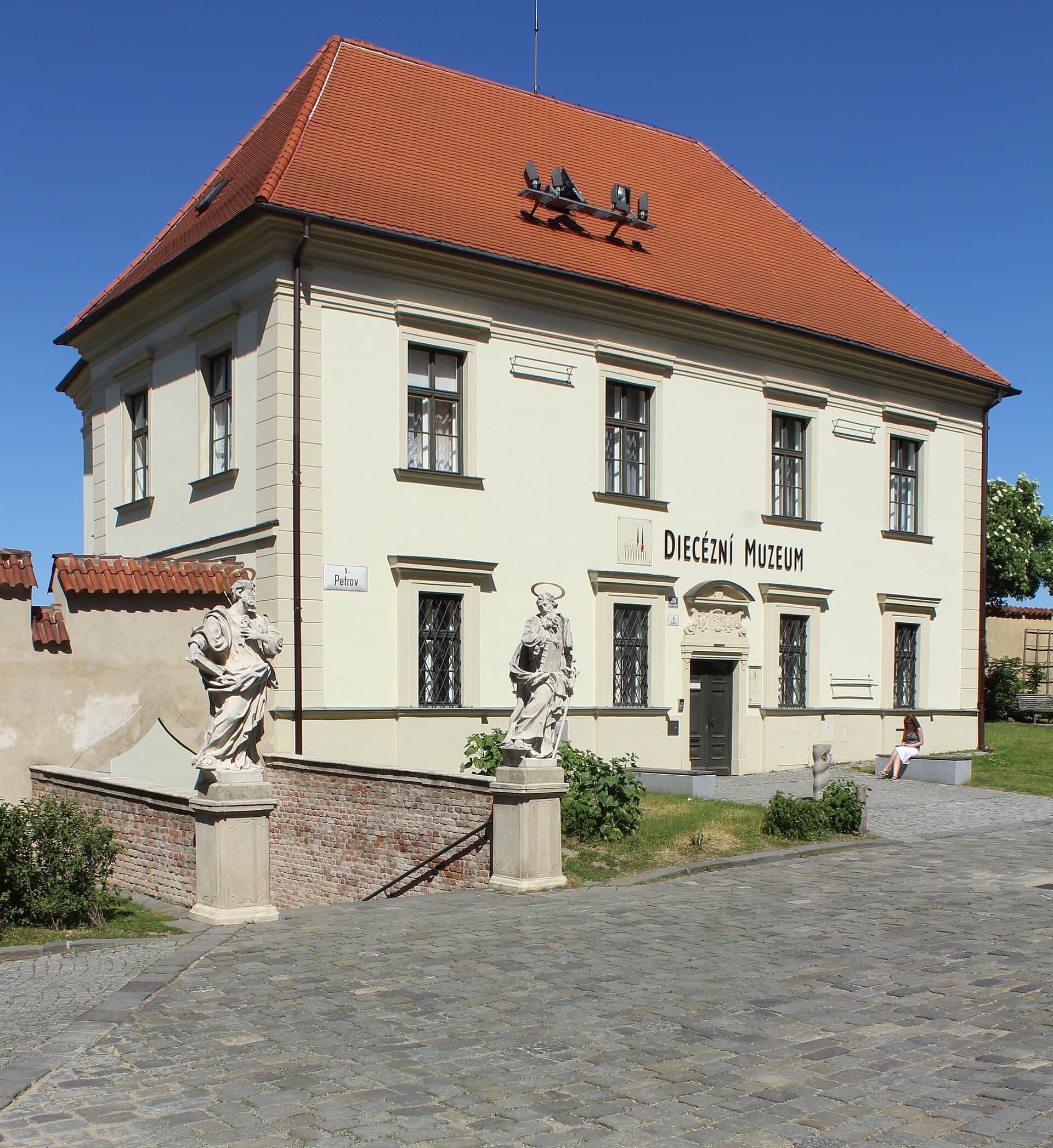 Diocesan Museum, BrnoThe sacred art museum of the Brno diocese, on Petrov hill beside the cathedral t9 minutes walk4.5
Cold dim stone galleries with jailer mannequins and shackles — no explicit gore, the dread atmospheric not pictorial: most over-eights take it with curiosity. The narrowness is real for tunnel-averse visitors — the ready alternative: palace wings and tower above, all light and art.
Geography and reputation: an inland fortress far from escape borders, cellars built for stores finding their darkest use — until it became a byword of fear: 'sent to Špilberk' was its own Austrian terror phrase. Joseph II closed it in reform, revolutions refilled it — freed in 1855, the dread surviving as tourism.