
A philosophy professor turned president
He persuaded the Allies to found a state from Austria-Hungary's wreckage.
Radek Linner — CC BY-SA 3.0 · Ben Skála, Benfoto — CC BY-SA 3.0 · Ben Skála, Benfoto — CC BY-SA 3.0 · Ben Skála, Benfoto — CC BY-SA 3.0
A statue of Tomáš Garrigue Masaryk, the first president of Czechoslovakia, in central Brno. Masaryk is a founding figure in the literal sense. He was a professor of philosophy before politics, and during the First World War led a diplomatic campaign in western Europe and America to persuade the Allies to establish an independent Czechoslovak state from the wreckage of Austria-Hungary. The campaign succeeded, the state was founded in 1918, and he was elected president and served until 1935. His statues have a particular history that explains the country's. Dozens were raised in the 1920s and 1930s, then almost all were removed twice: first under Nazi occupation, then again after the communist coup of 1948, because Masaryk stood for the parliamentary democracy that had been ended. Many statues were hidden in cellars and on farms, and put back after 1989. A statue of Masaryk is therefore not decoration but a marker that this place went through three regimes and came out the other side. Practical points: always open and free, with a visit of minutes.
He persuaded the Allies to found a state from Austria-Hungary's wreckage.
His statues were concealed on farms and in cellars through the communist era.
The statue's presence means this place passed through three regimes and returned.
Central Brno
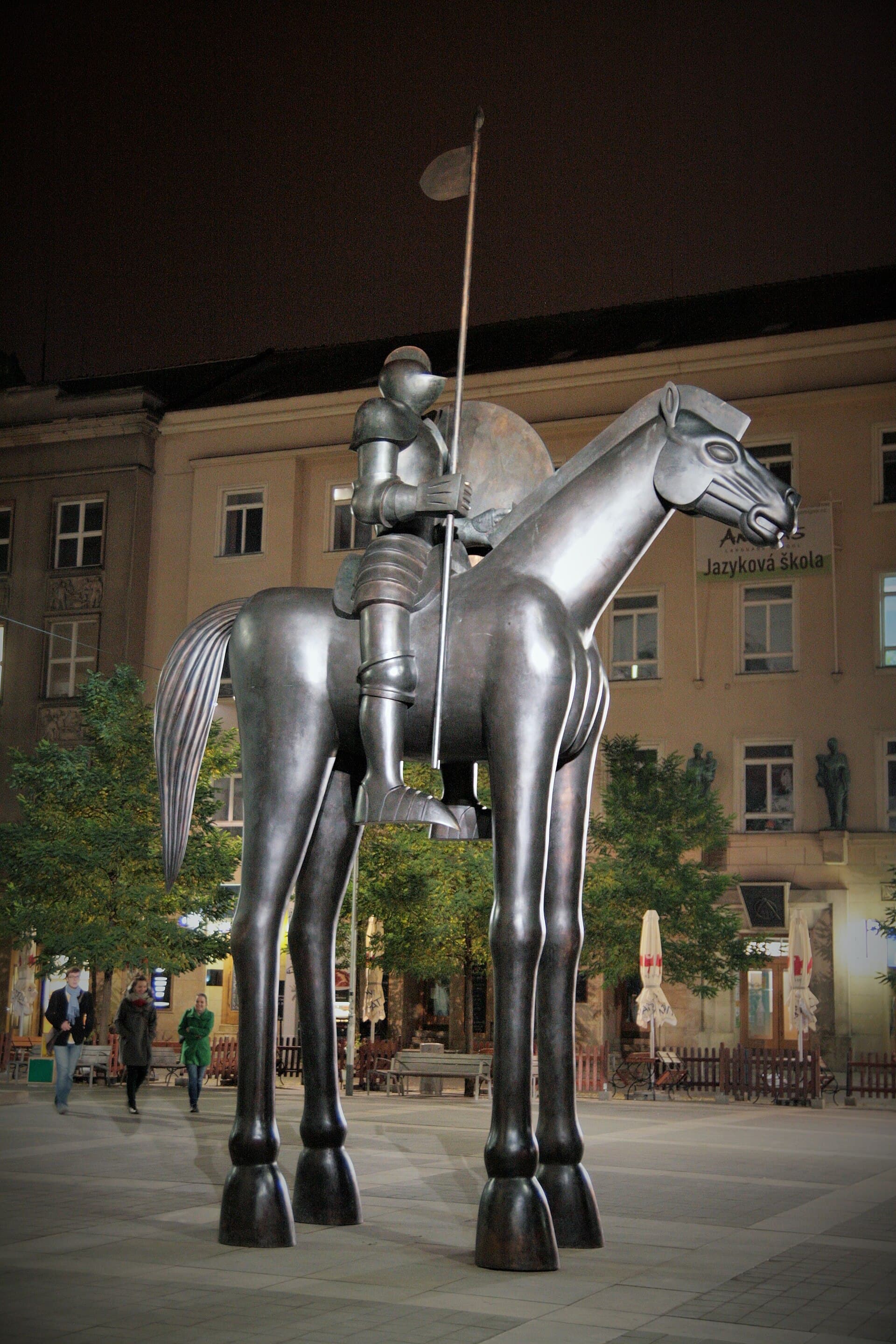 Courage — the Statue of Jobst of LuxembourgAn equestrian statue on Moravian Square in Brno, unveiled in 2015, depicting Job4 minutes walk4.6
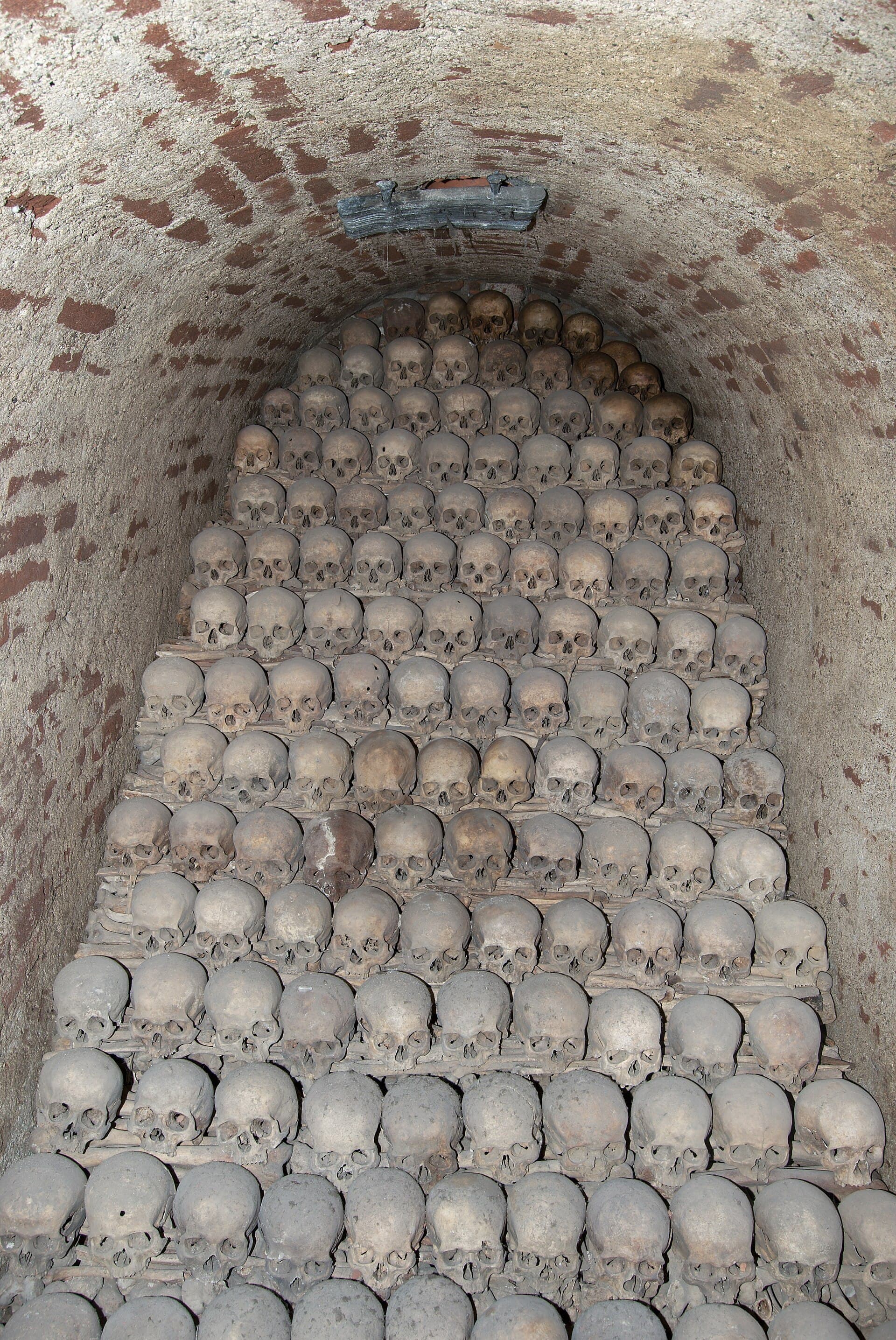 The Brno OssuaryDirectly beneath James Square sleep fifty thousand: Europe's second-largest ossu5 minutes walk4.4
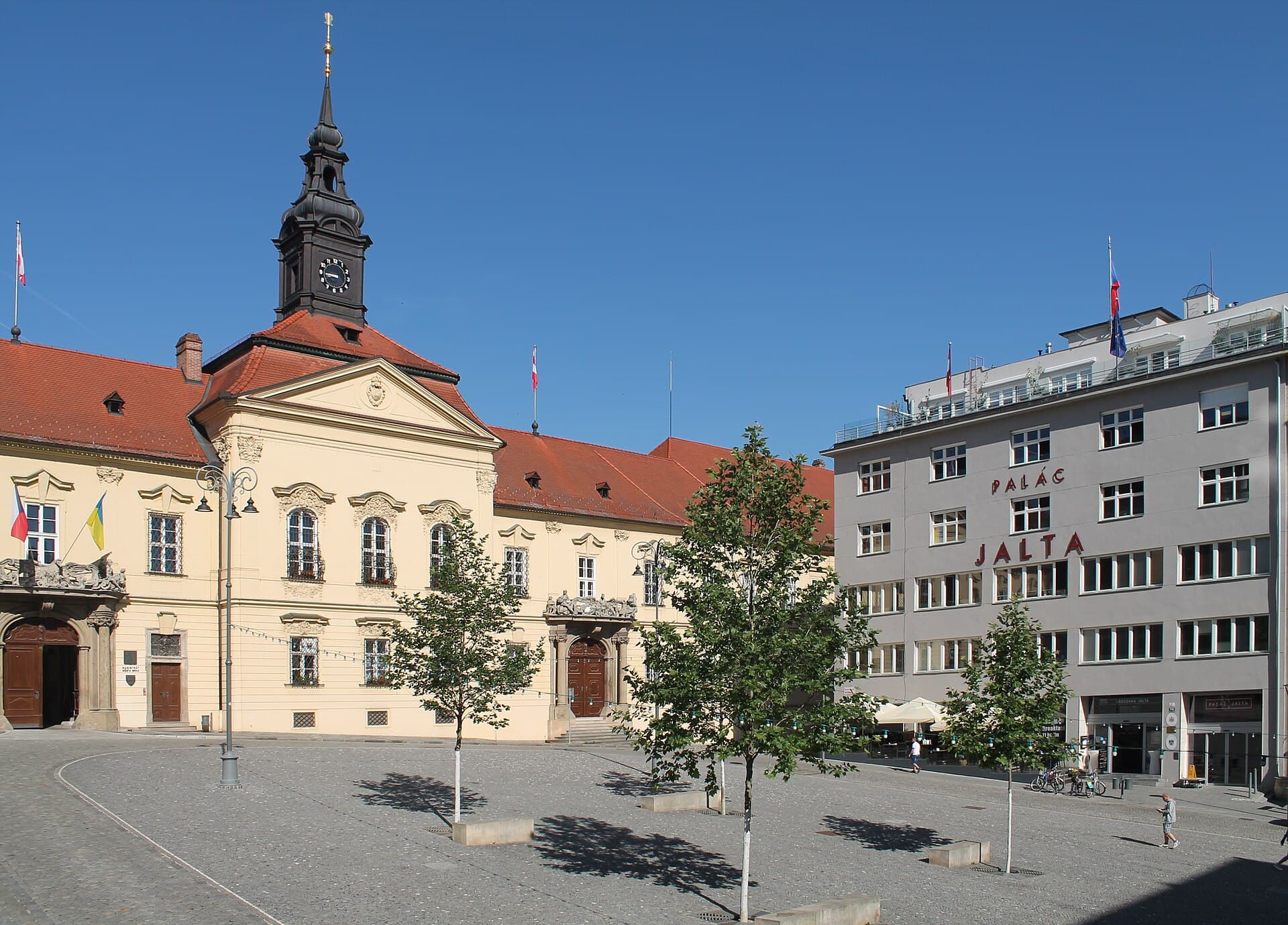 Dominican SquareA square in old central Brno holding the New Town Hall, the Dominican monastery 5 minutes walk4.8
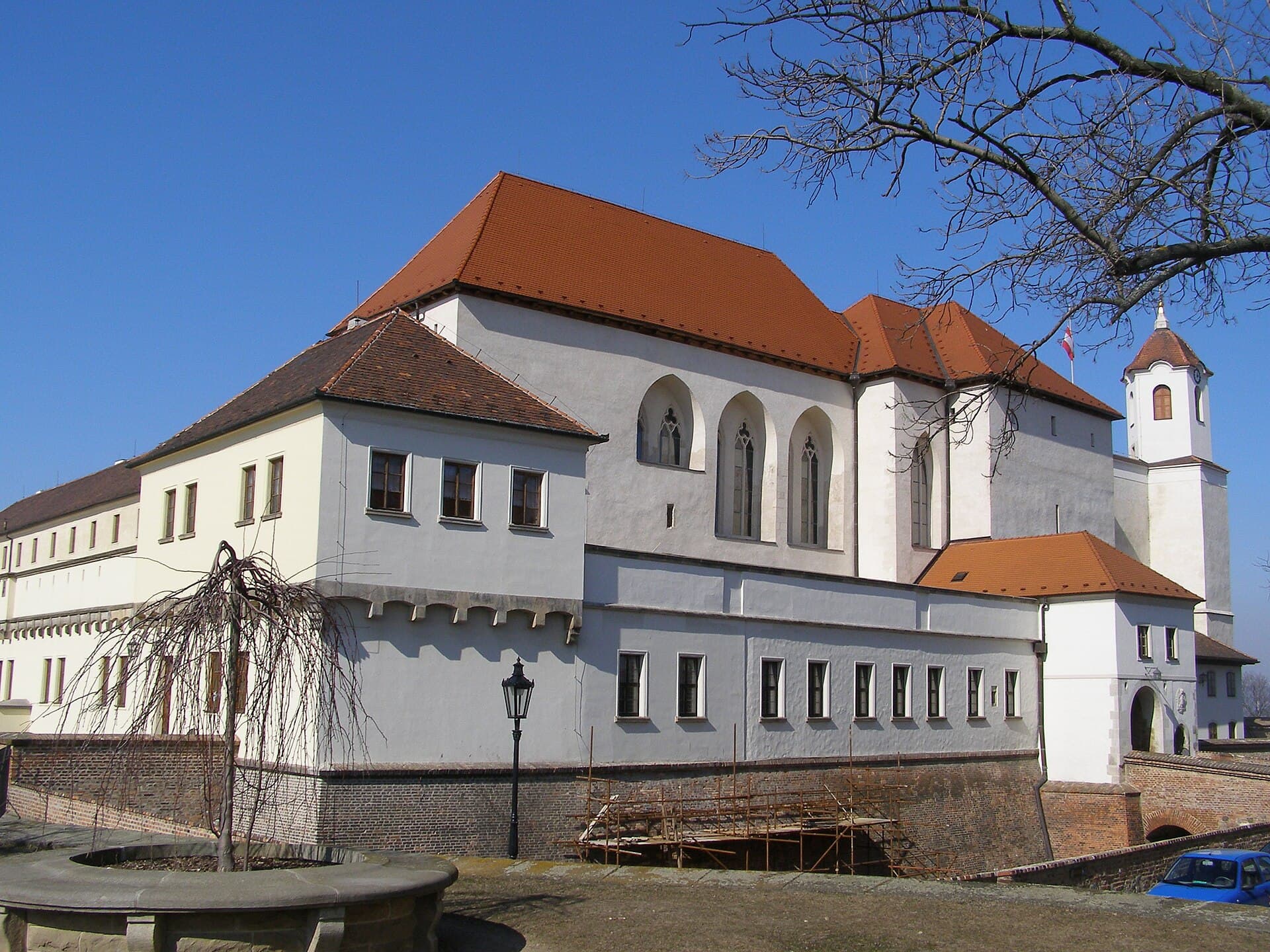 Špilberk CastleBrno's crown and its historic dread at once: the thirteenth-century castle on it5 minutes walk4.6
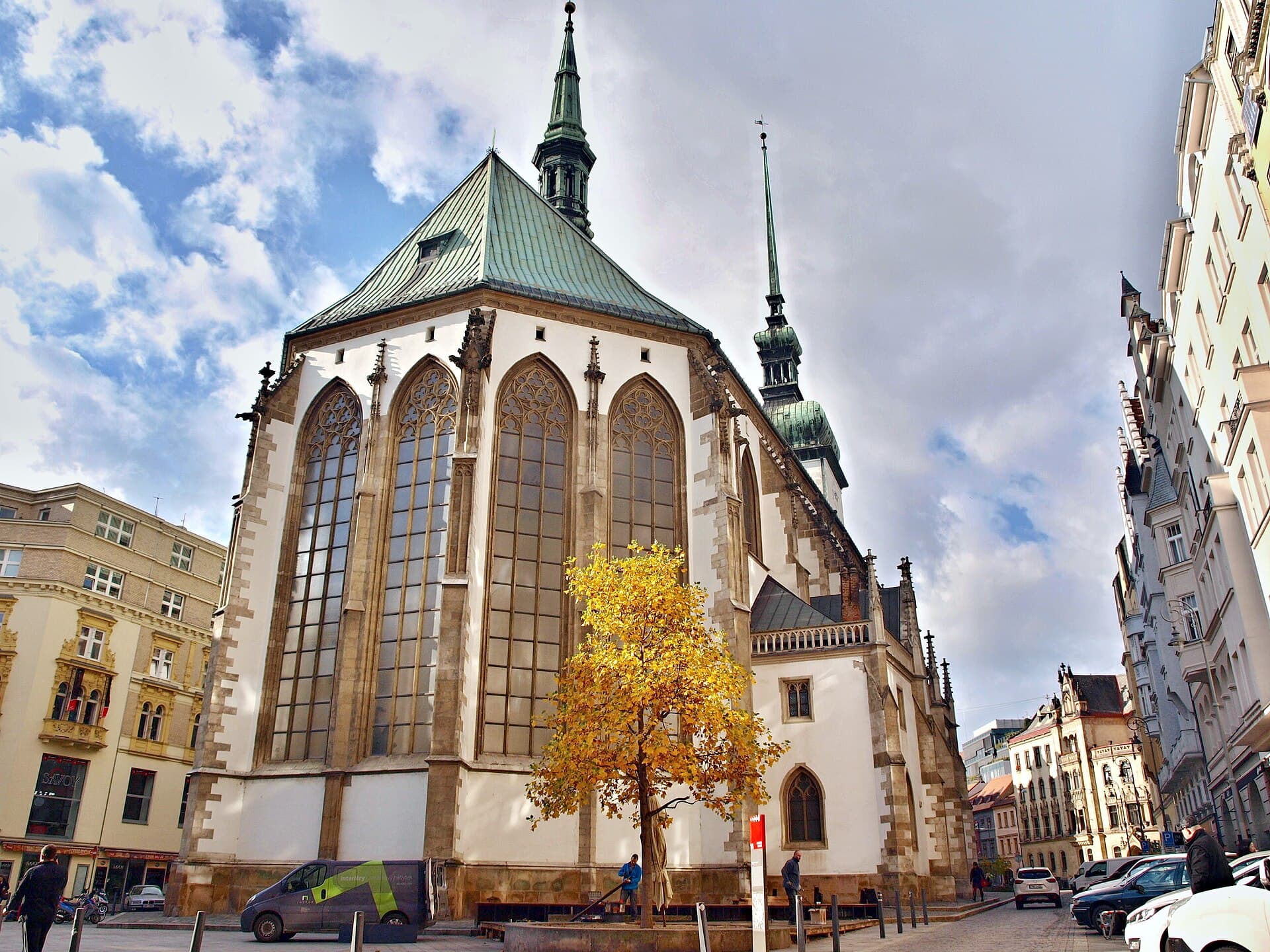 St James's SquareA square in the northern part of old central Brno around the Gothic church of St5 minutes walk4.8
Because he symbolised the First Republic: the parliamentary, multi-national democratic state that existed from 1918 to 1938. The Nazi occupation ended that state, and the communist regime after 1948 wanted no symbolic rival to its account that legitimacy began with it. Removing a statue is not an aesthetic matter but the erasure of a prior narrative — which is why putting them back after 1989 was a popular event.
Brno is above all an architectural city: the Villa Tugendhat by Mies van der Rohe, a UNESCO site; Špilberk Castle; the Capuchin Crypt with its mummies; and the ossuary beneath St James's Church, the second largest in Europe. The city is quieter and cheaper than Prague and deserves two days.