
The postcard frame
From the square's base, Sacré-Cœur completes itself above the green terraces — the opening shot of every Montmartre album.
Dietmar Rabich — CC BY-SA 4.0 · Mbzt — CC BY-SA 3.0 · Maria Eklind — CC BY-SA 2.0 · Agence Rol. Agence photographique (commanditaire) — Public domain
The green carpet unrolled at Sacré-Cœur's feet: Square Louise Michel — named for Montmartre's revolutionary heroine — with its terraces, fountains and the famous double stairway climbing the hill between lawns toward the basilica's whiteness. This is the classic foreground of the Sacré-Cœur postcard: from its base you frame the full cathedral above the hill's green, and on its terraces half of young Paris sits every sunny afternoon waiting for sunset — the stairway itself a cinema icon that hundreds of films have climbed. Practically, it is Montmartre's southern gateway: the funicular rises from here on an ordinary metro ticket for those sparing their knees, and at its base a heritage carousel has turned for decades — but mind the pushy "wrist-string" hustlers by the steps; smile, decline, and keep walking.
From the square's base, Sacré-Cœur completes itself above the green terraces — the opening shot of every Montmartre album.
As the sun tilts, steps and lawns fill with an audience awaiting Paris's orange blaze — join them; the front seats are free.
The old horse carousel at the stairway's foot appears in every film shot here — children's joy and photographers' backdrop at once.
Foot of Montmartre hill below Sacré-Cœur, 75018 Paris
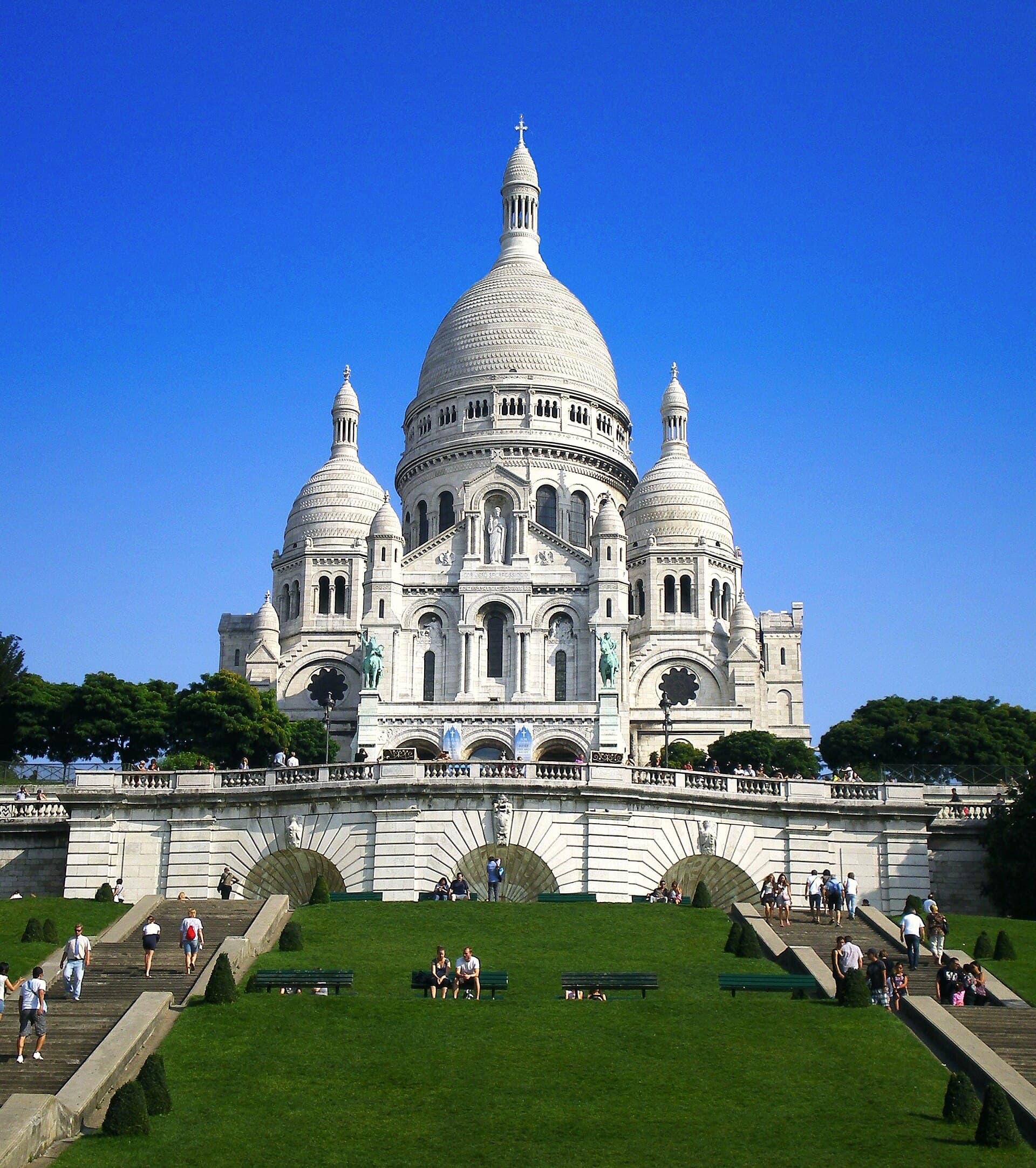 Sacré-CœurFrom almost anywhere in Paris, look north and you'll see its white domes glowing2 minutes walk4.8
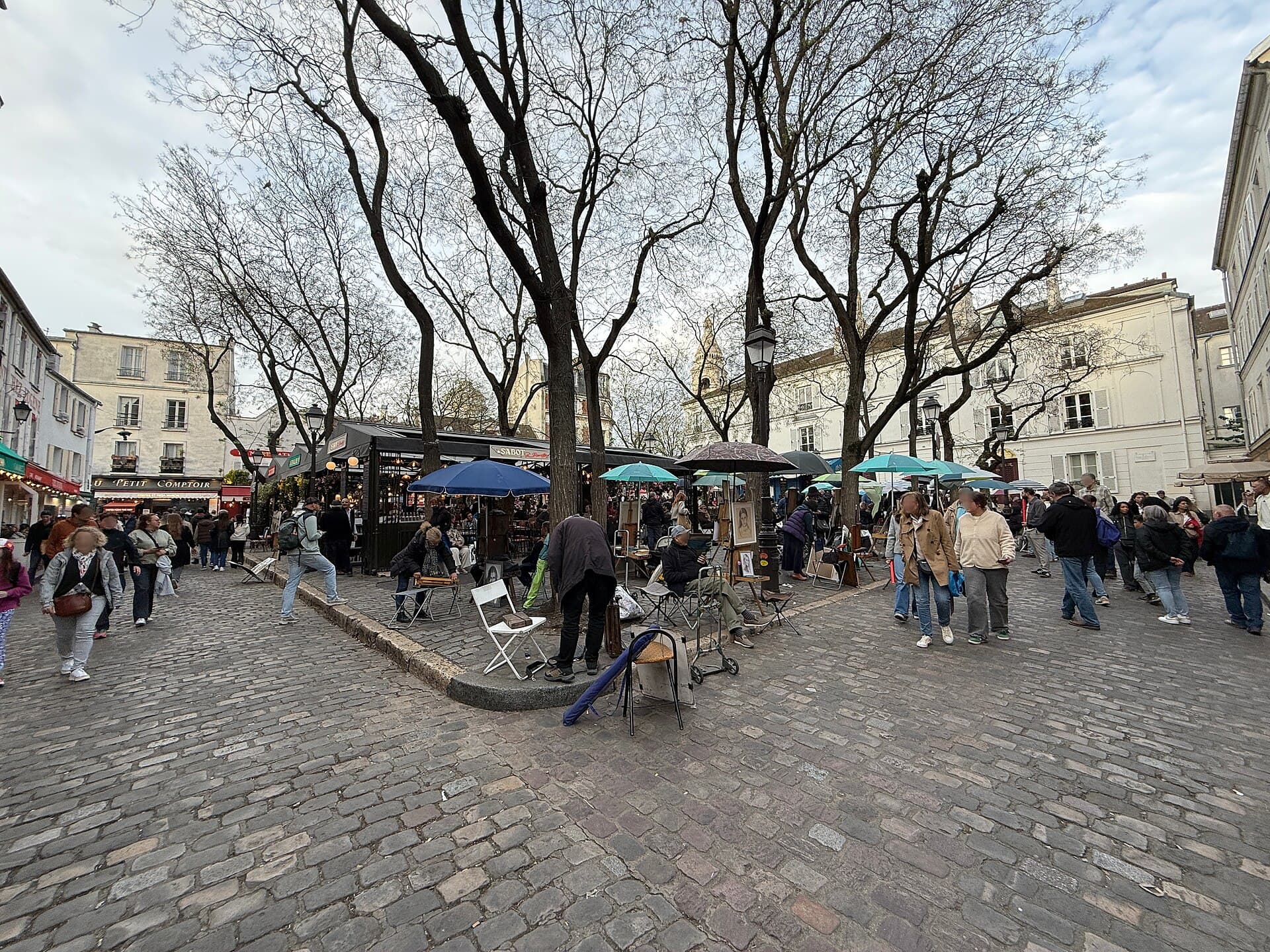 place du TertreSteps behind Sacré-Cœur beats the old village square of Montmartre: the Place du3 minutes walk4.6
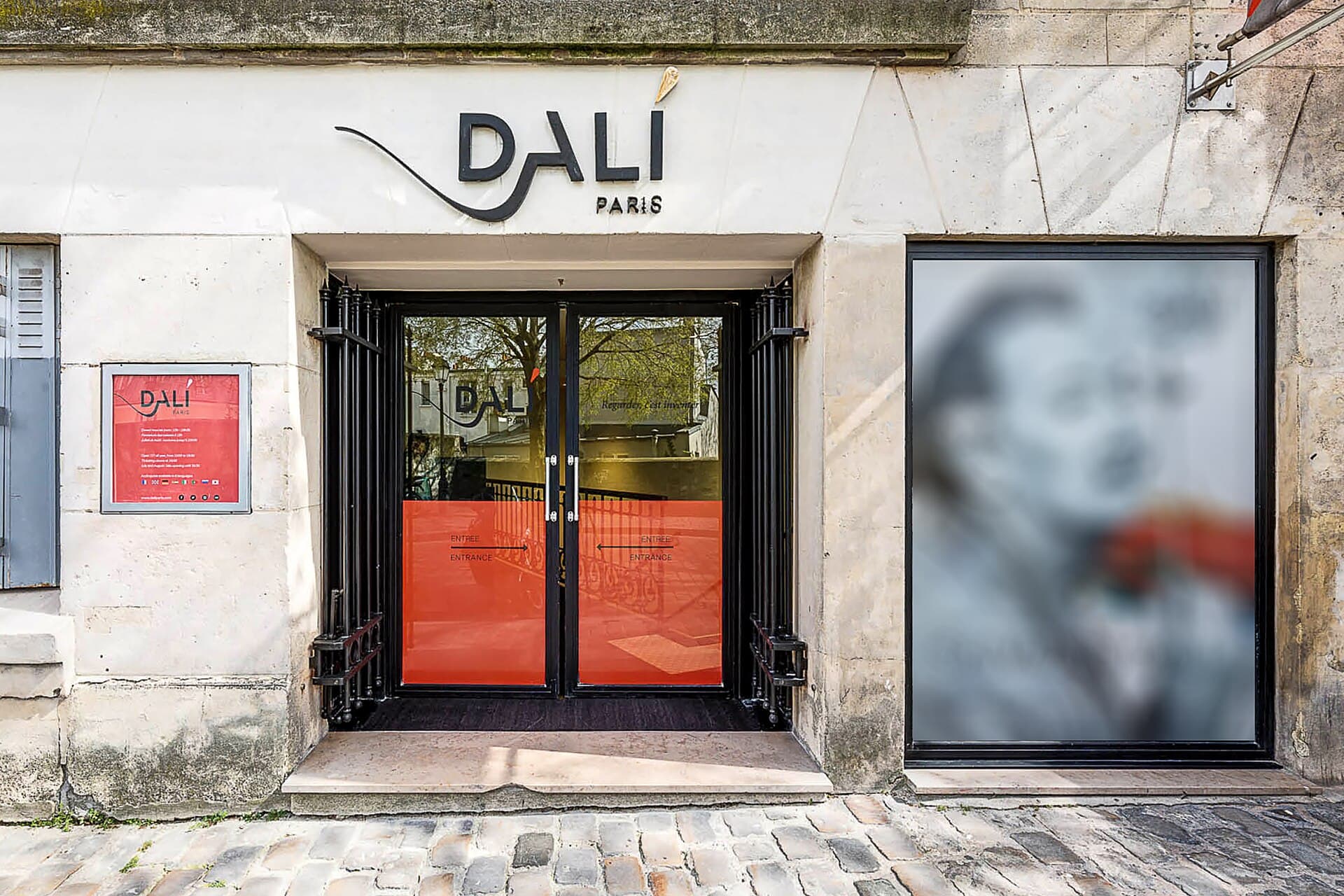 Dalí Paris, MontmartreA private museum in Montmartre devoted to Salvador Dalí, steps from Place du Ter4 minutes walk4.4
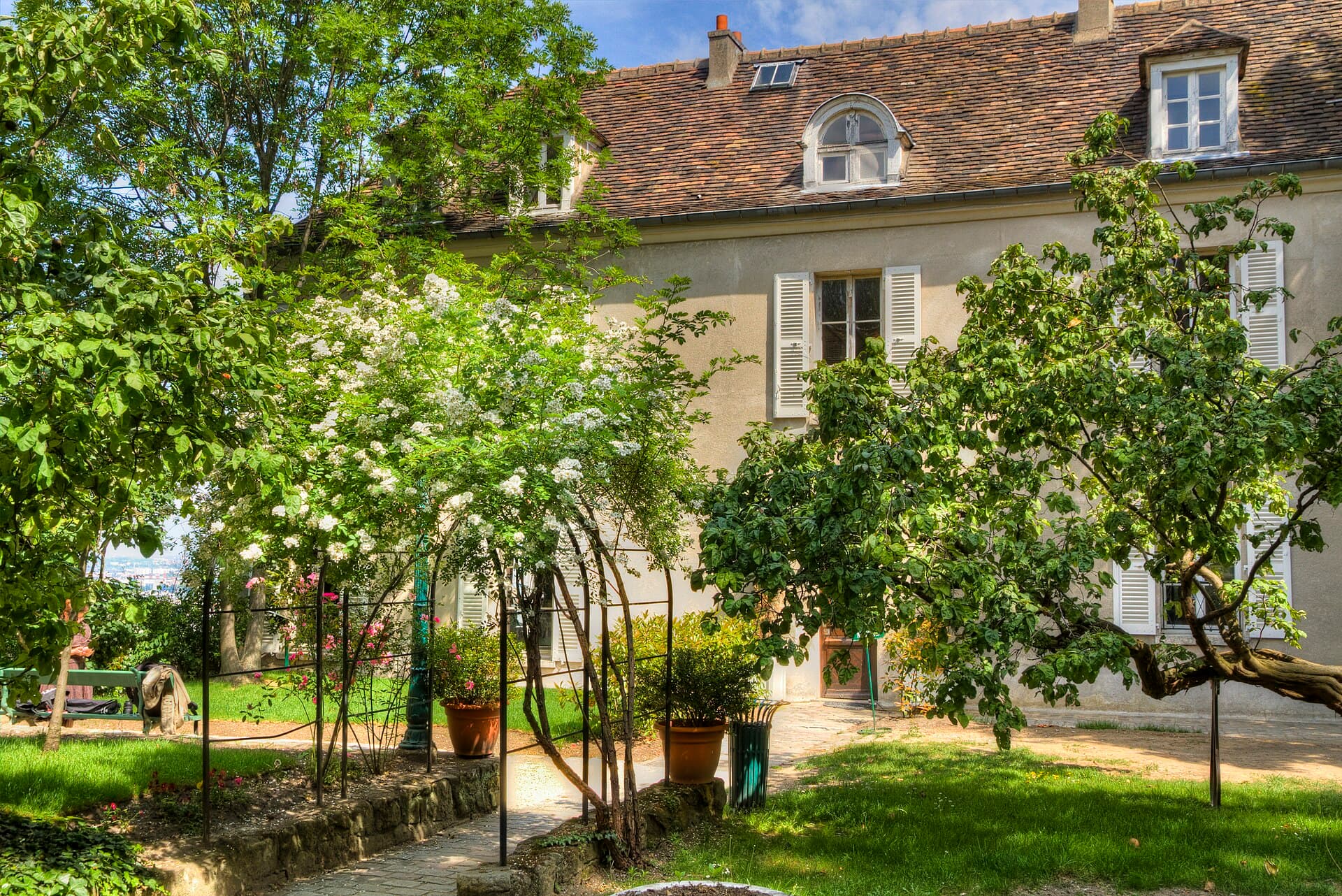 Musée de Montmartre and the Renoir GardensThe oldest house in Montmartre, and one of the calmest places in a quarter that 5 minutes walk4.5
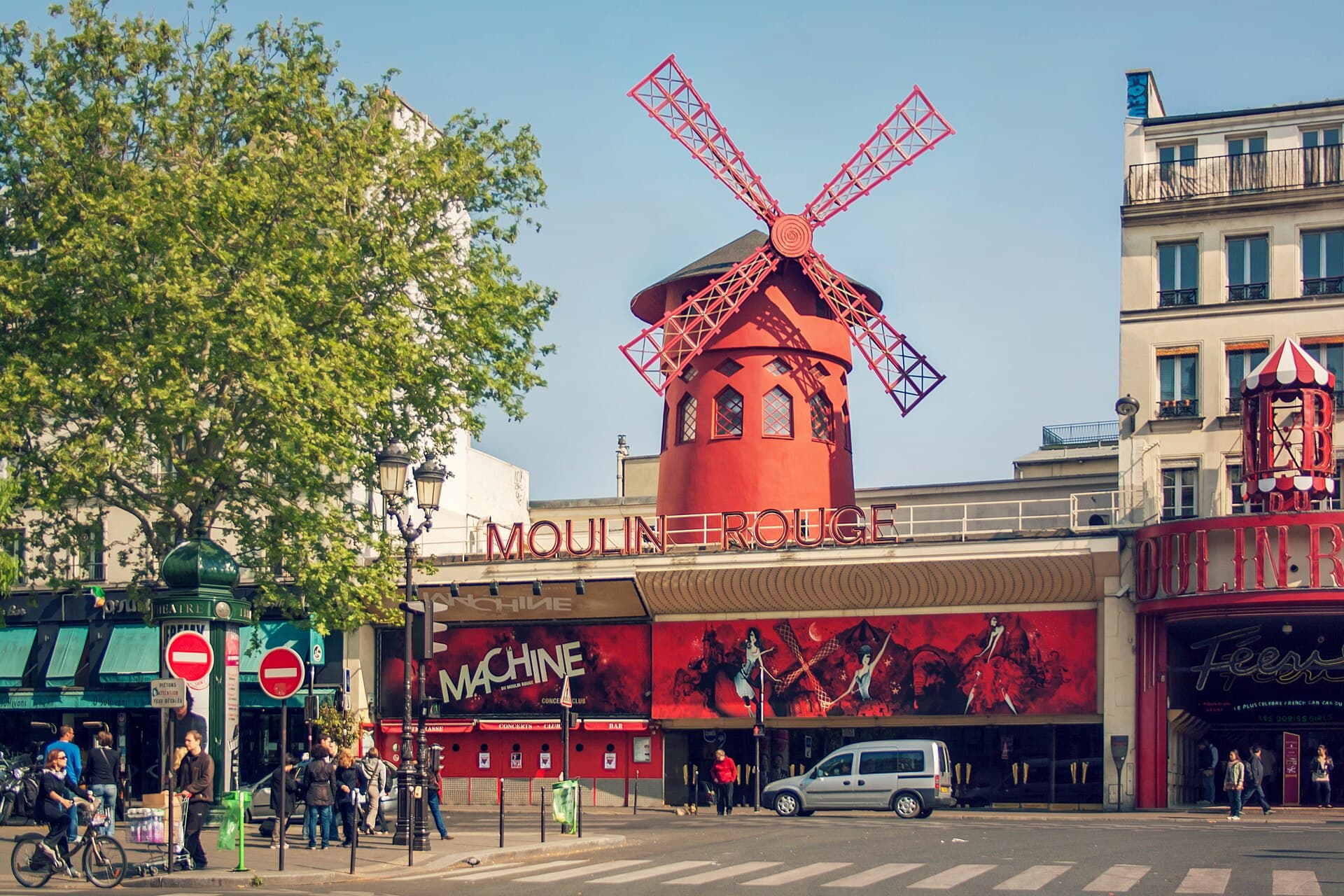 Moulin RougeThe red windmill on the Boulevard de Clichy at the foot of Montmartre, and the m10 minutes walk4.3
Looking for halal food near square Louise-Michel? There are several options nearby, from Moroccan and Indian kitchens to quick casual spots and places with a view. Confirm the halal status and opening hours before you go — these can change.
Up by funicular if saving energy for the full Montmartre day, down by the steps always — the view faces you descending and hides behind you climbing.
A teacher and revolutionary who led the women of the 1871 Paris Commune from Montmartre itself, was exiled and returned a legend — that Sacré-Cœur's garden bears her name is a historical irony the quarter cherishes.