
The octagonal lavatorium
Rare twelfth-century Romanesque.
Paul Hermans — CC BY-SA 3.0 · Photoglob Co., publisher — Public domain · Arktodus — CC0 · Marcel·lí Gausachs i Gausachs — Public domain
The ruins of St Bavo's Abbey are Ghent's spiritual cradle: here St Amand founded in the seventh century the abbey in which St Bavo lived, from which the cathedral took its name — and it was among Europe's most powerful abbeys until Emperor Charles V (born in Ghent!) ordered it demolished in 1540 to punish the city for its revolt, building a Spanish citadel in its place. What remains is rare Romanesque: the cloister with its arches, the refectory with its ceilings, and the octagonal twelfth-century lavatorium, amid a quiet garden strewn with carved stones and gravestones (a lapidarium) — still green ruins east of the centre that few visit, sometimes hosting summer exhibitions and cultural events. Opening is seasonal and limited (usually weekends in season, free) — check before going. For the lover of deep history and quiet.
Rare twelfth-century Romanesque.
Carved stones and gravestones in a still garden.
Gandastraat 7-9, 9000 Ghent
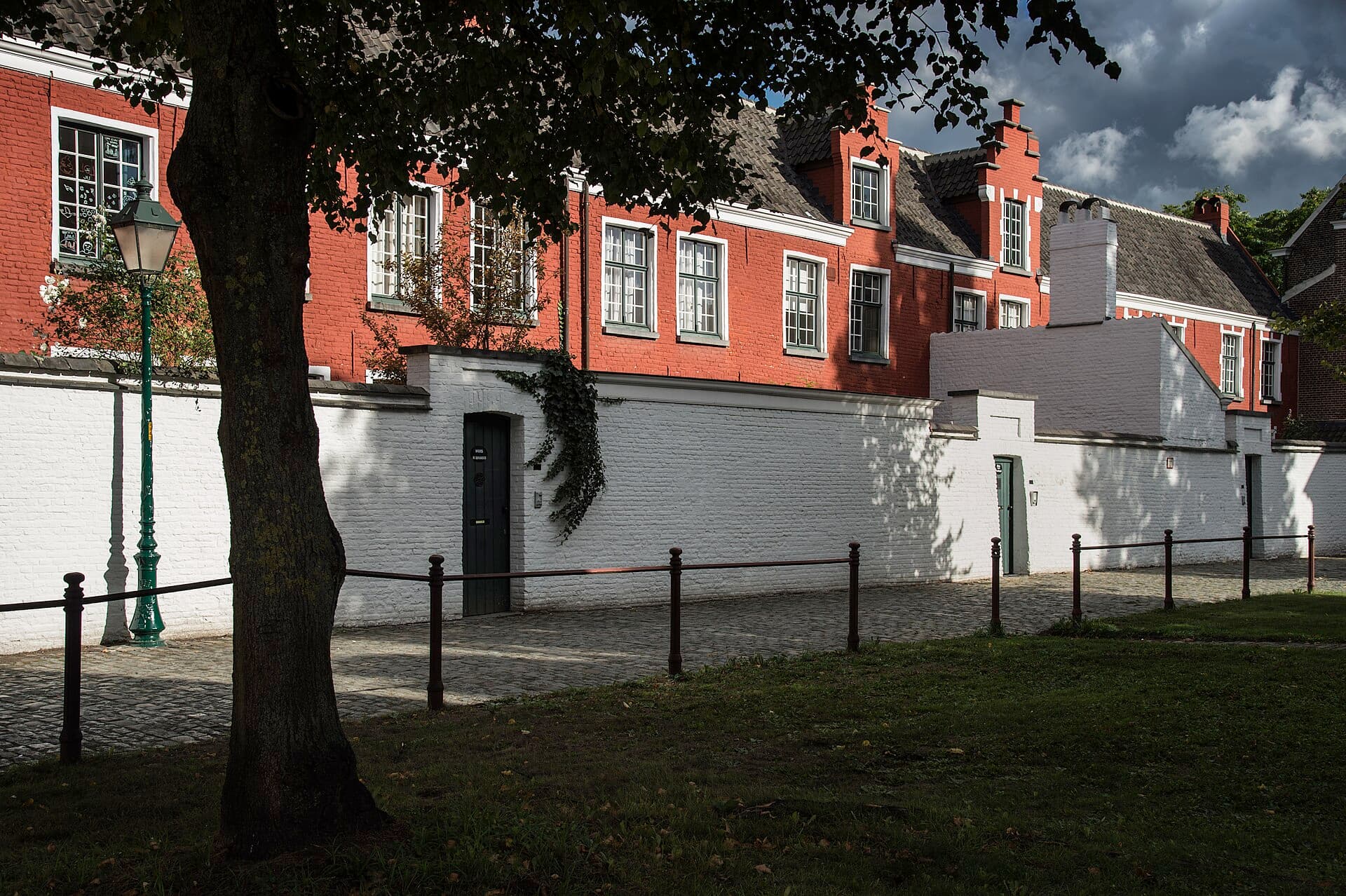 Small Beguinage (Our Lady Ter Hoyen)Ghent's Small Beguinage is a whole hidden village inside the city: founded in 126 minutes walk4.6
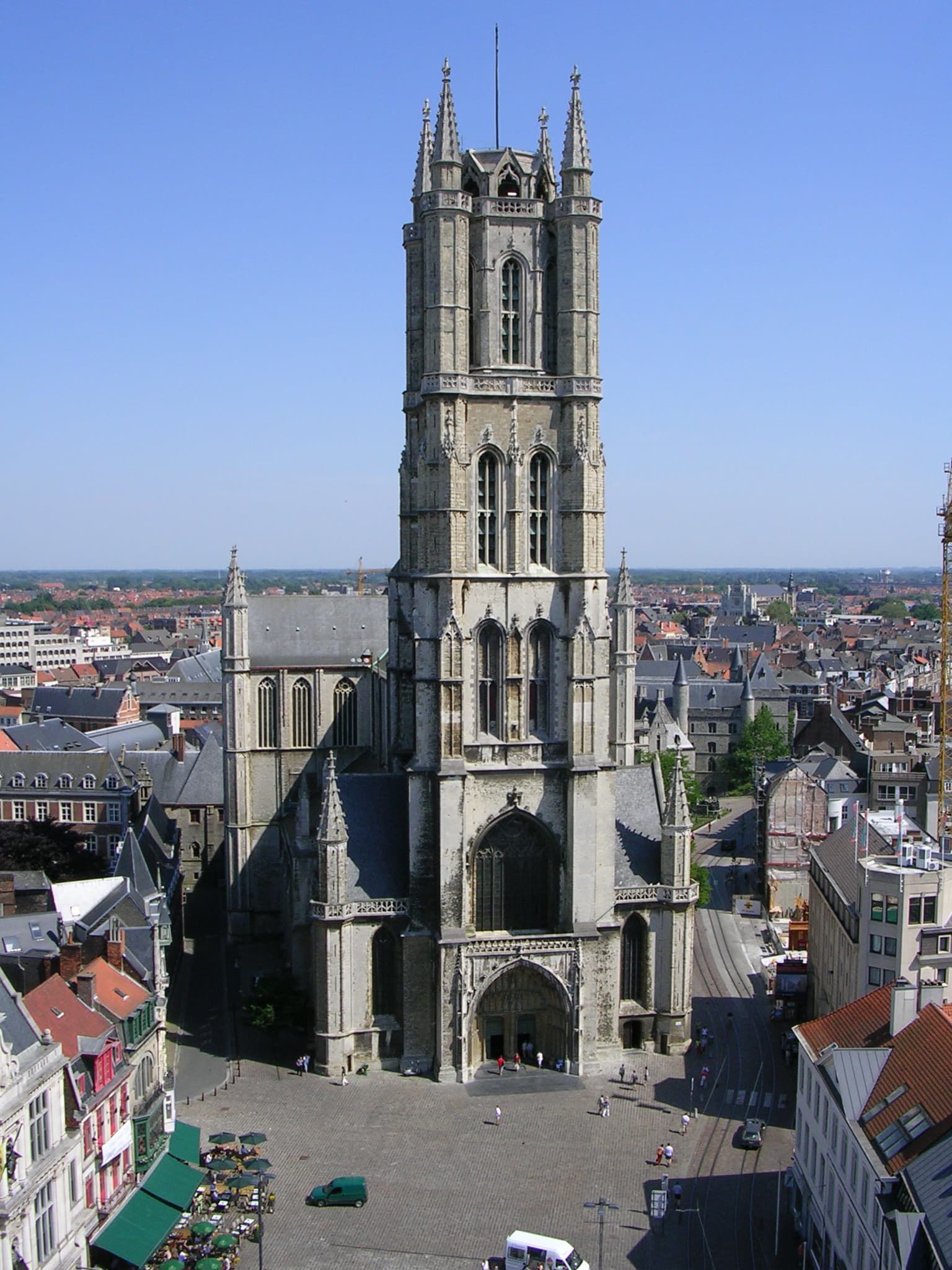 St Bavo's CathedralSt Bavo's Cathedral is home to Belgium's most famous painting and one of the mos8 minutes walk4.8
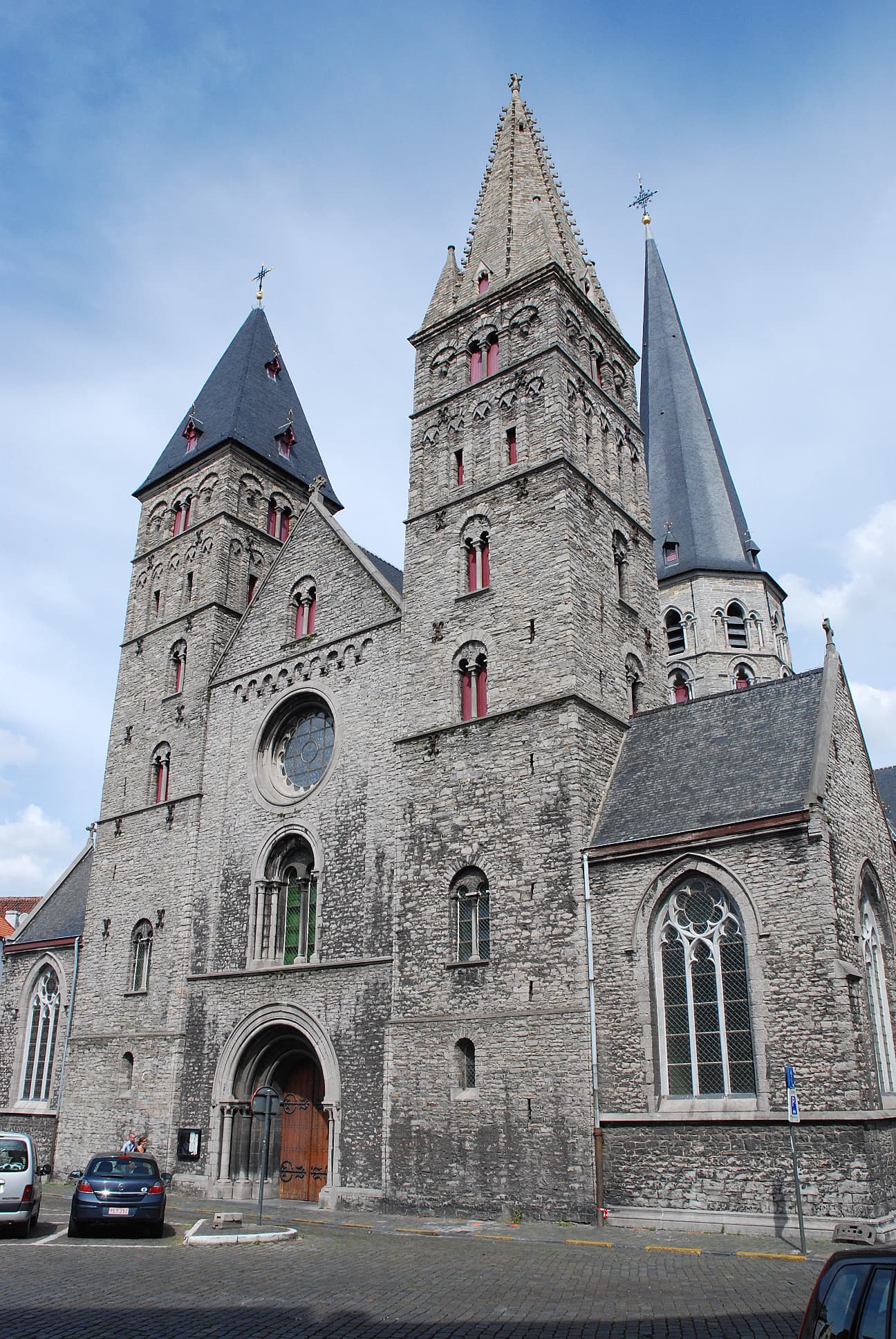 Sint-JacobskerkA church in central Ghent gathering eight centuries of building into one structu8 minutes walk4.3
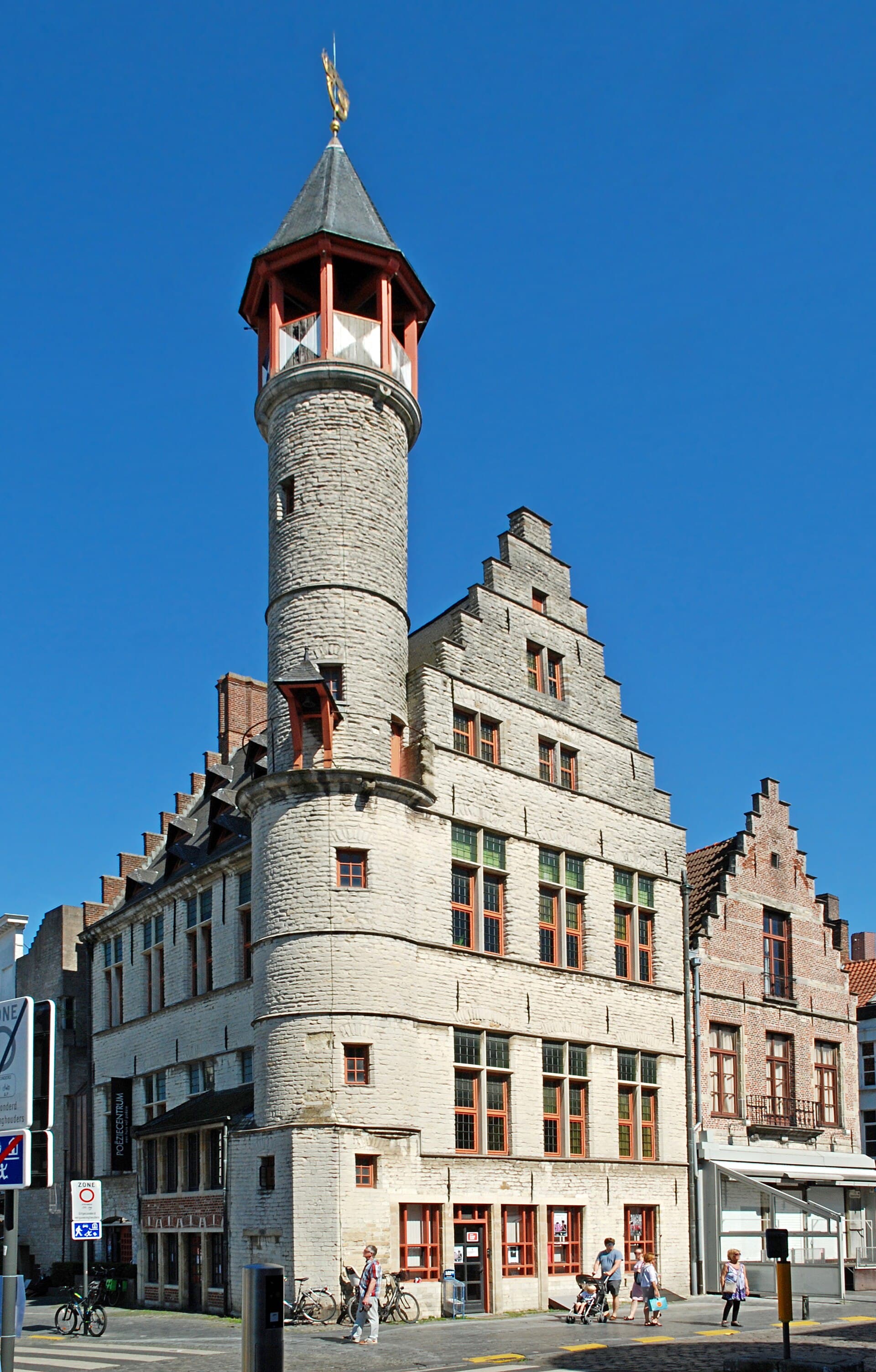 Het TorekenA fifteenth-century building with a small tower on the Vrijdagmarkt, formerly th10 minutes walk4.5
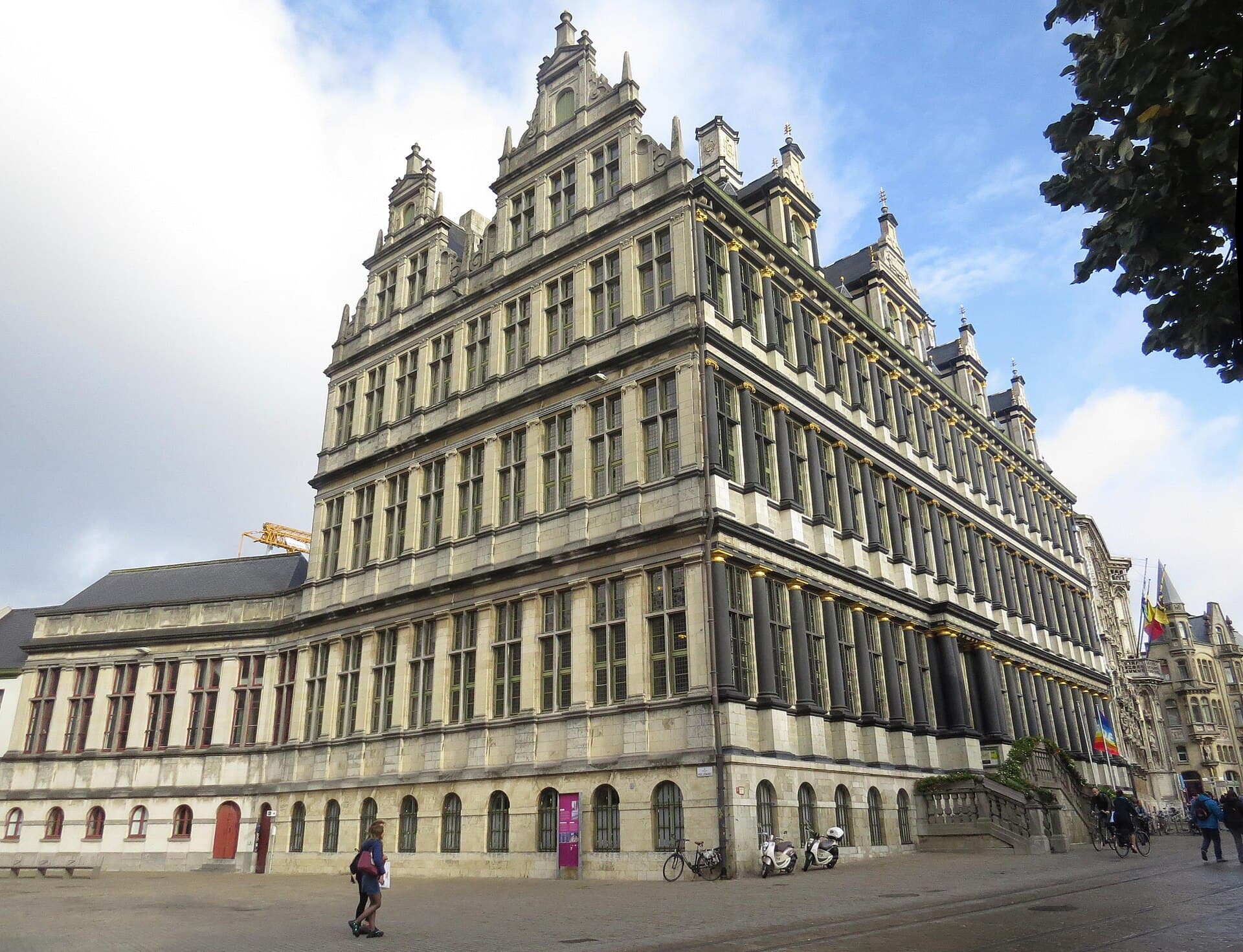 Ghent City HallGhent's City Hall is an architecture lesson on one façade: its northern half (on10 minutes walk3.8
Ghent revolted in 1539 against imperial taxes, so Charles V came with his army in 1540 and punished the city harshly: he humiliated its notables (made to walk barefoot with nooses round their necks — hence Ghent people's nickname "noose-bearers", worn with pride today), revoked its privileges, and razed the abbey to build a citadel watching over it. The ruins witness that punishment.