
The tin labels
Thousands of coloured designs — a graphic design show that was never meant to be art.
Wolfmann — CC BY-SA 4.0 · Olaf2 — CC BY-SA 4.0 · Olaf2 — CC BY-SA 4.0 · Olaf2 — CC BY-SA 4.0
A real sardine cannery in Old Stavanger, kept as it was and opened as a museum explaining the industry that built the town. Before oil, Stavanger was a sardine town: dozens of factories, thousands of workers, tins exported worldwide. The whole story is here in the building where it actually happened, with its machines, benches and chimneys in place. What stays with you most is the collection of sardine tin labels: thousands of coloured designs from different decades, in themselves an astonishing exhibition of graphic design that was never meant to be art. On set days the museum fires the smoking ovens and hands out smoked sardines to visitors — check the days in advance, because this is the best part of the visit and it is not daily. The museum is small and its subject is a finished industry, so do not expect large halls. But it explains the town in a way nothing else in it does.
Thousands of coloured designs — a graphic design show that was never meant to be art.
On operating days the ovens are lit and sardines handed out to visitors.
It explains the town's pre-oil economy in a way nothing else there does.
Old Stavanger, among the white wooden houses
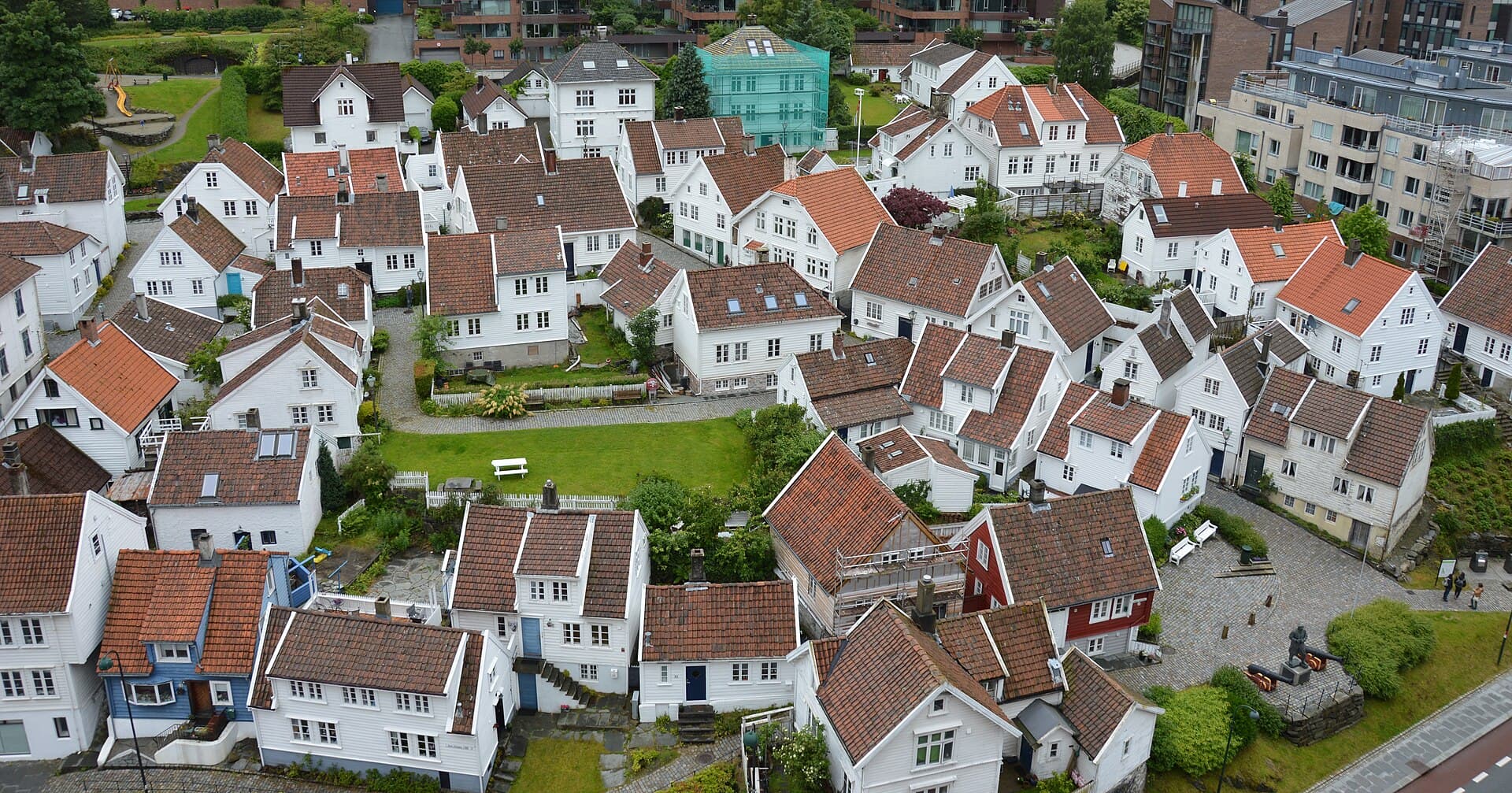 Gamle Stavanger — the Old White TownGamle Stavanger is Northern Europe's largest preserved cluster of white wooden h1 minute walk4.6
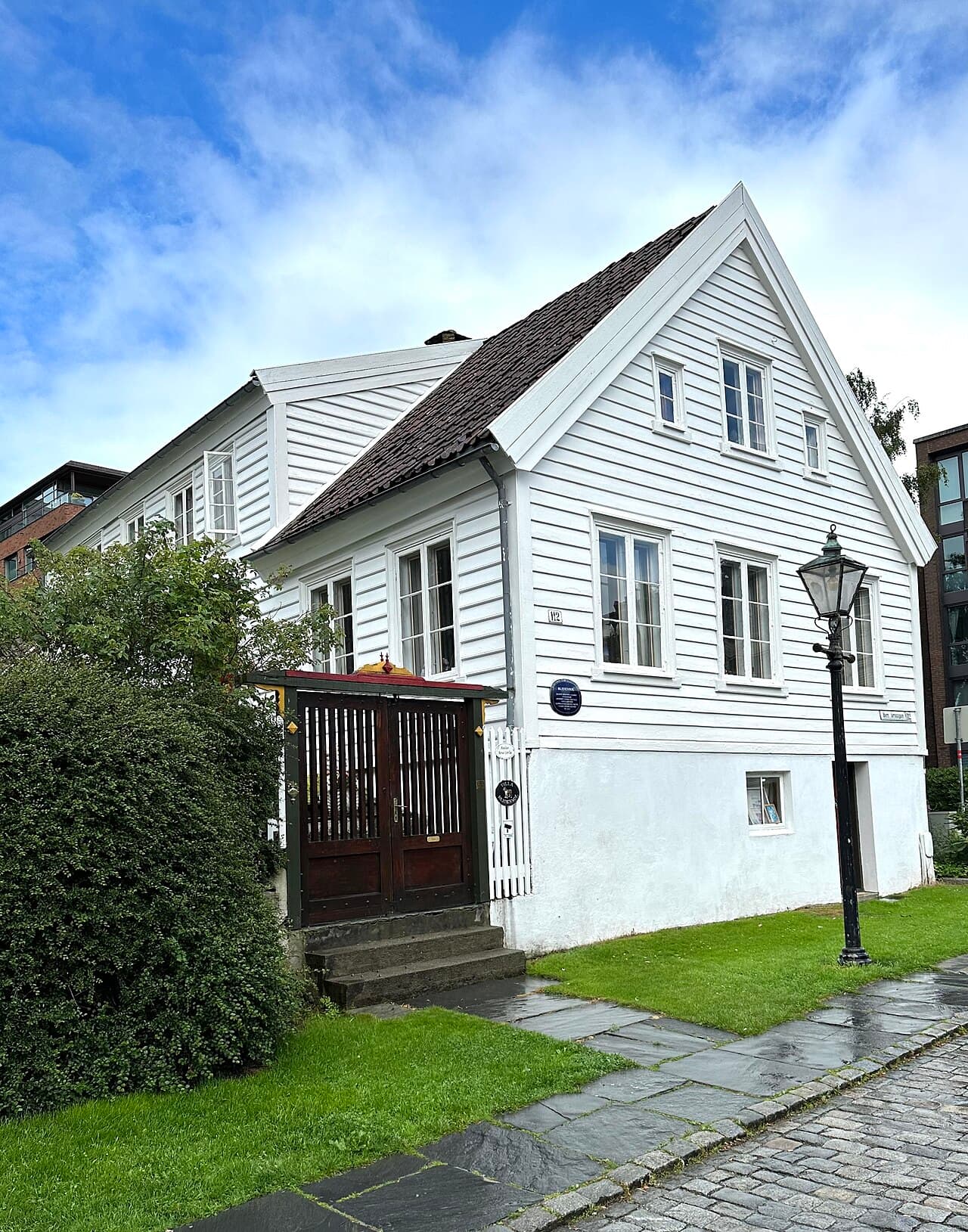 The Blidensol HouseA timber house in Gamle Stavanger regarded as probably the oldest standing woode2 minutes walk4.5
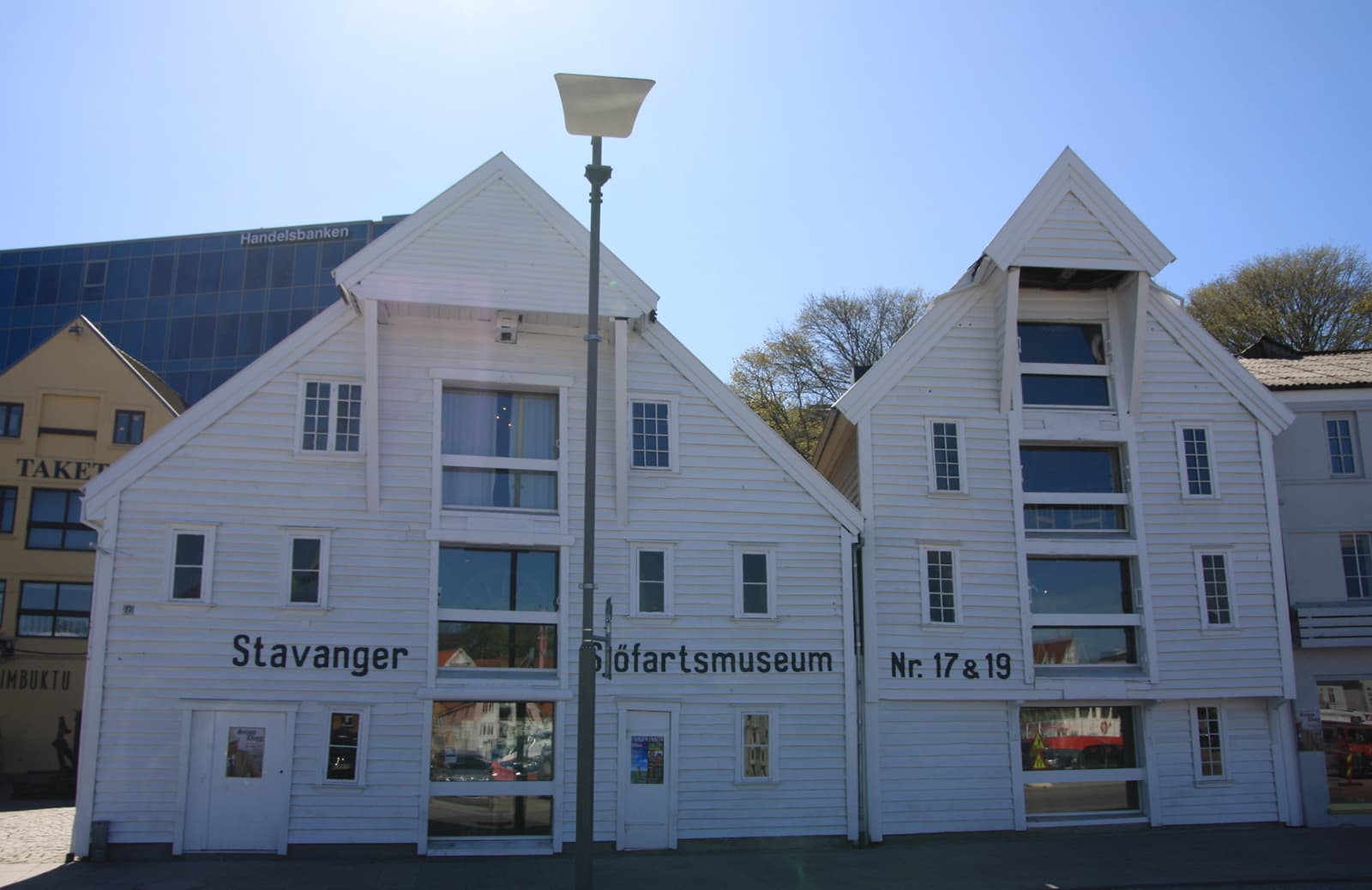 Stavanger Maritime MuseumA museum occupying two old merchant warehouses on the Vågen harbour quay in the 4 minutes walk4.4
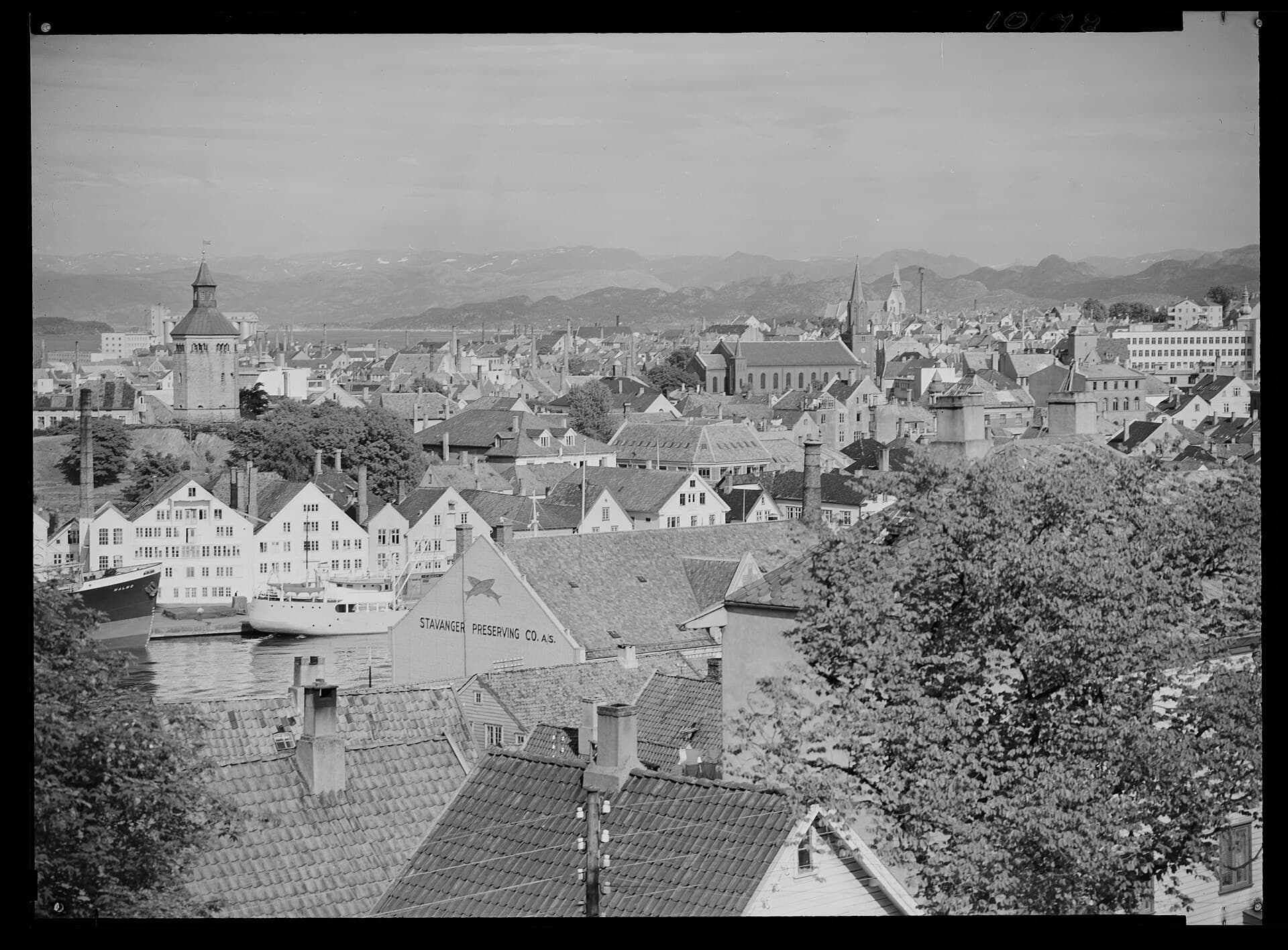 Valberg TowerValberg Tower is Stavanger's tangible fire-watch history: a fire lookout tower (4 minutes walk4.3
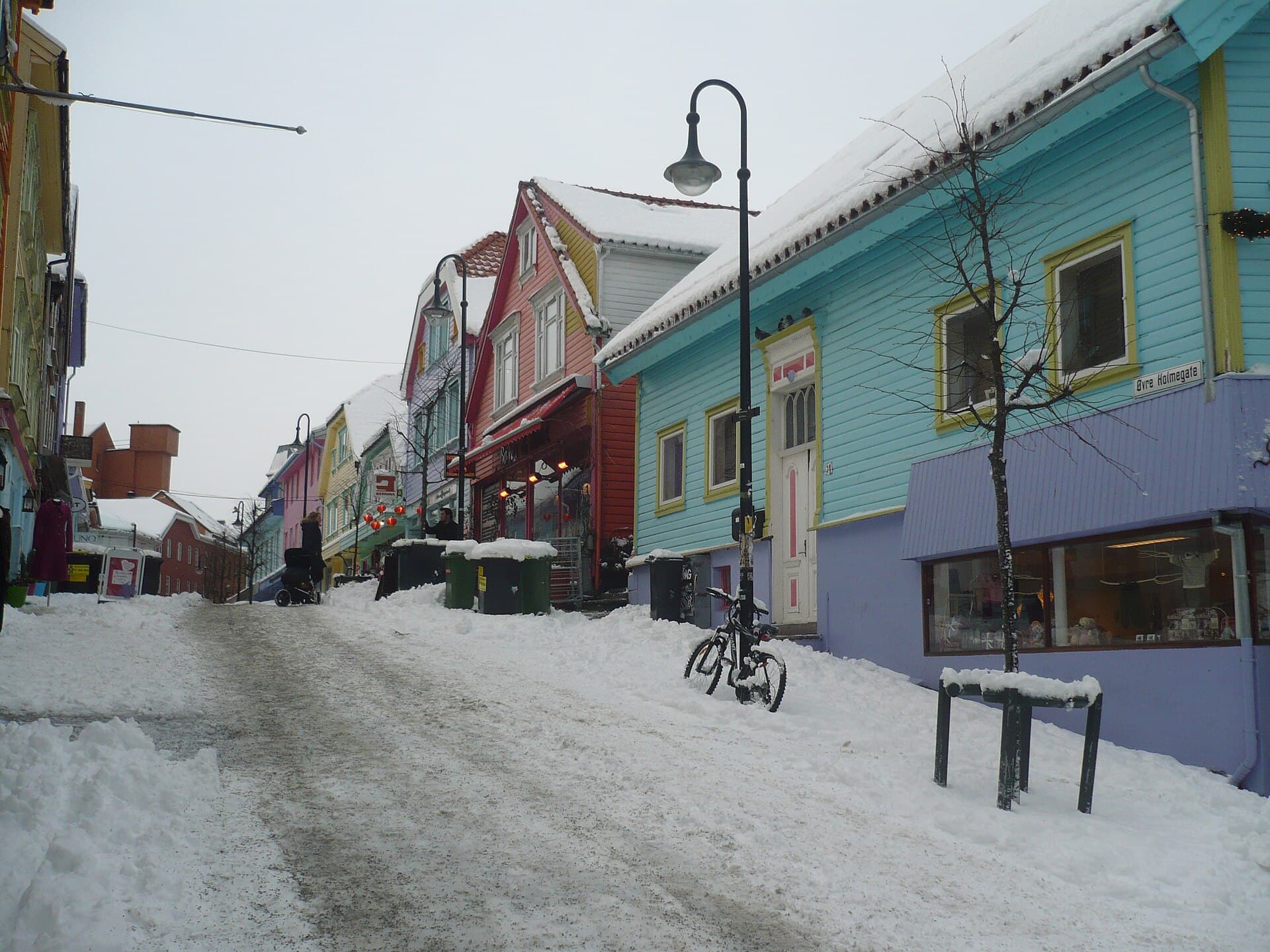 Fargegaten — the Colour StreetFargegaten — literally the Colour Street — is the former Øvre Holmegate: a modes6 minutes walk4.6
Both explain what Stavanger has lived on, but in different eras. The petroleum museum is far larger, newer and more interactive, and covers the industry of today. The canning museum is small and historical and covers what came before. With time for only one, choose by what interests you: the present or the origin.
An hour is usually enough, stretching to an hour and a half on a day when the ovens are running and you stop to taste the sardines and talk to the staff. It is a small museum by nature, so combine it with a walk through the old Stavanger houses around it.