
The World of Yesterday
His book on a Europe that thought it had left barbarism behind, then collapsed.
Andrew Bossi — CC BY-SA 2.5 · MyName (Luckyprof (talk)) — CC BY-SA 3.0 at · MyName (Luckyprof (talk)) — CC BY-SA 3.0 at · Luckyprof. Original uploader was Luckyprof at de.wikipedia — Public domain
A research centre and small exhibition devoted to the Austrian writer Stefan Zweig, in the Edmundsburg building on the Mönchsberg above Salzburg, belonging to the University of Salzburg. Zweig lived in Salzburg for about twenty years in a house on the Kapuzinerberg opposite, and those were his most productive: he wrote his famous biographies and stories there and became one of the most translated writers in the world. He then left in 1934 after police searched his house, and never returned. His life ended in suicide in Brazil in 1942. The exhibition is small: possessions, documents, editions and material on his life and exile. But the subject is larger than its size — Zweig's story is the story of the Europe he described in The World of Yesterday: a continent whose people believed it had left barbarism behind, then watched it collapse twice within one generation. Practical points: entry is normally free but hours are very limited, because this is a university centre rather than a museum — check before going. The site is on the Mönchsberg, reached by lift or on foot, and the view from up there justifies the climb on its own.
His book on a Europe that thought it had left barbarism behind, then collapsed.
He wrote his biographies and stories here and became among the world's most translated writers.
A police search of his house ended his residence; the exile ended in his suicide in 1942.
Edmundsburg, Mönchsberg, Salzburg
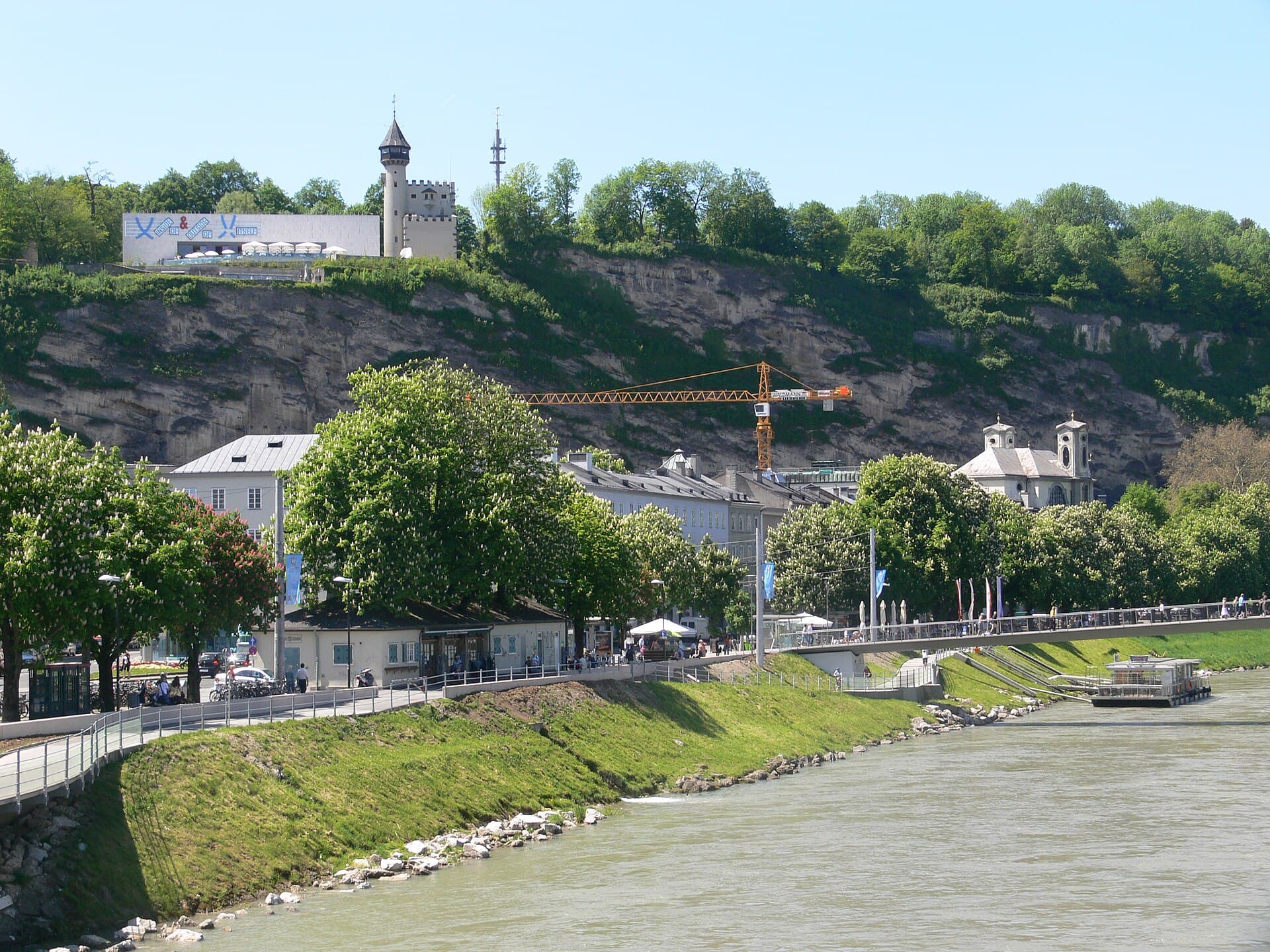 Mönchsberg and its LiftA rock plateau rising above Salzburg's old town from the west, reached by a lift2 minutes walk4.4
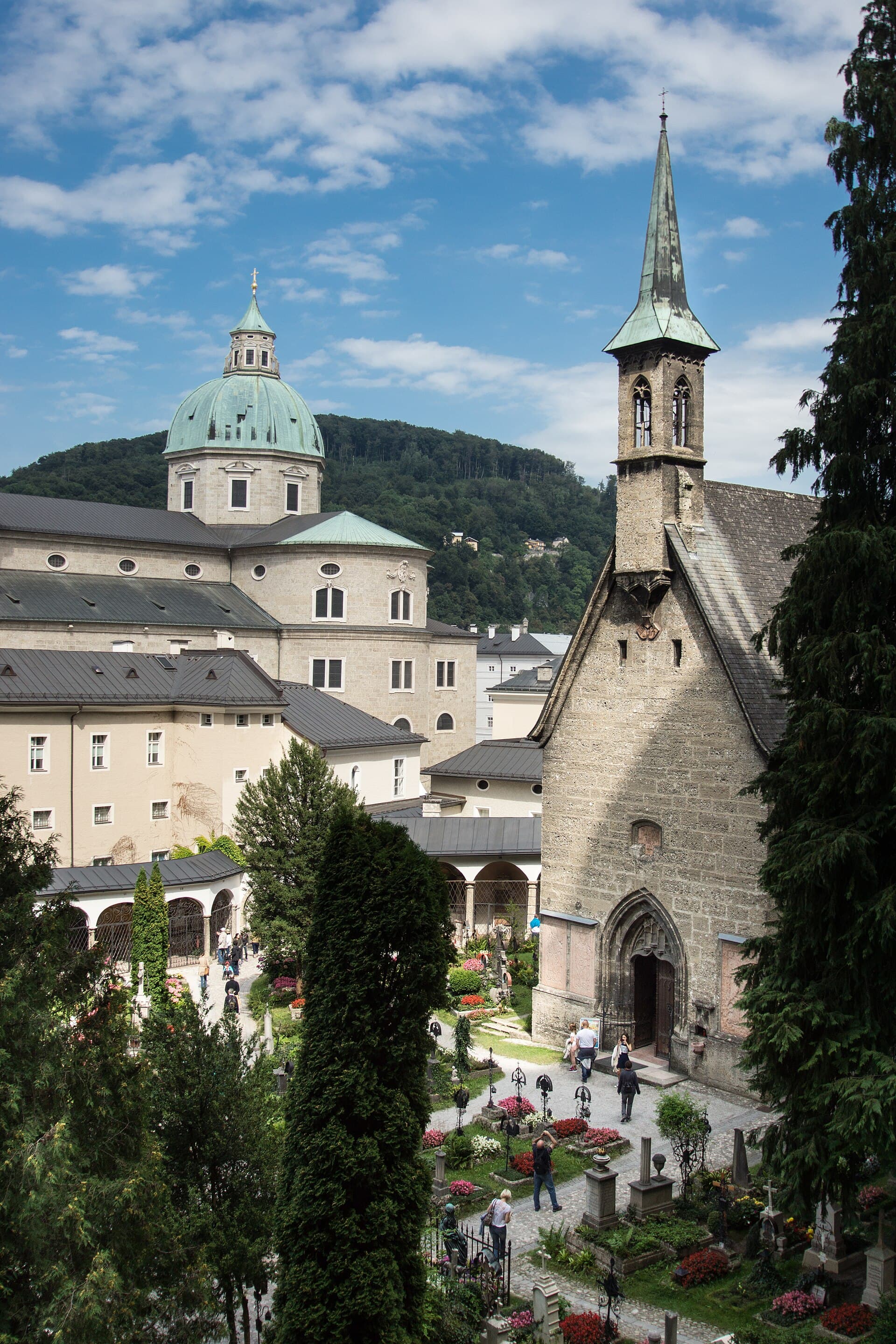 St Peter's Abbey and CemeteryA Benedictine abbey in old central Salzburg, founded in the seventh century and 3 minutes walk4.9
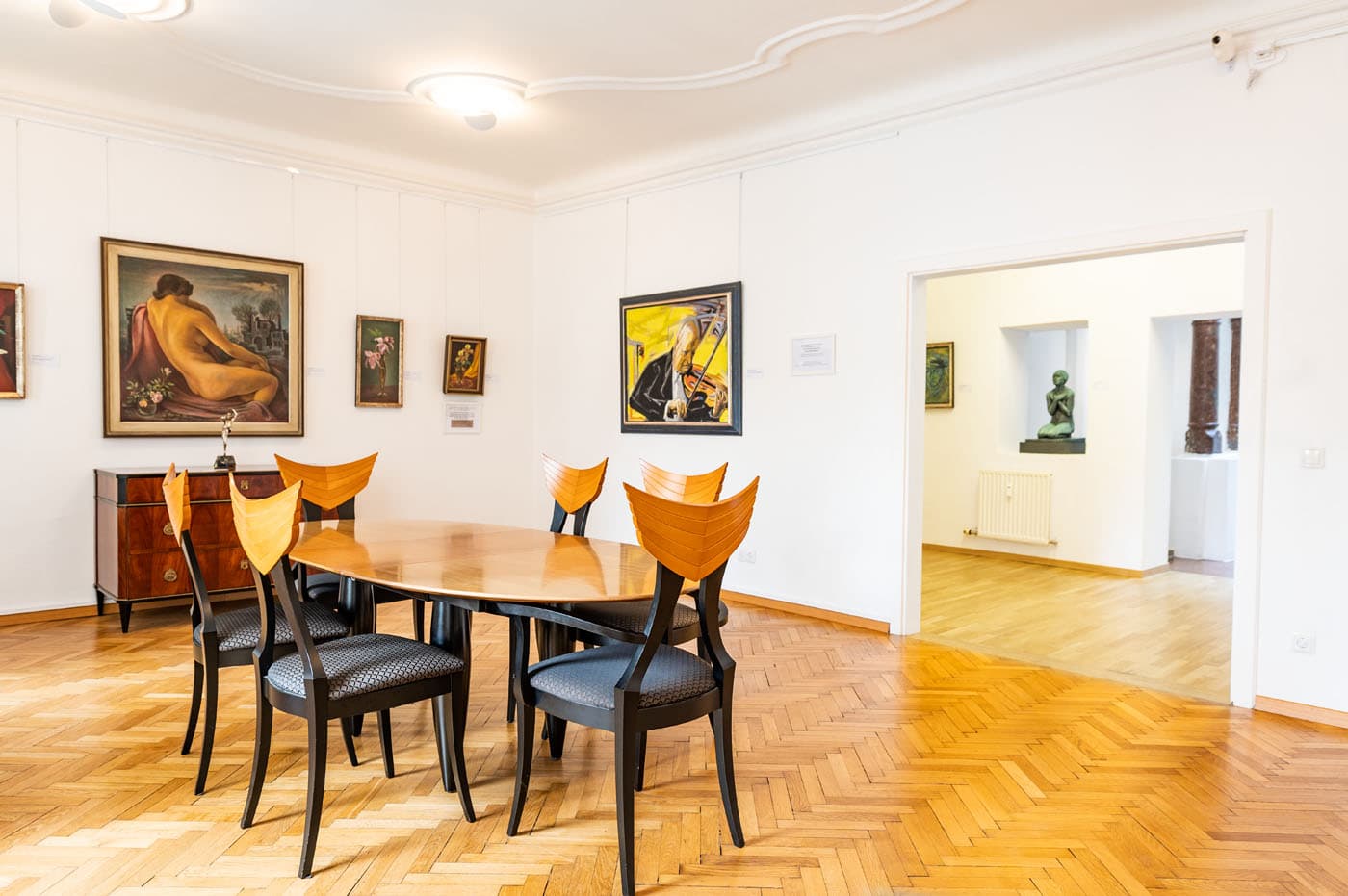 Museum of Art of the Lost GenerationA private museum in the old town devoted to Austrian and German artists whose wo3 minutes walk4.9
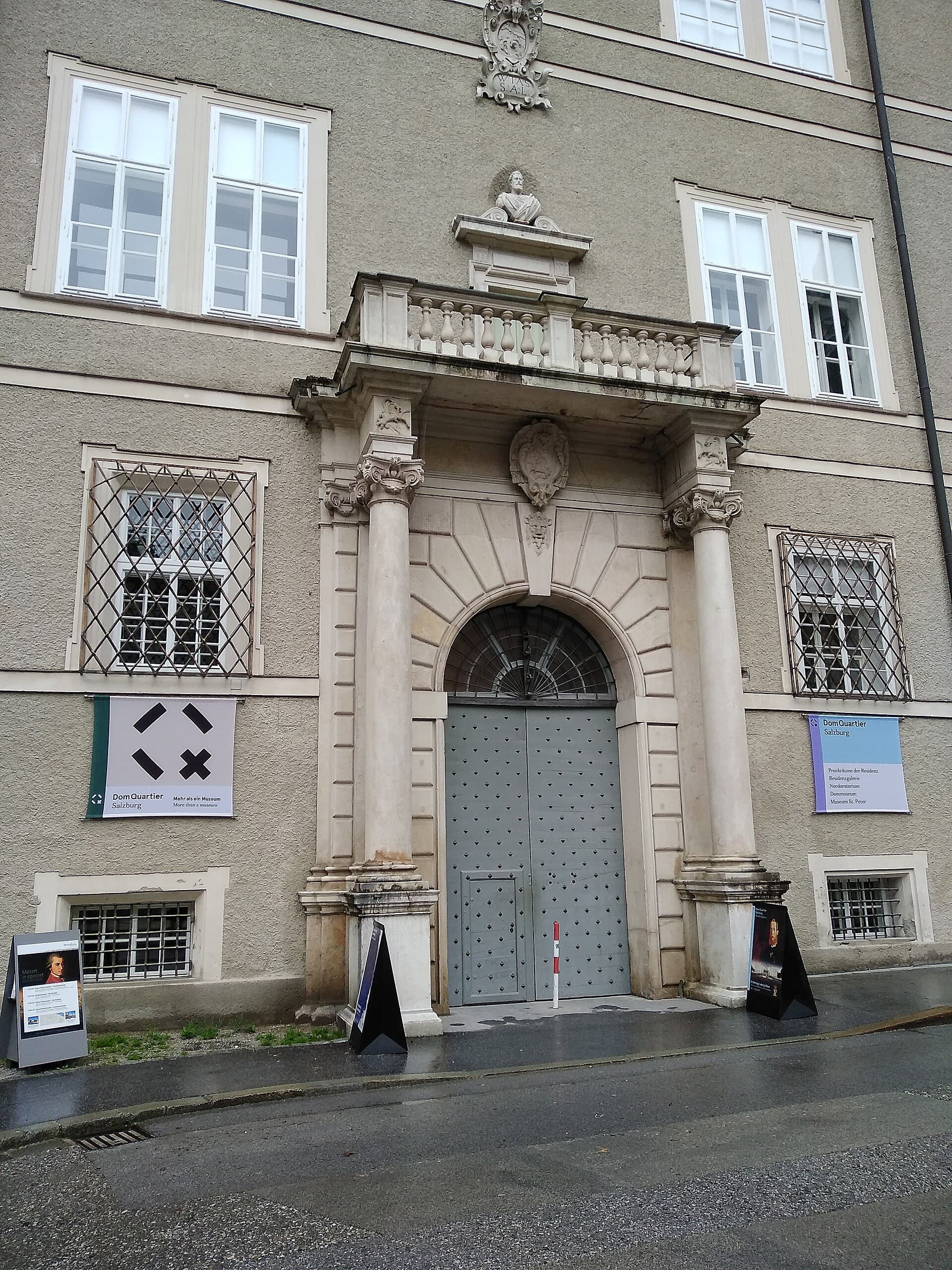 DomQuartierThe DomQuartier is Salzburg's palace of power opened as one circuit: since 2014 3 minutes walk4.7
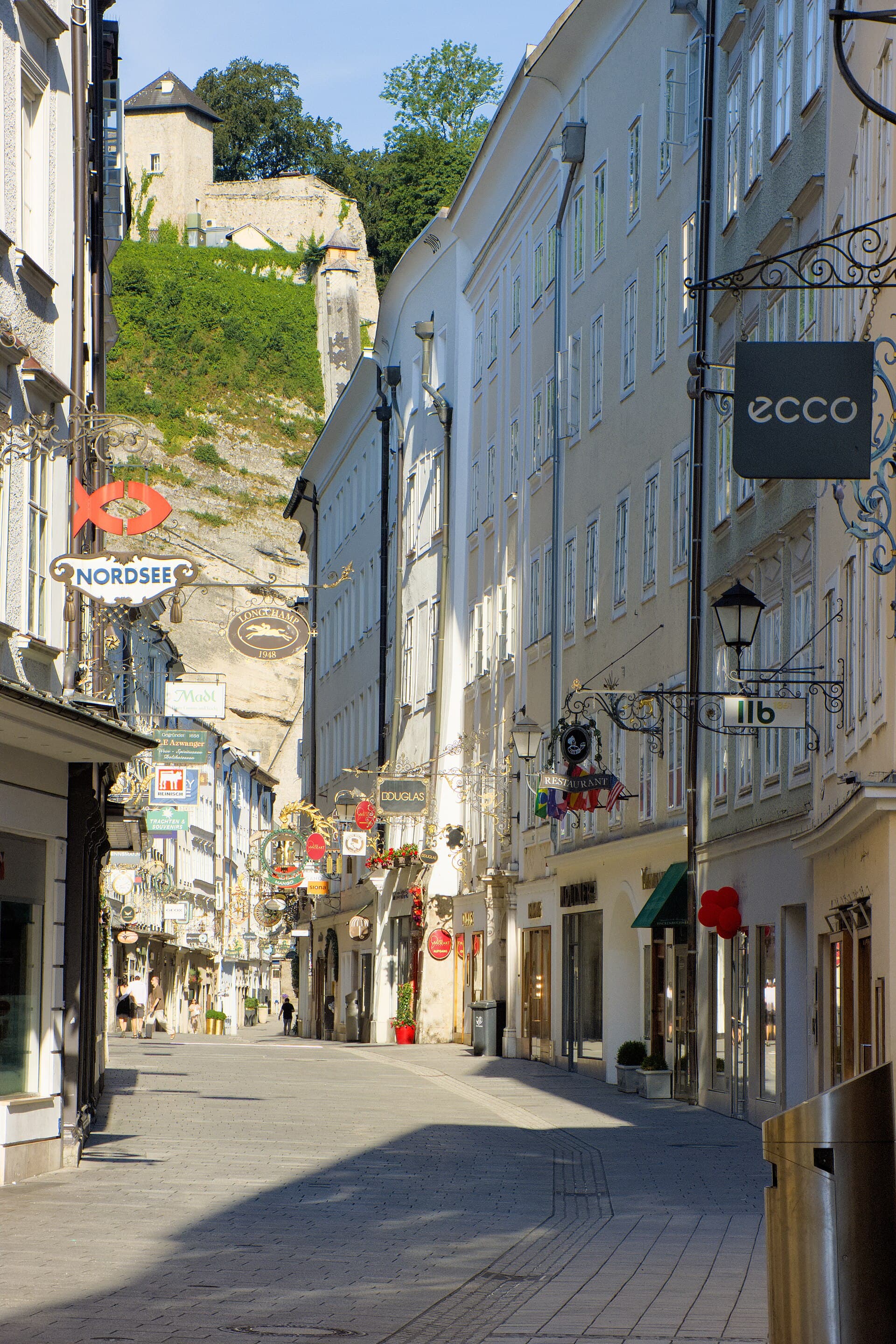 GetreidegasseThe main street of Salzburg's old town, a narrow pedestrian lane lined with medi4 minutes walk4.5
His house on the Kapuzinerberg is private and not visitable inside, though you can reach its surroundings on a walk up the hill, where there is a memorial plaque. The centre on the Mönchsberg is where anything is actually on display.
Going up the Mönchsberg is worth it regardless of the centre: the view over the old town and the fortress is among the best in Salzburg, and the Museum der Moderne is up there too. Make the centre an addition to a climb you are making anyway, and check its hours first.