
Symbols instead of names
A key for the locksmith, a shoe for the cobbler — from a time when reading was rare.
Eweht — CC BY-SA 4.0 · Eweht — CC BY-SA 4.0 · Stefan Jurca from Munich, Germany — CC BY-SA 2.0 · Michael Burgholzer — CC BY-SA 4.0
The main street of Salzburg's old town, a narrow pedestrian lane lined with medieval and Renaissance buildings, and the street where Mozart was born at number 9. What marks it visually are the signs: wrought-iron brackets carrying symbols rather than written names — a key for the locksmith, a shoe for the cobbler, a bunch of grapes for wine. The system is old, from a time when reading was rare, and it is protected today by strict rules: even modern international shops must use a sign in the same manner, so you see a well-known chain's logo executed in wrought iron. The second feature is the passages: narrow covered alleys linking the street to parallel ones through interior courtyards. They are free and open, far quieter than the main lane, and worth turning into. The street is very crowded by day and in season. Early morning before nine, or the evening after the shops close, gives you the buildings and the signs without the crush.
A key for the locksmith, a shoe for the cobbler — from a time when reading was rare.
Narrow alleys linking the street to what lies behind through courtyards — free and far quieter.
Mozart's birthplace is on the same street, a separate institution with its own ticket.
Old town, Salzburg
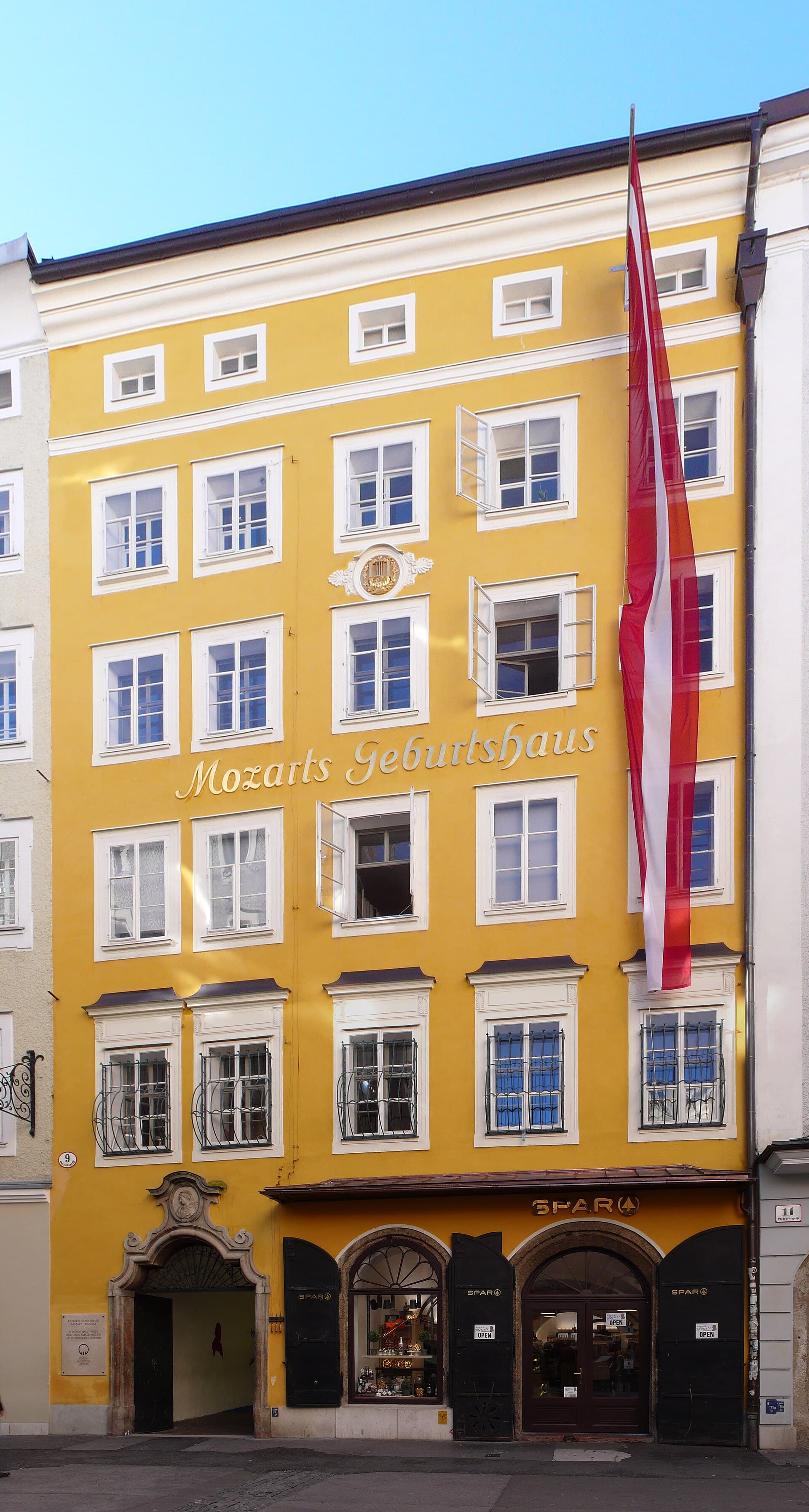 Mozart's BirthplaceOn the third floor of the yellow house on Getreidegasse, Wolfgang Amadeus Mozart1 minute walk4.4
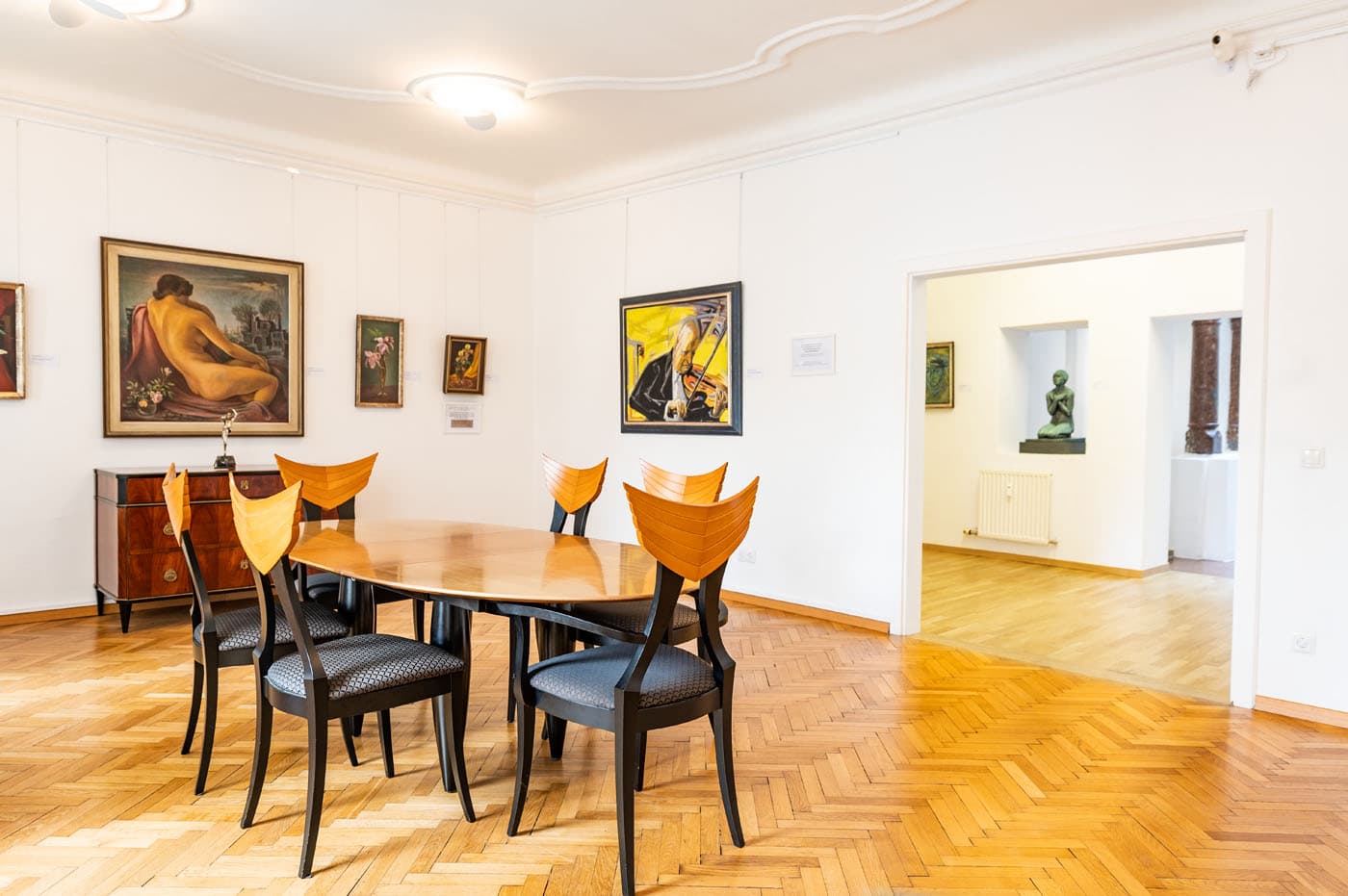 Museum of Art of the Lost GenerationA private museum in the old town devoted to Austrian and German artists whose wo2 minutes walk4.9
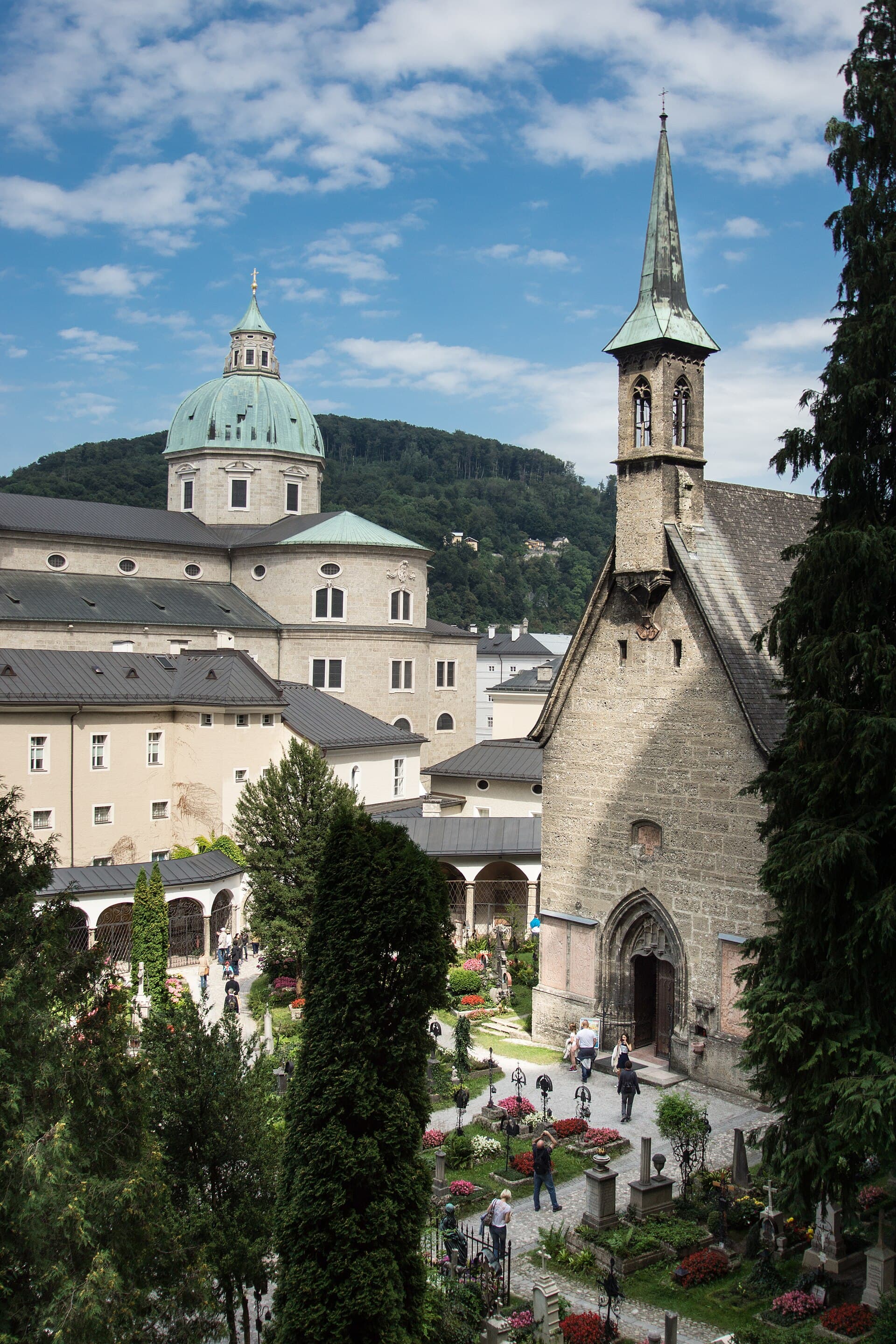 St Peter's Abbey and CemeteryA Benedictine abbey in old central Salzburg, founded in the seventh century and 4 minutes walk4.9
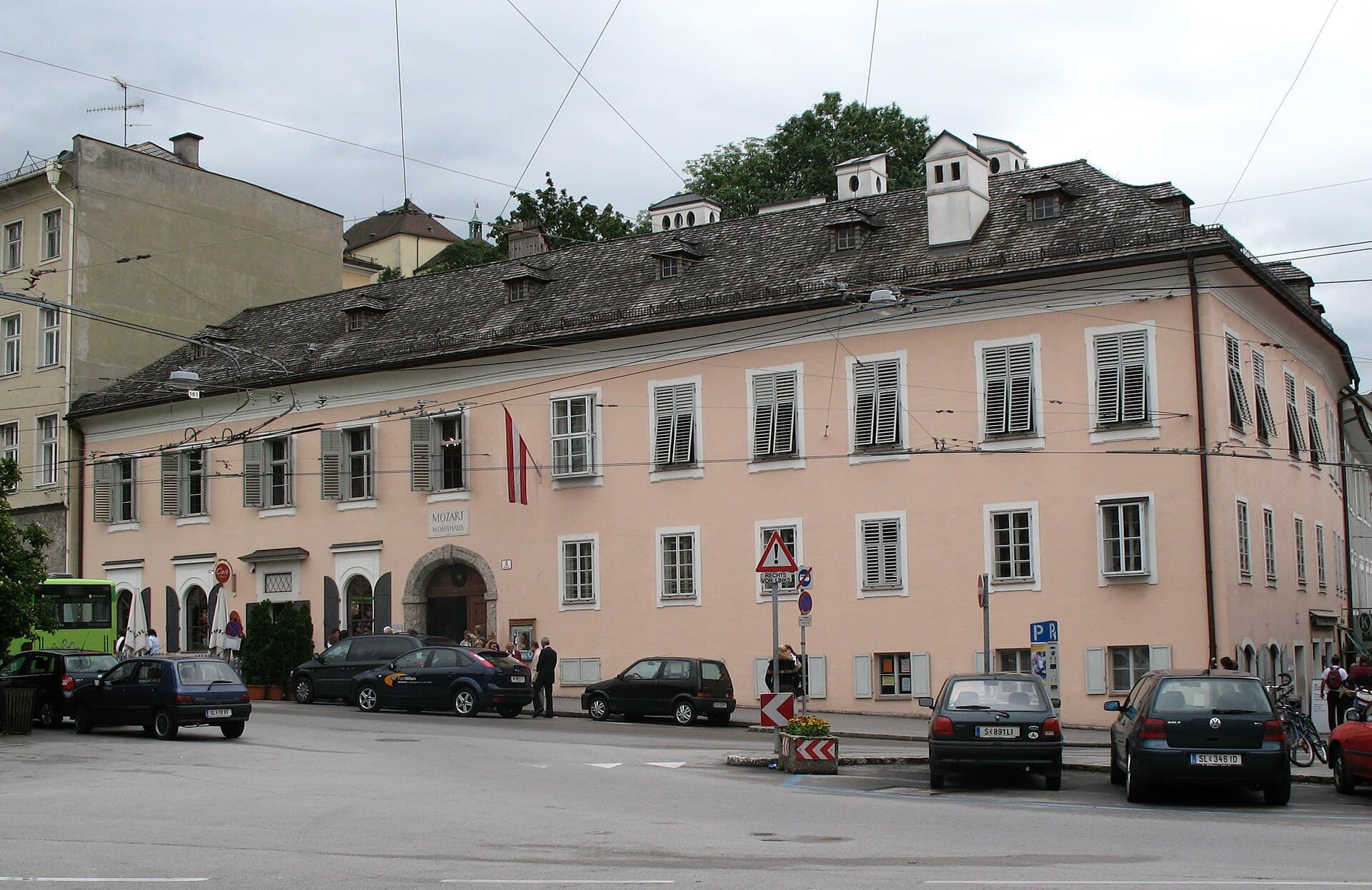 The Mozart ResidenceThe Residence is the mature Mozart: the birth house grown too small, the family 4 minutes walk4.2
 Stefan Zweig CentreA research centre and small exhibition devoted to the Austrian writer Stefan Zwe4 minutes walk4.6
Before nine in the morning or after the shops close in the evening. The lane is narrow and takes large numbers in season, and the buildings and signs read far better when it is empty. The shops are shut at both times, but if architecture is your interest that does not matter.
Covered alleys cutting through the buildings and linking Getreidegasse to the parallel streets through interior courtyards. They are free and open and much quieter than the lane, with small shops and cafés. Any turn into one gives you the Salzburg that does not appear in the usual photographs.