
The marble mirror
Stone foot-polished across centuries.
Zysko serhii — CC BY-SA 4.0 · donald judge — CC BY 2.0 · donald judge — CC BY 2.0 · donald judge — CC BY 2.0
The Stradun is Dubrovnik's marble salon: the three-hundred-metre main street of limestone foot-polished across centuries into a mirror that gleams in rain and moonlight — from the Pile Gate and Onofrio's great fountain (1438 — its mountain-fed water still drinkable today) to the Clock Tower and Orlando's Column, where the republic's proclamations rang. Off its sides the city is a fish's skeleton: vertical stair-lanes climbing both hills — its treasures clustered at the eastern end: the Sponza Palace, St. Blaise's church (the patron whose statue holds the city's model everywhere), the cathedral and its treasury — and by the Pile Gate the Franciscan pharmacy (1317): Europe's third-oldest, still selling creams from the friars' recipes. Evening is its true magic: marble gleaming under lanterns, cruise ships gone, café life in the side lanes — and the golden rule: everything one stair-flight off the Stradun costs half.
Stone foot-polished across centuries.
1438 water drunk to this day.
The fishbone climbing both hills.
Stradun, 20000 Dubrovnik
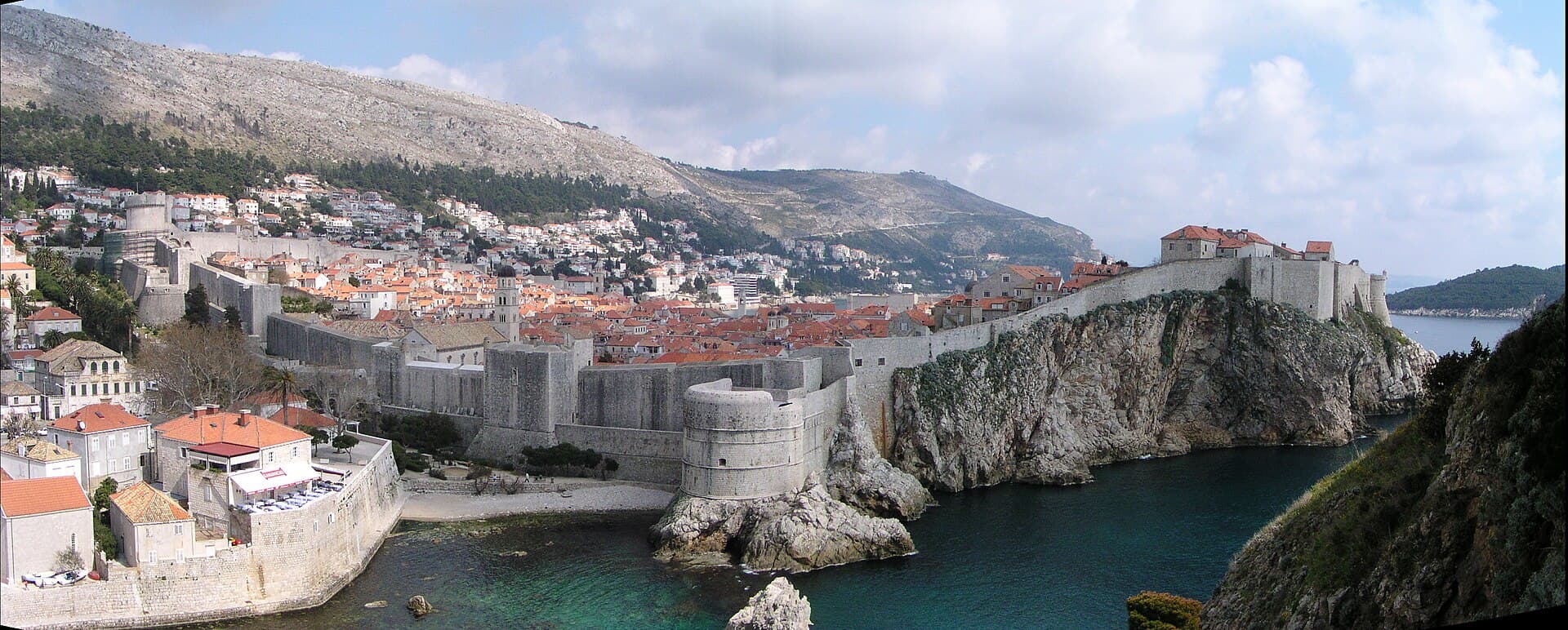 The Walls of DubrovnikDubrovnik's walls are medieval Europe's most complete, outright: two unbroken ki1 minute walk4.7
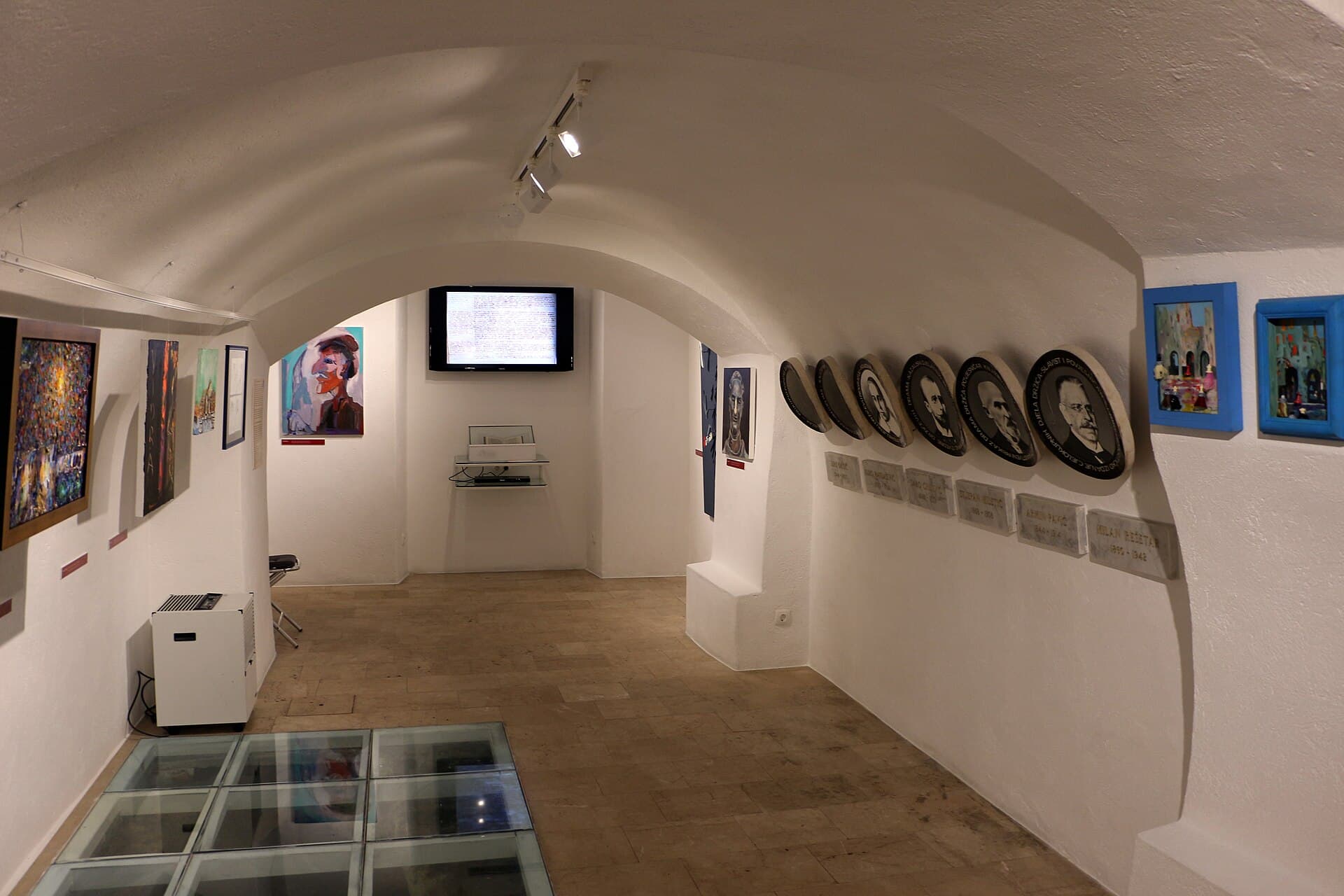 The House of Marin DržićA small museum in Dubrovnik's old town devoted to Marin Držić, the most importan1 minute walk4.2
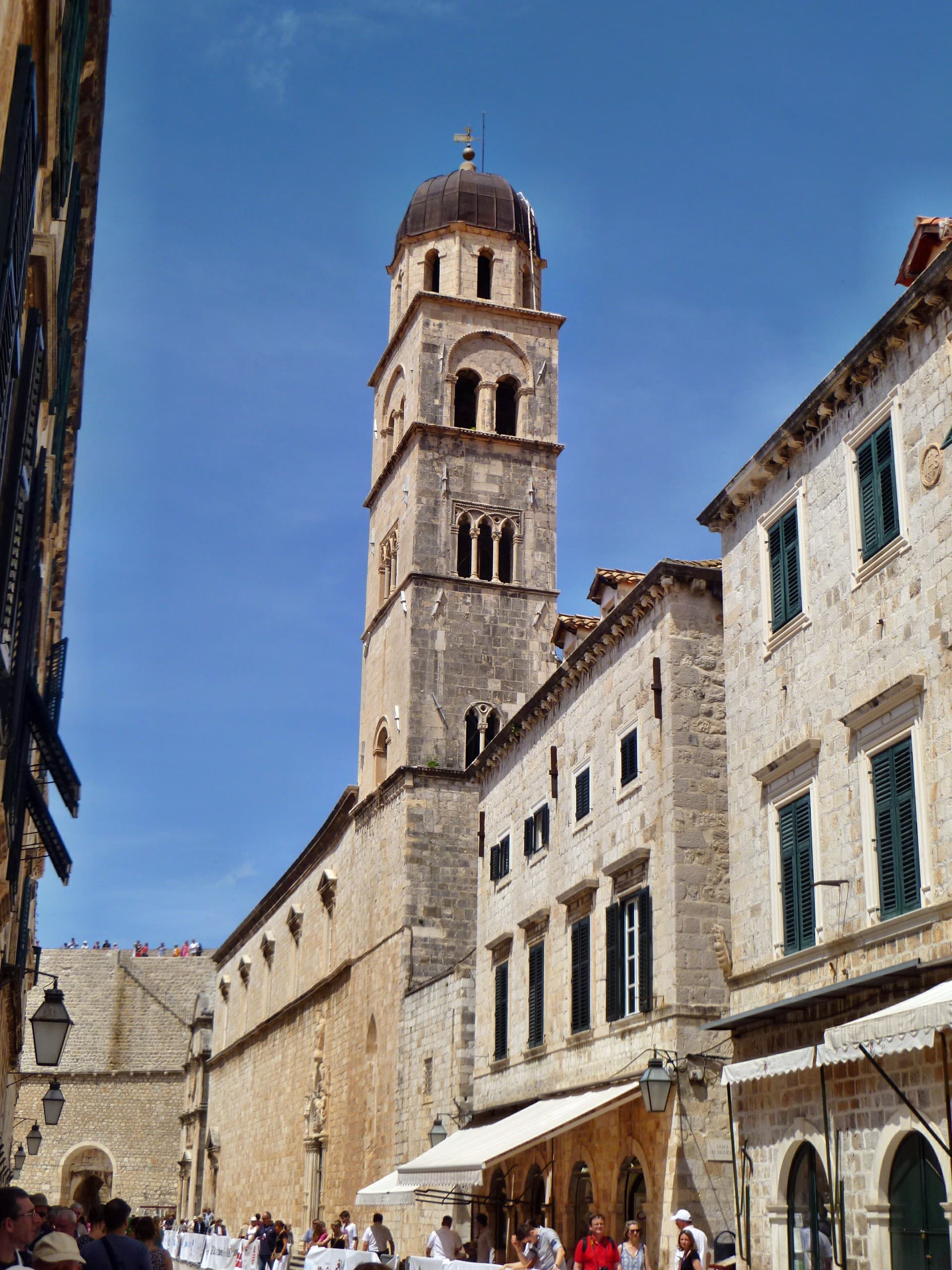 Franciscan Monastery and the Old PharmacyIt stands at the very start of the **Stradun**, just inside the Pile Gate, and h1 minute walk4.3
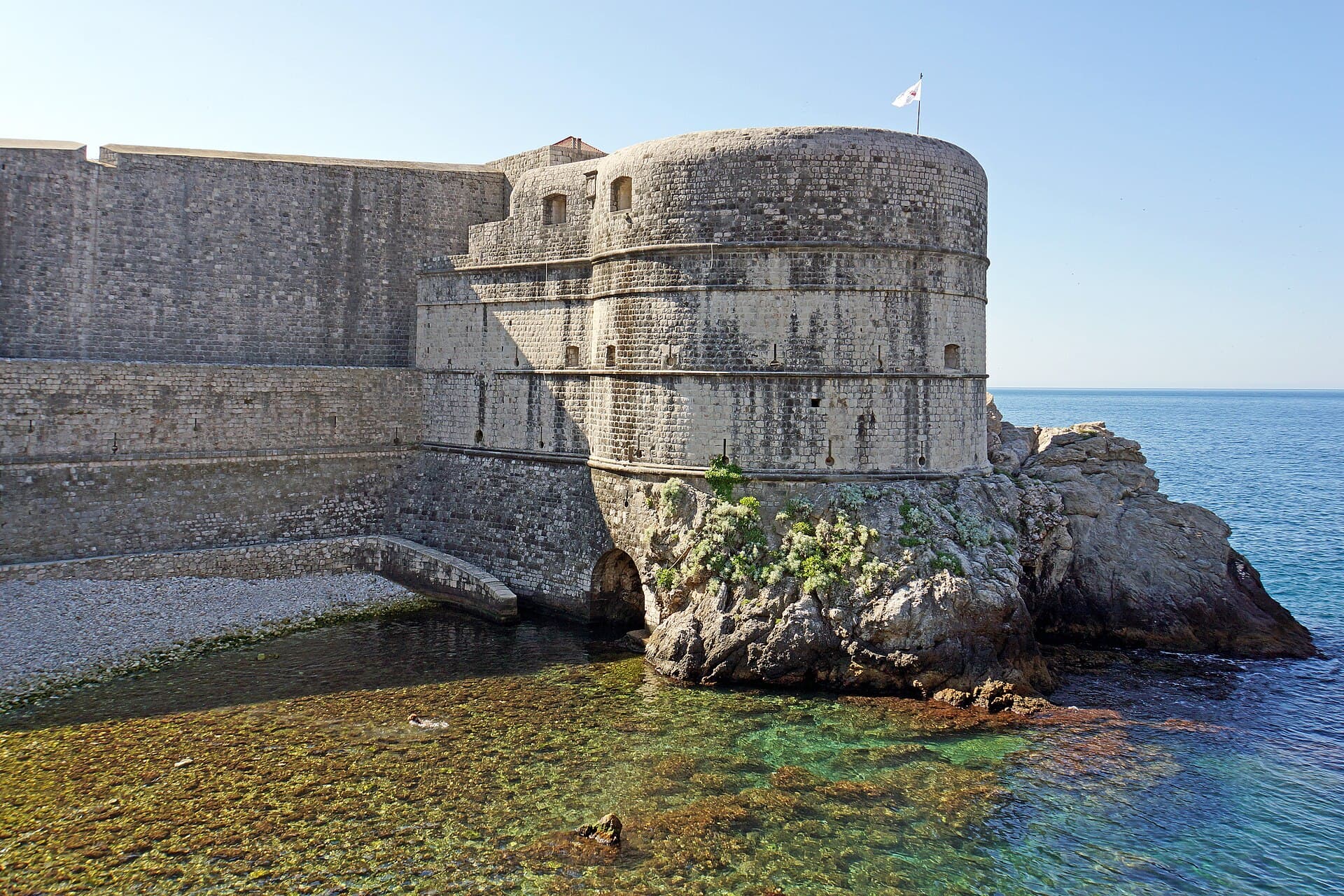 Bokar FortressA sea fortress at the western end of Dubrovnik's walls, standing on a rock proje2 minutes walk4.7
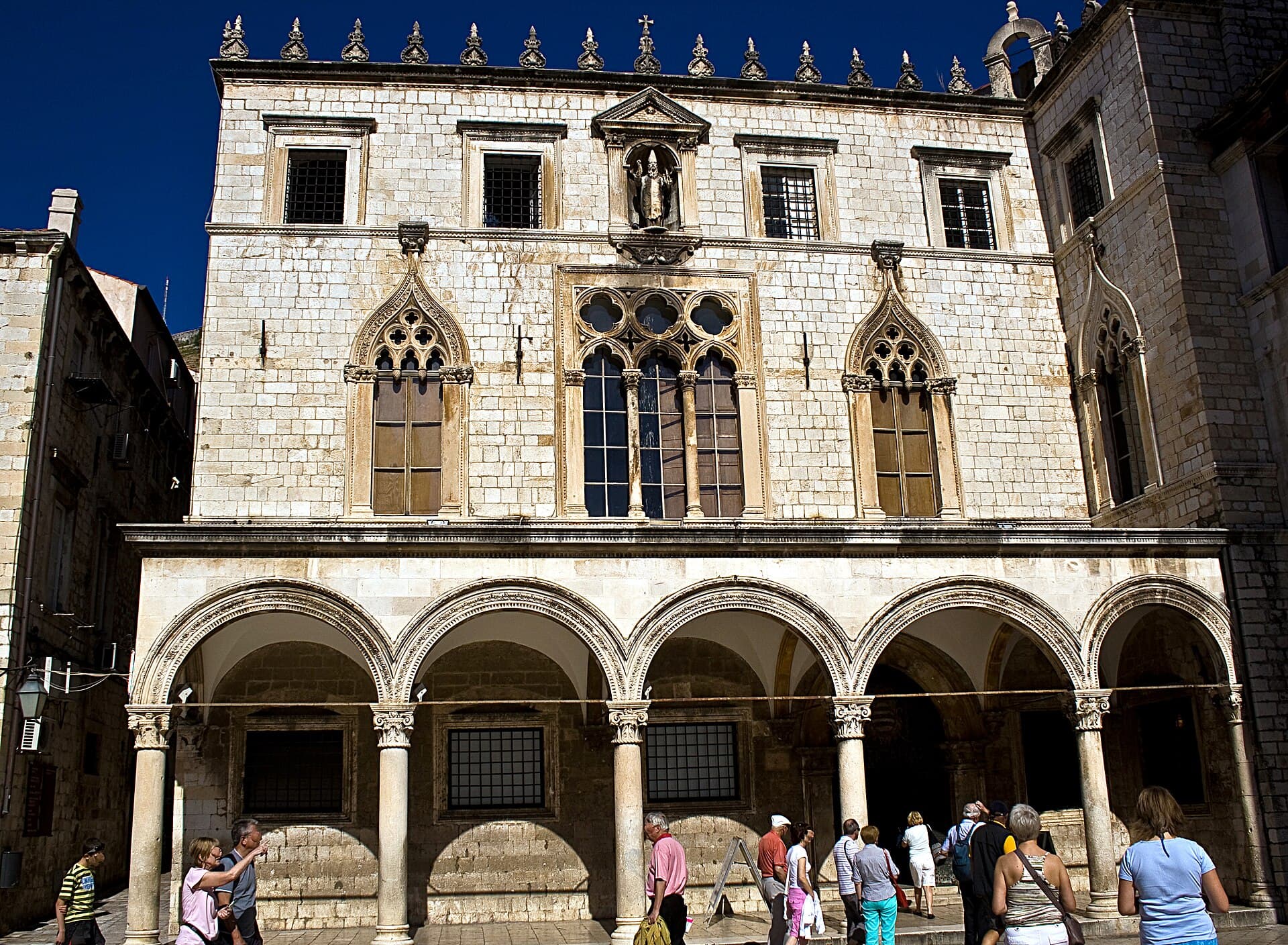 Sponza PalaceThe building that survived. When the **1667 earthquake** destroyed medieval Dubr2 minutes walk4.4
A maritime city-state that rivalled Venice five centuries (1358-1808) by cunning more than fleet: it bought peace from everyone — the Sublime Porte especially, whose yearly tribute opened every eastern port — abolished the slave trade (1416) centuries before Europe, and its motto Liberty is not sold for all the gold in the world still marks its fort. It fell by Napoleon's decree, not siege — its walls left unbreached.