
A portal for a narrow street
Designed to be seen from close up — a constraint the architect handled with skill.
Gryffindor — CC BY-SA 3.0 · Luigi Caputo — CC BY-SA 4.0 · Luigi Caputo — CC BY-SA 4.0 · Walter Vopava — CC BY-SA 4.0
A Baroque palace on Renngasse in the 1st district, by Johann Bernhard Fischer von Erlach in the early eighteenth century — the same architect as the Karlskirche and parts of Schönbrunn. The portal is what to look at: a massive entrance with columns, figures and carved detail, designed to be seen from a relatively narrow street. Fischer von Erlach was skilled at exactly that constraint — how to make an imposing effect when the viewer cannot step back. The palace was built for the Hungarian Batthyány family and later passed to the Schönborns, hence the double name. That pattern is common in Vienna: palaces carry the successive names of the families that owned them, and the name itself tells part of the city's history. A plain practical point: the building is in private and administrative use and is not visitable inside. The visit is minutes in front of the portal on a walk through the 1st district, where several palaces of the same period stand within a short distance.
Designed to be seen from close up — a constraint the architect handled with skill.
Built for the Hungarian Batthyánys, later the Schönborns — the name records it.
The 1st district holds several Baroque palaces within a short distance.
Renngasse, 1st district, Vienna
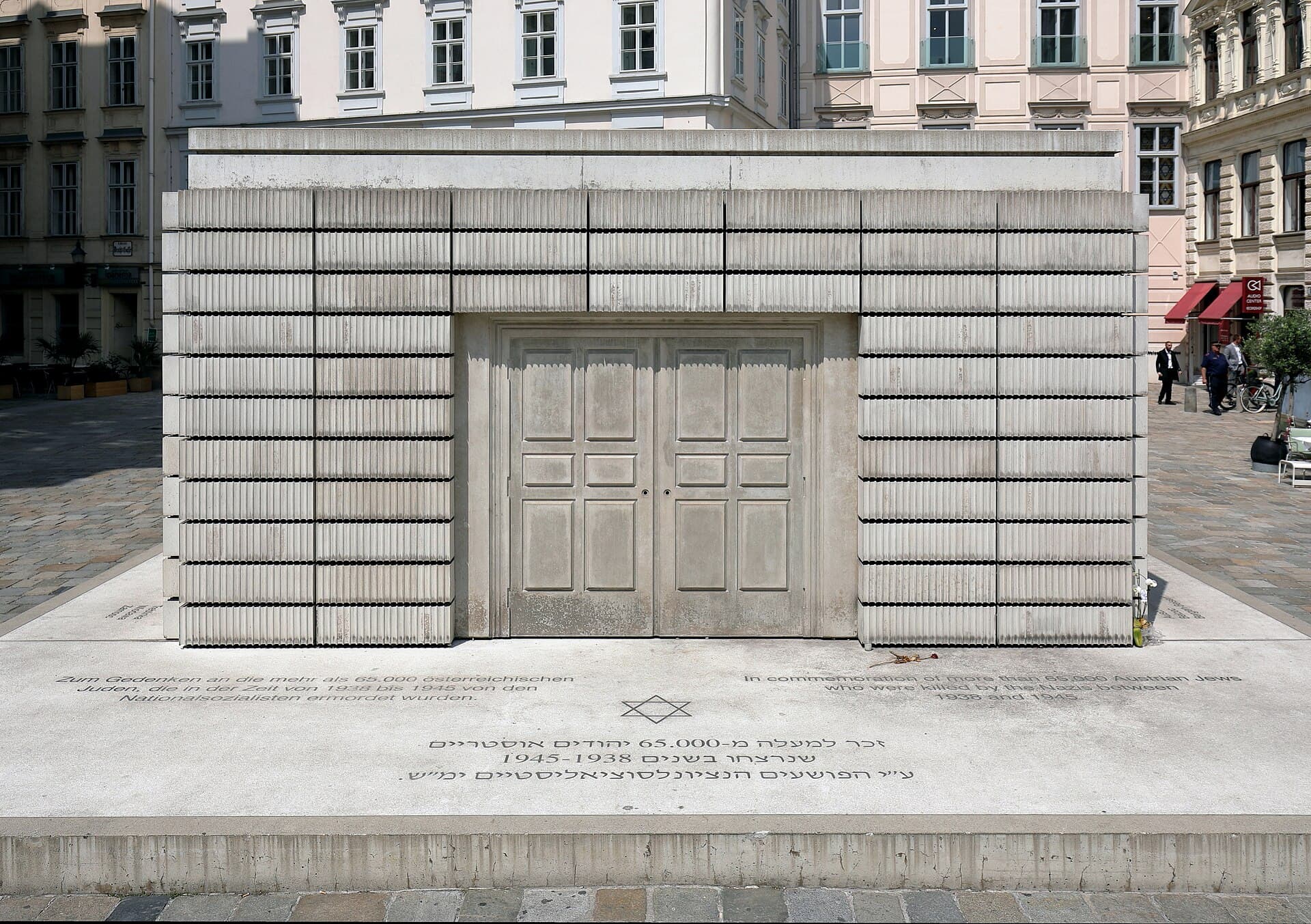 Judenplatz Holocaust MemorialA concrete block in the middle of a small quiet square, designed by the British 3 minutes walk4.4
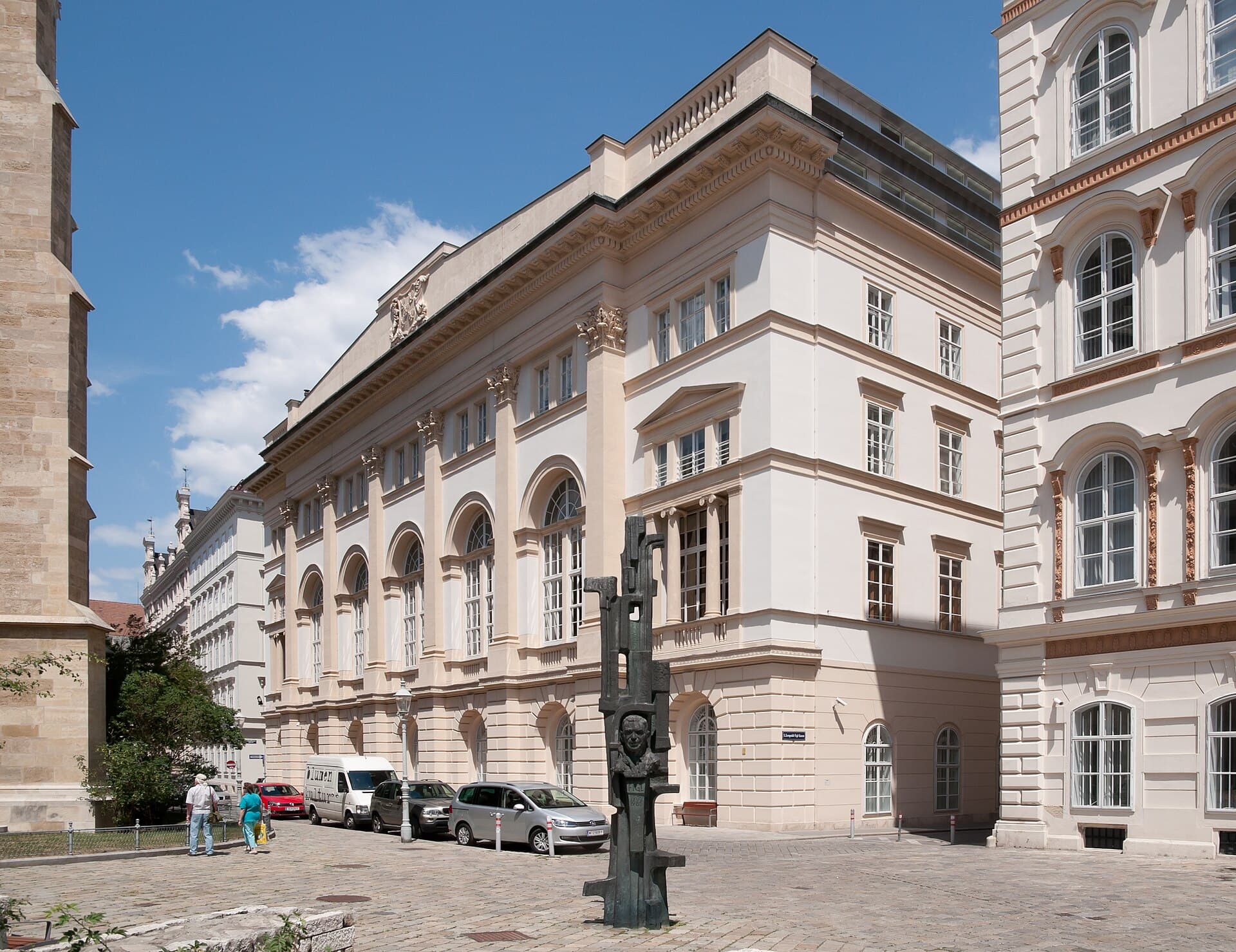 Palais NiederösterreichA historic palace on Herrengasse in central Vienna, for centuries the seat of th3 minutes walk4.8
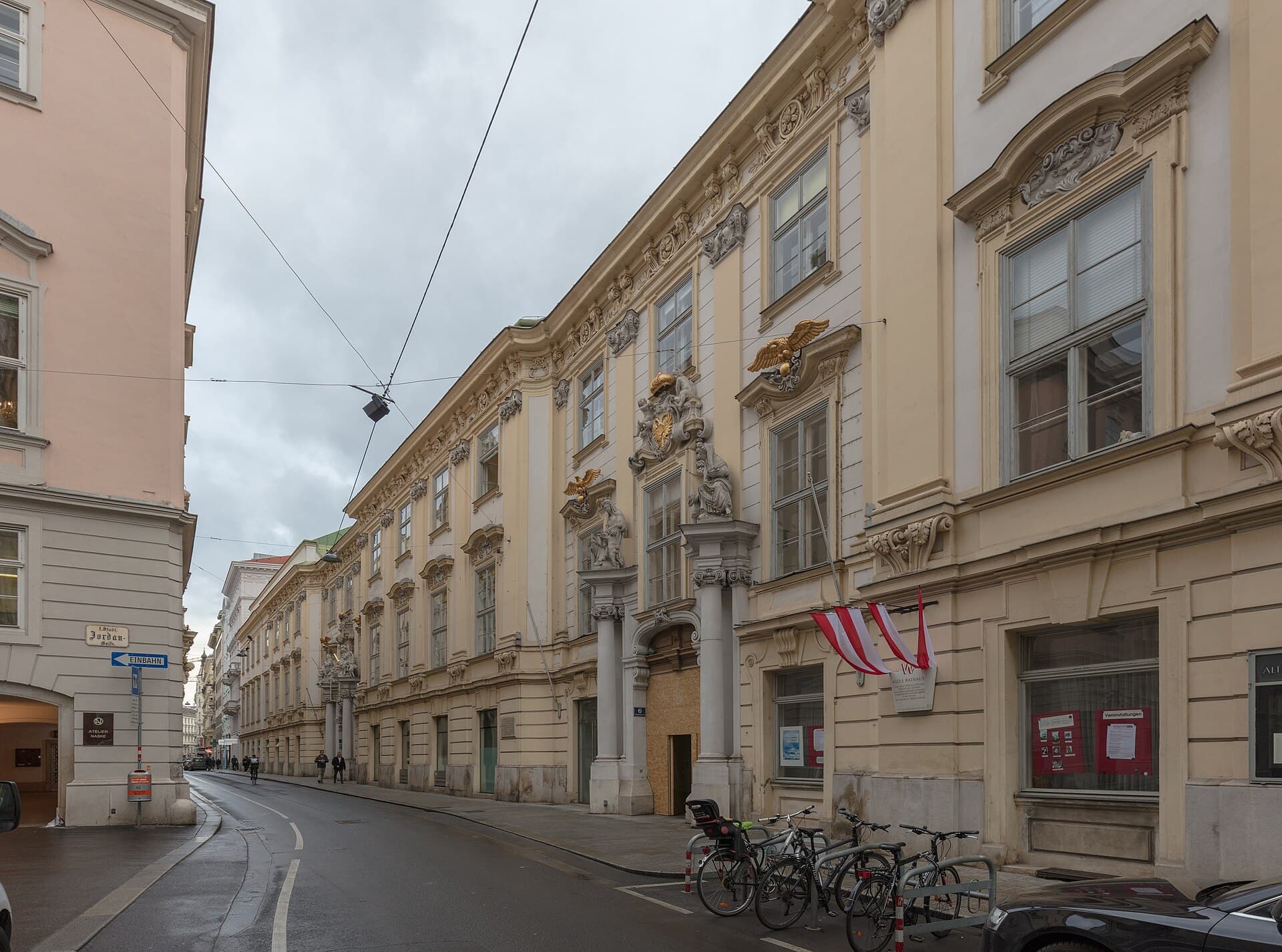 Altes Rathaus, ViennaVienna's old city hall, before the municipality moved to the vast Gothic buildin4 minutes walk4.7
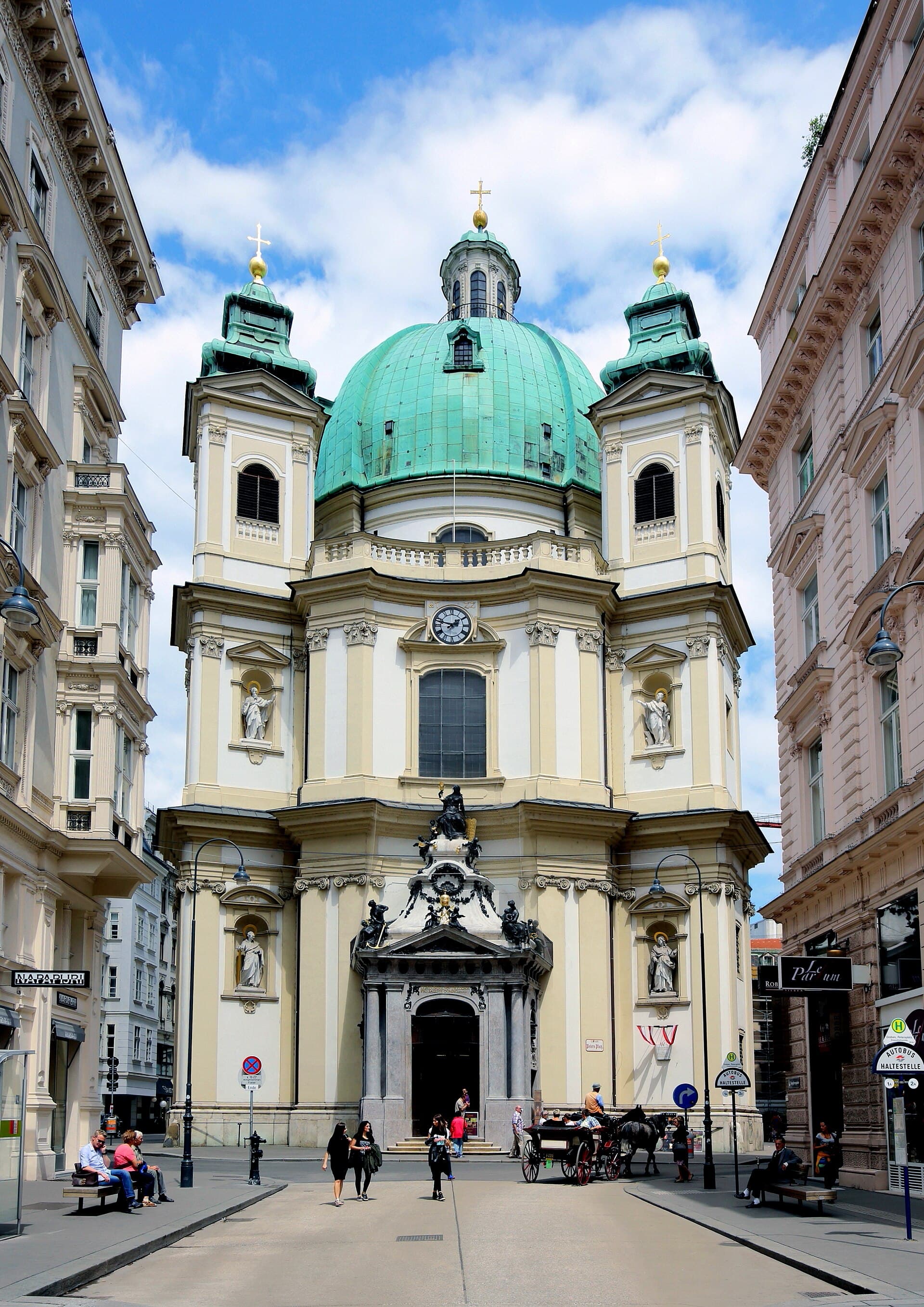 St. Peter's ChurchThe Peterskirche is the Graben's hidden surprise: you turn off Vienna's grandest5 minutes walk4.6
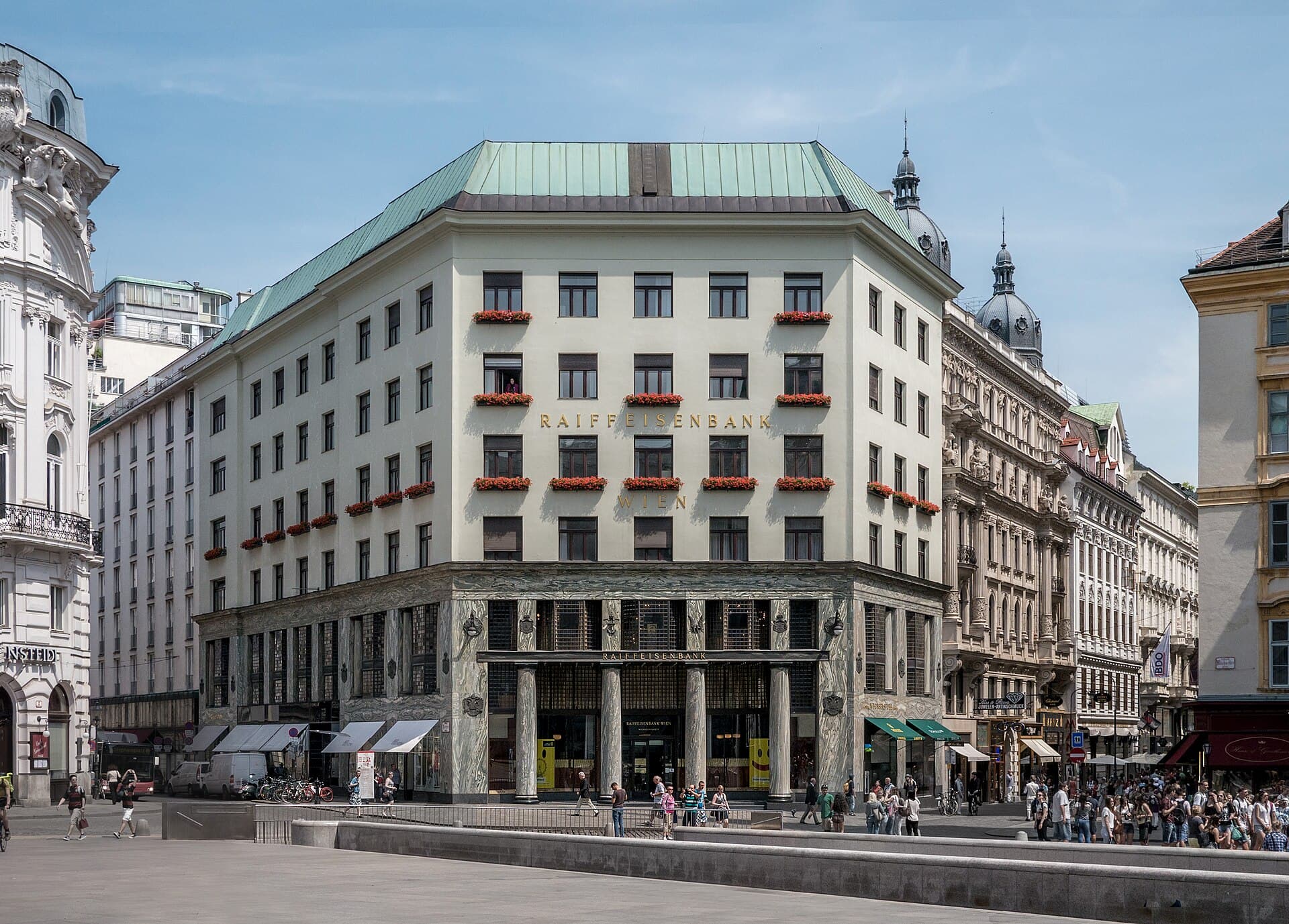 LooshausA building of 1911 designed by the architect Adolf Loos on Michaelerplatz, direc5 minutes walk4.4
No. The building is in private and administrative use with no tours. If you want a Viennese Baroque interior that is open to visitors, the Liechtenstein Garden Palace and the Belvedere are both visitable and worth it.
Because ownership moved between noble families by sale, marriage or inheritance, and the name in use combines the first owner with the best known. That small detail reveals how the European elite was a network across borders: a Hungarian family building in Vienna, a German family inheriting it.