
The engine room
A vast steam engine and its pistons — seeing it from inside is another thing entirely.
Original uploader: et:Kasutaja:Boy (Estonian language wikipedia). — CC BY-SA 3.0 · Tony Webster — CC BY 2.0 · Michał Derela — CC BY-SA 4.0 · Michał Derela — CC BY-SA 4.0
A steam icebreaker moored at the Seaplane Harbour museum north of Tallinn, among the oldest preserved steam icebreakers in the world. She was built in Germany in 1914 and served under different flags through a turbulent century: tsarist Russia, then independent Estonia, then the Soviet Union, then Estonia again. The ship's own history is a summary of the region's. Her function explains the Baltic: the gulf freezes in winter, and without icebreakers the ports stop and the country is cut off from the world. This ship opened a way for others through ice metres thick. You can go aboard and move through her spaces: the engine room with its huge pistons, the wheelhouse and the crew quarters. Seeing a steam engine of this size from inside is a different experience from reading about one. The ship is part of the Seaplane Harbour maritime museum, which includes a historic concrete hangar holding a submarine and aircraft — and the ticket normally covers both.
A vast steam engine and its pistons — seeing it from inside is another thing entirely.
Tsarist Russia, Estonia, the USSR, Estonia — the region's history in one ship.
The gulf freezes; without them the ports stop and the country is cut off.
The Seaplane Harbour, north of Tallinn
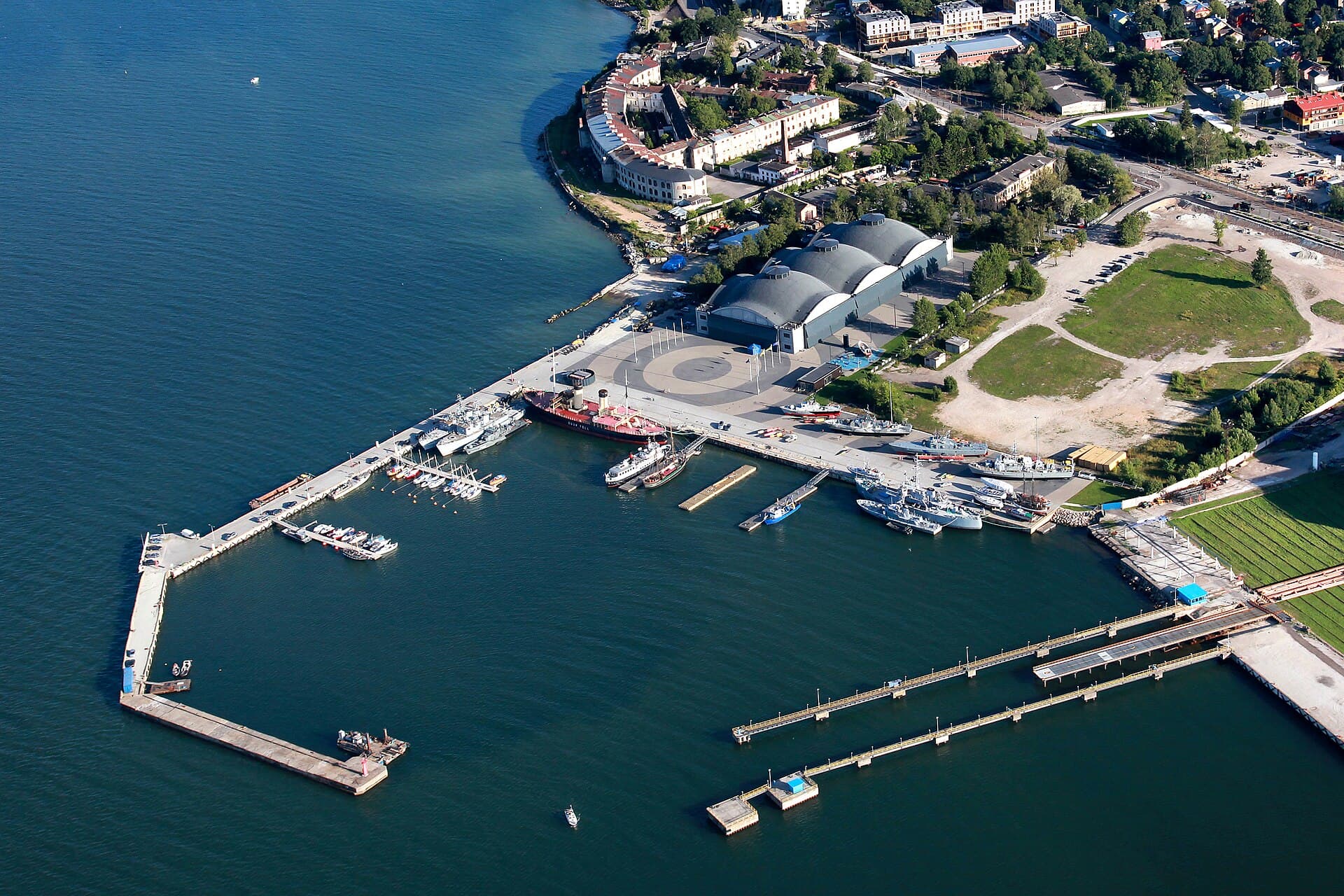 Seaplane HarbourA maritime museum inside a concrete seaplane hangar: Lennusadam was built in 1913 minutes walk4.7
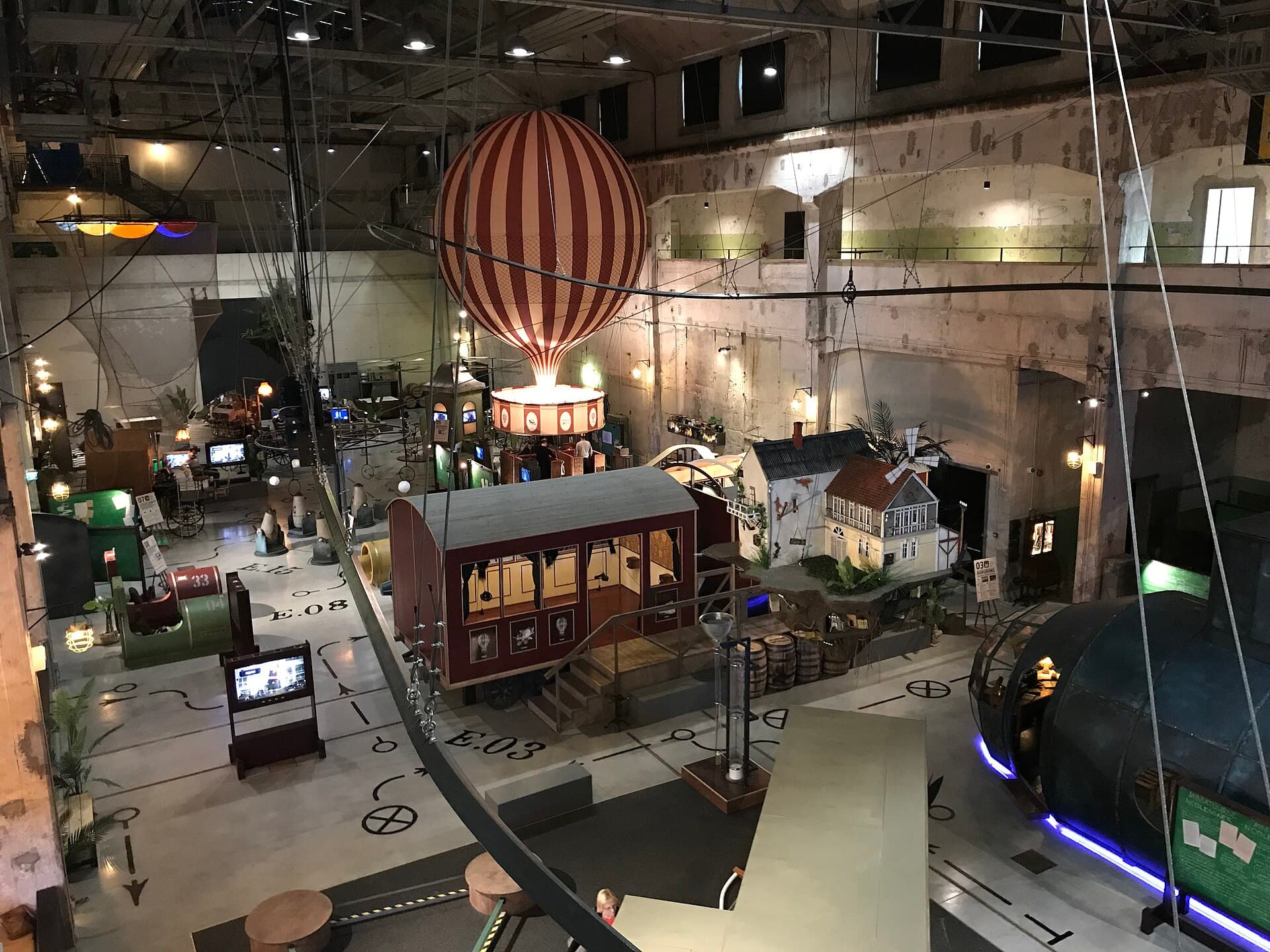 PROTO Invention FactoryAn interactive science centre in a former shipyard building at Noblessner north 7 minutes walk4.4
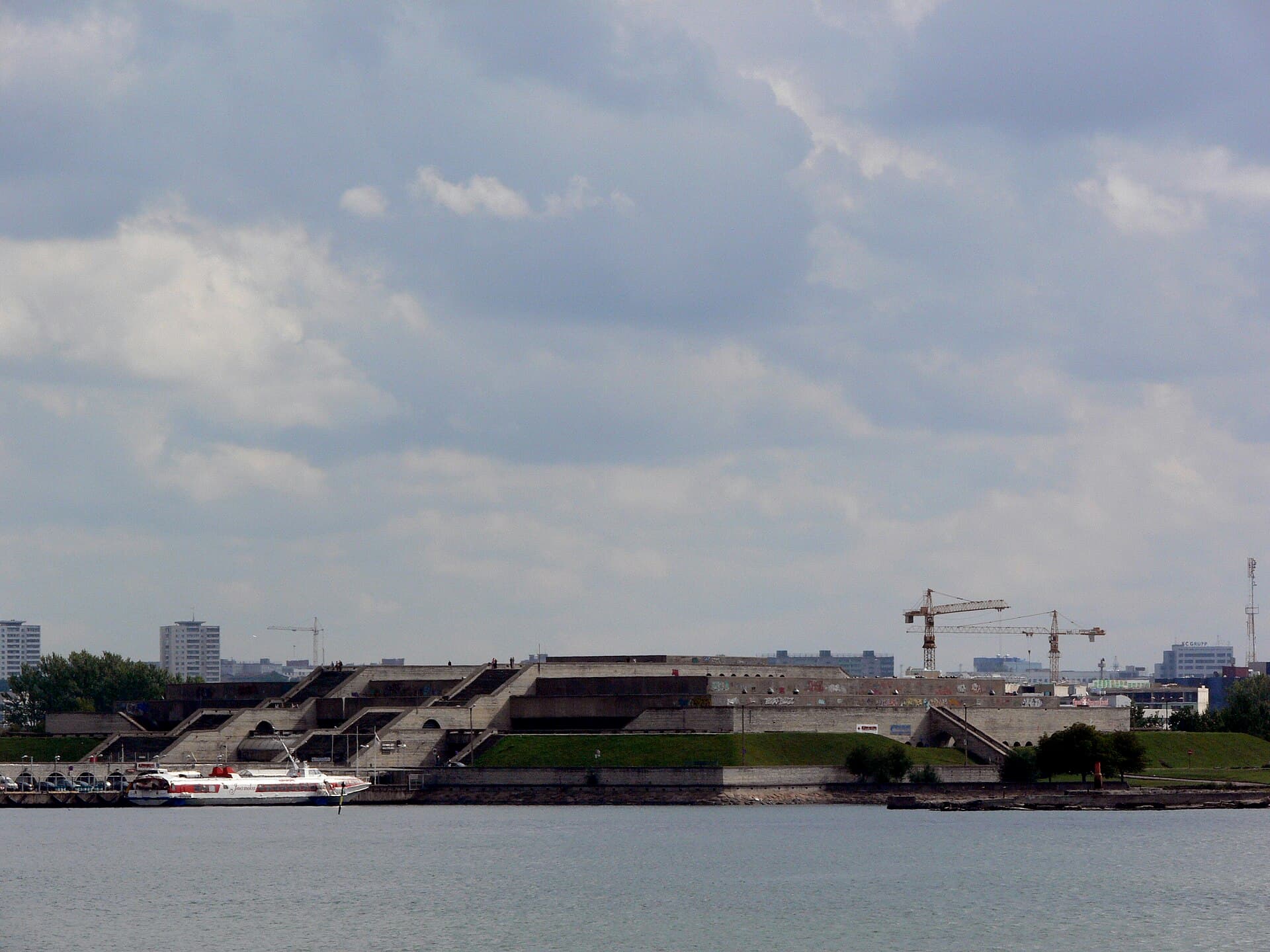 LinnahallA vast concrete building between the old town and the sea, built for the 1980 Mo14 minutes walk4.3
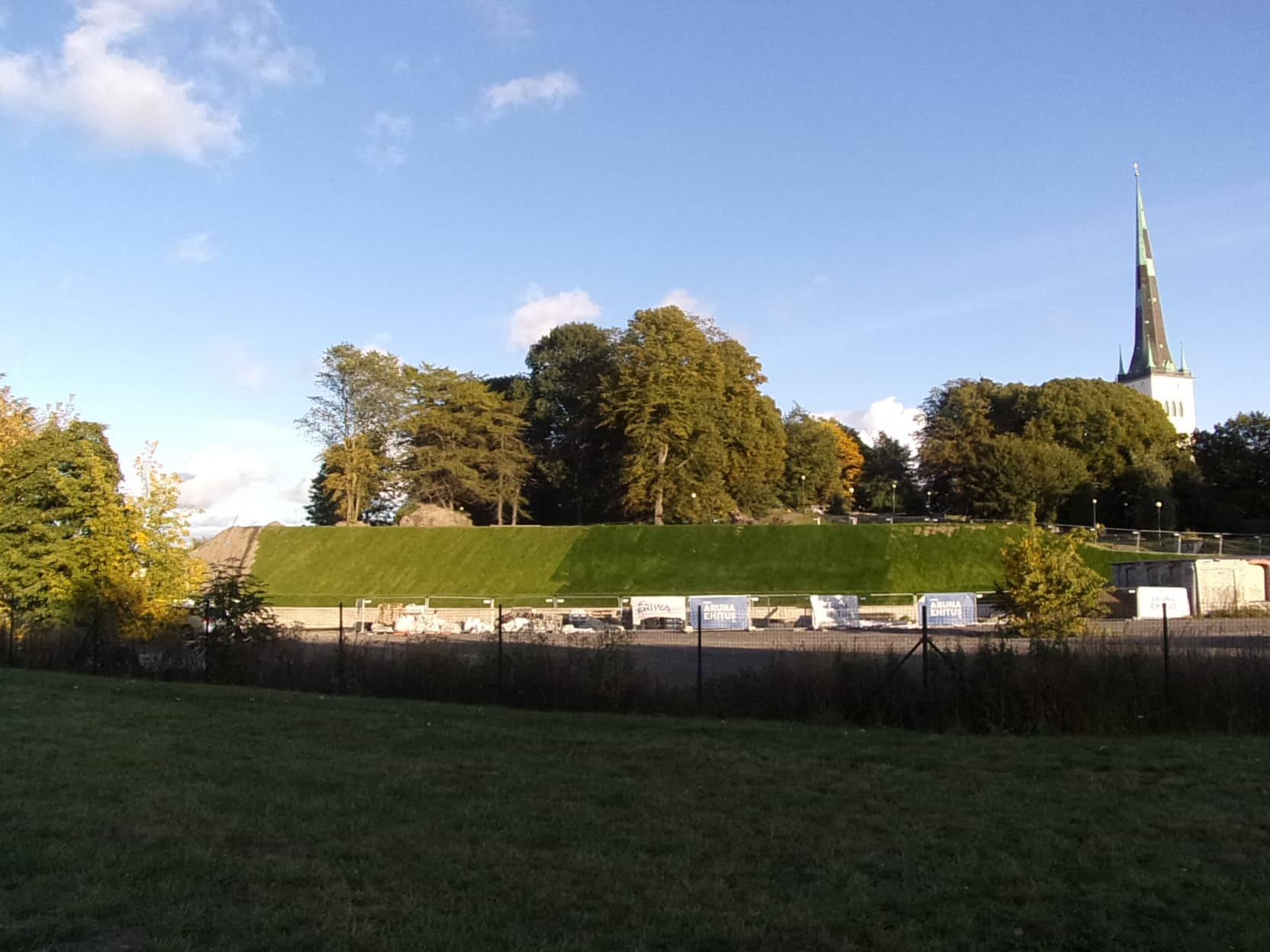 Skåne BastionAn earthwork bastion from the Swedish period north of the Old Town, known today 15 minutes walk4.1
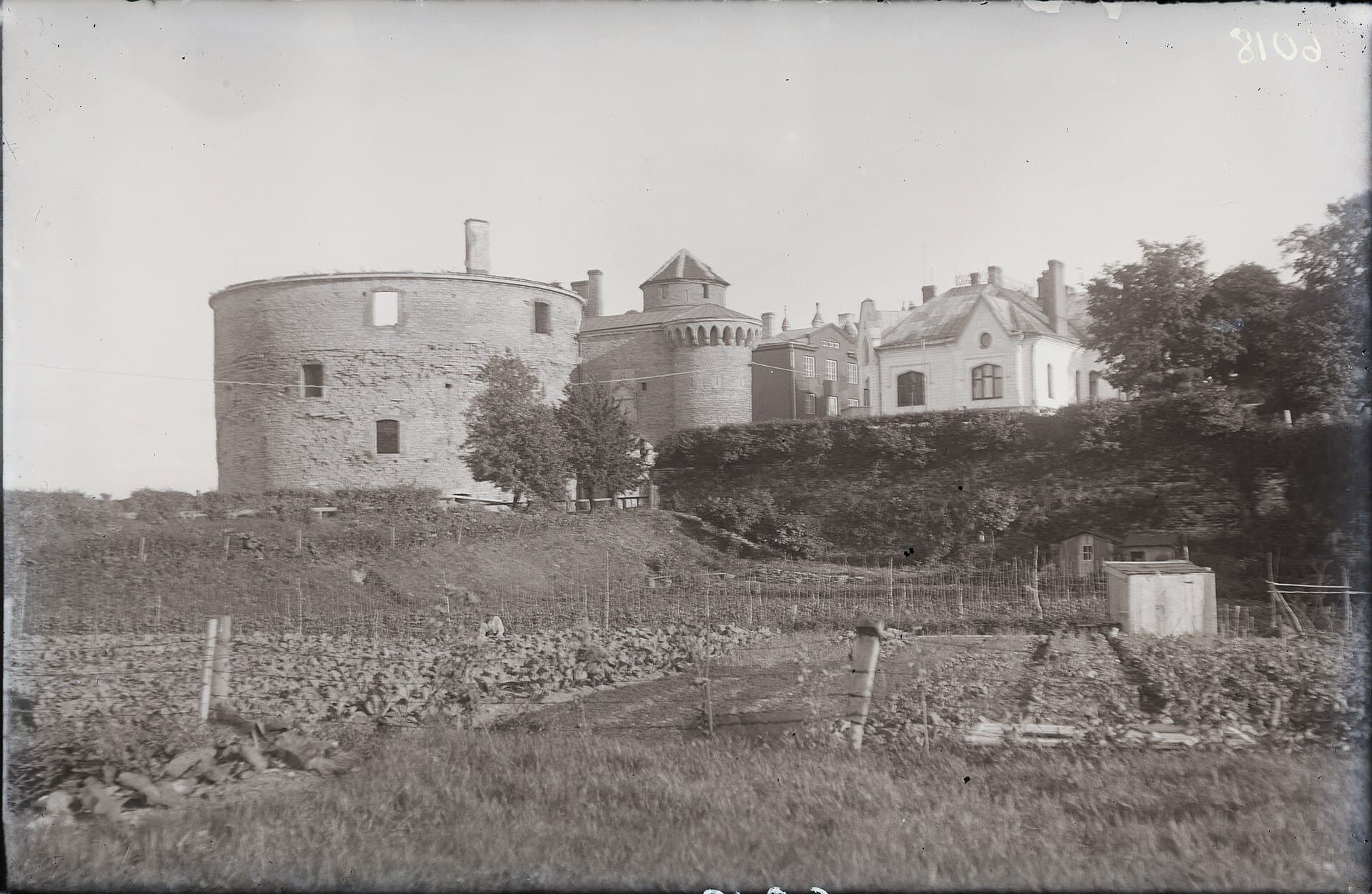 Fat MargaretAn artillery tower with walls five metres thick at the sea gate: Fat Margaret wa16 minutes walk4.7
A vast concrete dome built in 1917 as a seaplane hangar, among the world's first concrete shells with no internal supports. It now holds a 1930s Estonian submarine you can enter, aircraft, boats and maritime displays. The museum is interactive and suits children very well.
Clearly yes, and it is among Tallinn's best options with children. The submarine you can enter, the ship you walk through and the interactive displays are all tangible. Allow half a day, because children will not want to leave quickly.