
Painted ceilings
Carved and coloured.
Jean-Pierre Dalbéra from Paris, France — CC BY 2.0 · Jean-Pierre Dalbéra from Paris, France — CC BY 2.0 · Enric — CC BY 4.0 · Mupapap29 — CC BY-SA 4.0 · LBM1948 — CC BY-SA 4.0 · Enric — CC BY 4.0 · Miss Kamola — CC0 · Miss Kamola — CC0
Uzbekistan's State Museum of Applied Arts occupies a remarkable late 19th-century mansion known as the Polovtsov House, after the Russian diplomat Alexander Polovtsov. Its interiors were reworked in Oriental style by master craftsmen from Tashkent, Bukhara, Khiva and Rishtan. The building is the star: painted and carved wooden ceilings, walls of carved plaster (ganch), blue tilework and a hall with a pool at its centre, among the finest showcases of Uzbek decorative art. Founded in 1937 as a handicrafts exhibition, the museum now holds more than 4,000 pieces: carved wood, ceramics, suzani embroideries, silk ikat, traditional skullcaps, jewellery, carpets and musical instruments. Tickets are about 40,000 som, with a possible extra fee for photography, per visitor guides. It is open daily from 9 am to 6 pm, and the ticket desk closes an hour earlier.
Carved and coloured.
Silk and embroidery.
On the walls.
15 Rakatboshi Street, Tashkent
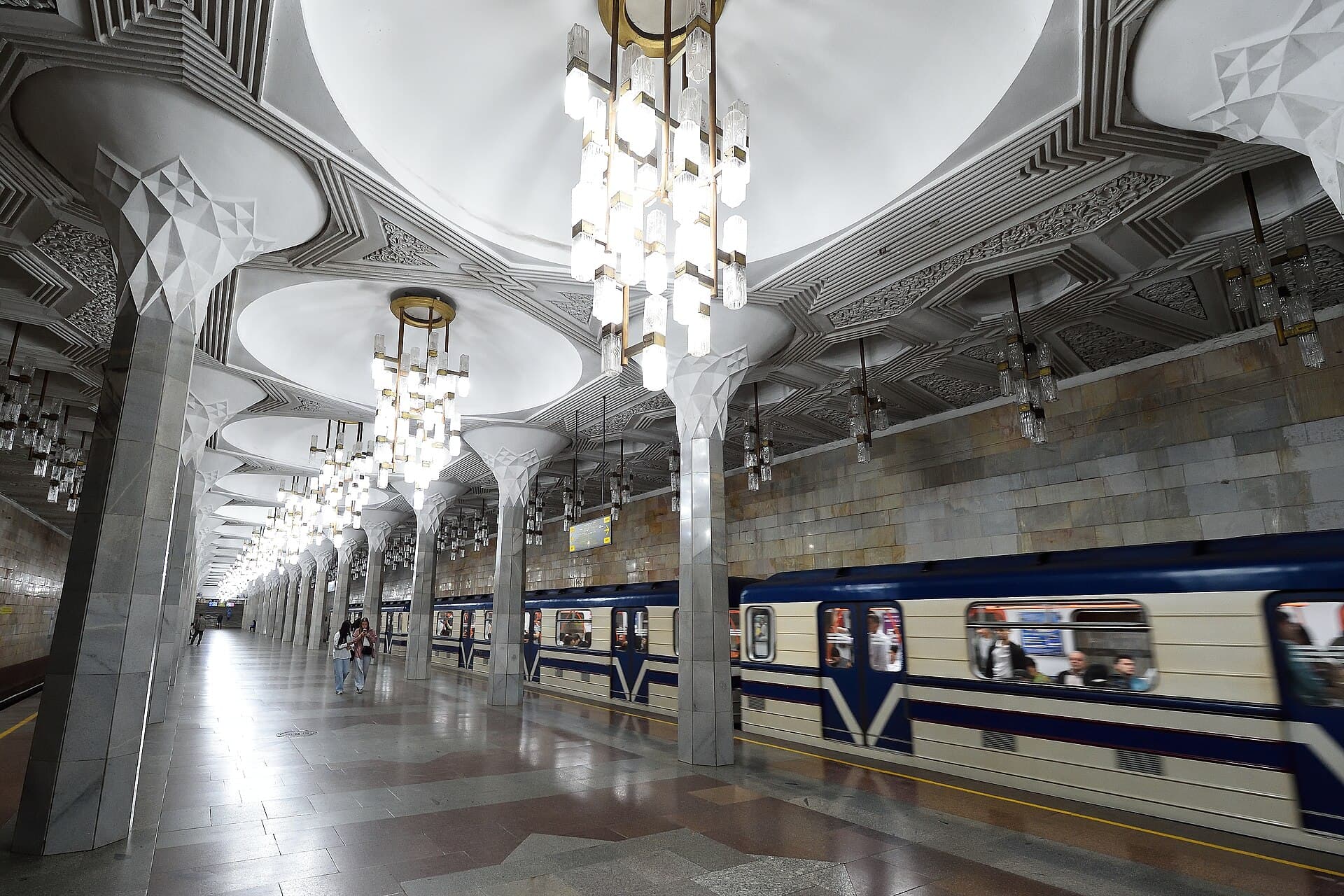 Tashkent MetroCentral Asia's first metro, opened on 6 November 1977 after the 1966 earthquake,8 minutes walk
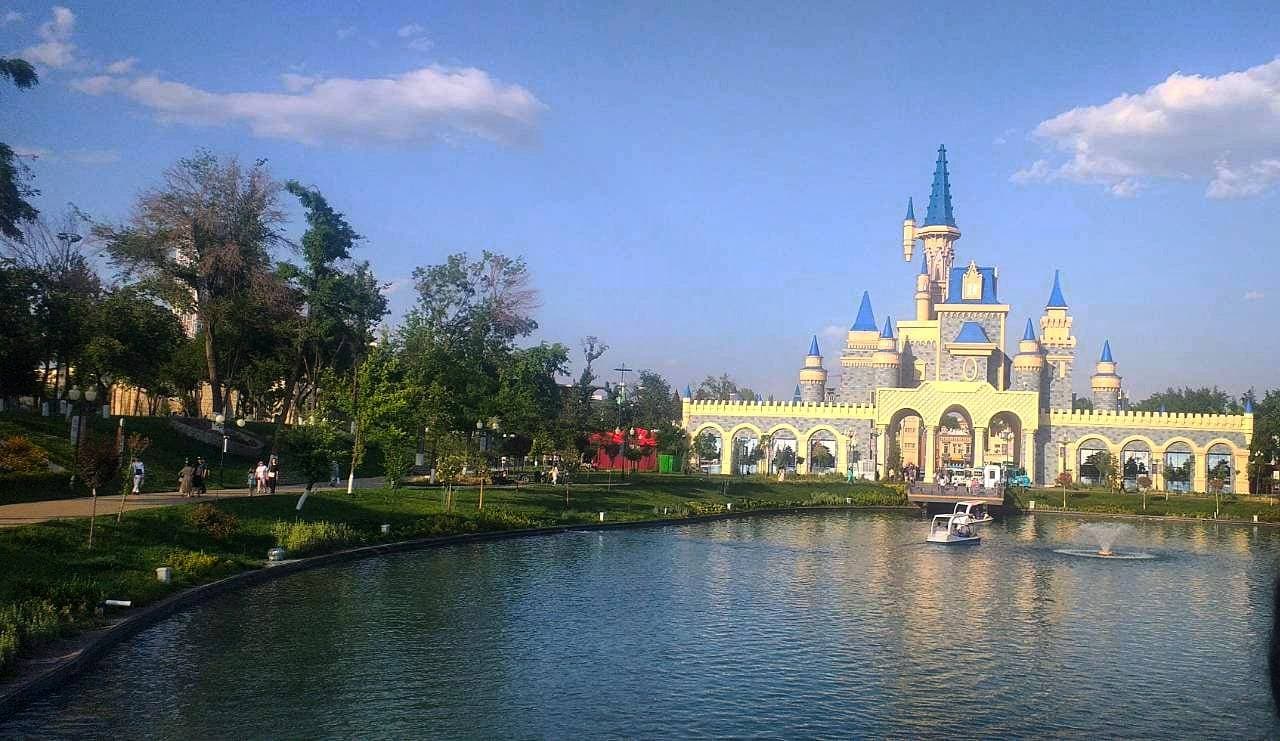 Magic City ParkAn entertainment park in Tashkent set around a small lake with a colourful fairy16 minutes walk4.5
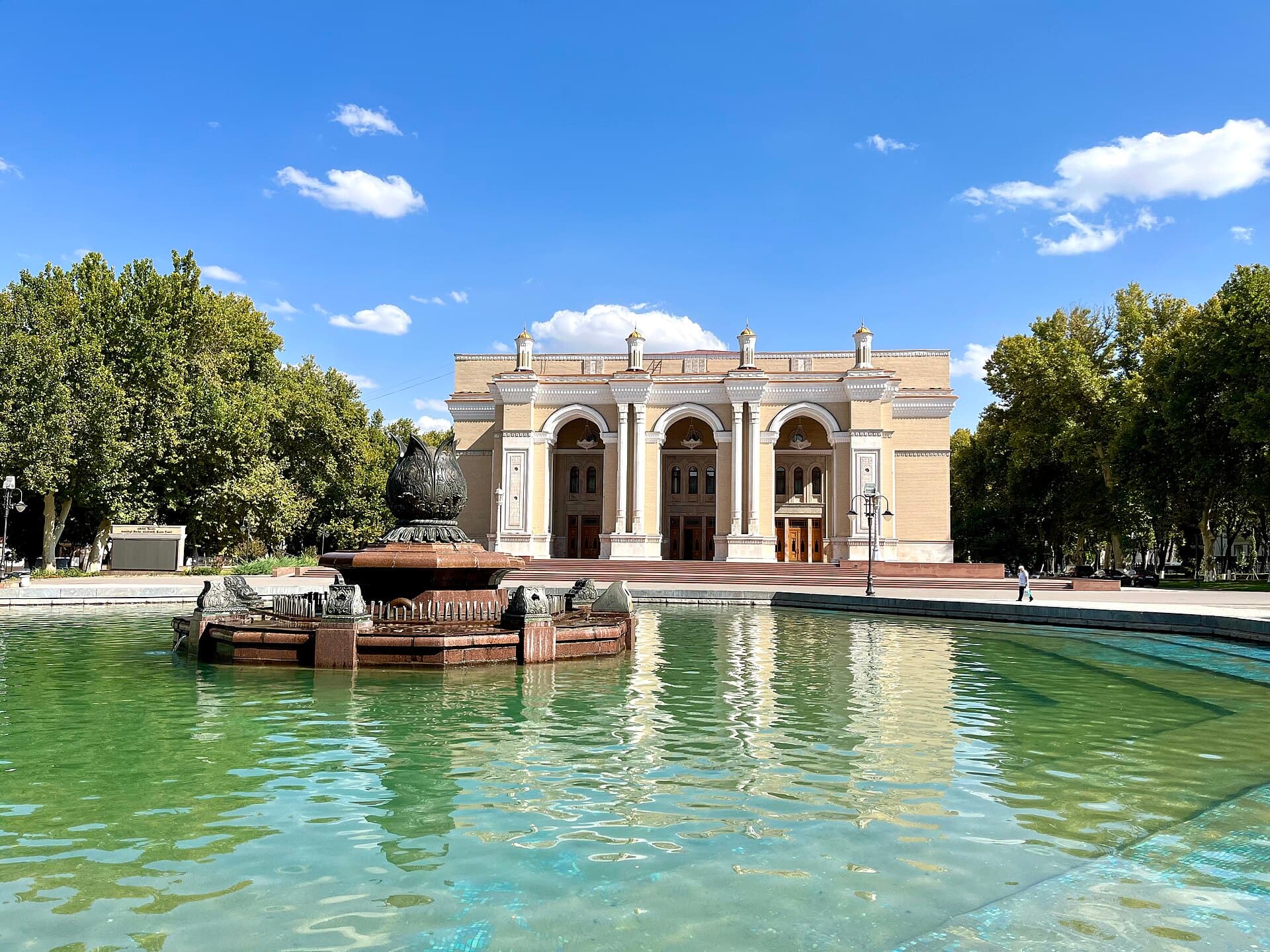 Alisher Navoi TheatreUzbekistan's national opera and ballet house, officially the Alisher Navoi State17 minutes walk4.6
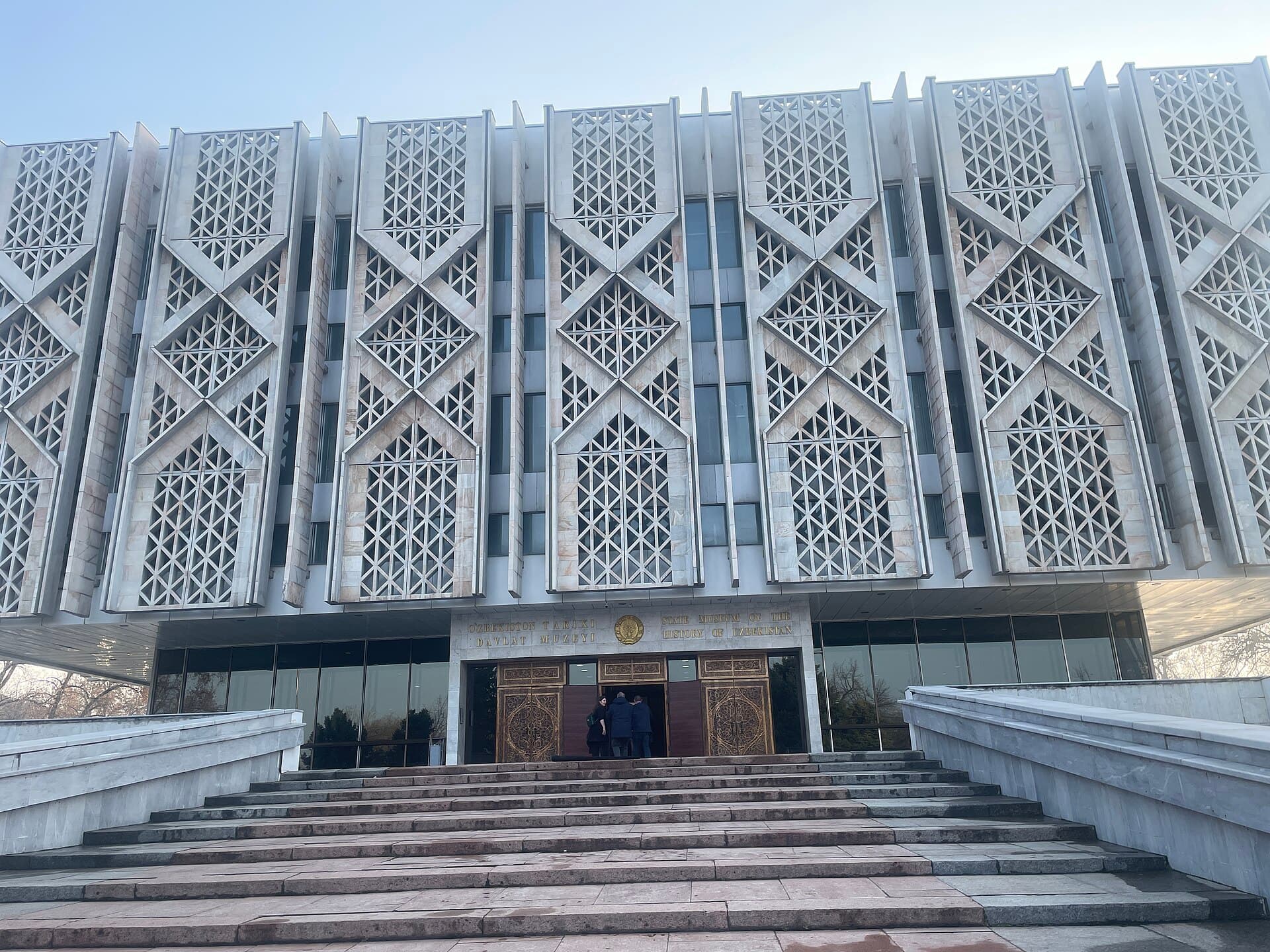 State Museum of History of UzbekistanCentral Asia's oldest museum and Uzbekistan's main history museum, founded in 1818 minutes walk4.1
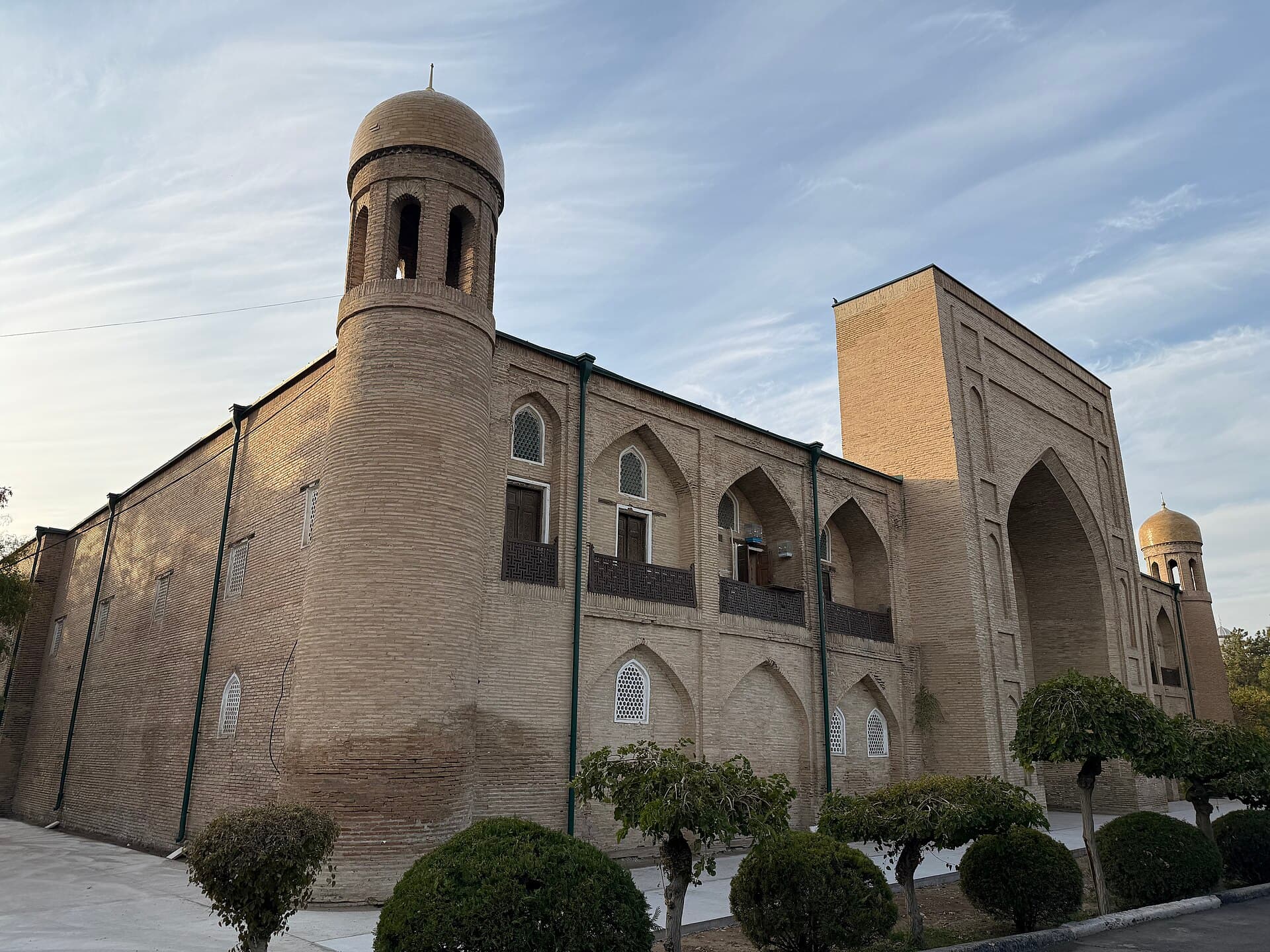 Abulkasim Madrasa (Tashkent)A 19th-century madrasa in central Tashkent, built around 1850 by Abulkasim Eshon22 minutes walk
The building itself, with its painted ceilings and carved plaster, followed by suzani embroidery, ikat silk, ceramics and skullcaps.