
Burned twice, rebuilt twice
The fires of 1836 and 1996 gutted the building; the second reconstruction copied it almost exactly and reopened in December 2003.
Didier Descouens — CC BY-SA 4.0 · This Photo was taken by Wolfgang Moroder. Feel free to use my photos, but please mention me as the author and send me a message. This image is not in the public domain. Please respect the copyright pr — CC BY-SA 3.0 · Matthias Süßen — CC BY-SA 4.0 · FrDr — CC BY-SA 4.0
One night in January 1996, fire took Teatro La Fenice down to its outer walls. The cause turned out to be two electricians who set it alight rather than face the penalties piling up over their late work. The irony is doubled by the name — La Fenice means the phoenix — and by the fact that the theatre, open since 1792, had already burned once, in 1836. It was rebuilt to the principle of com'era, dov'era, as it was and where it was, and reopened in December 2003 as a near-exact copy of itself: the same gold, the same blue, the same five stacked tiers of boxes. The daytime visit is shorter than most people expect; three quarters of an hour usually covers it. You come through the gilded foyer and the Sale Apollinee into the auditorium itself, then out into the royal box, with an audio guide in ten languages included in the price. The hall is smaller than photographs suggest, which works in its favour — it is intimate enough that the back row still feels close to the stage. A permanent exhibition devoted to Maria Callas and her Venice years is part of the route. Backstage and the scenery workshops are not. La Fenice is more than an exercise in interior decoration. Verdi's Rigoletto had its first night here in 1851, and La Traviata followed in 1853 in an opening so unsuccessful the audience laughed at it, before going on to become one of the most performed operas anywhere. Rossini and Bellini passed through before him. If you have one Venetian evening to spend on something other than walking, a performance ticket shows you the building as it actually is: lit, full, working. The theatre sits on Campo San Fantin, minutes on foot from Piazza San Marco but in a far quieter corner, down lanes it is easy to get mildly lost in — no bad thing. Full admission is twelve euros with the audio guide, and the doors are normally open every day from 9:30 to 18:00, though rehearsals and performances shorten or cancel those hours on particular days, so checking the official site the morning of your visit is not fussiness. Note too that La Fenice is not covered by the civic museums pass that gets you into the Doge's Palace and the Correr — this is an entirely separate ticket. And as always in Venice, the vaporetto fares and the peak-day visitor access fee can add up to more than the admission itself, while the walk here crosses stepped bridges that are hard going with a pushchair or a wheelchair.
The fires of 1836 and 1996 gutted the building; the second reconstruction copied it almost exactly and reopened in December 2003.
La Traviata opened on this stage in 1853 to open mockery, then went on to become one of the most performed operas in the world.
Five tiers of boxes wrap an intimate hall in which even the back row stays close to the stage.
Campo San Fantin 1965, 30124 Venice
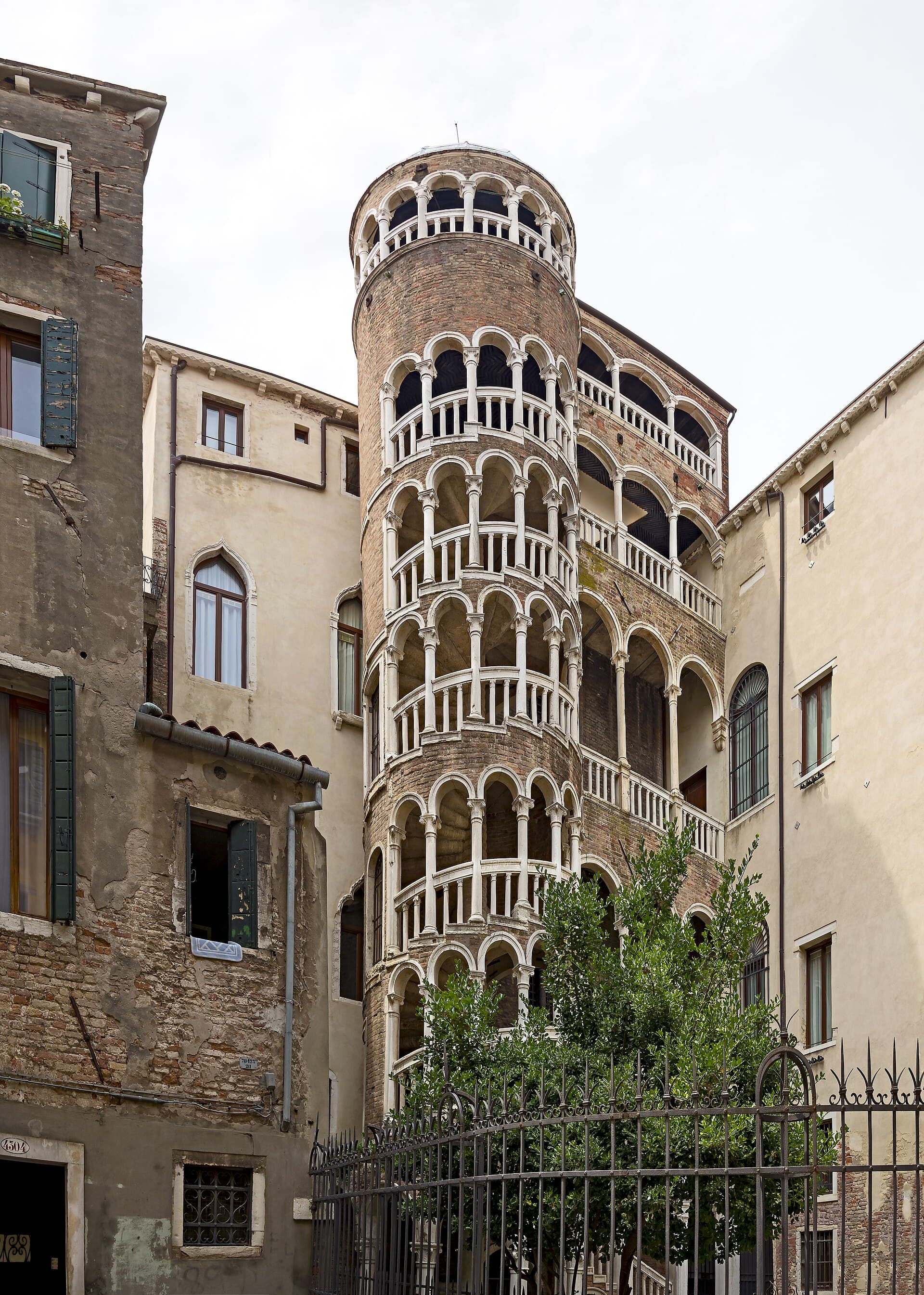 Palazzo Contarini del Bovolo"Bovolo" is Venetian dialect for snail — and one look explains the name: an exte2 minutes walk4.4
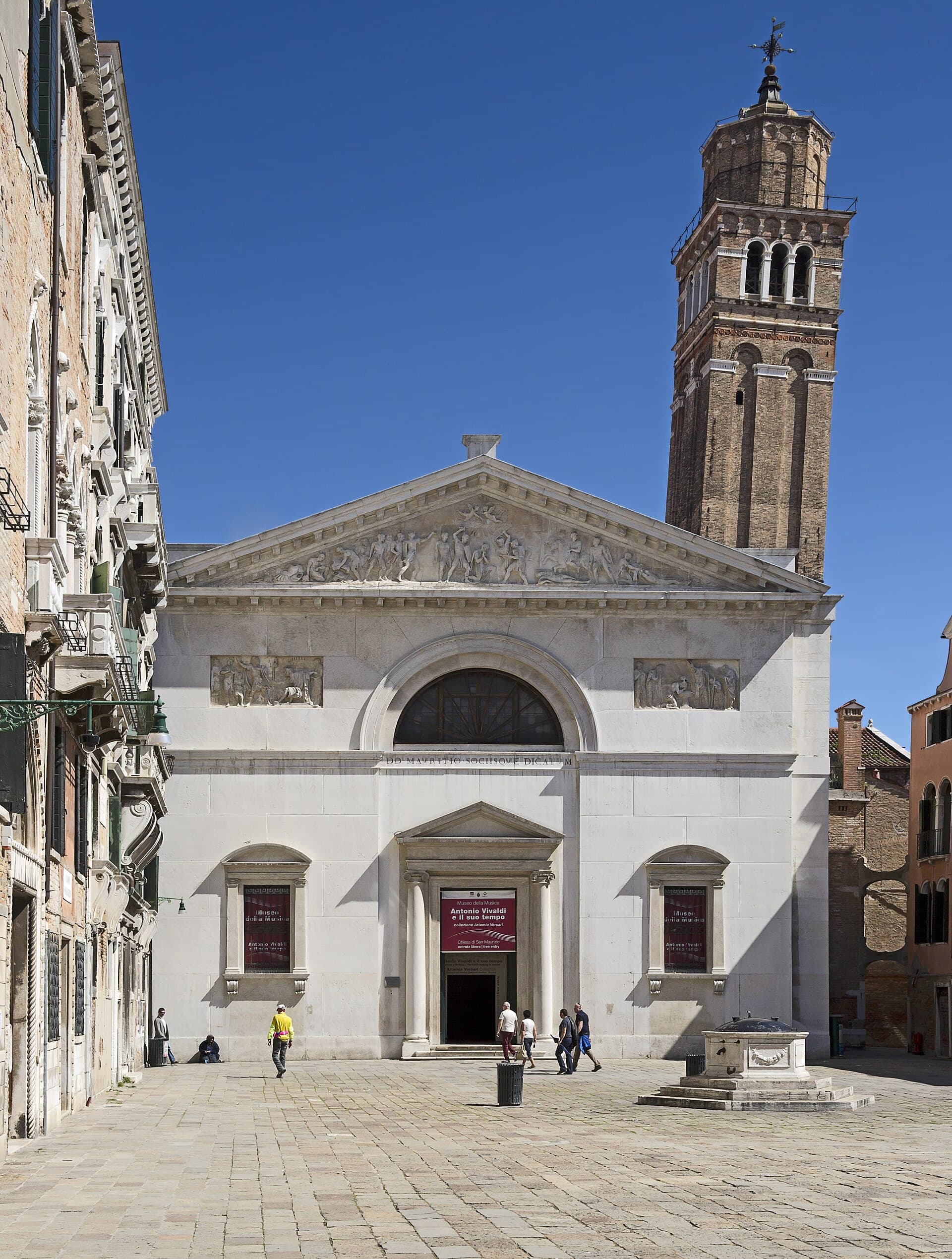 Museum of Music (San Maurizio), VeniceSan Maurizio has not been a working church for a long time. Under its neoclassic2 minutes walk4.3
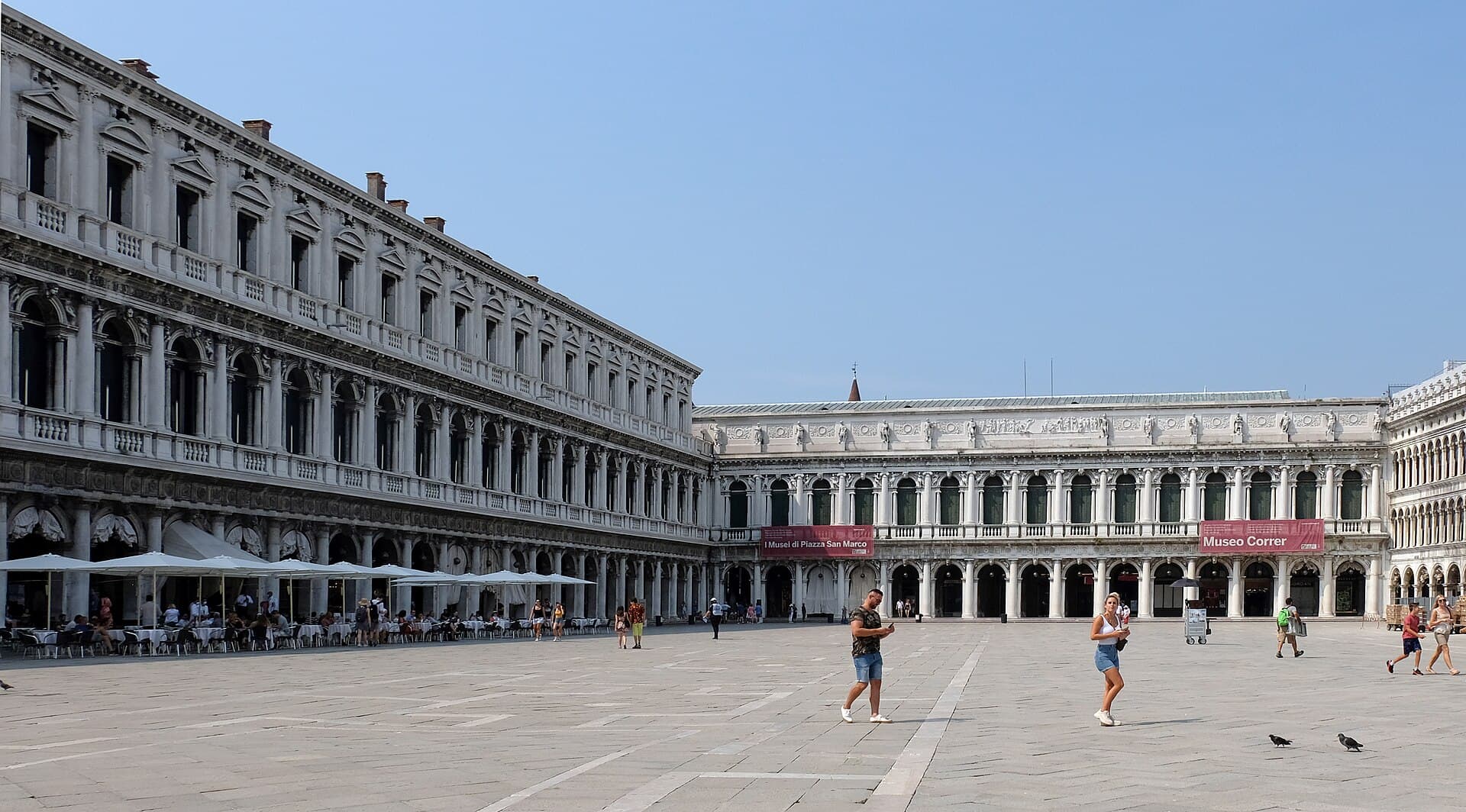 Correr MuseumThe Correr fills the Napoleonic wing overlooking St Mark's Square, and it is the3 minutes walk4.4
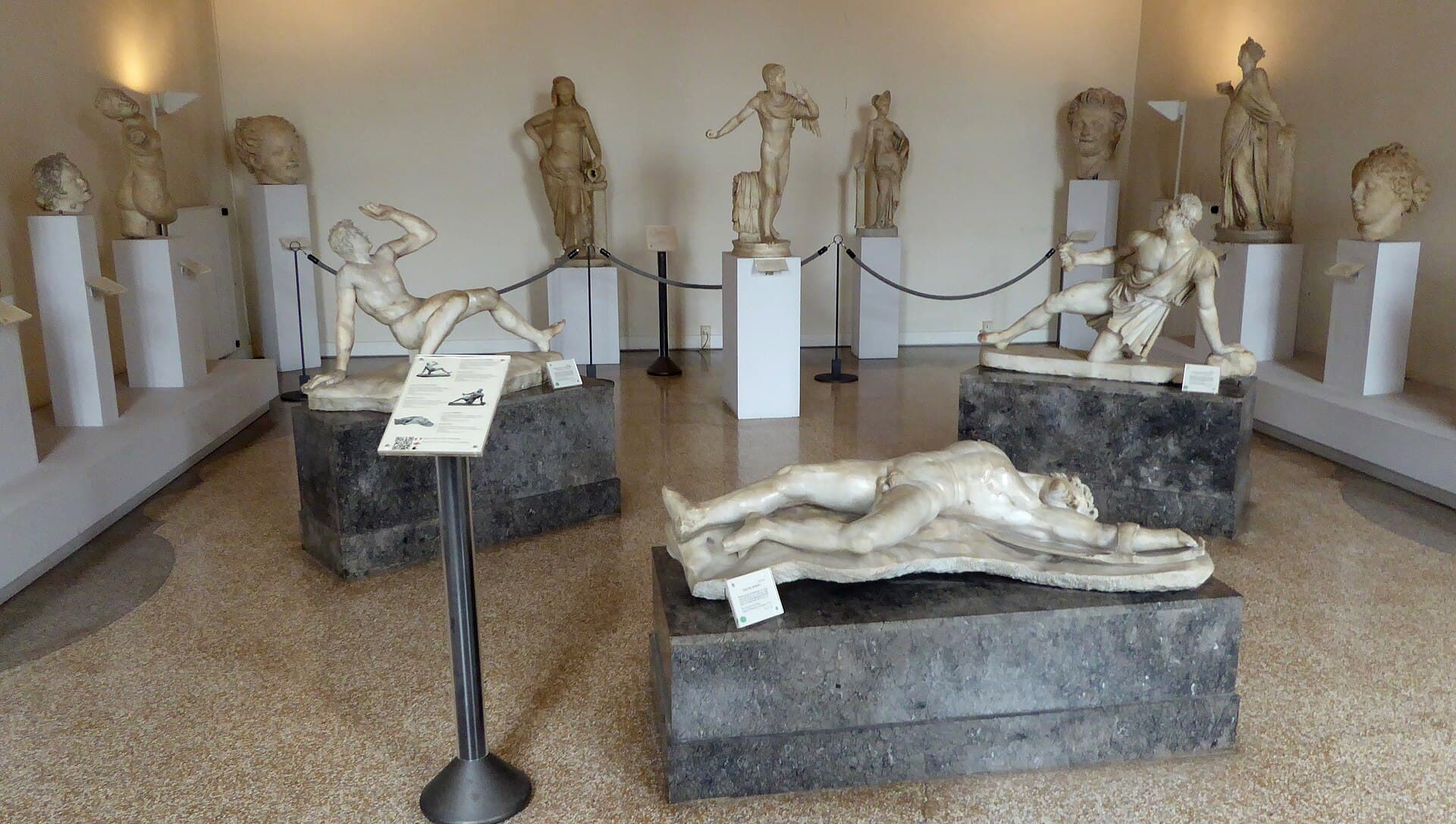 Venice National Archaeological MuseumCenturies before anyone invented the museum, Venice had a room of ancient marble4 minutes walk4.1
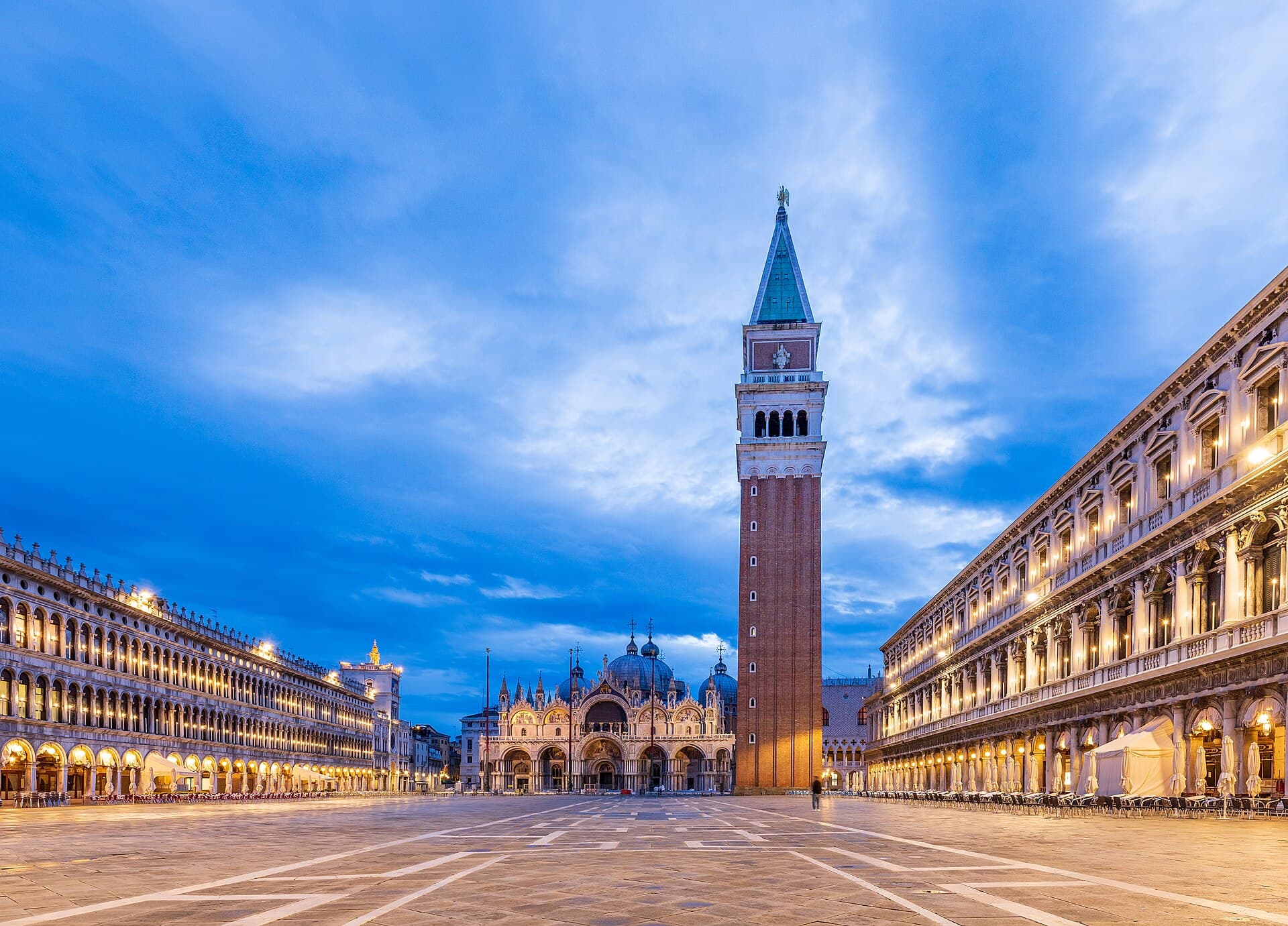 St Mark's SquareSt Mark's Square is the heart of Venice and its only true piazza — everything el4 minutes walk4.8
Honestly: if you have only two days in Venice and neither music nor interiors move you, skip it. The visit is effectively a few gilded rooms, the auditorium, the royal box and a small exhibition in under an hour, and the Doge's Palace or the Frari give you more for the same time. If interiors or music history do interest you, twelve euros is fair for what you get.
Booking is not compulsory and tickets are sold at the box office, but reserve for weekends and public holidays. More importantly, rehearsals and performances cut the visiting hours short or cancel them on particular days at short notice, so check the official site that morning and do not build a whole day around it.