
The layers
Temples built over temples.
Juan Carlos Fonseca Mata — CC BY-SA 4.0 · Juan Carlos Fonseca Mata — CC BY-SA 4.0 · Photograph by Mike Peel (www.mikepeel.net). — CC BY-SA 4.0 · Photograph by Mike Peel (www.mikepeel.net). — CC BY-SA 4.0 · Photograph by Mike Peel (www.mikepeel.net). — CC BY-SA 4.0
The ruins of the main pyramid of Tenochtitlan, the Aztec capital built on an island in a lake before the Spanish razed it and built their city on top. The pyramid had two shrines on its summit with separate stairways, and it was rebuilt six times from the 14th century onwards, each new version encasing the one before. The site lay buried under the city for centuries until 1978, when electricity workers digging a trench struck a huge carved stone, and excavations began that revealed the pyramid's successive layers. Today you walk on wooden walkways over the ruins, seeing remains of stairways, walls and stone carvings in place, in the heart of the modern city. Next to the ruins is a museum of eight halls showing what the digs uncovered: tools, jewellery, pottery, offerings and huge sculptures, with a model of the sacred precinct as it once stood. It explains how the Aztecs lived and organised their city. The site is closed on Mondays. The walkways are exposed to the sun, so bring a hat, and combine the visit with the neighbouring Zócalo.
Temples built over temples.
Right over the ruins.
Treasures of the dig.
Calle Seminario 8, Historic Centre, behind the Metropolitan Cathedral next to the Zócalo
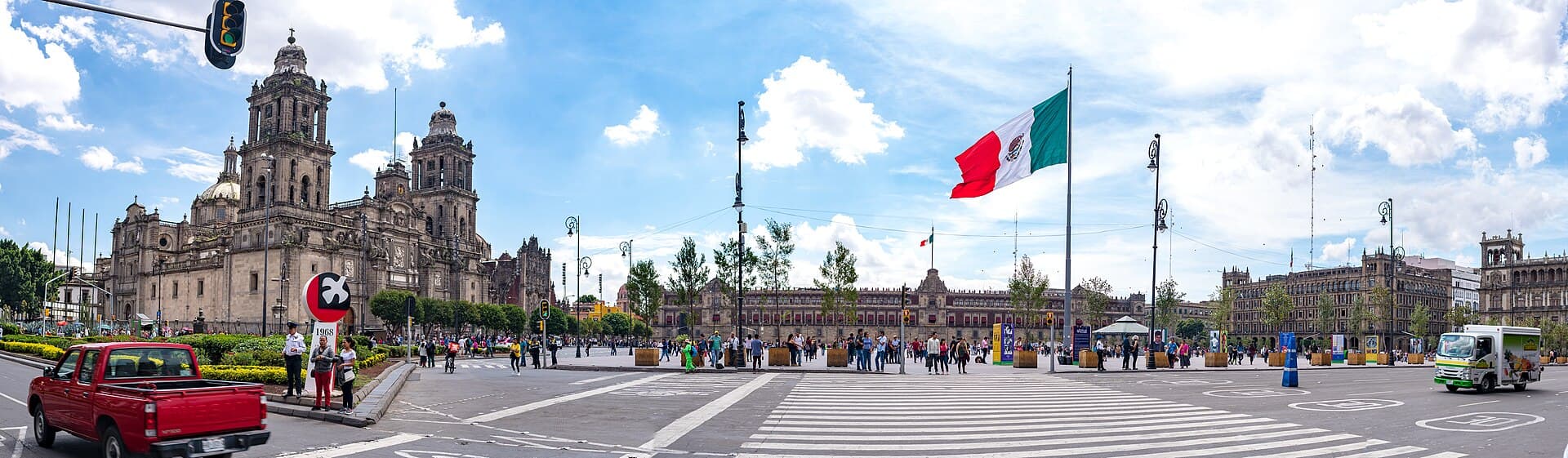 Zócalo (Constitution Square)Mexico City's main square and one of the largest in the world, which before the 3 minutes walk4.6
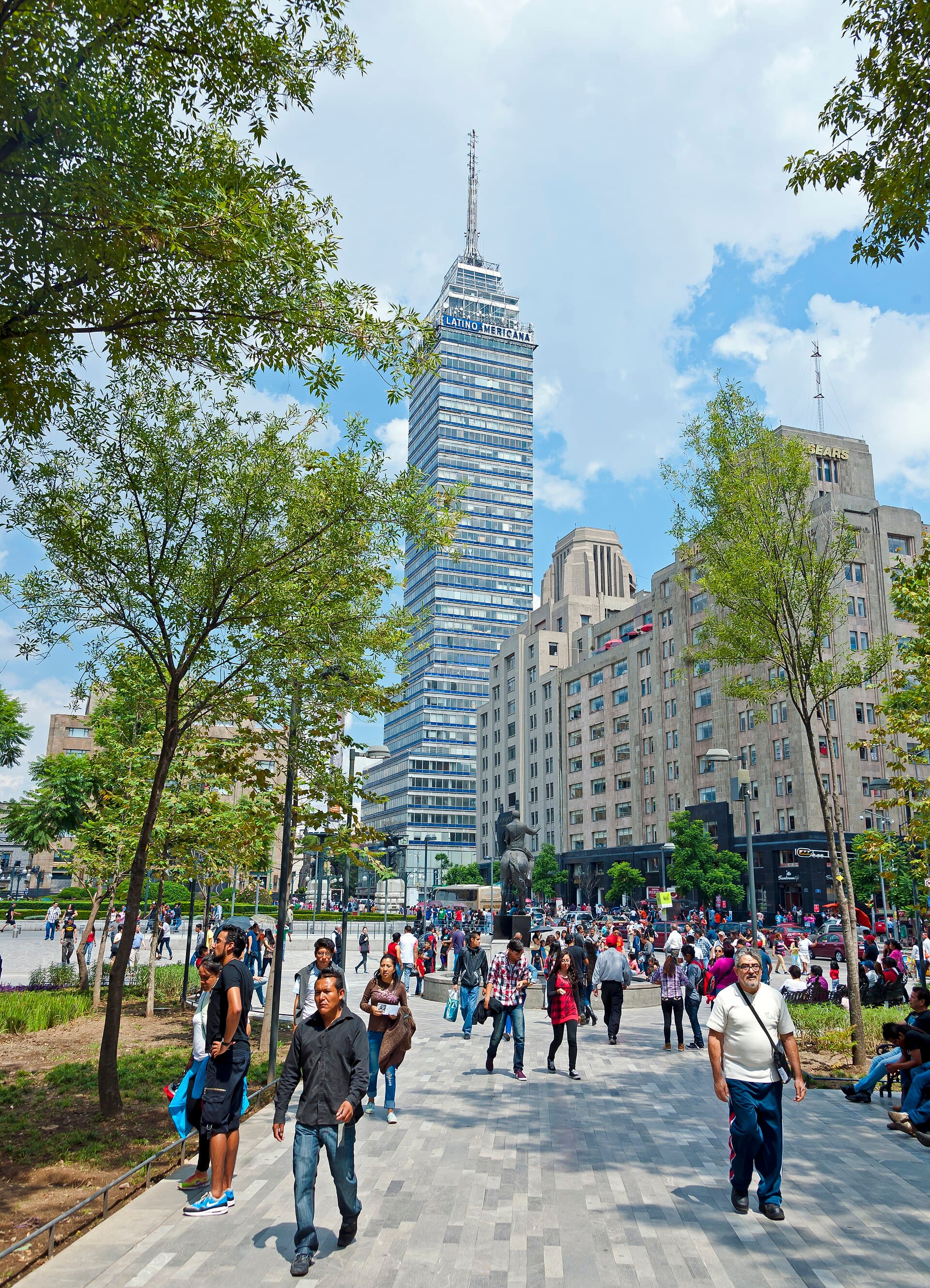 Torre LatinoamericanaA 166-metre skyscraper in the heart of Mexico City, opened in 1956 and for almos12 minutes walk4.5
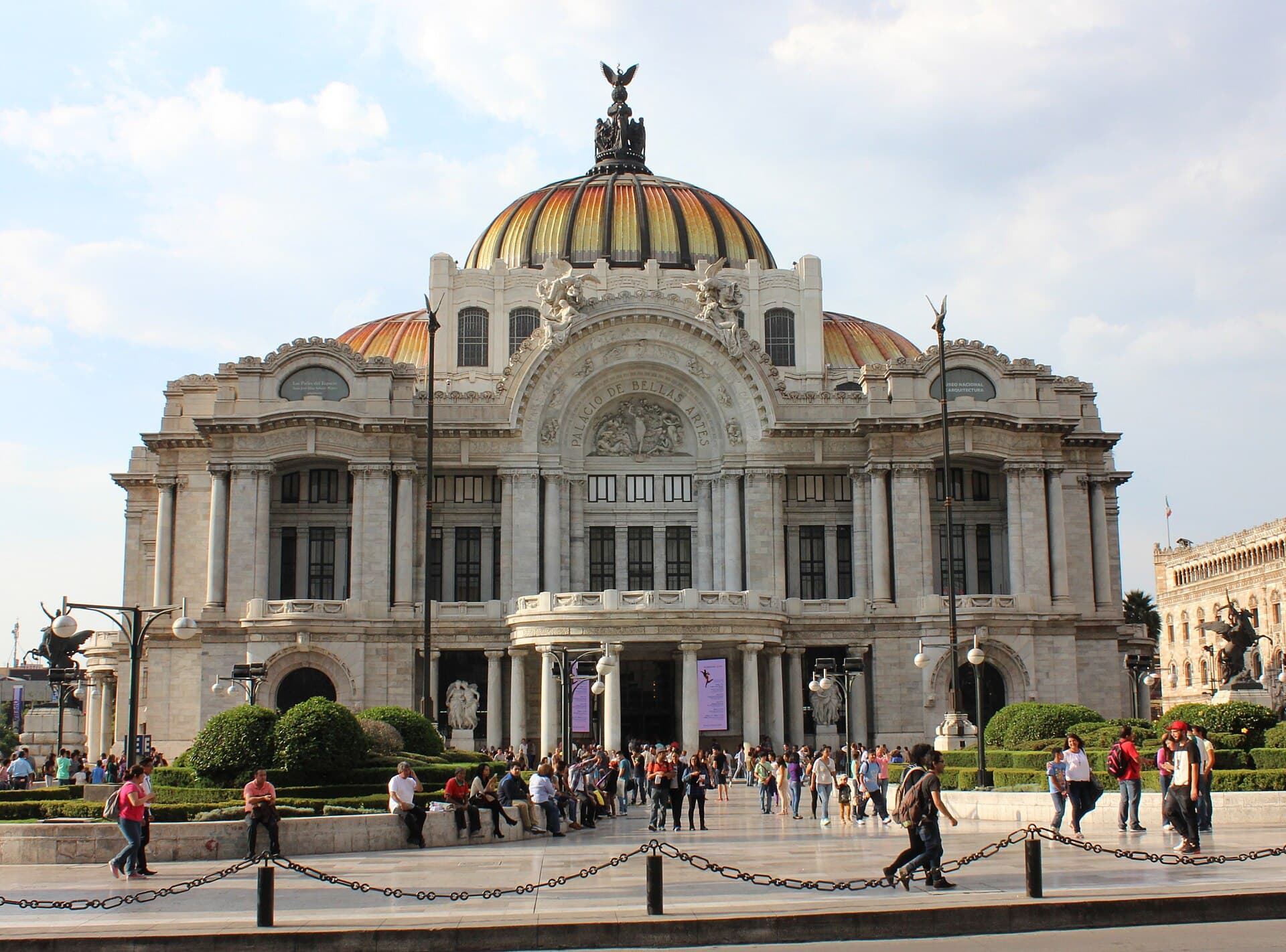 Palacio de Bellas ArtesMexico City's most beautiful and best-known building, a white marble palace crow12 minutes walk4.7
Yes, they are side by side. Allow two hours for the ruins and museum, then walk the square and the Historic Centre. Avoid Mondays, when the site is closed.