
Three pagodas
In the water.
Unknown — CC BY-SA 3.0 · Siyuwj — CC BY-SA 4.0 · Lucy@_@ / Lucy Liu(https://www.flickr.com/photos/leafvert/) — CC BY 2.0 · xiquinhosilva — CC BY 2.0 · Hermann Luyken — CC0 · Hermann Luyken — CC0 · Fumihiko Ueno — CC BY 3.0 · Nishino Asuka — CC BY-SA 4.0
One of West Lake's most famous scenes, three small stone pagodas standing in the water south of Xiaoyingzhou, a man-made island in the middle of the lake; the view appears on the back of China's one-yuan banknote. The idea of the three pagodas goes back to the Song dynasty, and they were rebuilt later; on full-moon nights, especially at the Mid-Autumn Festival, candles are lit inside them and their round openings reflect on the water like small moons beside the real one, hence the name. The island itself is a remarkable water garden, described as «an island within a lake and a lake within an island», crossed by zigzag bridges and paths between pools, lotus flowers and traditional pavilions. It's reached by boat only; the boat ticket is about CNY 55–70 including island entry, per visitor guides. Boats leave from several piers around the lake, and summer, when the lotus blooms, is loveliest.
In the water.
Between the pools.
In summer.
Xiaoyingzhou Island, West Lake, Hangzhou
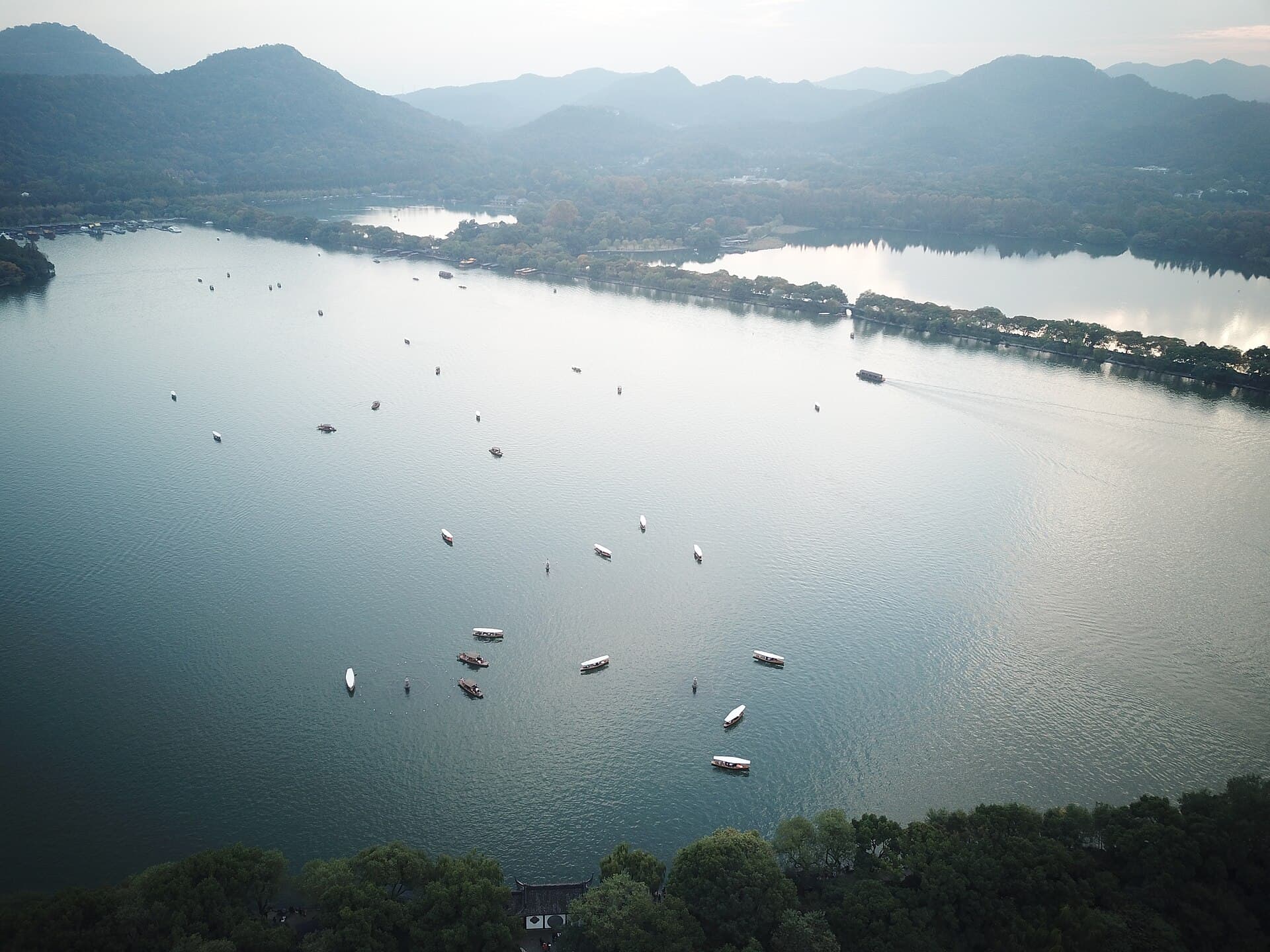 West LakeChina's most celebrated lake, a freshwater lake west of central Hangzhou coverin5 minutes walk4.5
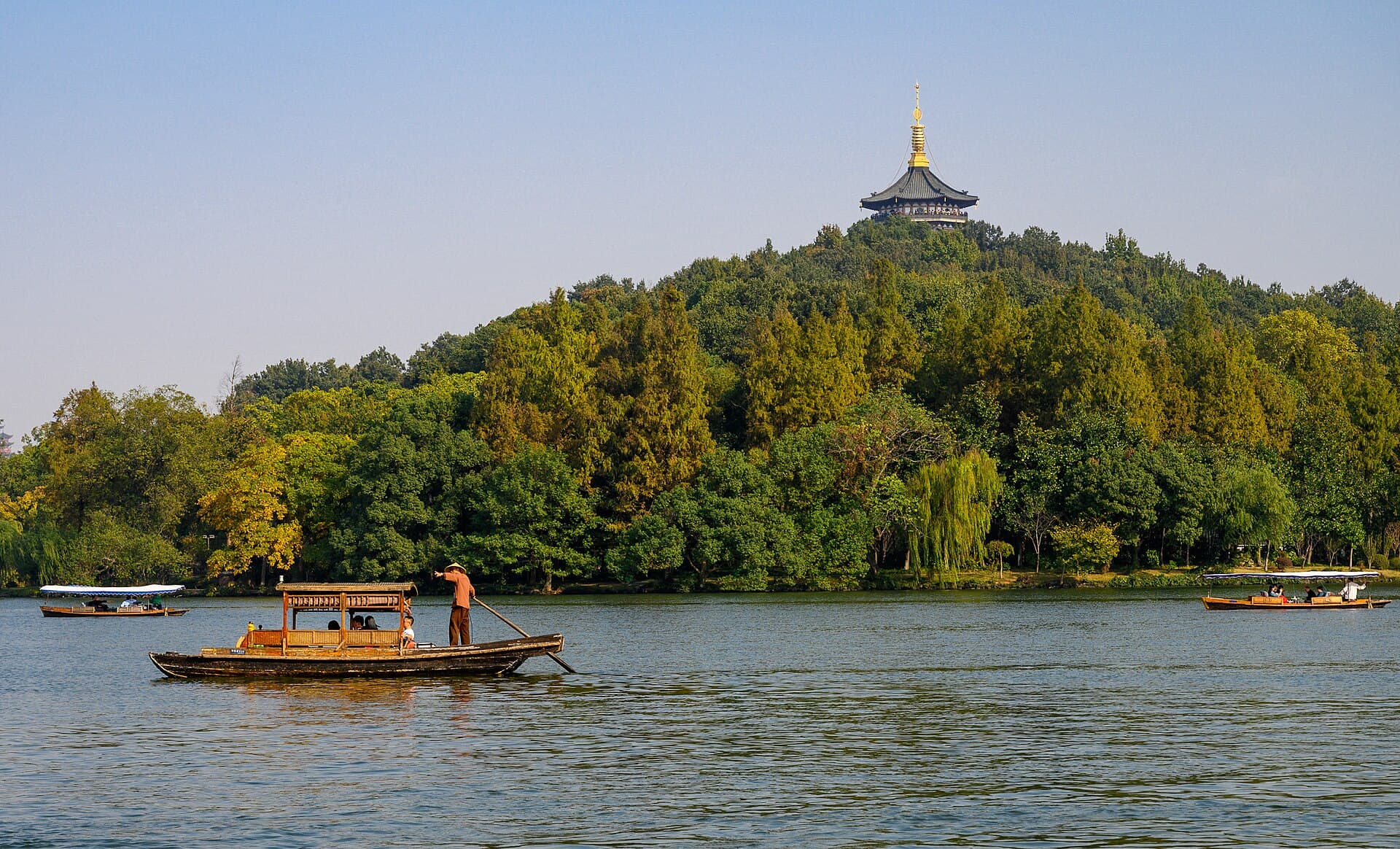 Leifeng PagodaA five-storey, eight-sided pagoda on Sunset Hill on the south shore of West Lake11 minutes walk4.5
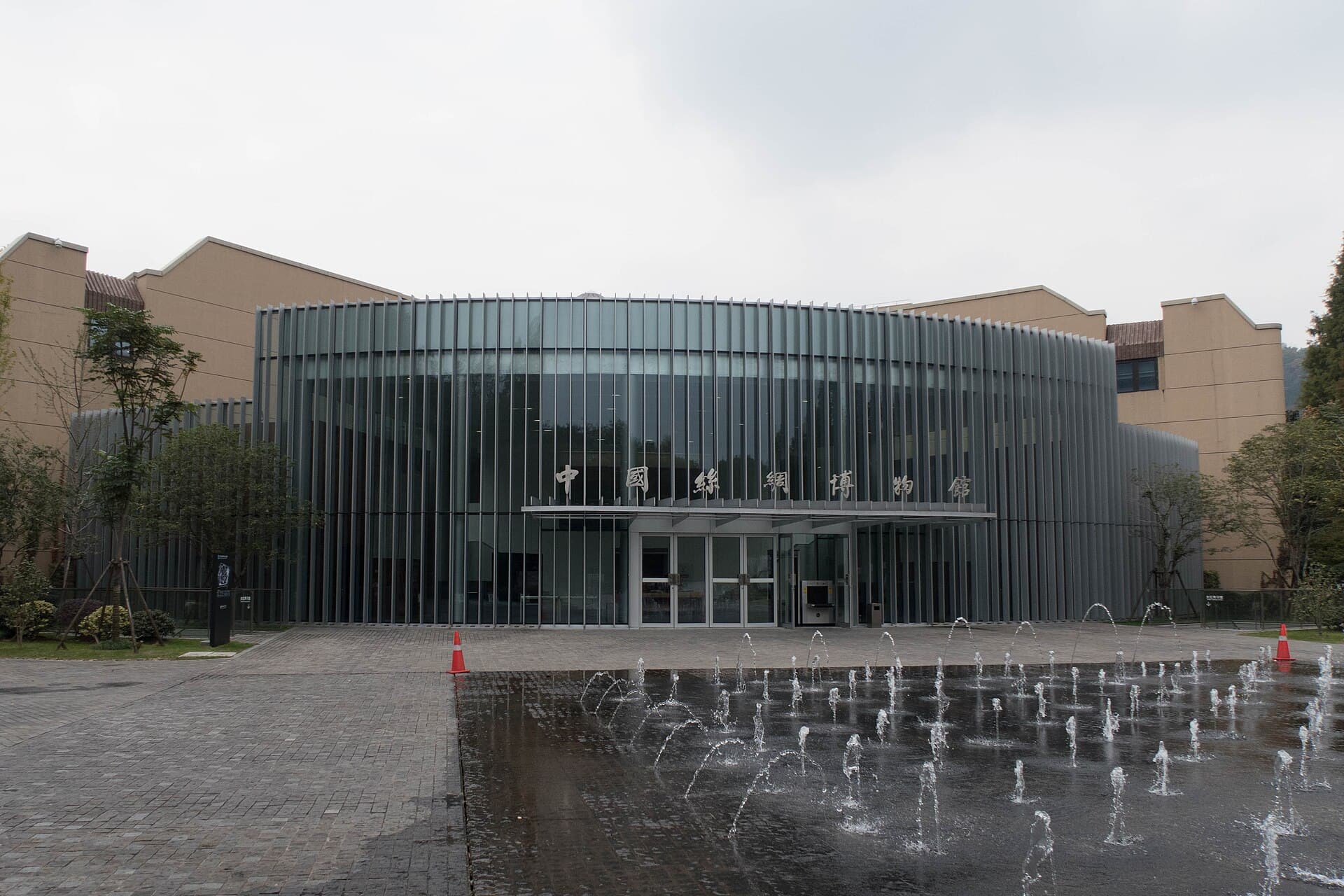 China National Silk MuseumThe world's largest silk museum, near the south shore of West Lake, opened in 1924 minutes walk4.3
By boat only, from piers around West Lake; the ticket is about CNY 55–70 including island entry, per visitor guides.