
The roof view
The bridge, the river and the Mezquita in one frame — Córdoba's best photo angle.
EmDee — CC BY-SA 3.0 · Sergei Gussev — CC BY 2.0 · Francisco Anzola from United States — CC BY 2.0 · Frank Kovalchek from USA — CC BY 2.0
The Torre de la Calahorra is a small fort at the southern end of the Roman bridge, guarding the way into Córdoba. Its origins are Islamic, and it was enlarged in the fourteenth century after the city fell. Today it holds a museum about Al-Andalus in the tenth and eleventh centuries, specifically the coexistence of Muslims, Christians and Jews in Córdoba when it was Europe's largest and most learned city. The display runs on an audio guide and covers Averroes, Maimonides, Ibn Arabi and others. From the roof there is an excellent view of the bridge, the river and the Mezquita beyond — one of the best photo angles in Córdoba.
The bridge, the river and the Mezquita in one frame — Córdoba's best photo angle.
A display on Córdoba when Muslims, Christians and Jews lived together and produced science and philosophy.
A section on Córdoba's philosophers, who shaped European thought for centuries after.
Puente Romano s/n, 14009 Córdoba
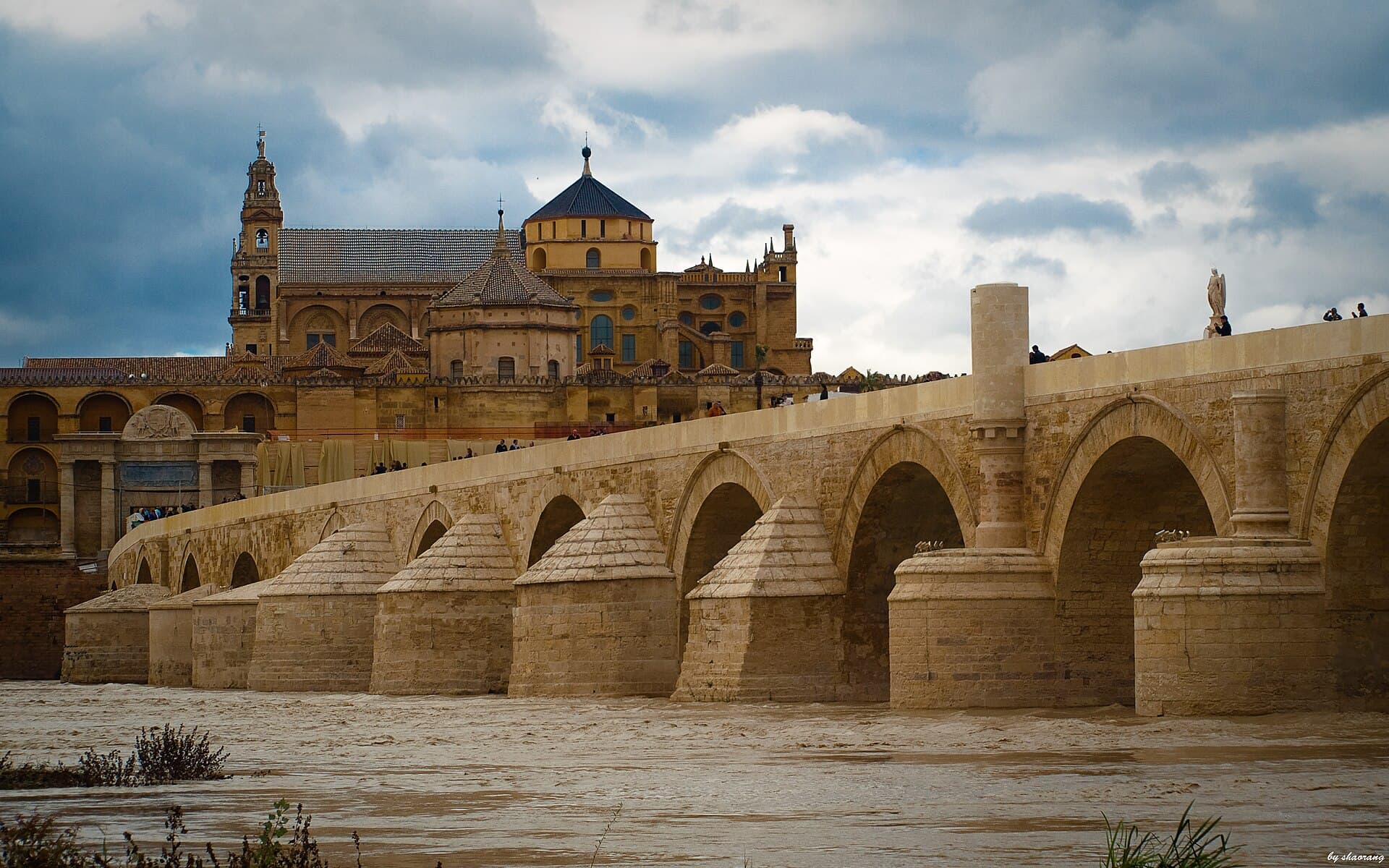 Roman Bridge of CórdobaThe Roman Bridge of Córdoba crosses the Guadalquivir, and its origins are Roman,2 minutes walk4.8
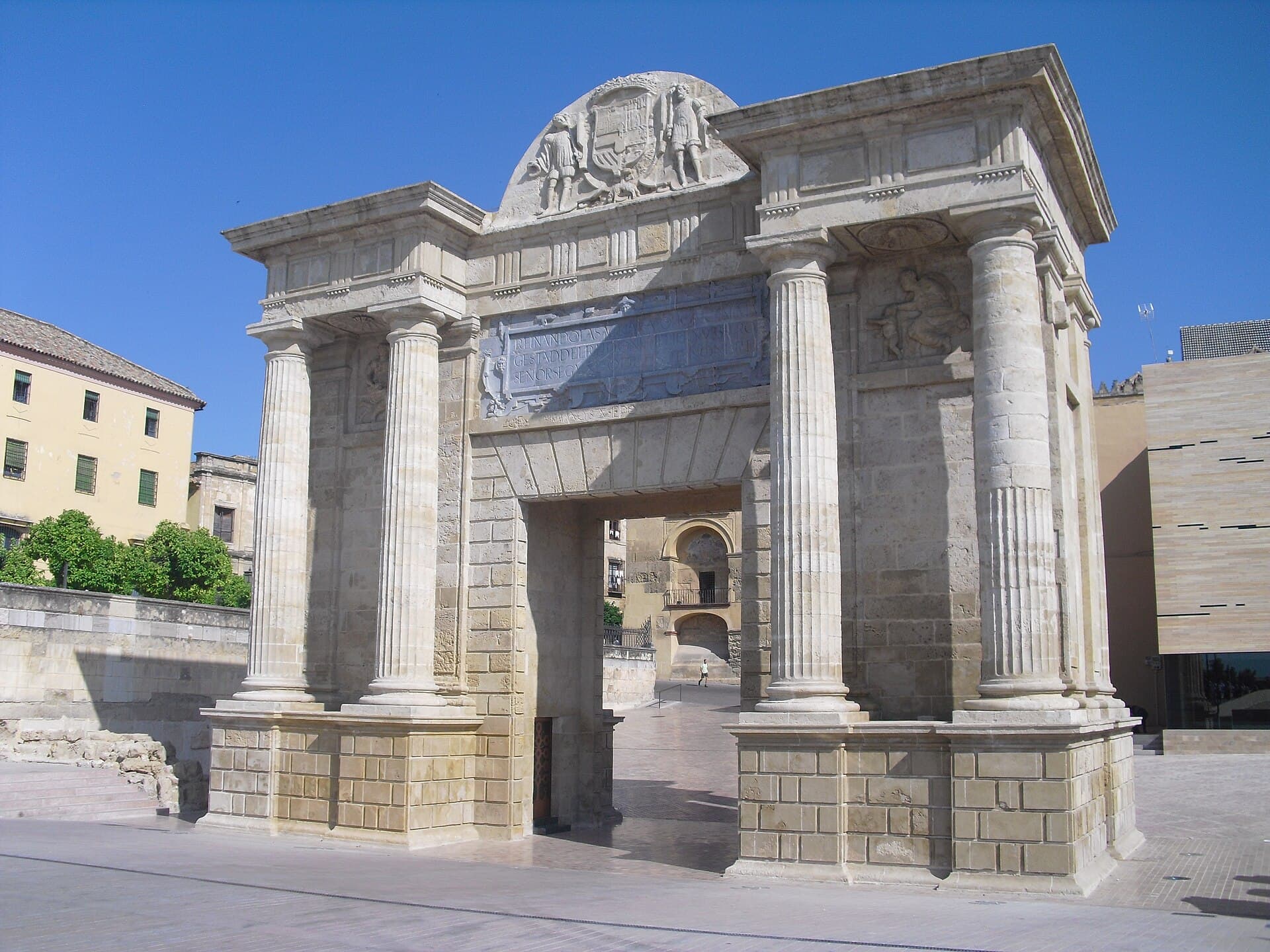 Puerta del PuenteThe Puerta del Puente is a stone triumphal gate at the northern end of the Roman4 minutes walk4.5
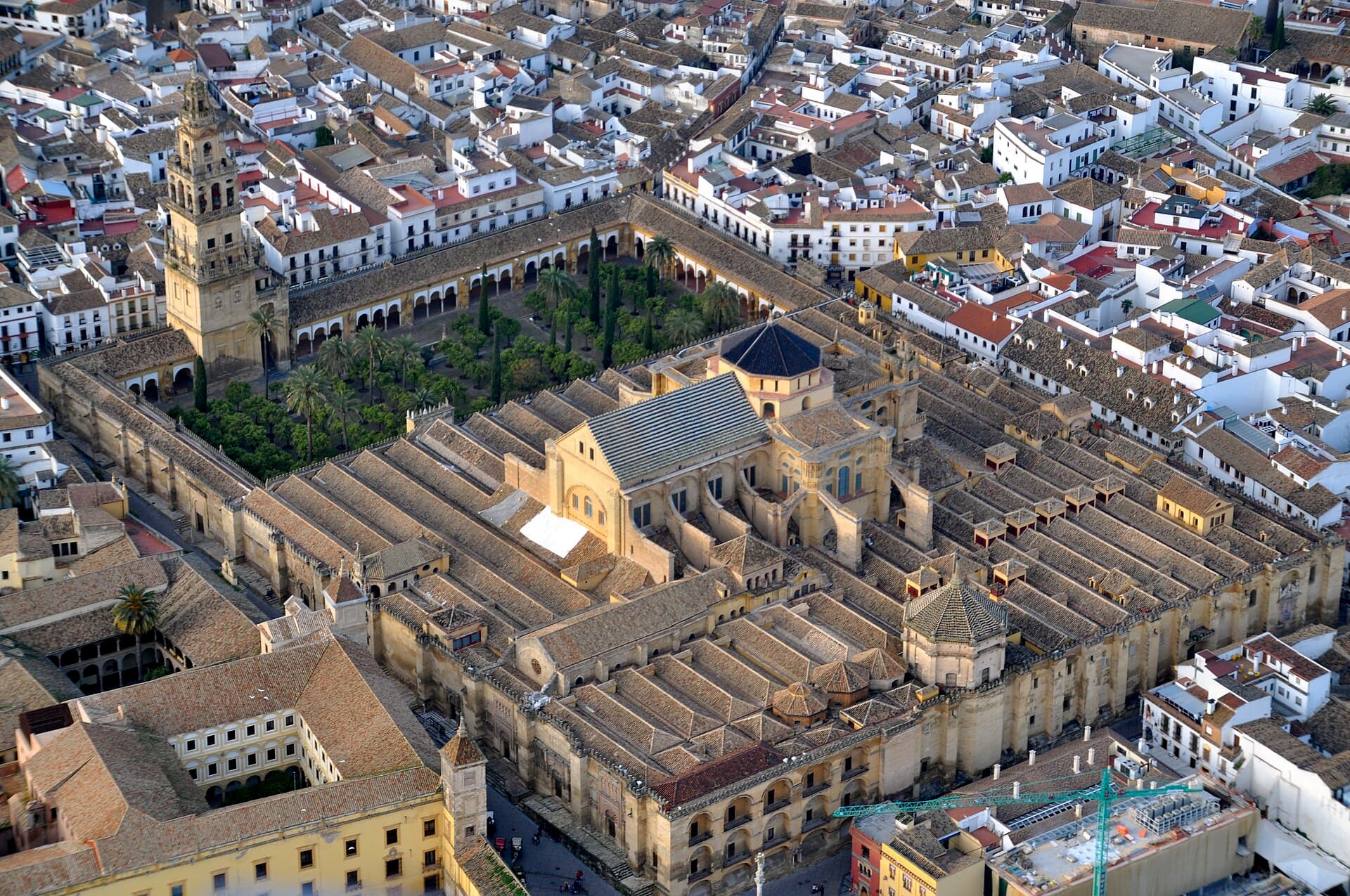 Mosque-Cathedral of CórdobaThe Great Mosque of Córdoba is among the greatest things Muslims built in Spain.5 minutes walk4.7
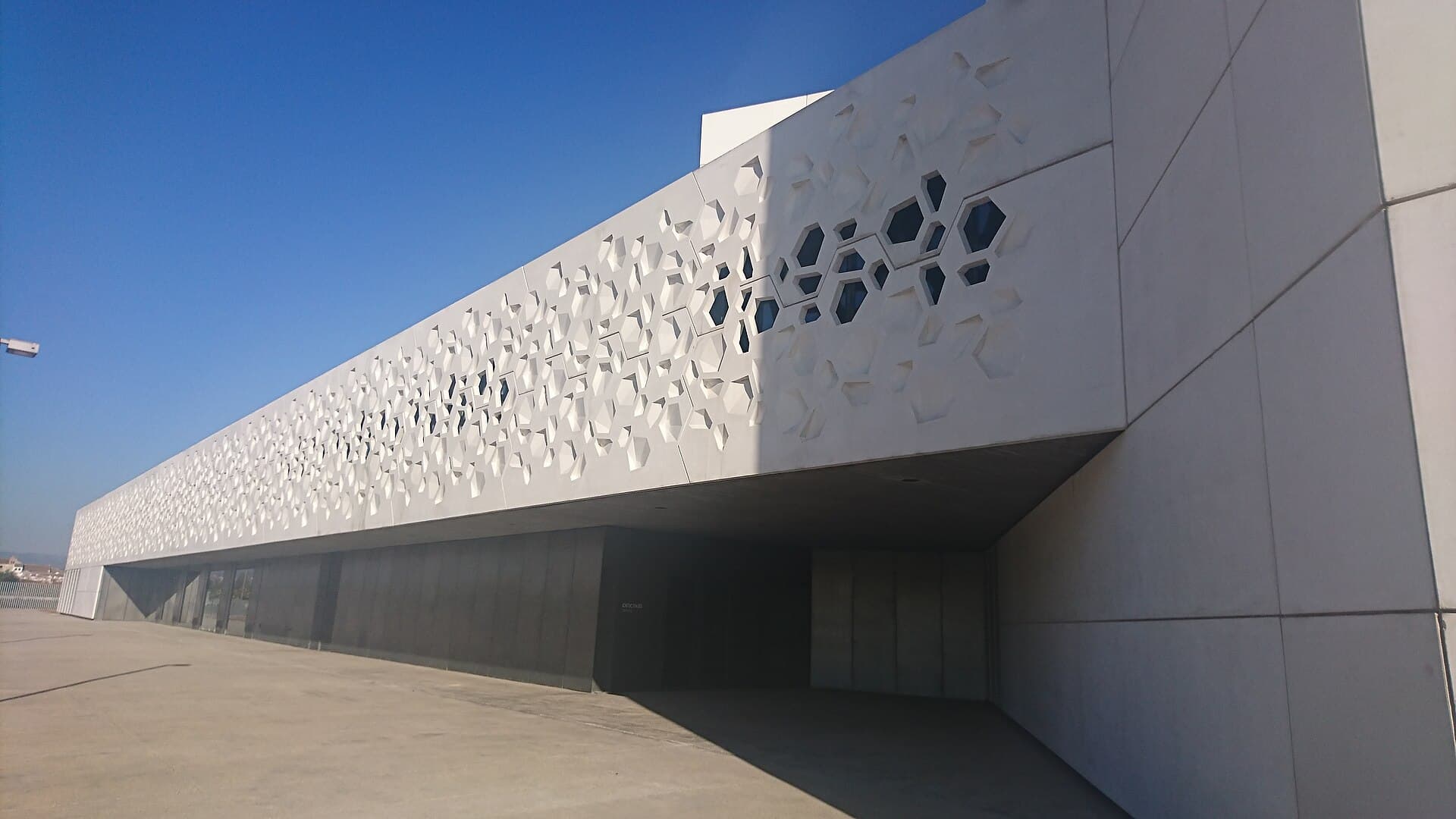 C3A Andalusian Centre for Contemporary CreationA contemporary art centre on the south bank of the Guadalquivir in Córdoba, in a5 minutes walk4.5
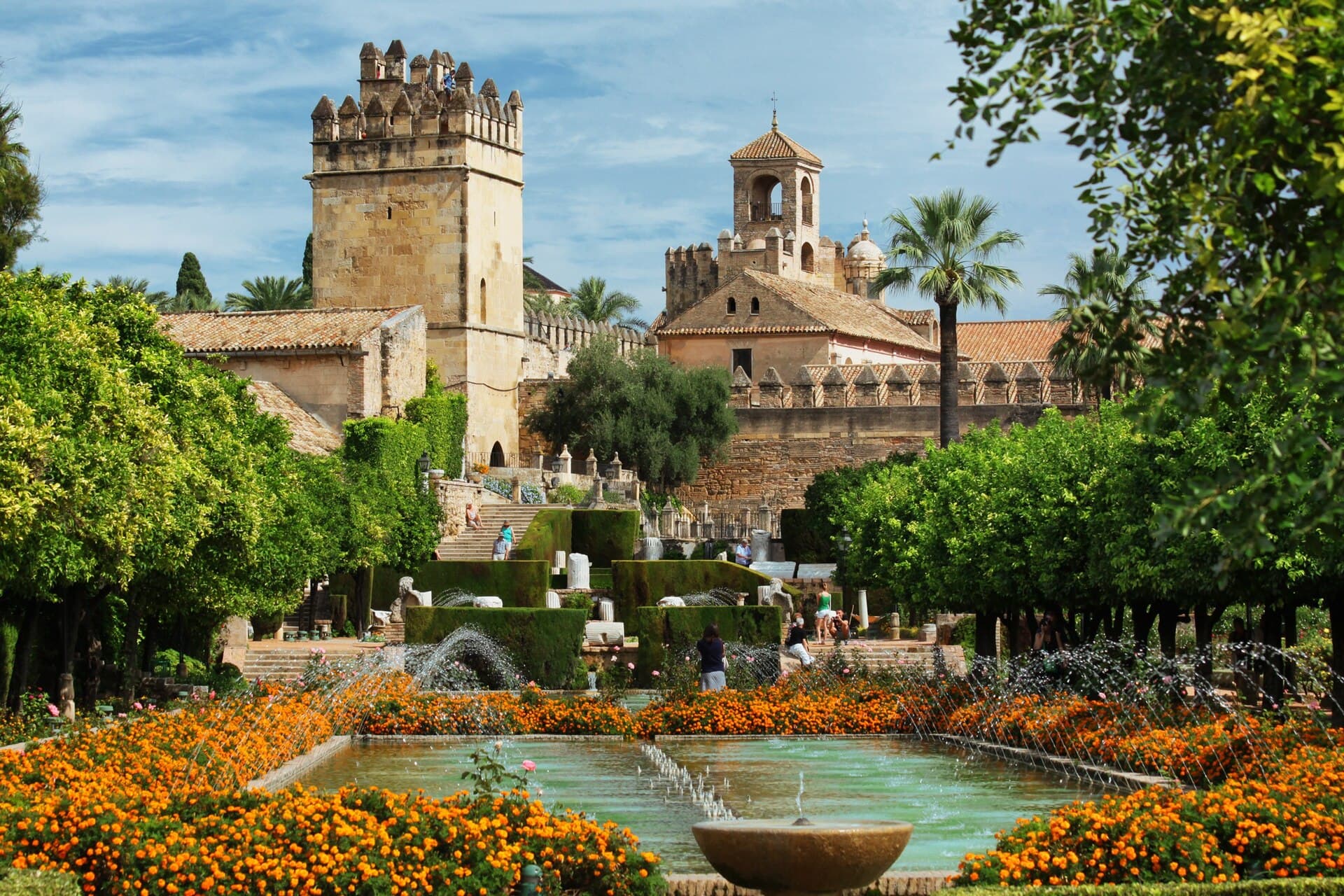 Alcázar de los Reyes CristianosThe Alcázar de los Reyes Cristianos is a fortress-palace in Córdoba built in the5 minutes walk4.6
The presentation is somewhat dated and rests on the audio guide and models more than on artefacts, so do not expect a modern museum. But the content itself is valuable and unusual: few museums treat Andalusi coexistence with this focus.
For many people yes, even without interest in the museum. From the roof you get the whole bridge, the river and the Mezquita in a single frame, which you cannot from anywhere else. The ticket is cheap anyway.
Forty-five minutes: half an hour for the museum with the audio guide, and fifteen minutes for the roof and photographs. Combine it with the walk over the Roman bridge.