
The view towards the city
The Mezquita and cathedral tower ahead, the river below — Córdoba's classic image.
shaorang — CC BY-SA 2.0 · Holger Uwe Schmitt — CC BY-SA 4.0 · Holger Uwe Schmitt — CC BY-SA 4.0 · Lệ Xuân — CC BY-SA 4.0
The Roman Bridge of Córdoba crosses the Guadalquivir, and its origins are Roman, from the first century BC. But most of what you see is Islamic rebuilding: it was repaired and reconstructed many times under the Umayyads and after, and its present arches date from those phases. For centuries the bridge was the only way into Córdoba from the south, and caravans and armies crossed it. It runs about three hundred and thirty metres on sixteen arches. Today it is pedestrian only, and walking it is one of the finest things to do in Córdoba. The best time is before sunset: walk towards the city and the Mezquita and cathedral tower rise ahead of you, the river below, the light warm. It is free and always open.
The Mezquita and cathedral tower ahead, the river below — Córdoba's classic image.
Remains of Islamic watermills in the riverbed, visible from the bridge.
Warm light on stone and water makes the hour before sunset the best of the day.
Puente Romano, 14009 Córdoba
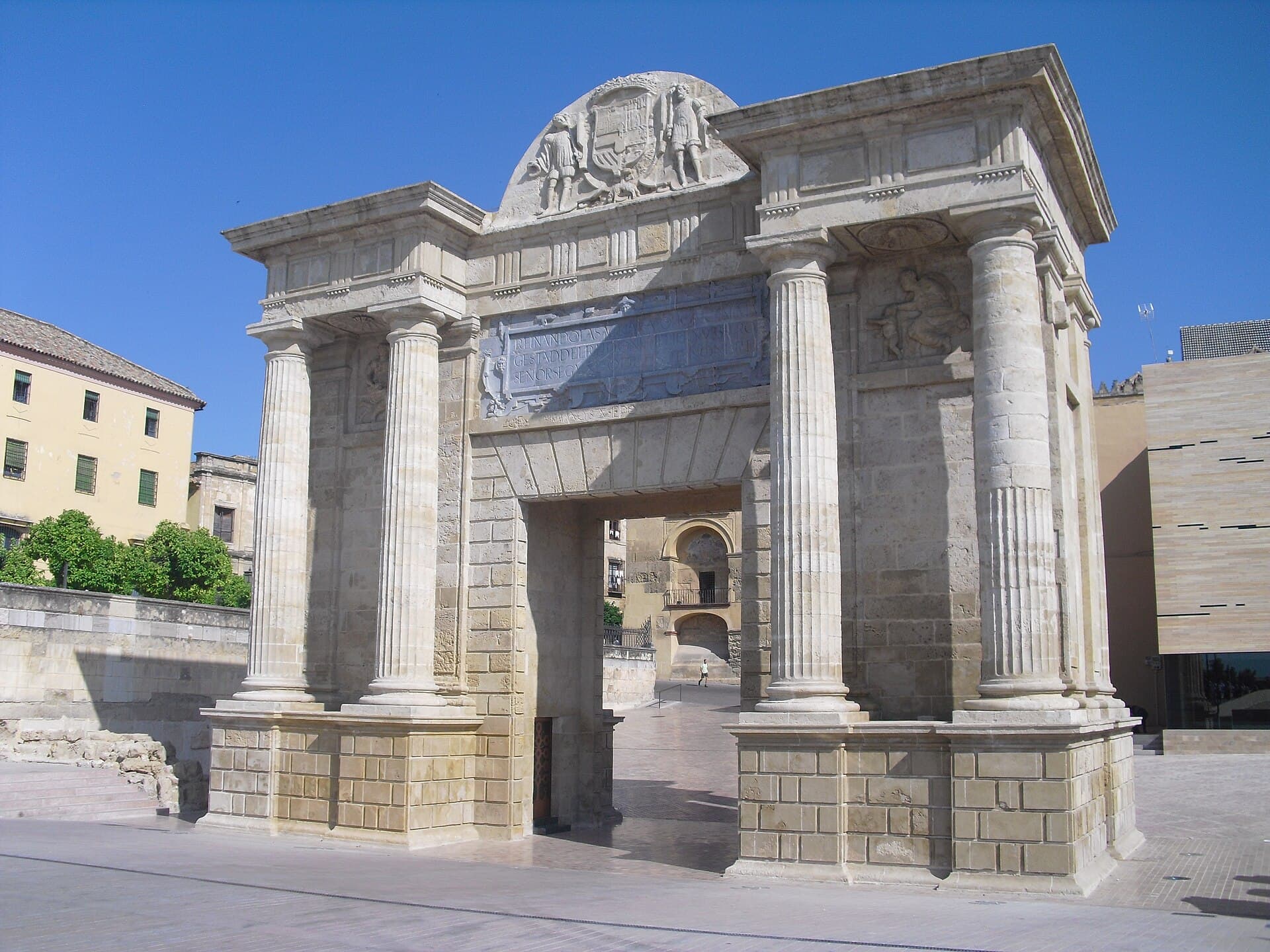 Puerta del PuenteThe Puerta del Puente is a stone triumphal gate at the northern end of the Roman2 minutes walk4.5
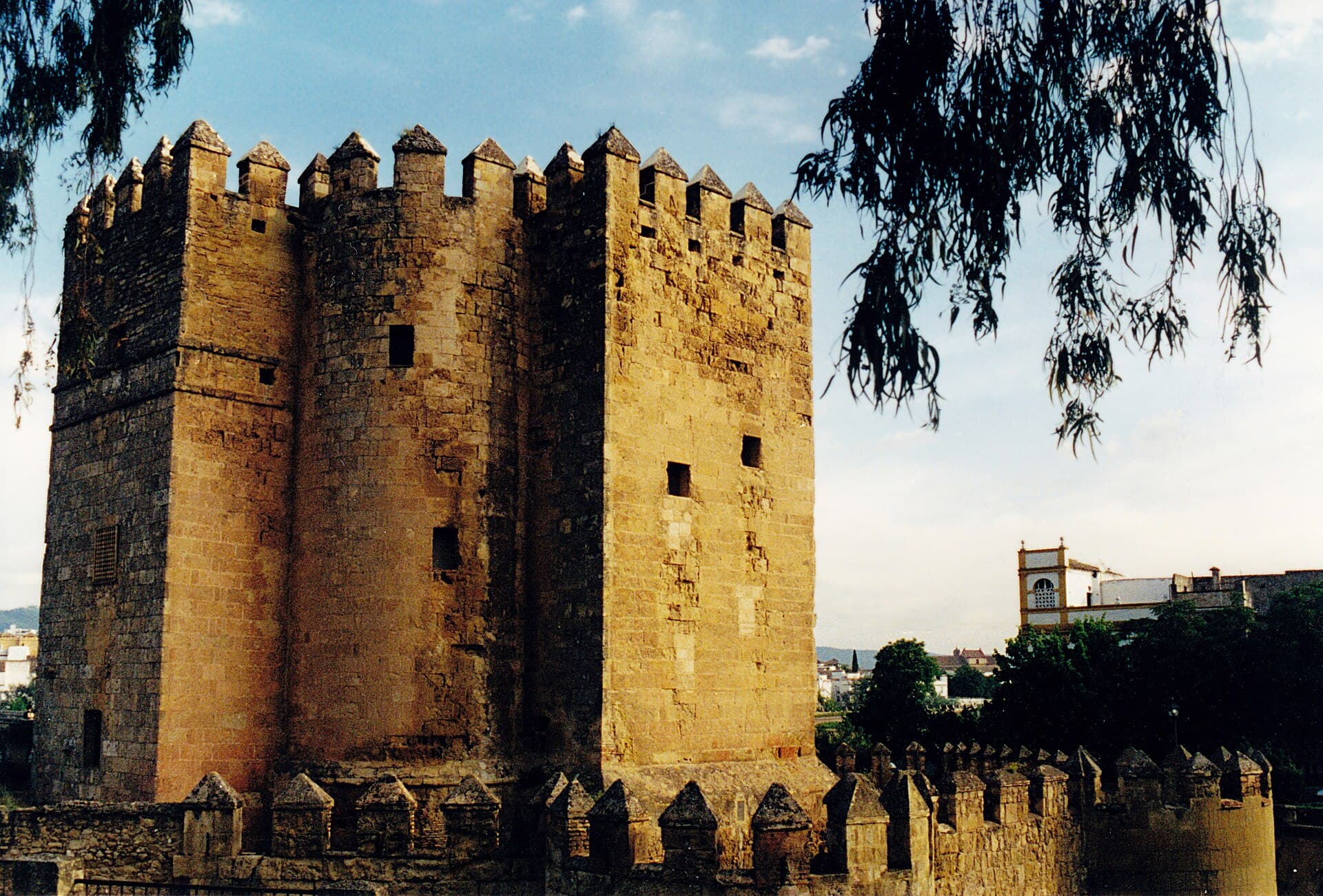 Torre de la CalahorraThe Torre de la Calahorra is a small fort at the southern end of the Roman bridg2 minutes walk4.6
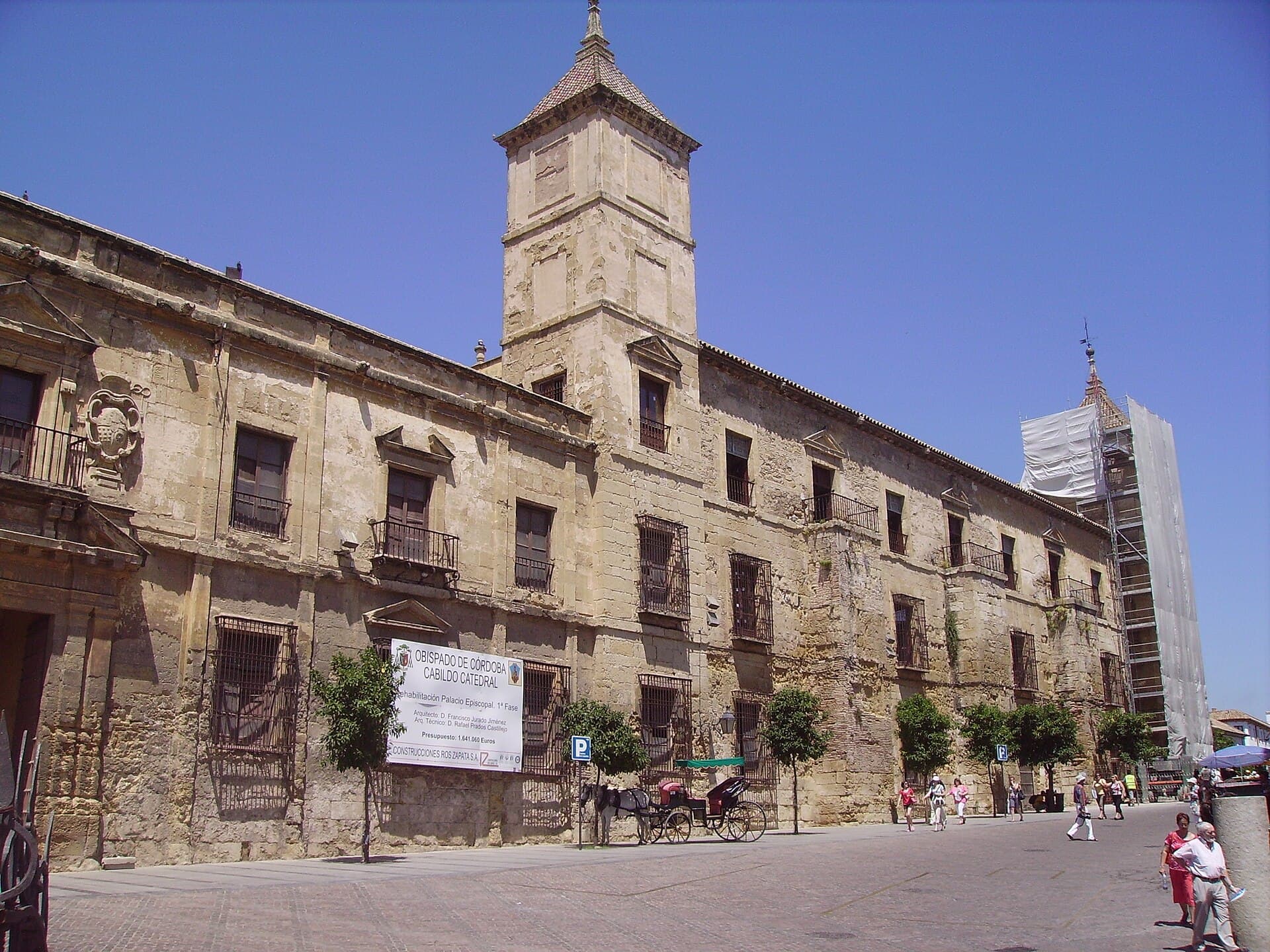 Episcopal PalaceA palace standing directly across the street from the Mosque of Córdoba, the sea3 minutes walk3.8
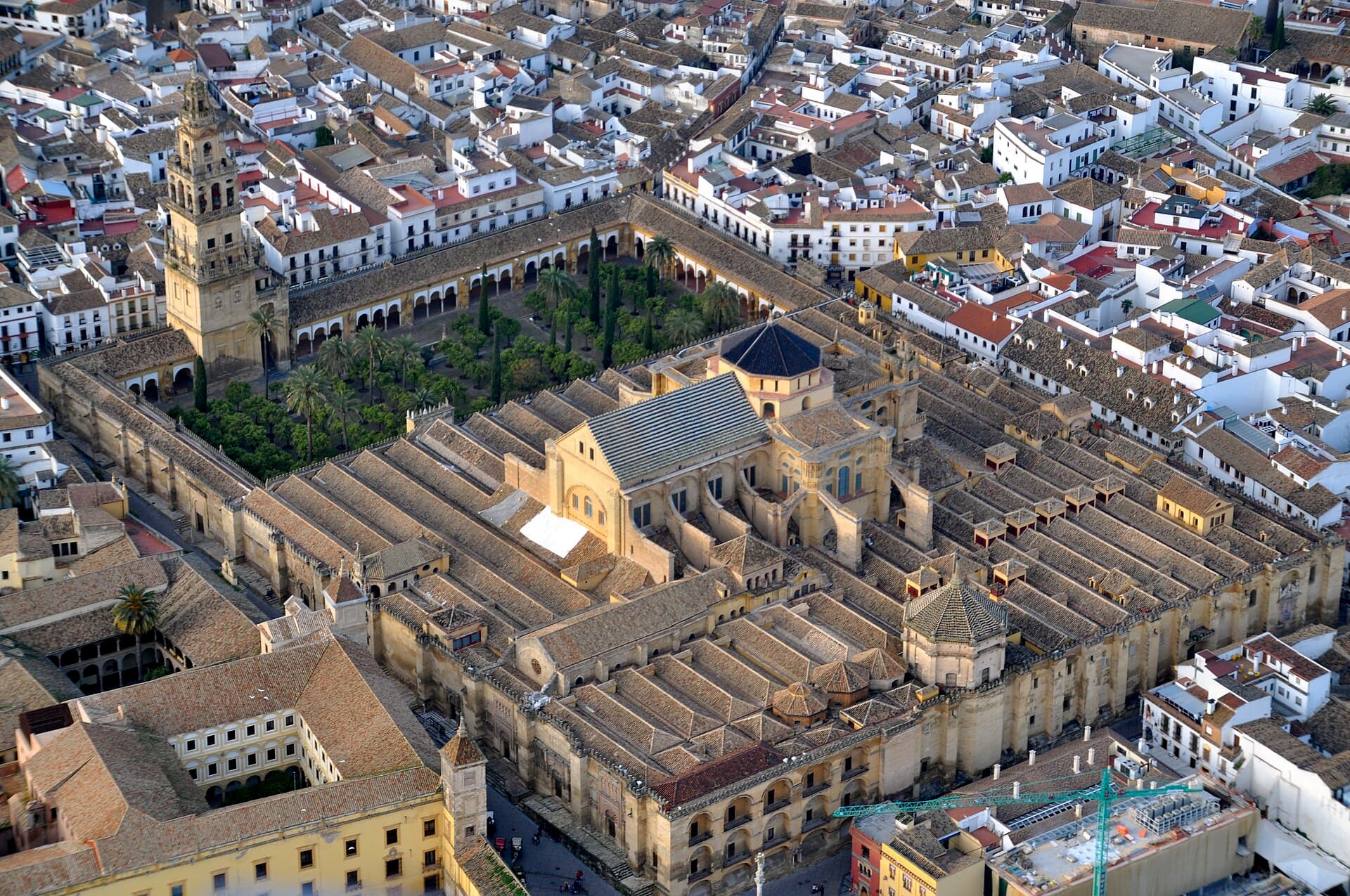 Mosque-Cathedral of CórdobaThe Great Mosque of Córdoba is among the greatest things Muslims built in Spain.4 minutes walk4.7
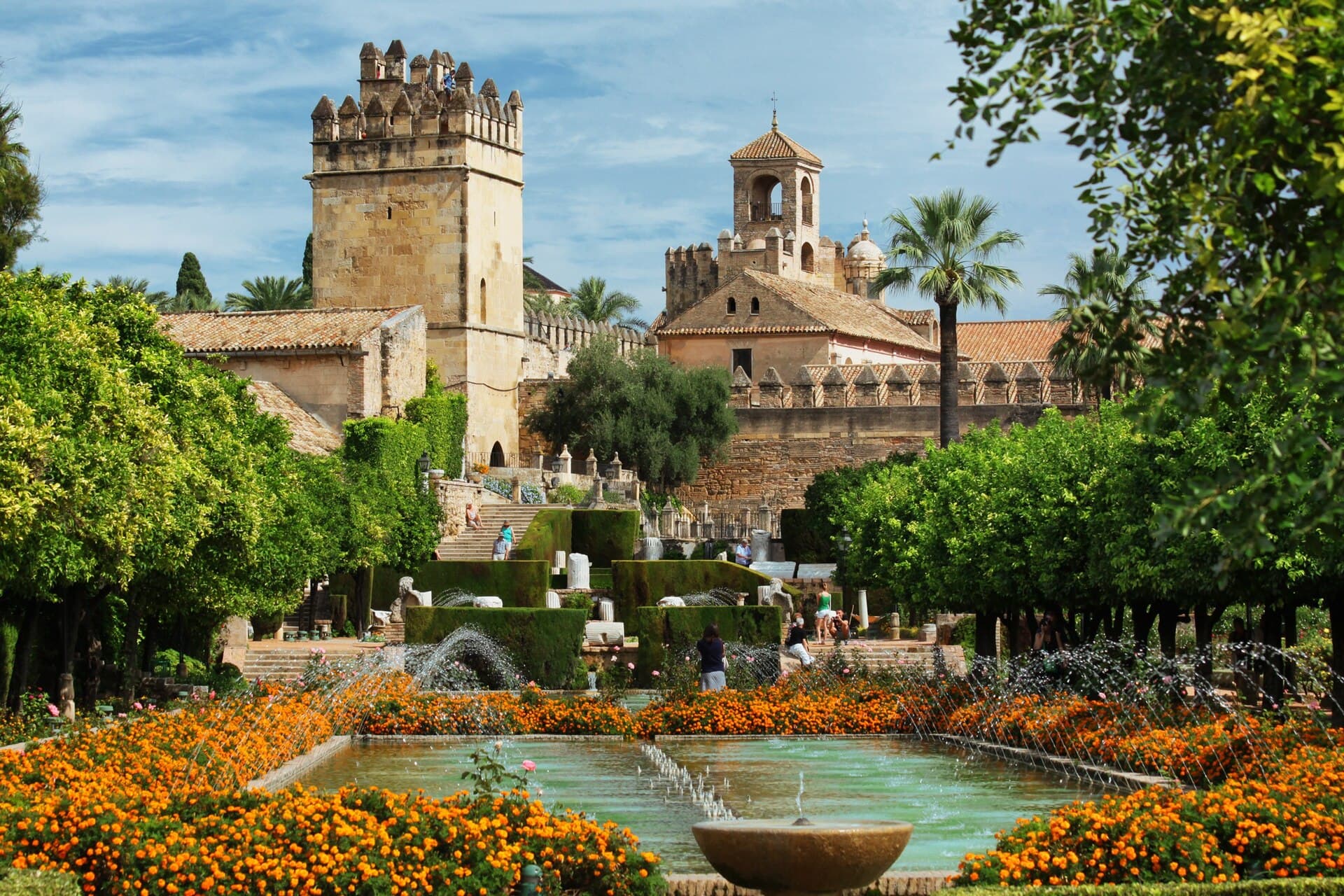 Alcázar de los Reyes CristianosThe Alcázar de los Reyes Cristianos is a fortress-palace in Córdoba built in the4 minutes walk4.6
Its foundation is Roman, from the first century BC, but most of what stands is later rebuilding, much of it Islamic, plus modern restoration. The name stayed "Roman" even though most of the standing stone is not.
Ten minutes on foot, twenty to thirty with photo stops. Cross to the south bank and come back — the view towards the city is the better one, and you will want it both ways.
The Calahorra tower, a small Islamic fort now holding a museum about the coexistence of Muslims, Christians and Jews in Al-Andalus. It also gives a good view back over the bridge and the city.