
The Hirsvogel Hall
A Fall of Phaeton ceiling on twenty canvases.
Technokrat at German Wikipedia — CC BY-SA 3.0 · Tilman2007 — CC BY-SA 4.0 · Tilman2007 — CC BY-SA 4.0 · Tilman2007 — CC BY-SA 4.0
A sandstone house built for Lorenz Tucher the second and his wife Katharina between fifteen thirty-three and fifteen forty-four, on the site of a medieval farmstead inside the old city. It was never a permanent residence but a summer retreat for entertaining, and its plan is generally credited to Paulus Beheim working after French Renaissance models; in its day it was fitted out with panelling, glazed windows, costly tapestries, furniture and paintings. The hall attached to it has an entirely separate story. The Hirsvogel Hall was built in fifteen thirty-four for the Hirsvogel family elsewhere in the city, its interior designed by Peter Flötner in an Italian manner Nuremberg had not seen before, and its ceiling covered by a large painting of the Fall of Phaeton executed by Dürer's pupil Georg Pencz across twenty canvases. The hall was destroyed in the bombing of nineteen forty-five and then rebuilt in the garden of the Tucher mansion, finished in the year two thousand. The museum now shows the world of the sixteenth-century Nuremberg merchant families: furniture, textiles, paintings and household goods from the fifteenth to the nineteenth centuries, along with treasures belonging to the Tuchers themselves. The one real difficulty is the timetable. It opens on three days a week only — Monday, Thursday and Sunday, each with different hours — and anyone turning up on a Saturday finds the door shut.
A Fall of Phaeton ceiling on twenty canvases.
A merchant family's summer retreat inside the walls.
Hirschelgasse 9, 90403 Nuremberg
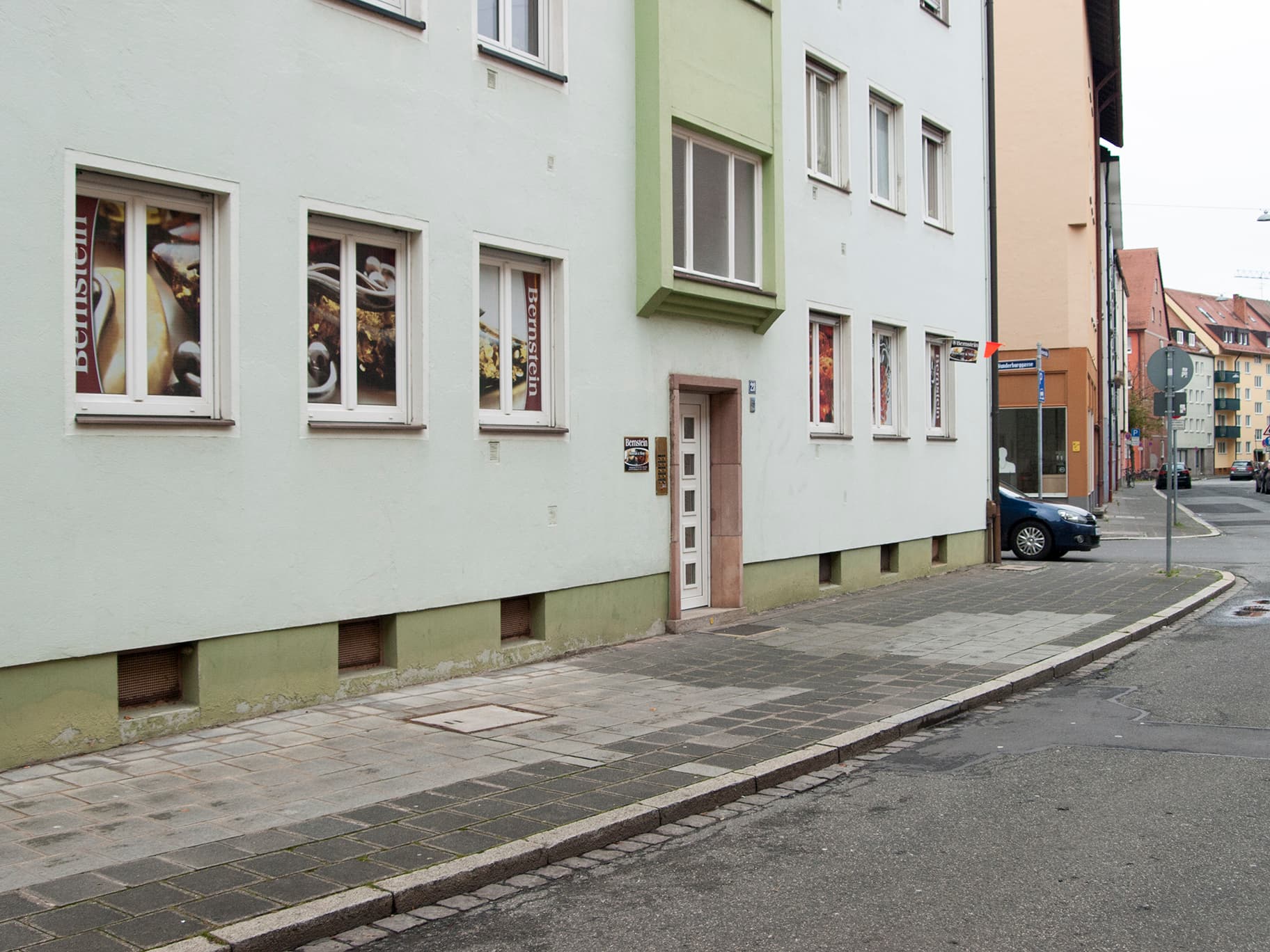 The Amber Museum, NurembergAn amber collection in Nuremberg attached to a commercial shop, showing pieces o5 minutes walk4.8
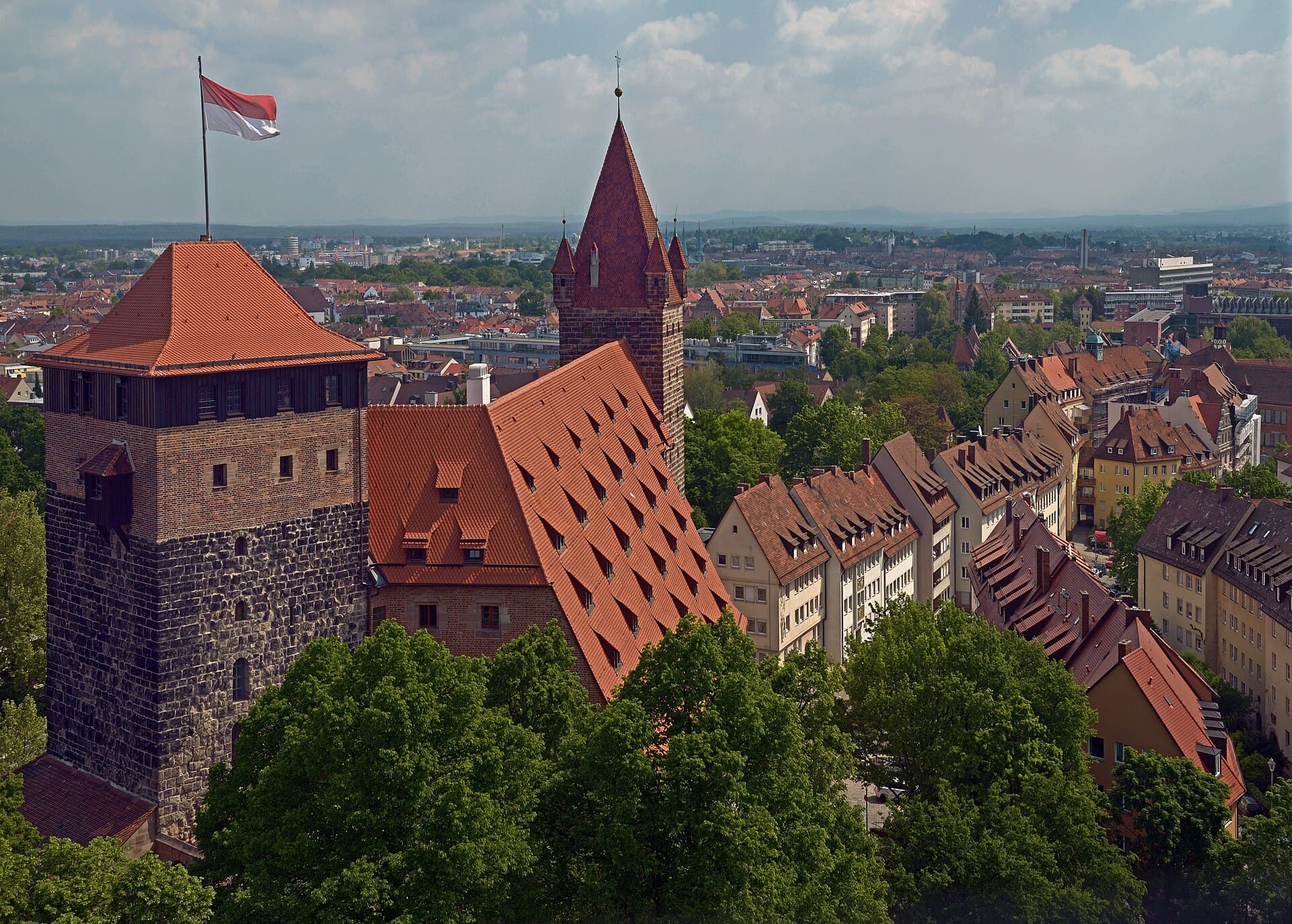 The Pentagonal TowerThe Fünfeckturm is the oldest standing building in Nuremberg: it dates from arou6 minutes walk4.8
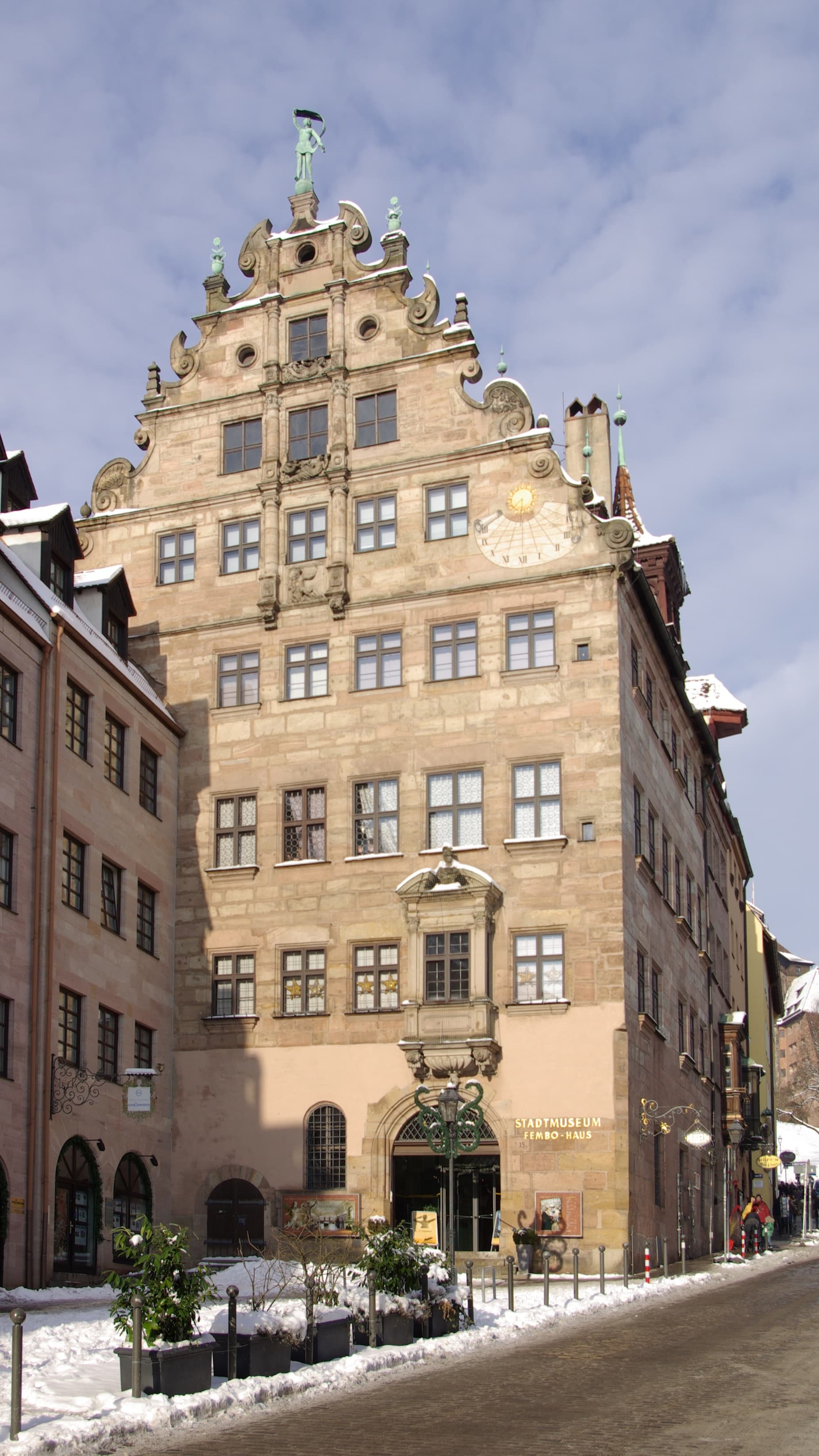 Fembo House City MuseumThe Fembo House is a merchant's house from the late sixteenth century, and the o7 minutes walk4.4
 Medieval Dungeons (Lochgefängnisse)Beneath Nuremberg's old town hall hides the city's medieval jail as it was left:7 minutes walk4.6
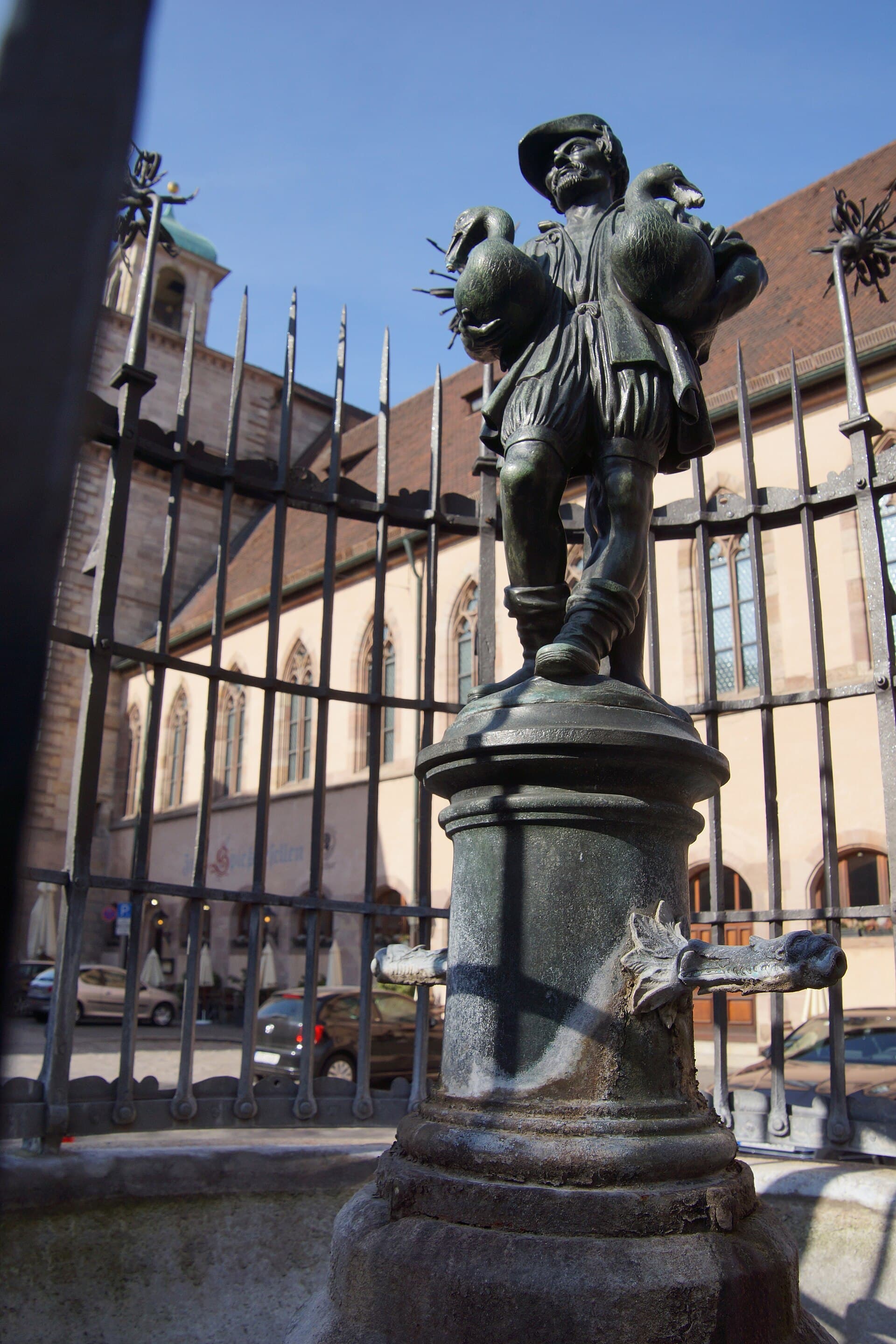 The Goose Man FountainA small bronze fountain near the main market square in Nuremberg, from the early7 minutes walk4.6
What you see is a reconstruction. The fifteen thirty-four original burned in the raid of nineteen forty-five, and the present hall was completed in the garden of the mansion in the year two thousand from surveys, photographs and surviving fragments. It is still the city's most important Renaissance interior, but it is fair to know it is not original stone.