
Clock Tower
Victorian era.
Damien du Toit — CC BY 2.0 · Photograph by Mike Peel (www.mikepeel.net). — CC BY-SA 4.0 · Photograph by Mike Peel (www.mikepeel.net). — CC BY-SA 4.0 · Photograph by Mike Peel (www.mikepeel.net). — CC BY-SA 4.0
Cape Town's historic harbour, now the city's most visited area, with working quays, fishing boats and ships, shopping centres and restaurants, and a Table Mountain backdrop that turns every corner into a picture. The harbour is named after Queen Victoria and her son Prince Alfred, who launched the building of its breakwater in 1860. Victorian buildings survive, above all the old Clock Tower, alongside the new Zeitz MOCAA museum of contemporary African art in the old grain silos. In Nobel Square stand statues of South Africa's Nobel Peace Prize laureates, among them Nelson Mandela and Desmond Tutu. The area has a large market for African crafts and design, the Two Oceans Aquarium and the Cape Wheel, and Cape fur seals lounge on the quays. Wandering is free, and it is safe and family-friendly by day and in the evening. Ferries to Robben Island leave from its Nelson Mandela Gateway, as do sunset boat trips on the bay.
Victorian era.
On the quays.
On the bay.
The historic harbour, Cape Town
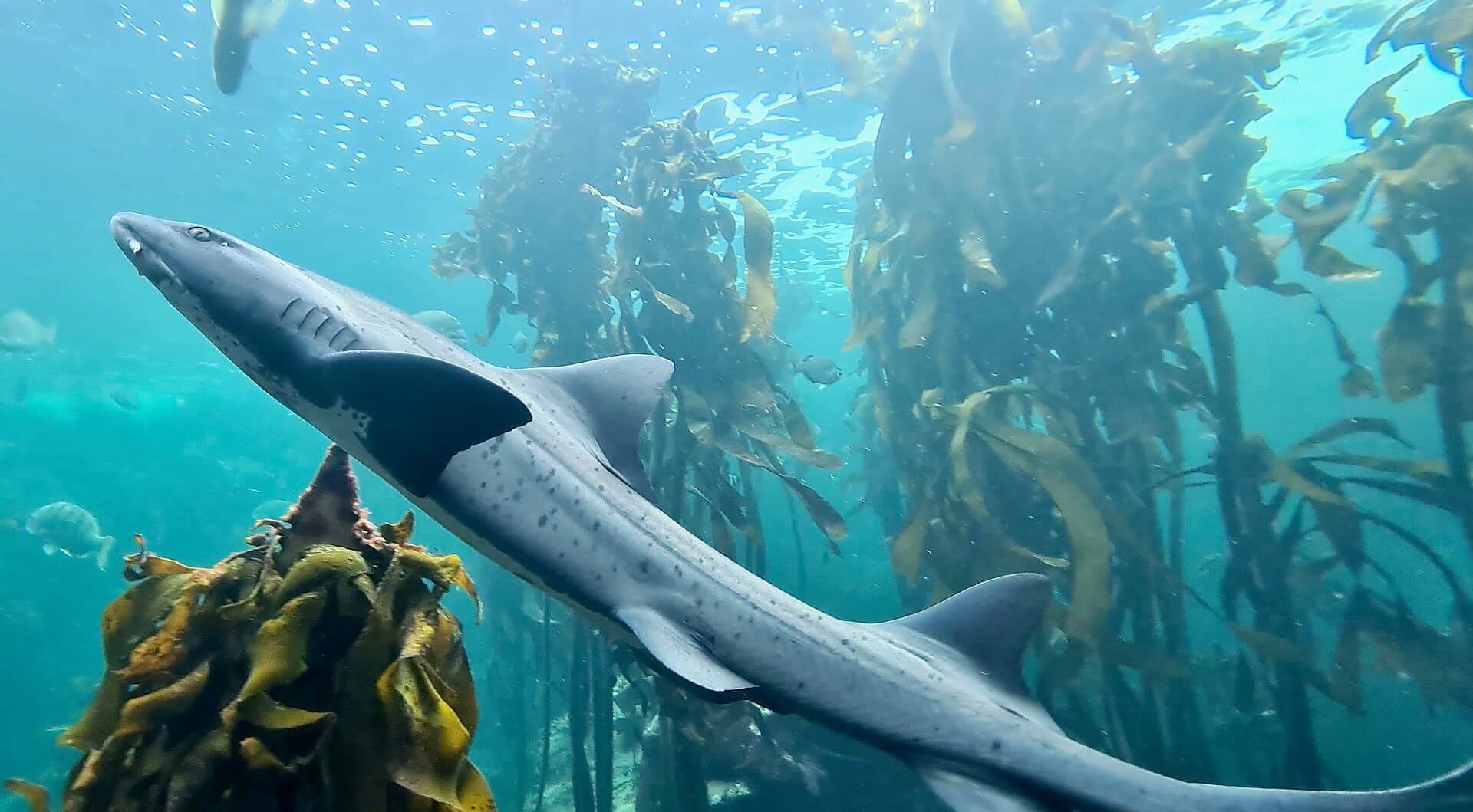 Two Oceans AquariumA large aquarium at Cape Town's V&A Waterfront, opened in 1995, showing the sea 4 minutes walk4.7
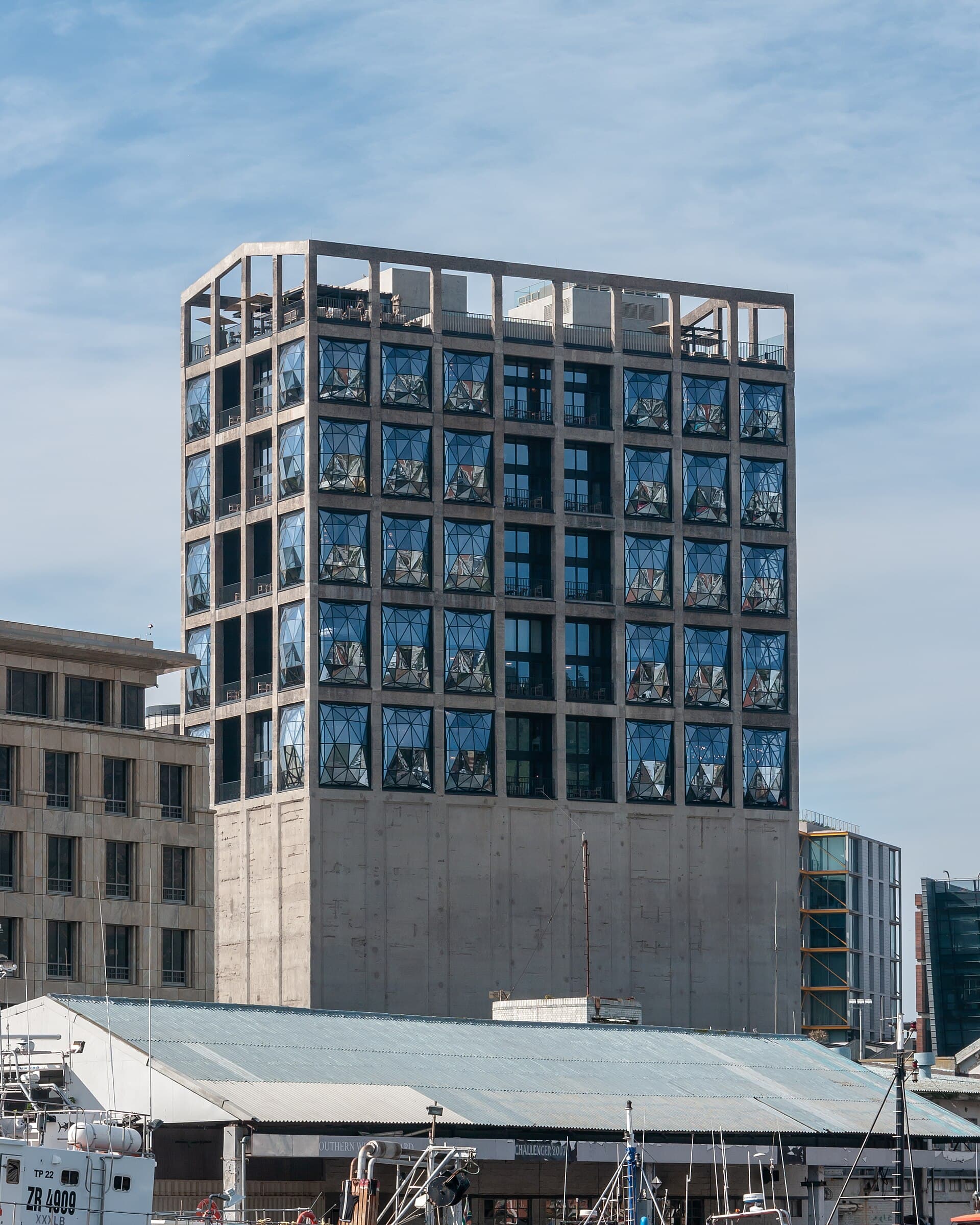 Zeitz MOCAAThe largest museum of contemporary art from Africa and its diaspora, opened in 25 minutes walk4.3
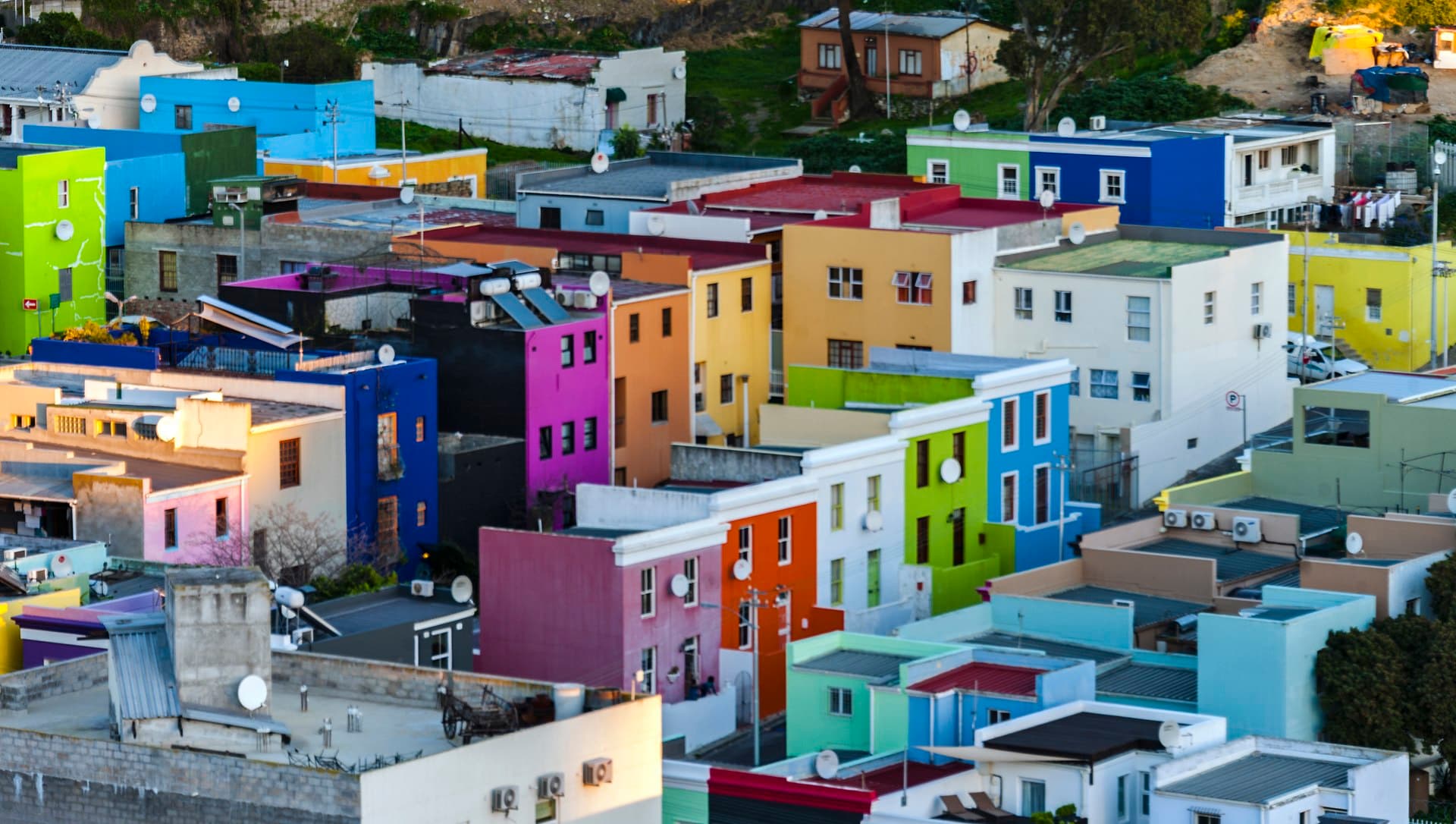 Bo-KaapCape Town's historic Muslim quarter, on the slopes of Signal Hill above the city19 minutes walk
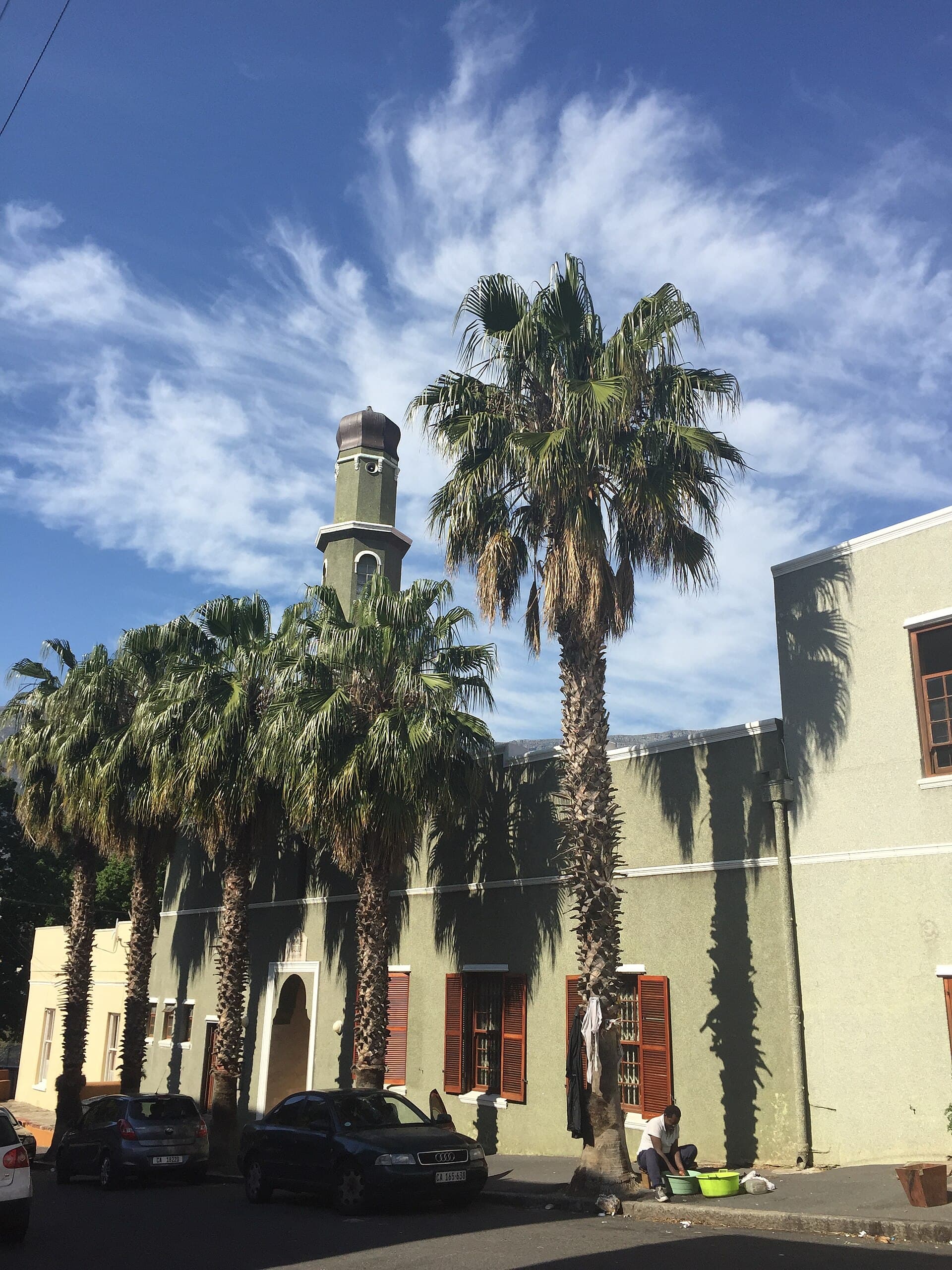 Auwal MosqueThe oldest mosque in South Africa, built in 1794 on Dorp Street in the Bo-Kaap a24 minutes walk4.9
From the Nelson Mandela Gateway at the V&A Waterfront.