
Grave 43
A leader or priest buried in astonishing quantities of gold.
No machine-readable author provided. Extrawurst assumed (based on copyright claims). — CC BY-SA 3.0 · vedyteam — CC BY 3.0 · Wikipek — CC0 · Urum — CC BY-SA 3.0
Varna's Archaeological Museum holds a discovery that shook world archaeology: the Varna Necropolis (discovered 1972 by chance during construction work) contains the oldest known worked gold in all human history — pieces dating to roughly 4600 BC, older than Egypt's pyramids by nearly two millennia and predating Sumerian and ancient Egyptian gold itself by long centuries, rewriting scientific understanding of precious metalworking history. Grave 43 specifically (partly displayed here) belonged to an elderly man buried with astonishing quantities of gold ornaments — a sceptre, bracelets, necklaces and fully gold-plated garment pieces — suggesting he was a leader or priest of the exceptionally technically advanced Chalcolithic Varna Culture for its age. Other halls display pottery, tools and small statuettes from later ages (Thracian, Greek, Roman, Byzantine) documenting long settlement continuity on the coast — but the world's oldest gold remains the single piece worth the trip alone.
A leader or priest buried in astonishing quantities of gold.
Exceptionally advanced technique for its Chalcolithic age.
Maria Louisa 41, 9000 Varna
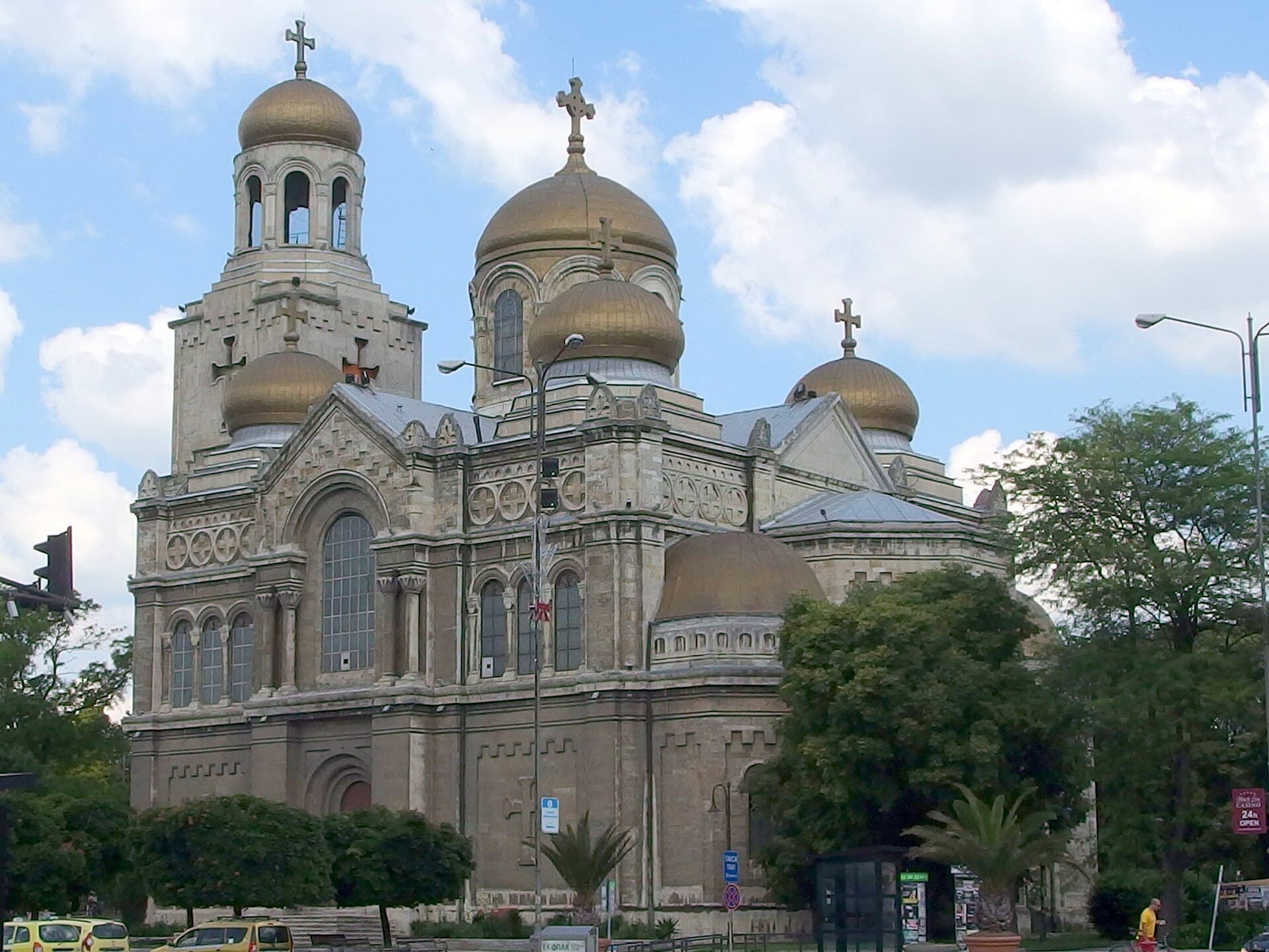 The Dormition of the Mother of God CathedralThe Dormition Cathedral is modern Varna's mother church: built (1880s) immediate6 minutes walk4.8Aziziye Central MosqueAziziye Mosque is the sole remaining working mosque in Varna today, from several8 minutes walk4.6
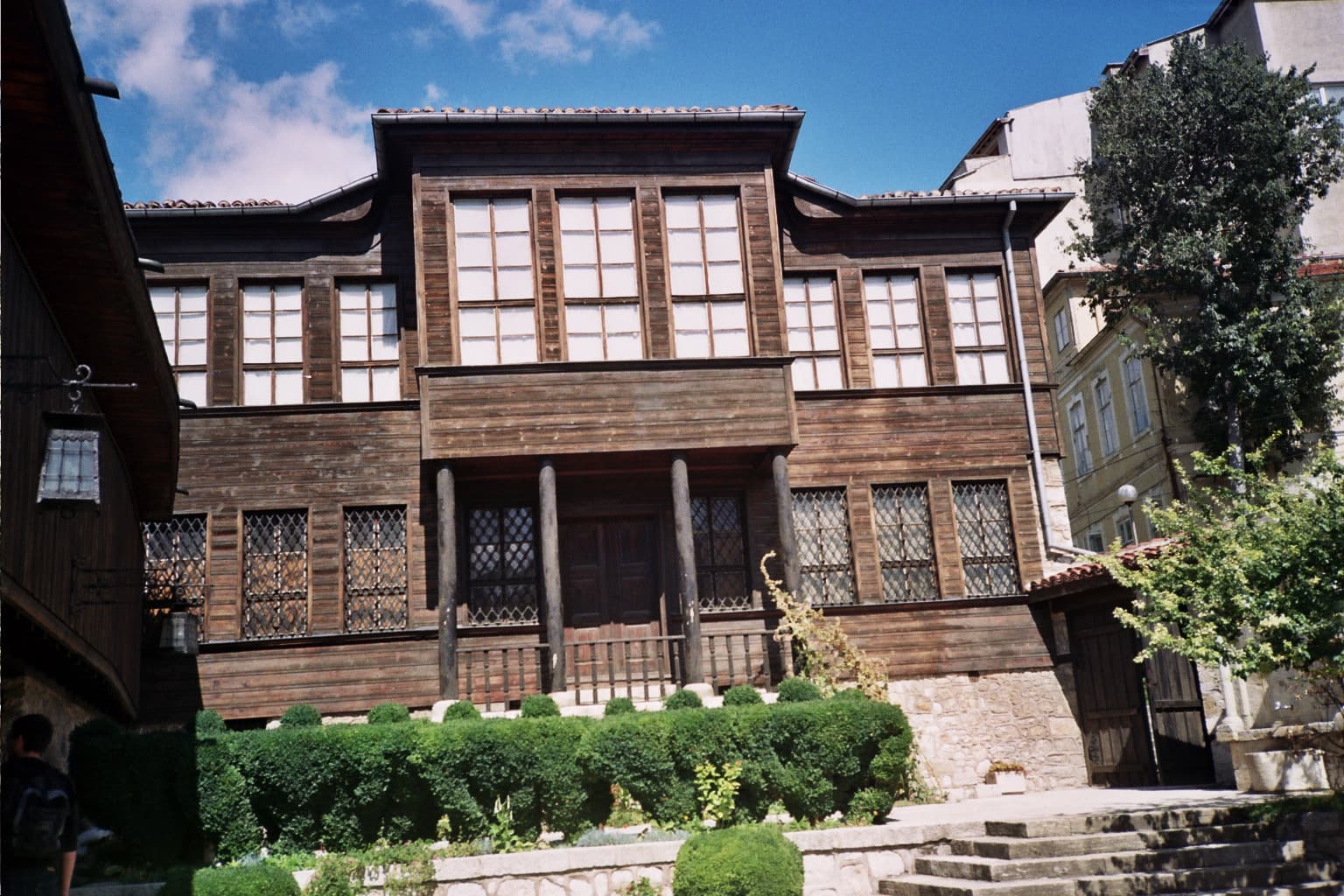 The Ethnographic Museum of VarnaVarna's Ethnographic Museum occupies a house of 1860 in the Bulgarian Revival ma9 minutes walk4.6
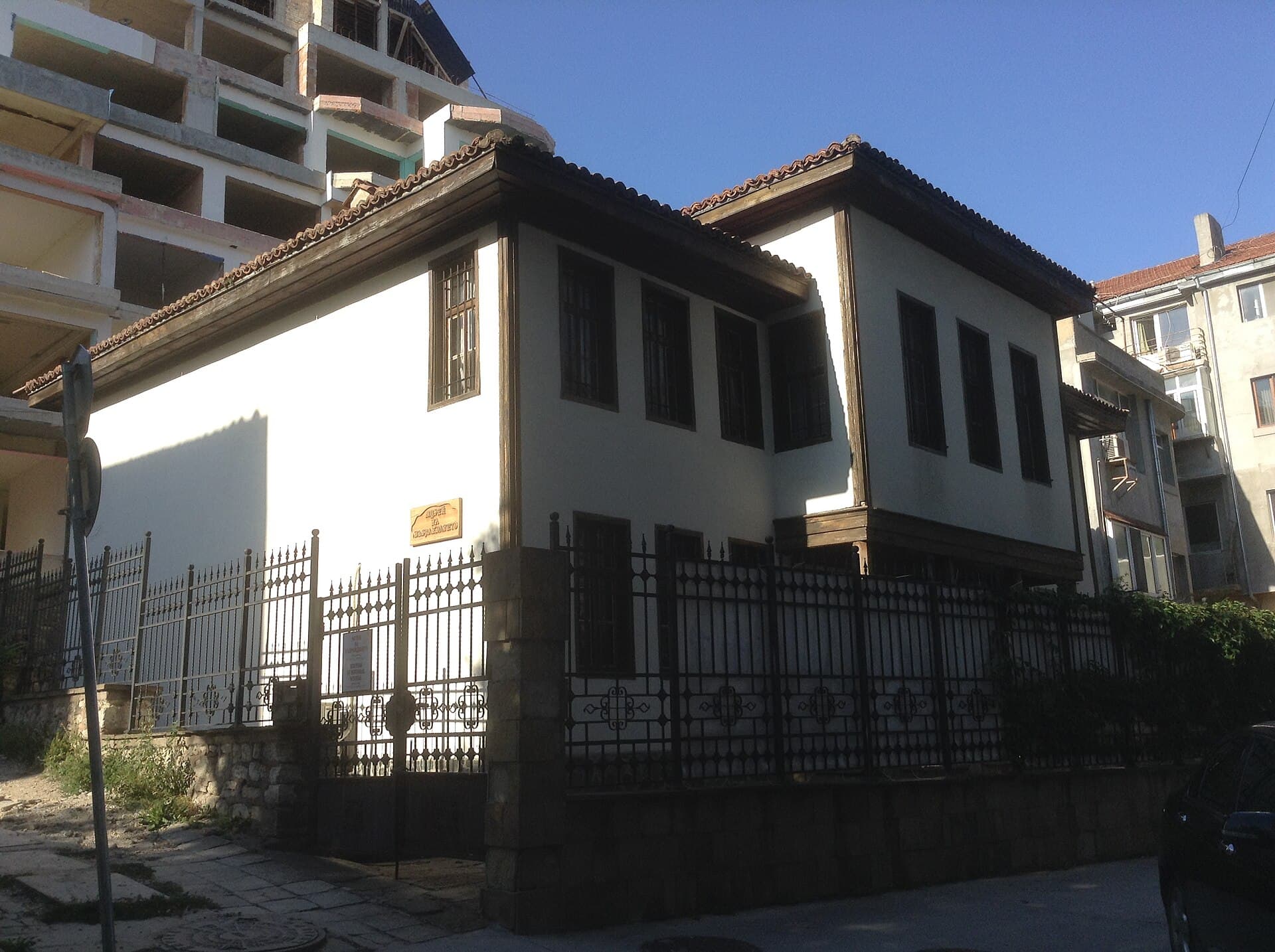 The National Revival MuseumVarna's National Revival Museum occupies the building that was **the city's firs9 minutes walk4.6
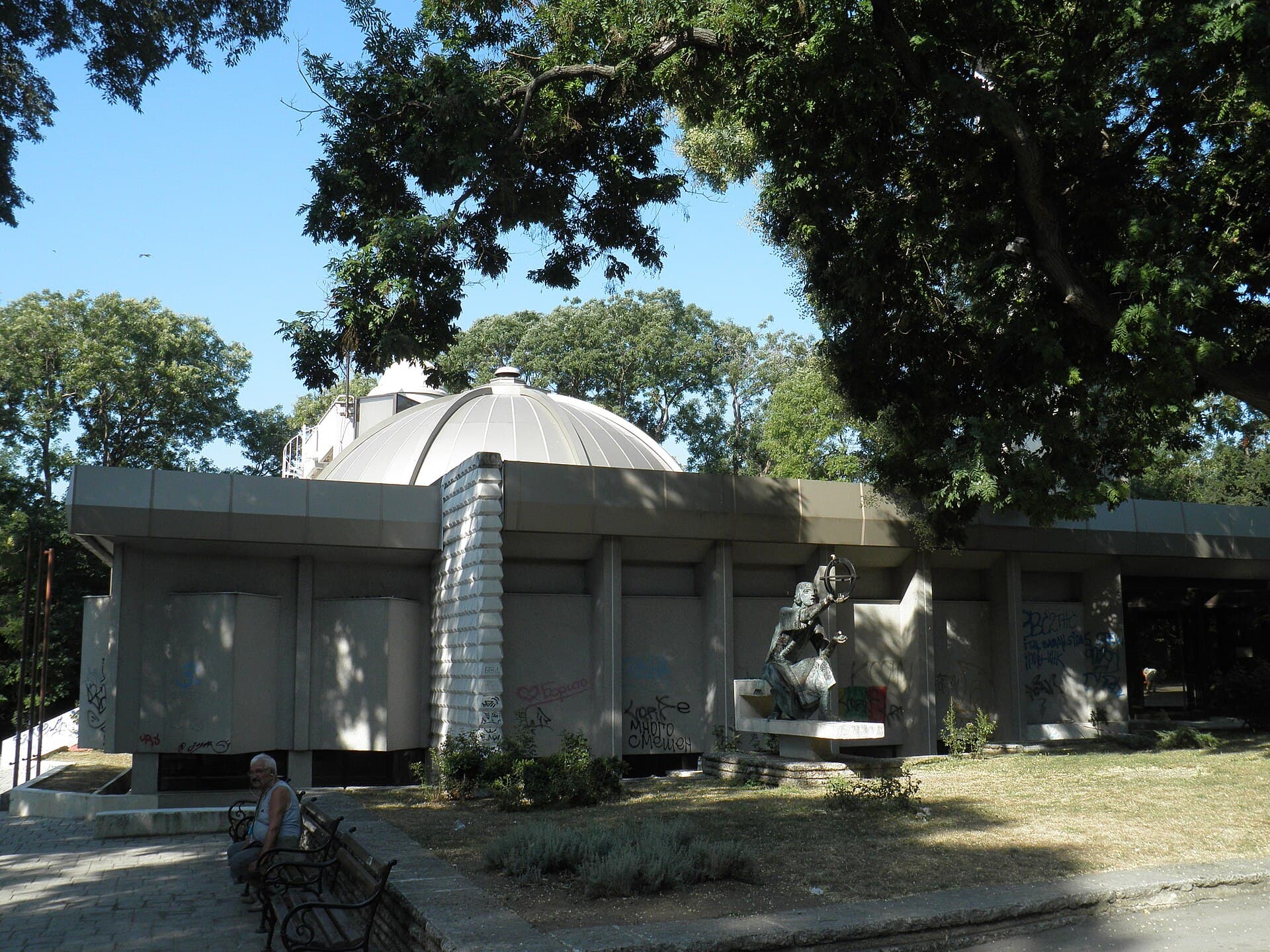 The Varna Observatory and PlanetariumThe Nicolaus Copernicus astronomical observatory and planetarium stands in Varna10 minutes walk4.5
Before Varna's discovery, archaeologists assumed sophisticated goldworking began with the well-known great civilisations (Sumer, Egypt, roughly 3000-2500 BC) — the 1972 discovery completely overturned this assumption by proving an exceptionally technically advanced European society skilfully working gold over two thousand years earlier, forcing historians to radically reconsider the early human civilisation development map geographically, shifting part of pioneering credit from the traditional Middle East to the European Black Sea coast.