
The golden domes
Neo-Byzantine echoing Moscow's great cathedral.
Mark Ahsmann — CC BY-SA 4.0 · Mark Ahsmann — CC BY-SA 4.0 · www.vacacionesbulgaria.com — CC BY-SA 4.0 · Mark Ahsmann — CC BY-SA 4.0
The Dormition Cathedral is modern Varna's mother church: built (1880s) immediately after Bulgaria's liberation from Ottoman rule, celebrating the new independence — its neo-Byzantine design with multiple golden domes deliberately echoes Moscow's great cathedral architecture, a symbolic emphasis on the close Russian-Bulgarian spiritual ties following the liberation war. Its interior is astonishingly detailed: murals and icons painted by Bulgarian artists who later gained national fame, massive hanging chandeliers, and a finely carved marble altar — a solemn space seating a thousand worshippers, making it the second-largest Bulgarian cathedral after Sofia's Alexander Nevsky. Its central location in the heart of the commercial centre makes it a natural stop without detouring from any sightseeing route — its surrounding square (Ploshtad Kiril i Metodiy) a permanent evening social gathering point for locals.
Neo-Byzantine echoing Moscow's great cathedral.
A permanent local social gathering point.
Ploshtad Kiril i Metodiy, 9000 Varna
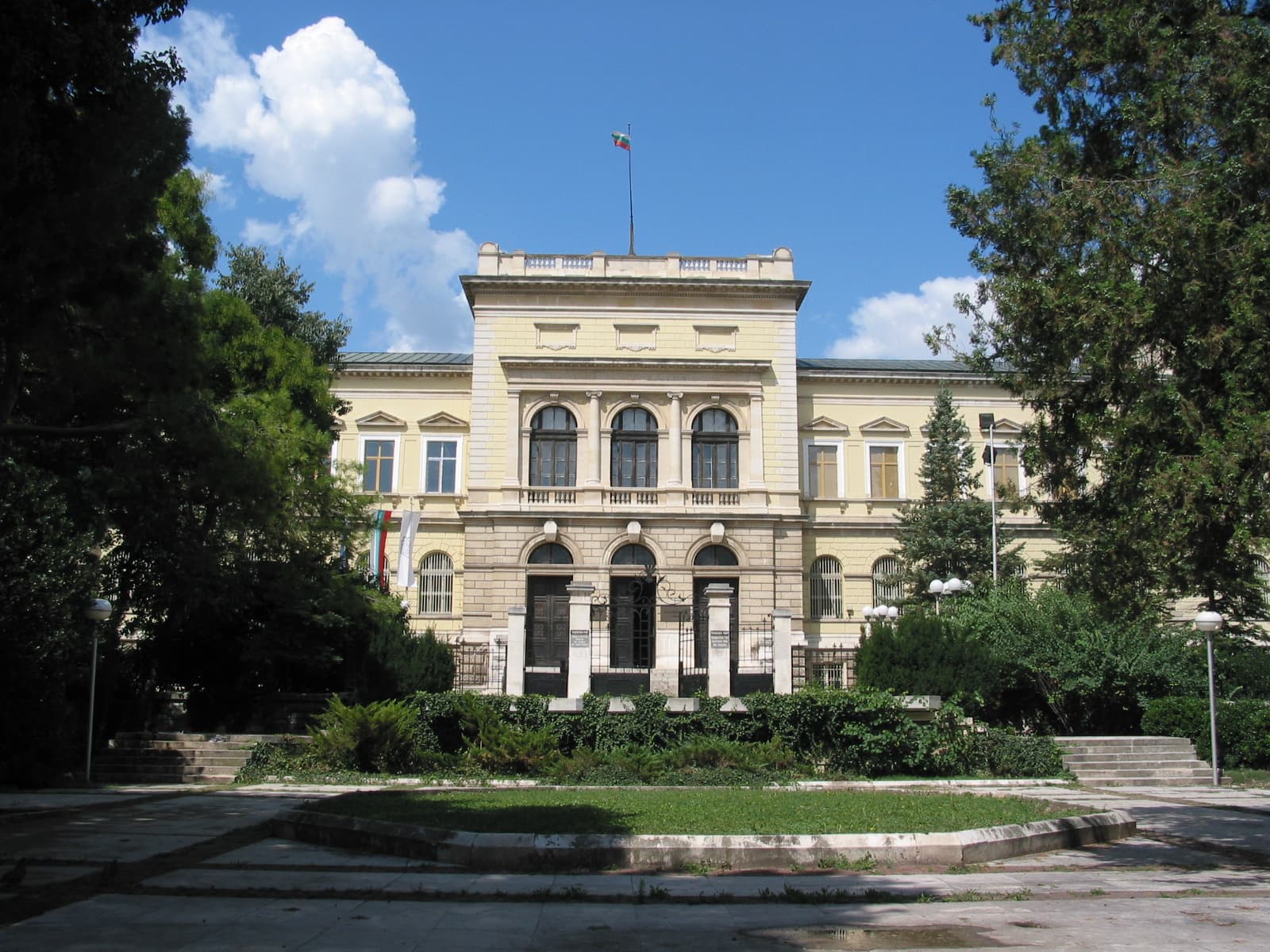 Varna Archaeological Museum — Humanity's Oldest GoldVarna's Archaeological Museum holds a discovery that shook world archaeology: th6 minutes walk4.6Aziziye Central MosqueAziziye Mosque is the sole remaining working mosque in Varna today, from several6 minutes walk4.6
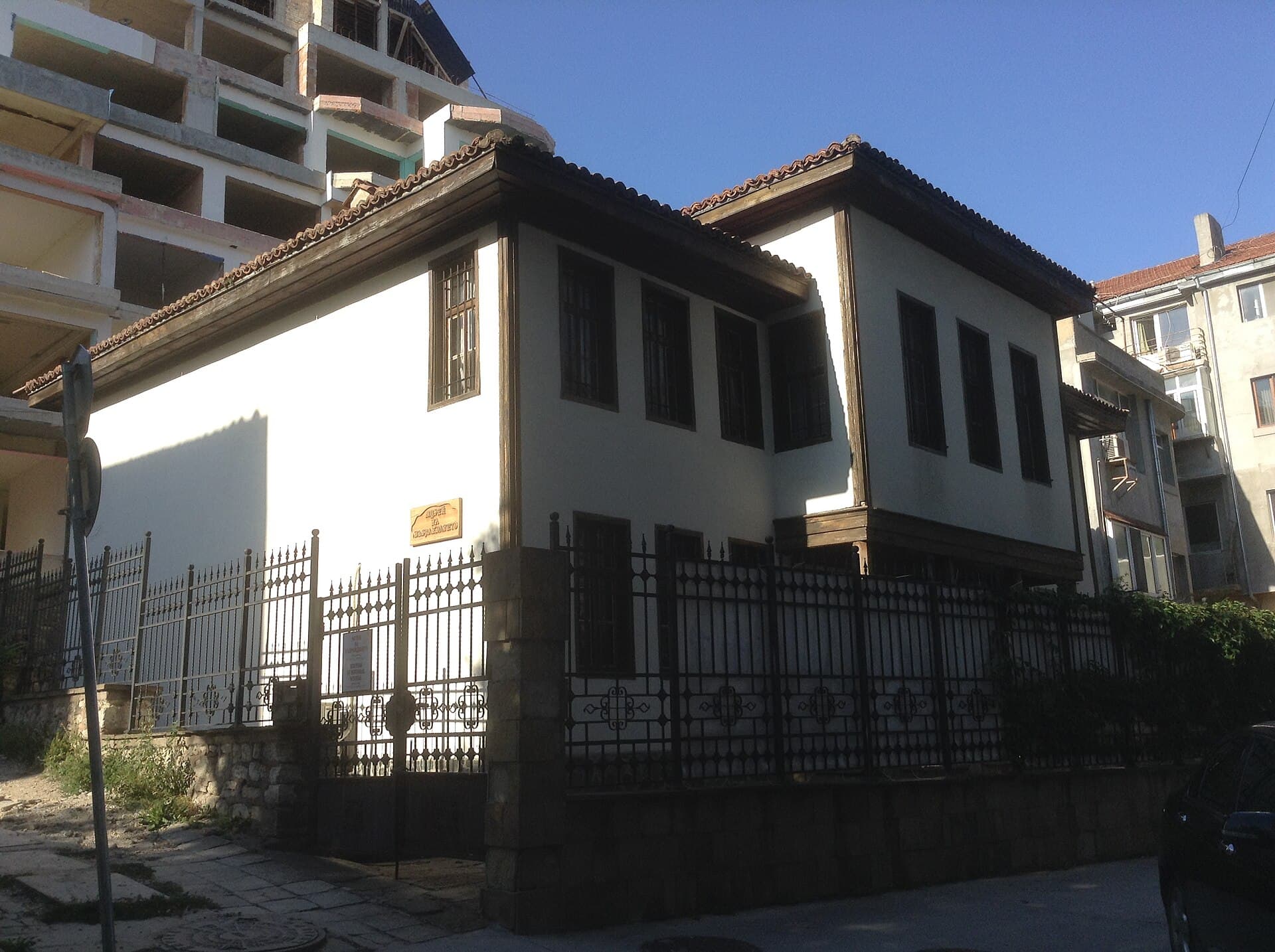 The National Revival MuseumVarna's National Revival Museum occupies the building that was **the city's firs6 minutes walk4.6
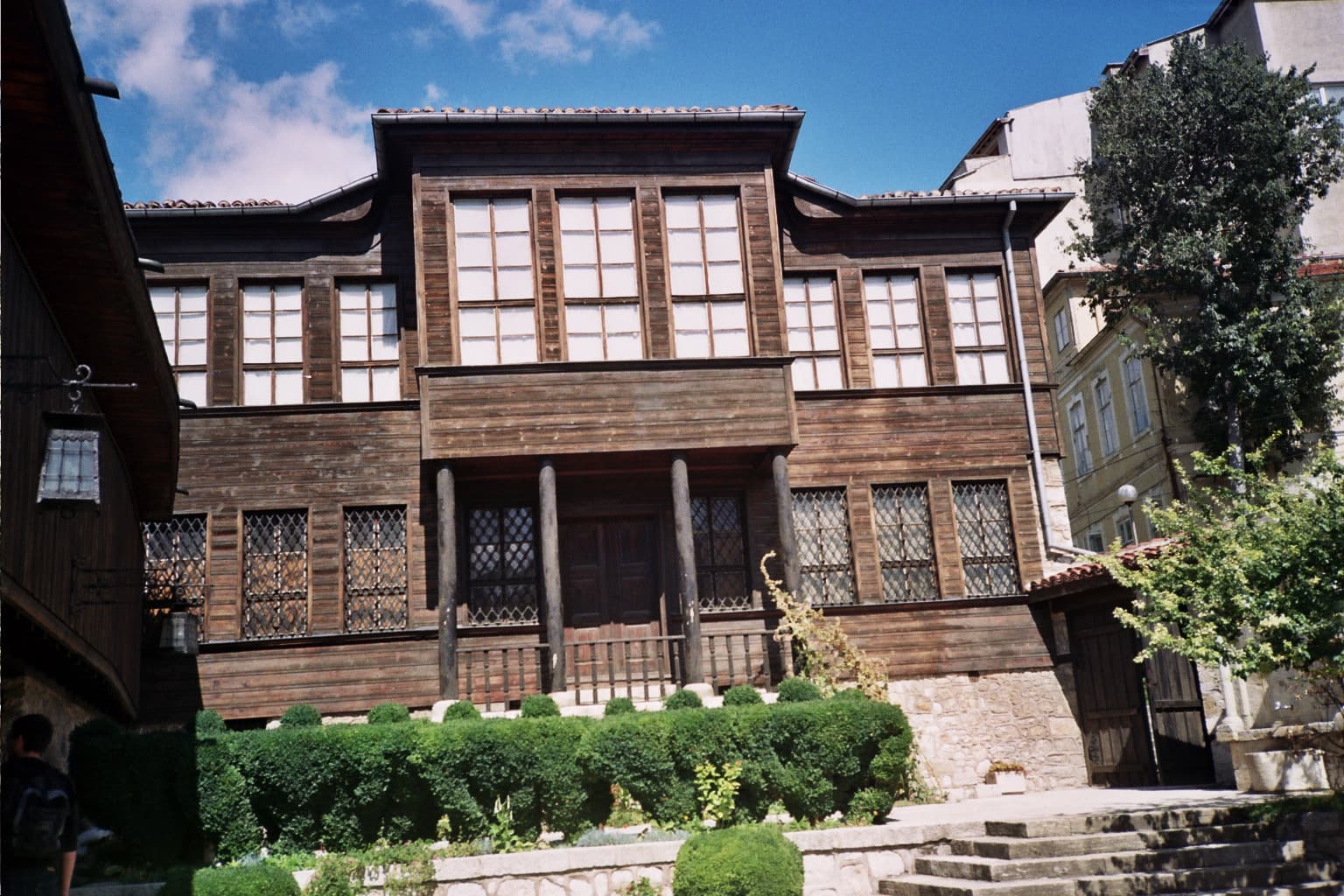 The Ethnographic Museum of VarnaVarna's Ethnographic Museum occupies a house of 1860 in the Bulgarian Revival ma7 minutes walk4.6
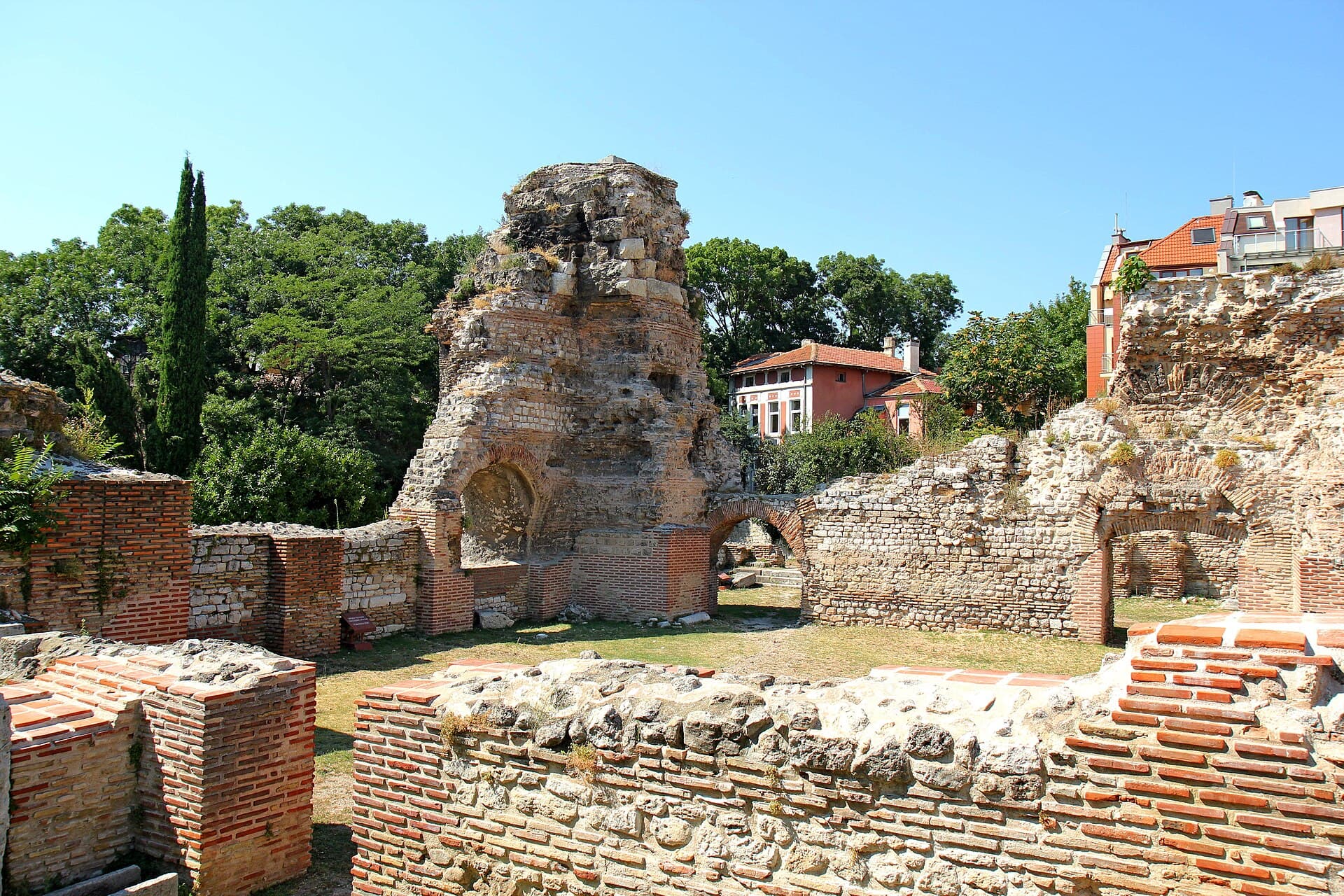 The Roman Thermae (Great Baths)Varna's Great Roman Thermae is the fourth-largest surviving Roman bath complex i11 minutes walk4.3
After the 1878 liberation with direct Russian military help, newly independent Bulgaria expressed gratitude and spiritual connection to Orthodox Russia through major religious architectural projects directly inspired by its ecclesiastical style — a pattern repeated in several Bulgarian cities post-independence, reflecting a deep political and spiritual alliance lasting decades before relations later complicated in the twentieth century.