
The classroom
Benches, a board and Bulgarian books as they were.
Litev — CC BY-SA 4.0 · Spiritia — CC BY-SA 4.0 · Spiritia — CC BY-SA 4.0 · Spiritia — CC BY-SA 4.0
Varna's National Revival Museum occupies the building that was **the city's first Bulgarian school**, opened in 1862 — and that is exactly its subject. The ground floor shows the **classroom** as it was: long timber benches, a board, and school books printed in Bulgarian. That seems ordinary until you know the context: teaching in church and school was conducted in Greek, and the Greek patriarchate in Istanbul controlled the Bulgarian church. Opening a school in Bulgarian was a political act. The upper floor holds a **small church** of the same year, the first in Varna in which the liturgy was said in Church Slavonic rather than Greek. School and church in one building sums up the whole movement: language, education and religion together. The displays are documents, photographs and school equipment of the Revival period. **Small and cheap** — half an hour, and combined with the ethnographic museum next door.
Benches, a board and Bulgarian books as they were.
Of the same year, in the same building.
Ulitsa 27 Yuli 9, Varna
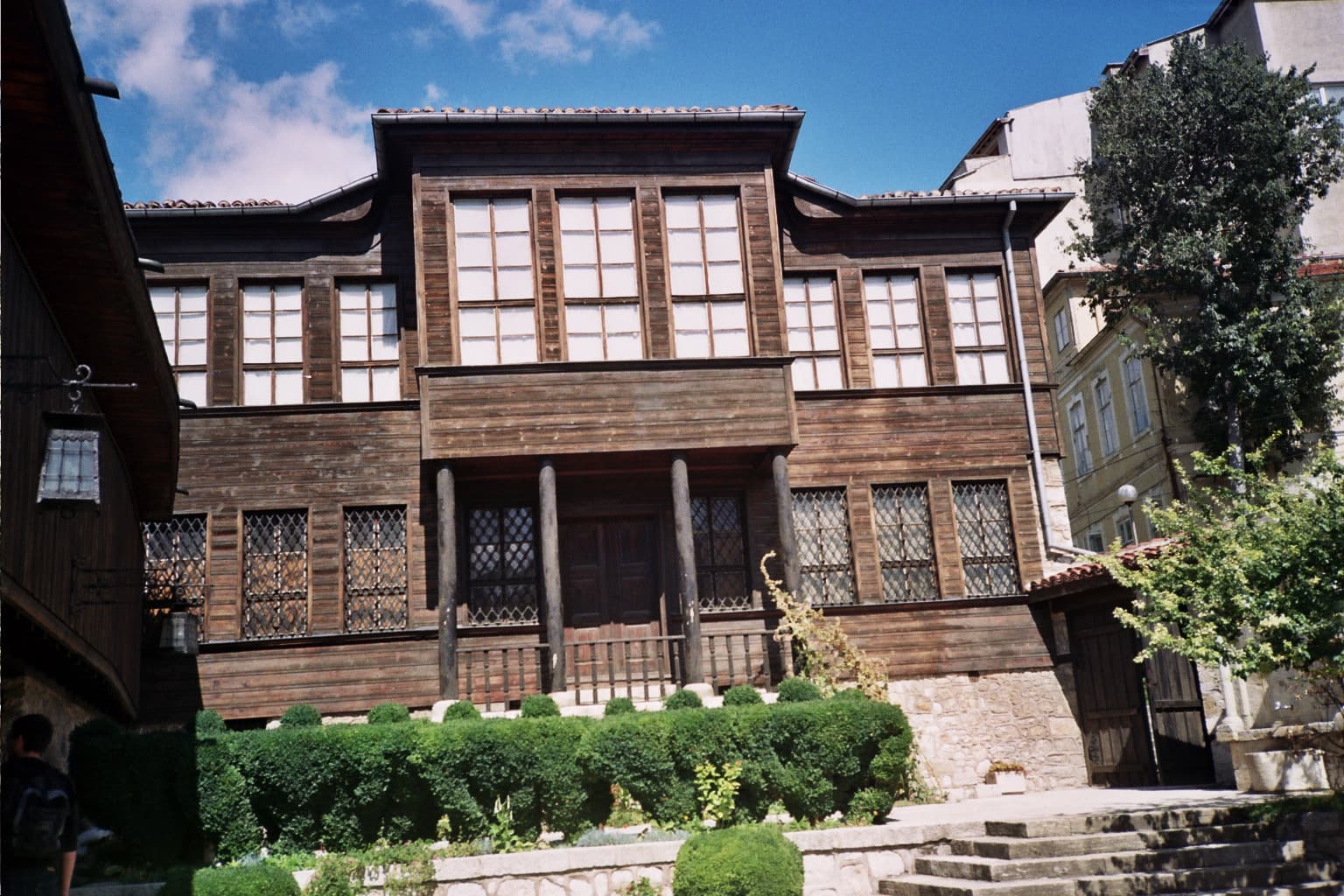 The Ethnographic Museum of VarnaVarna's Ethnographic Museum occupies a house of 1860 in the Bulgarian Revival ma1 minute walk4.6
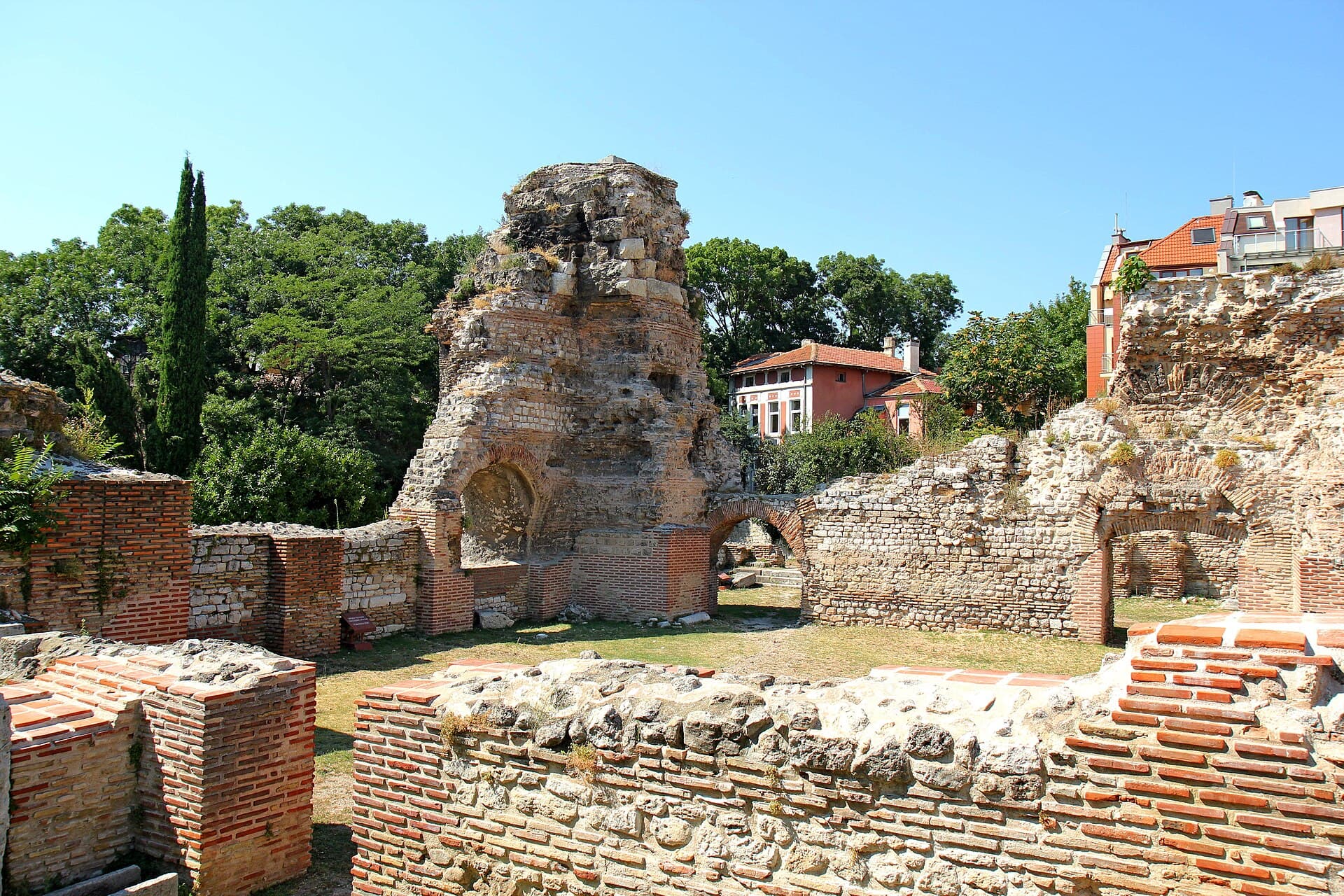 The Roman Thermae (Great Baths)Varna's Great Roman Thermae is the fourth-largest surviving Roman bath complex i6 minutes walk4.3
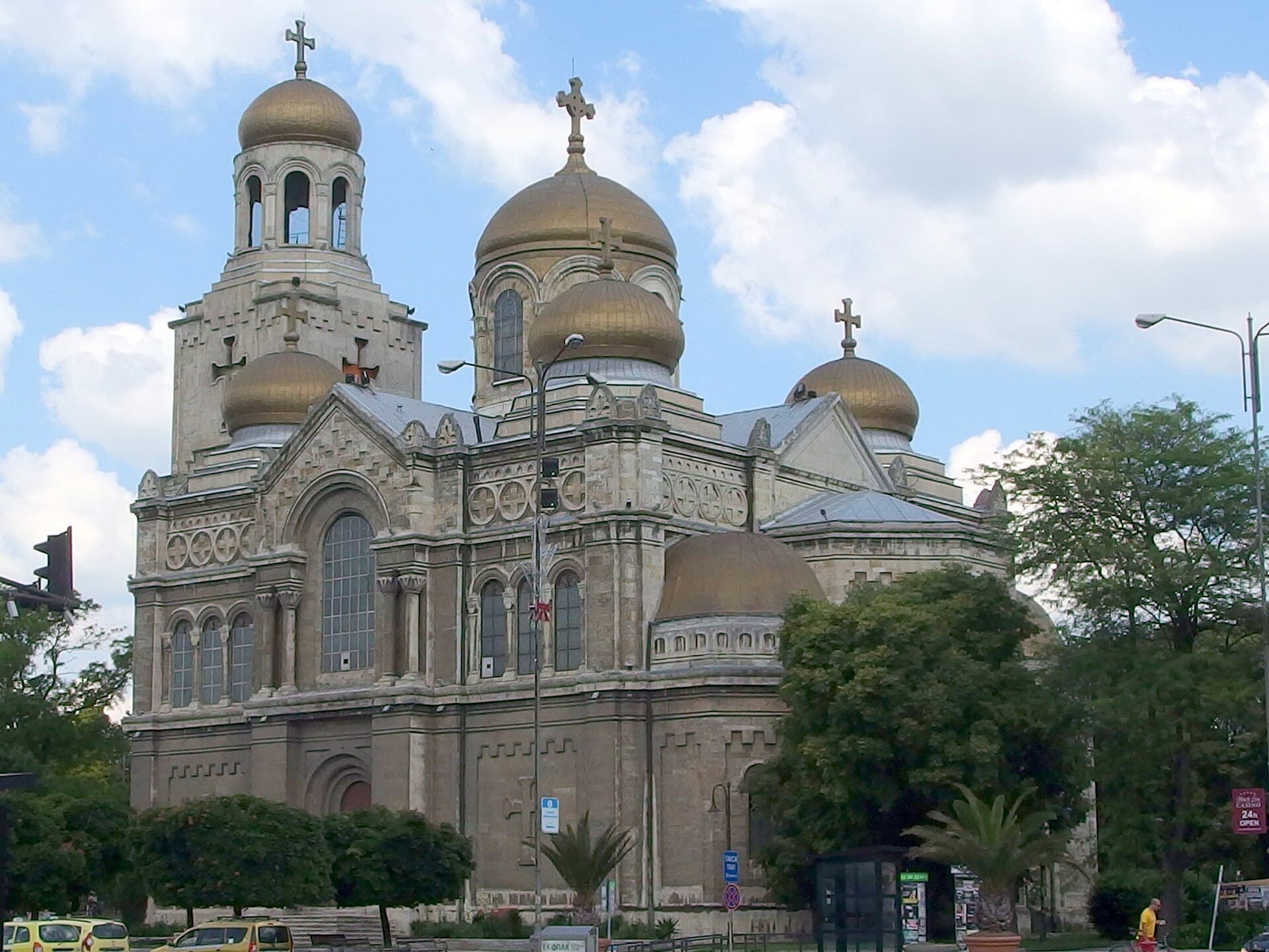 The Dormition of the Mother of God CathedralThe Dormition Cathedral is modern Varna's mother church: built (1880s) immediate6 minutes walk4.8
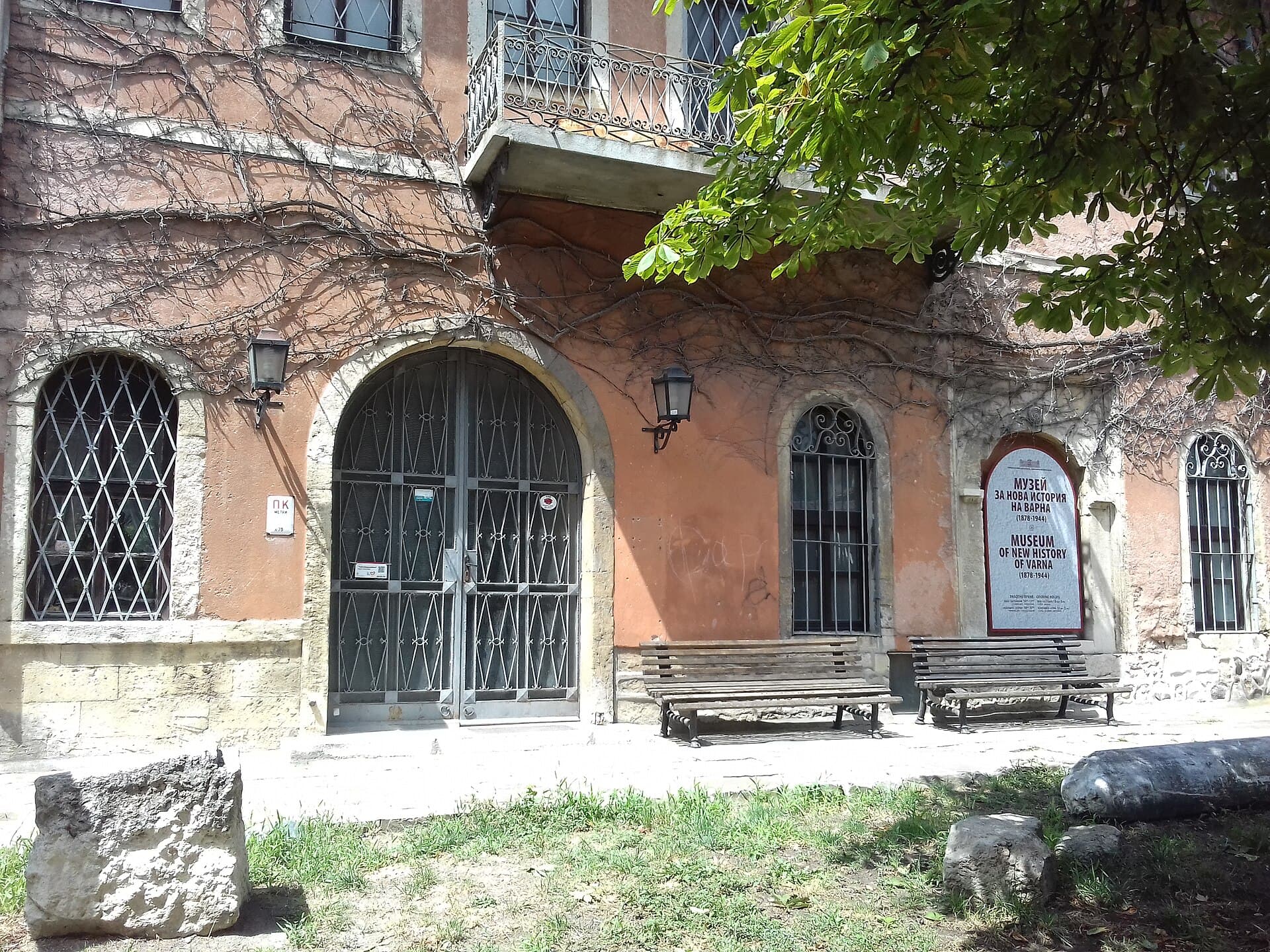 The Varna Museum of Modern HistoryVarna's Museum of Modern History covers the city from the Ottoman liberation of 7 minutes walk4.7
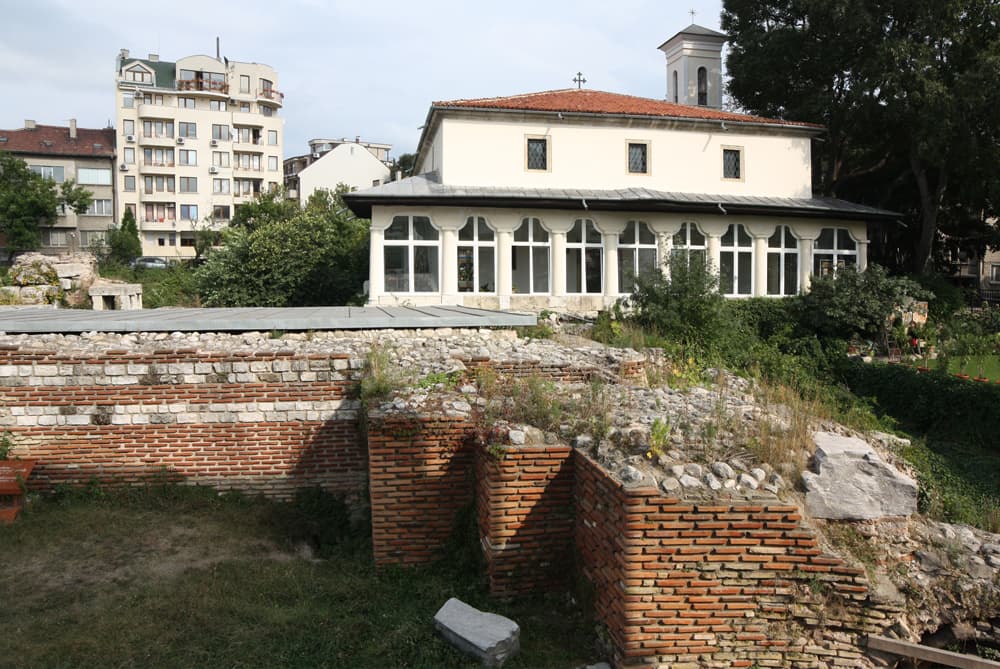 The Church of St AthanasiusAn Orthodox church in Varna's old Greek quarter, built in 1838 under Ottoman rul7 minutes walk4.8
Because controlling it meant controlling identity. Under Ottoman rule Orthodox Christians were administered through the Greek patriarchate in Istanbul, so Greek became the language of the church, the schools and the elite, and Bulgarian the language of the village. The nineteenth-century Bulgarian movement began there rather than in politics: schools in Bulgarian, printing presses, books, and then a demand for an independent Bulgarian church — achieved in 1870 when the sultan recognised the Bulgarian Exarchate. Political independence followed only eight years later. The church and the school, in other words, came before the state.