
The costume
Each community's embroidery shown for direct comparison.
Varna's Ethnographic Museum occupies a house of 1860 in the Bulgarian Revival manner, of two storeys around an inner courtyard — and the building is part of the display. The collection covers life in the Varna region in the nineteenth and twentieth centuries, arranged by trade and by season: the tools of farming, fishing and beekeeping, looms and spindles, and the town crafts of silversmithing and coppersmithing. Its strongest part is the **traditional costume**, and the variety surprises visitors: the Varna region received different communities — Bulgarians from various regions, Gagauz, Crimean Tatars and Turks — each with its own dress and embroidery, and the museum shows them side by side so the differences read directly. There is also a section on **festival traditions** — the kukeri masks and the spring processions — old pagan customs that survived under a Christian covering. **Charges are low.**
Each community's embroidery shown for direct comparison.
Pagan spring customs that survived under a Christian covering.
Ulitsa Panagyurishte 12, Varna
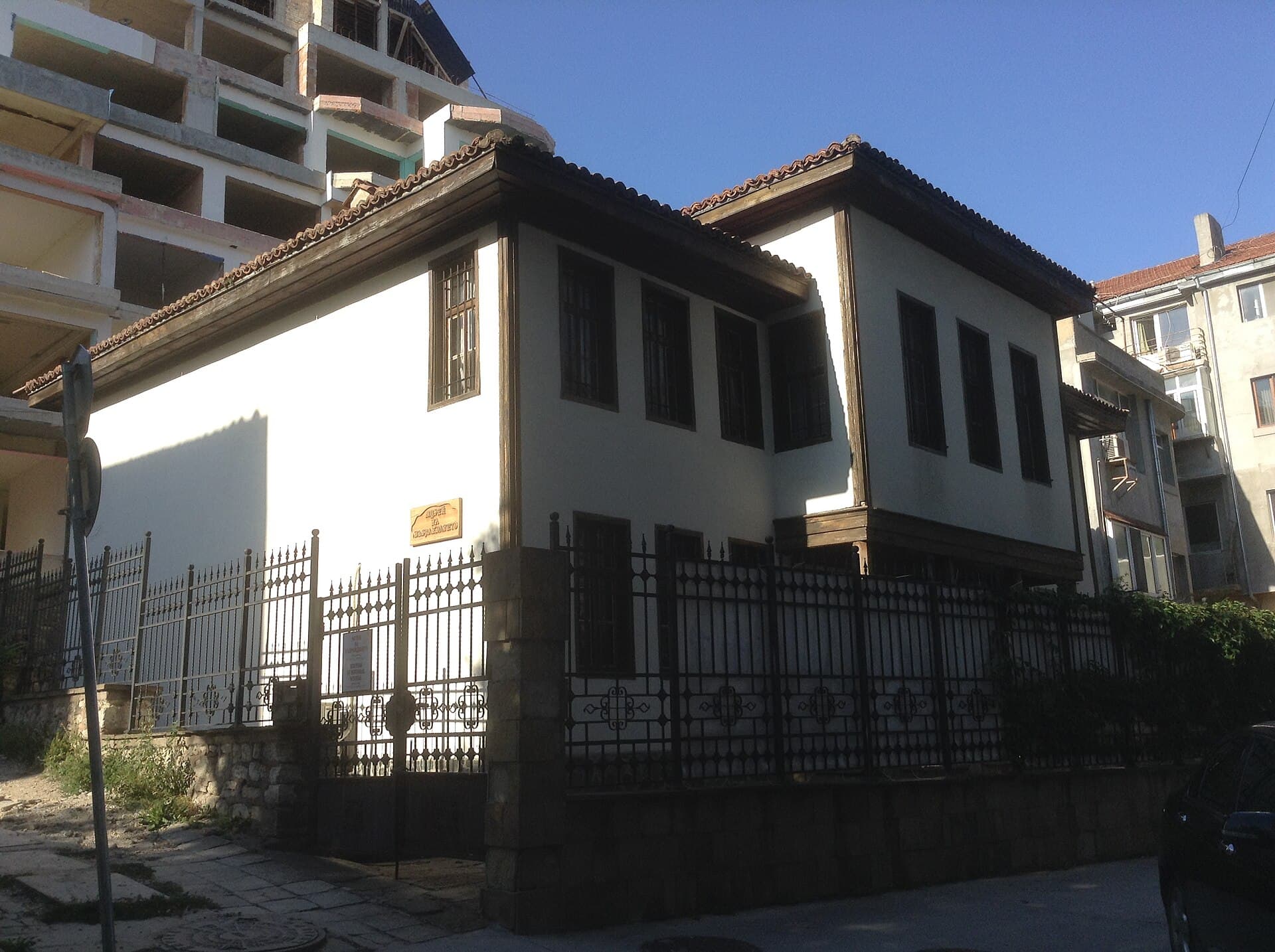 The National Revival MuseumVarna's National Revival Museum occupies the building that was **the city's firs1 minute walk4.6
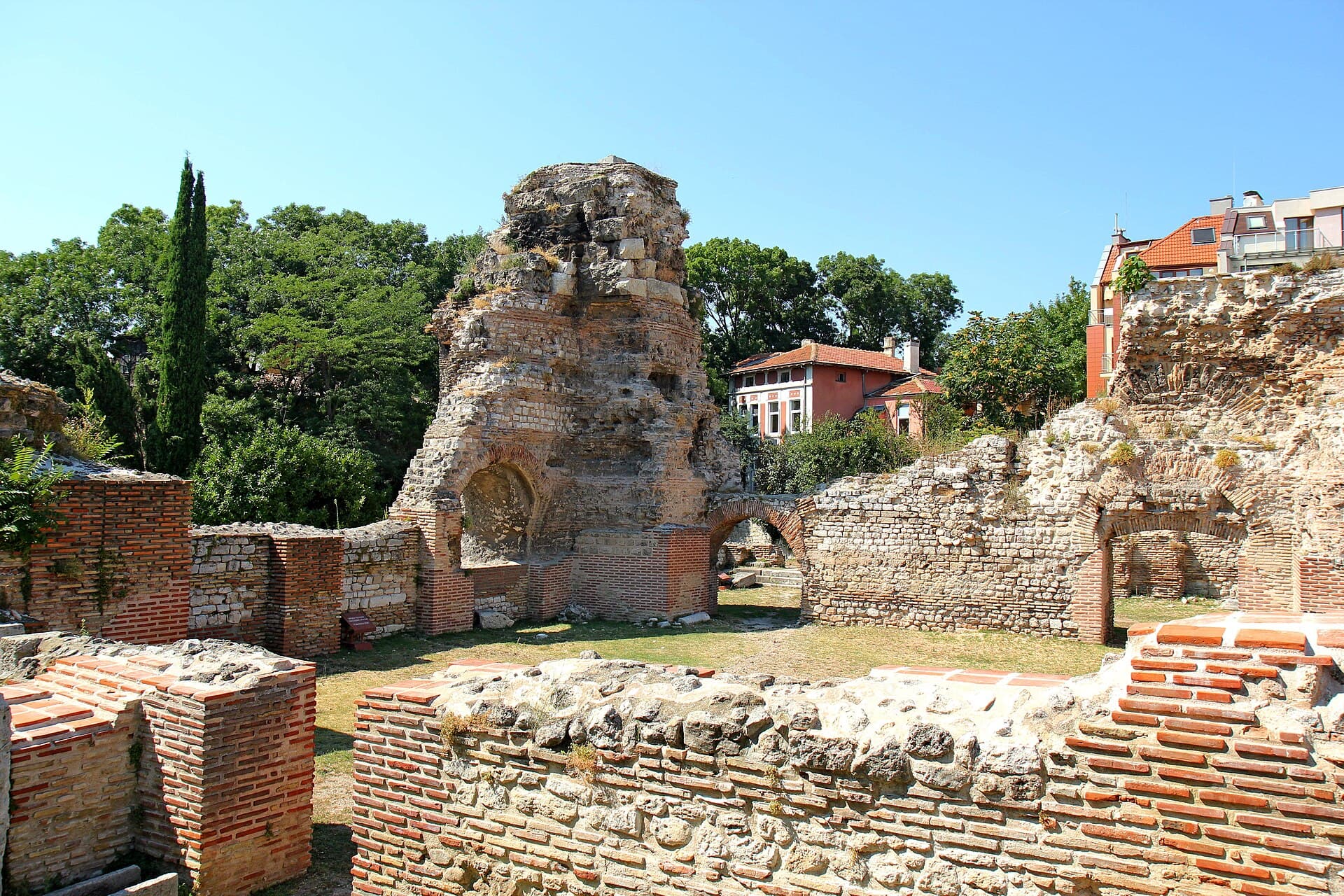 The Roman Thermae (Great Baths)Varna's Great Roman Thermae is the fourth-largest surviving Roman bath complex i5 minutes walk4.3
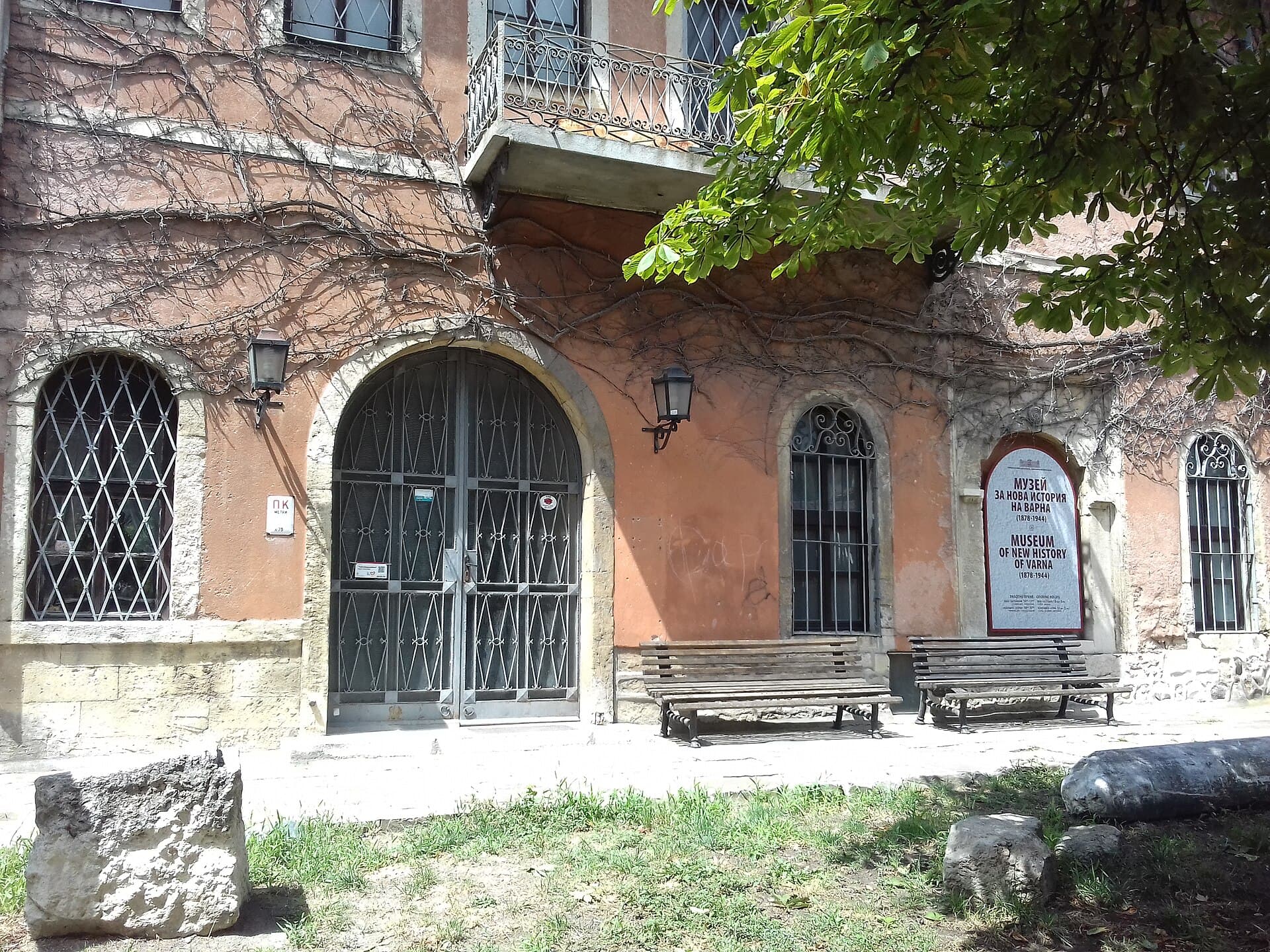 The Varna Museum of Modern HistoryVarna's Museum of Modern History covers the city from the Ottoman liberation of 6 minutes walk4.7
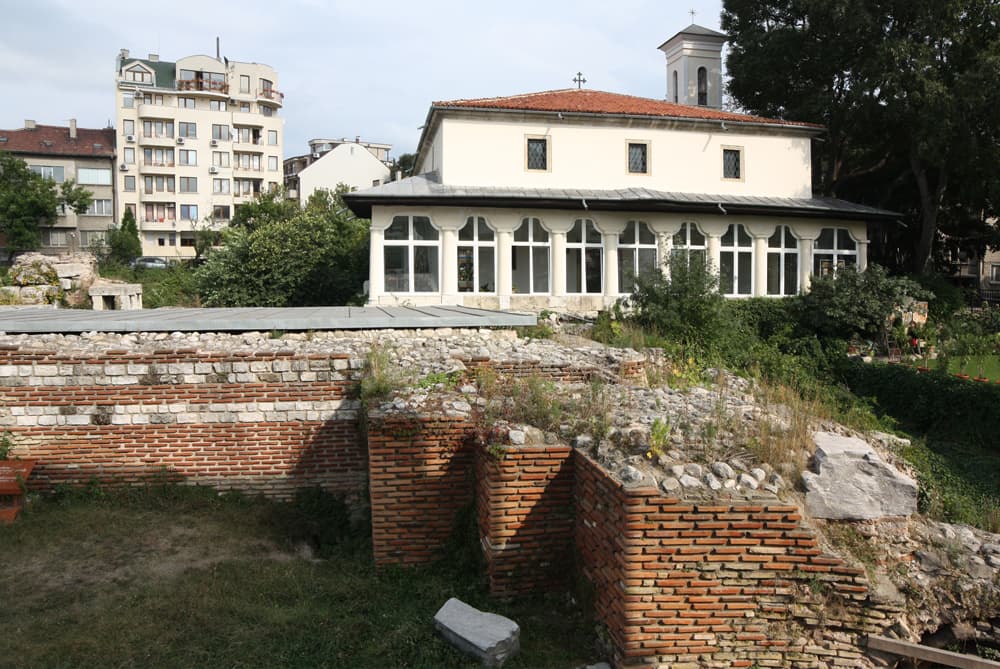 The Church of St AthanasiusAn Orthodox church in Varna's old Greek quarter, built in 1838 under Ottoman rul6 minutes walk4.8
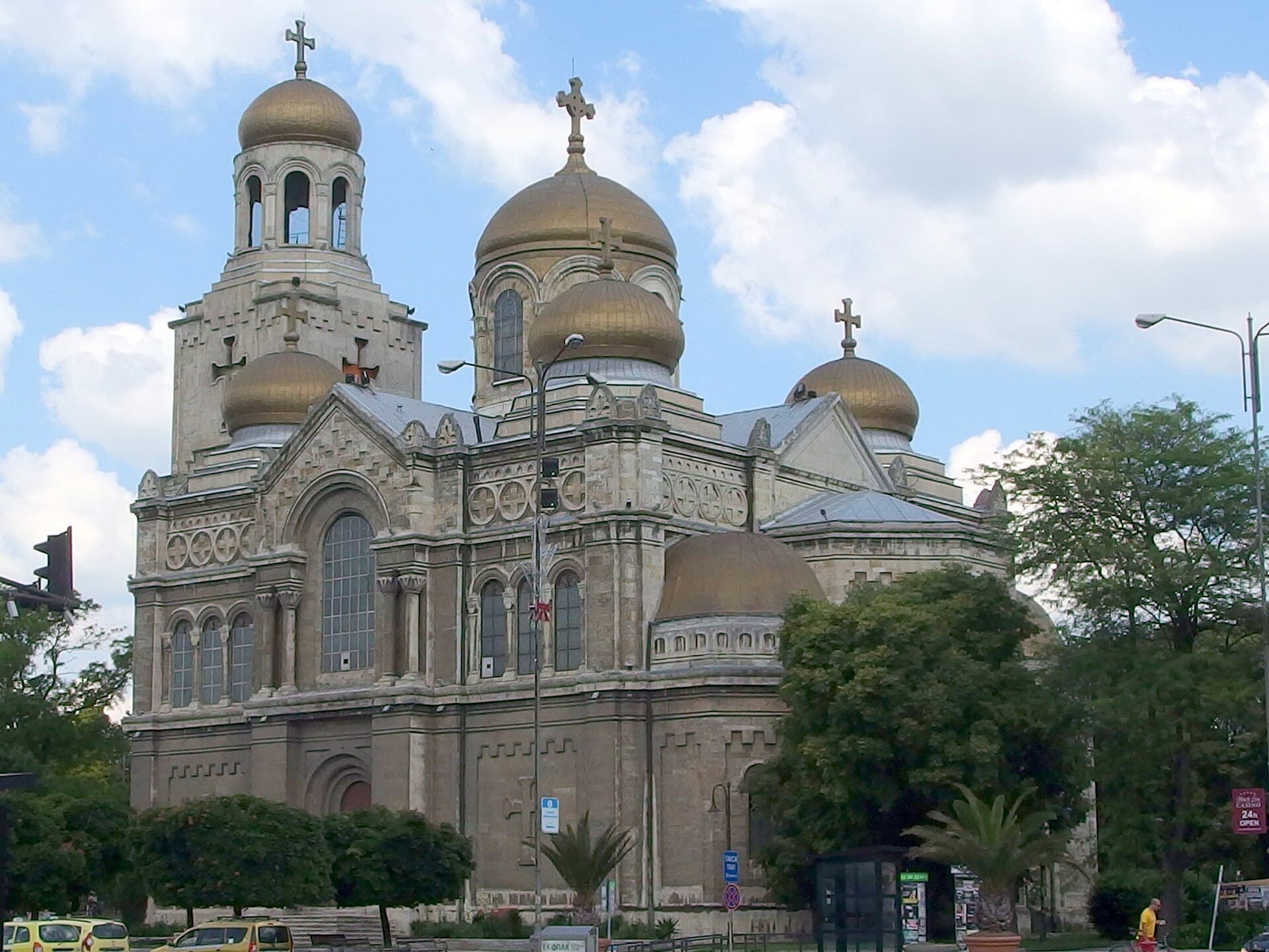 The Dormition of the Mother of God CathedralThe Dormition Cathedral is modern Varna's mother church: built (1880s) immediate7 minutes walk4.8
An old Bulgarian tradition in which men wear enormous masks made of fur, feathers and horns, hang heavy copper bells at their waists, and move through the villages with a step that rings the bells together. The purpose is to drive off evil spirits and secure a good harvest — a custom far older than Christianity. It usually runs between the new year and the start of Lent, in January and February, and differs by region. The largest annual gathering is the Surva festival at **Pernik** near Sofia, drawing thousands of participants from across the Balkans — an extraordinary sight if your visit coincides.