
Martinengo Bastion
Kazantzakis' grave on the southern star.
C messier — CC0 · C messier — CC0 · C messier — CC0 · C messier — CC0
Heraklion's walls are the legendary siege's shield: four and a half kilometres of Venice's mightiest Mediterranean fortification (16th century — designed by Sanmicheli, first engineer of his age) with seven star bastions and moats — the ramparts that held the Ottomans twenty-one years still ring the old town whole. Their crest is the city's upper promenade: Chania Gate to Martinengo Bastion, a sunset walk over the rooftops — and on Martinengo its spiritual summit: the grave of Nikos Kazantzakis, modern Greece's greatest writer (Zorba), buried here outside the cemeteries by the Church's refusal, his stone marked by a wooden cross and the deathless line: "I hope for nothing. I fear nothing. I am free." The Chania and St. George gates and their tunnels complete the round — and Martinengo's noon scene: town, harbour, Koules and sea.
Kazantzakis' grave on the southern star.
Four kilometres over the town's roofs.
Martinengo Bastion, 71201 Heraklion
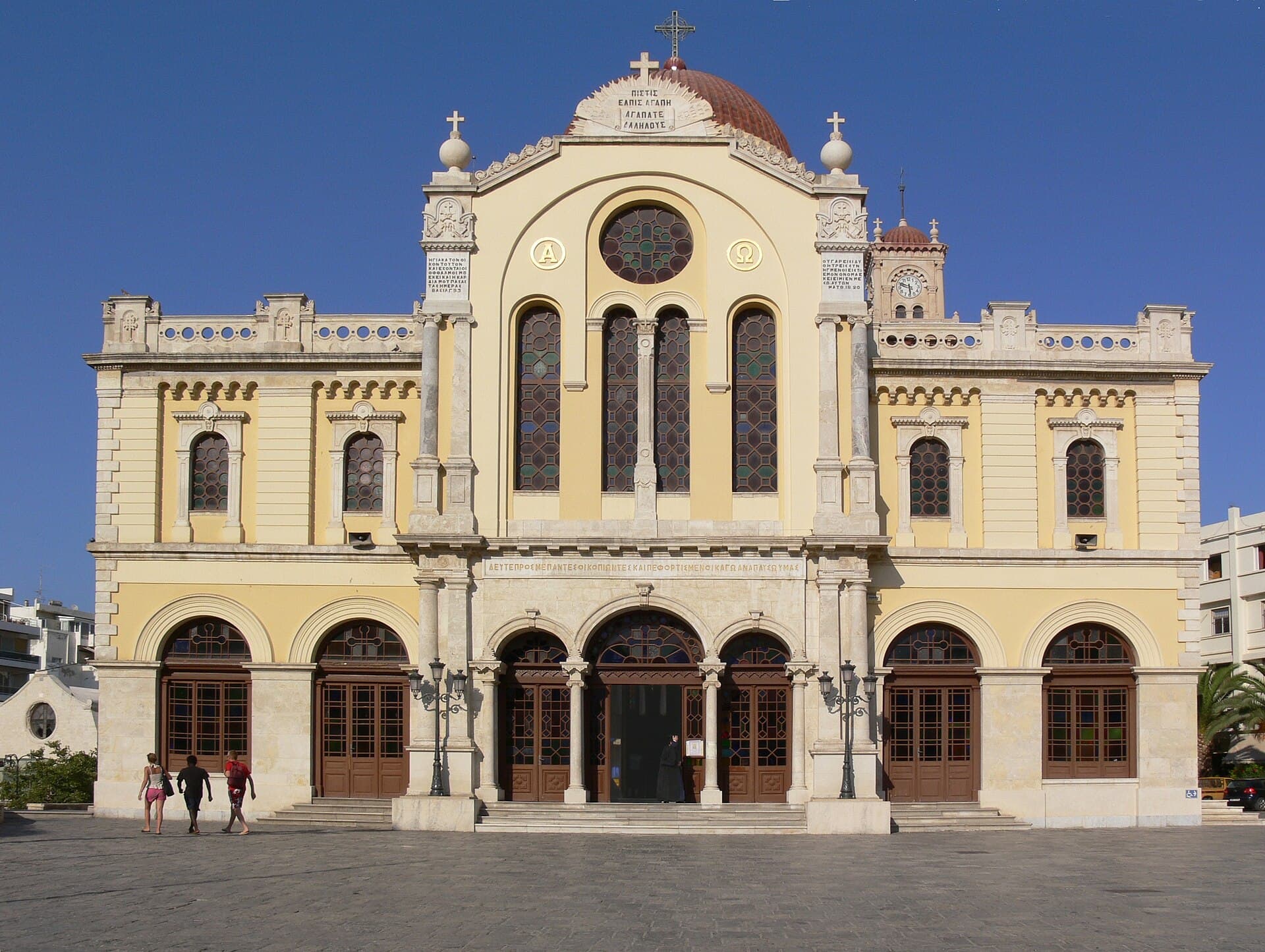 Saint Minas Cathedral**One of the largest cathedrals in Greece**: a vast domed building with two towe7 minutes walk4.8
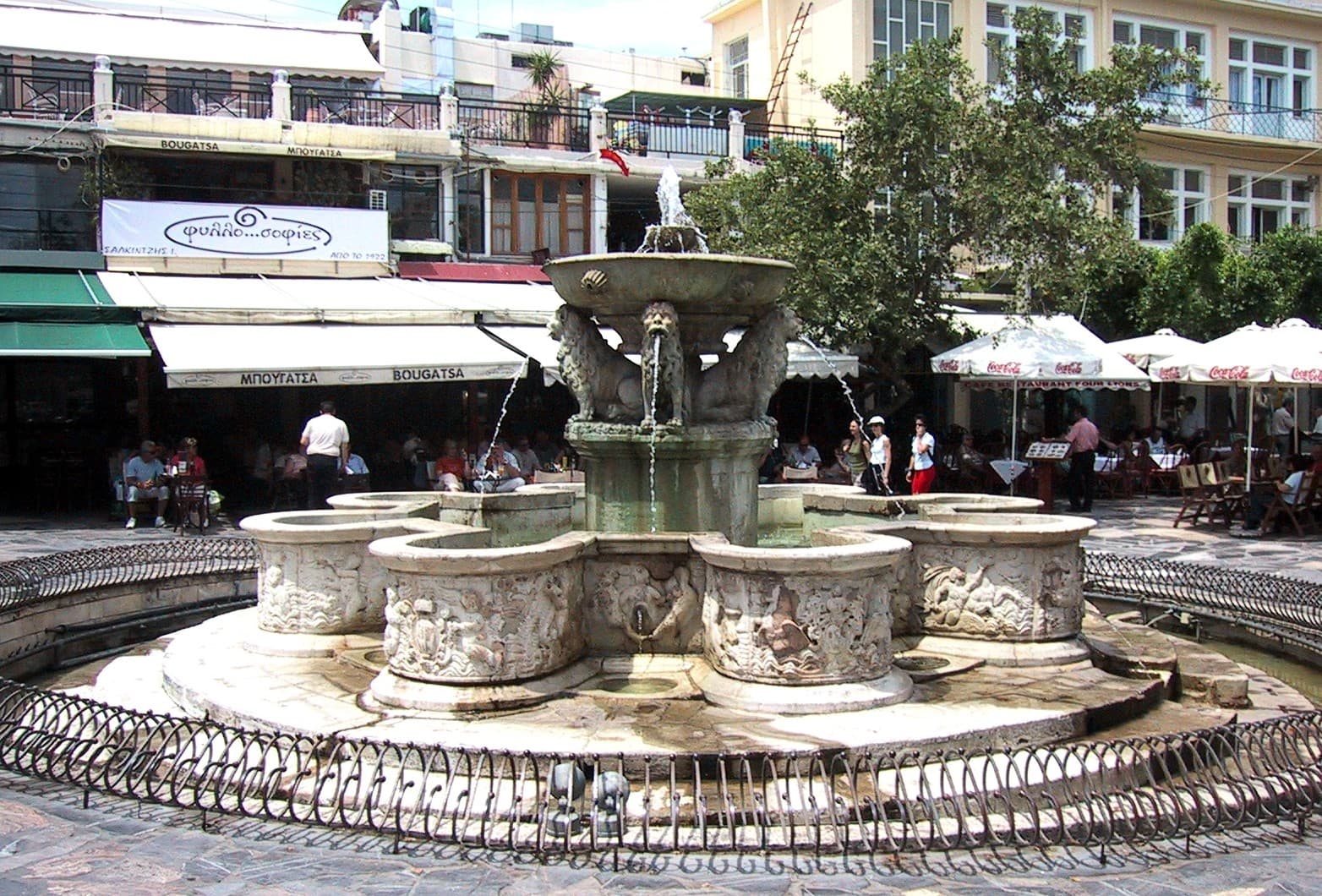 Lions Square & the Morosini FountainLions Square has been Heraklion's navel since Venice: the Morosini fountain (1629 minutes walk4.4
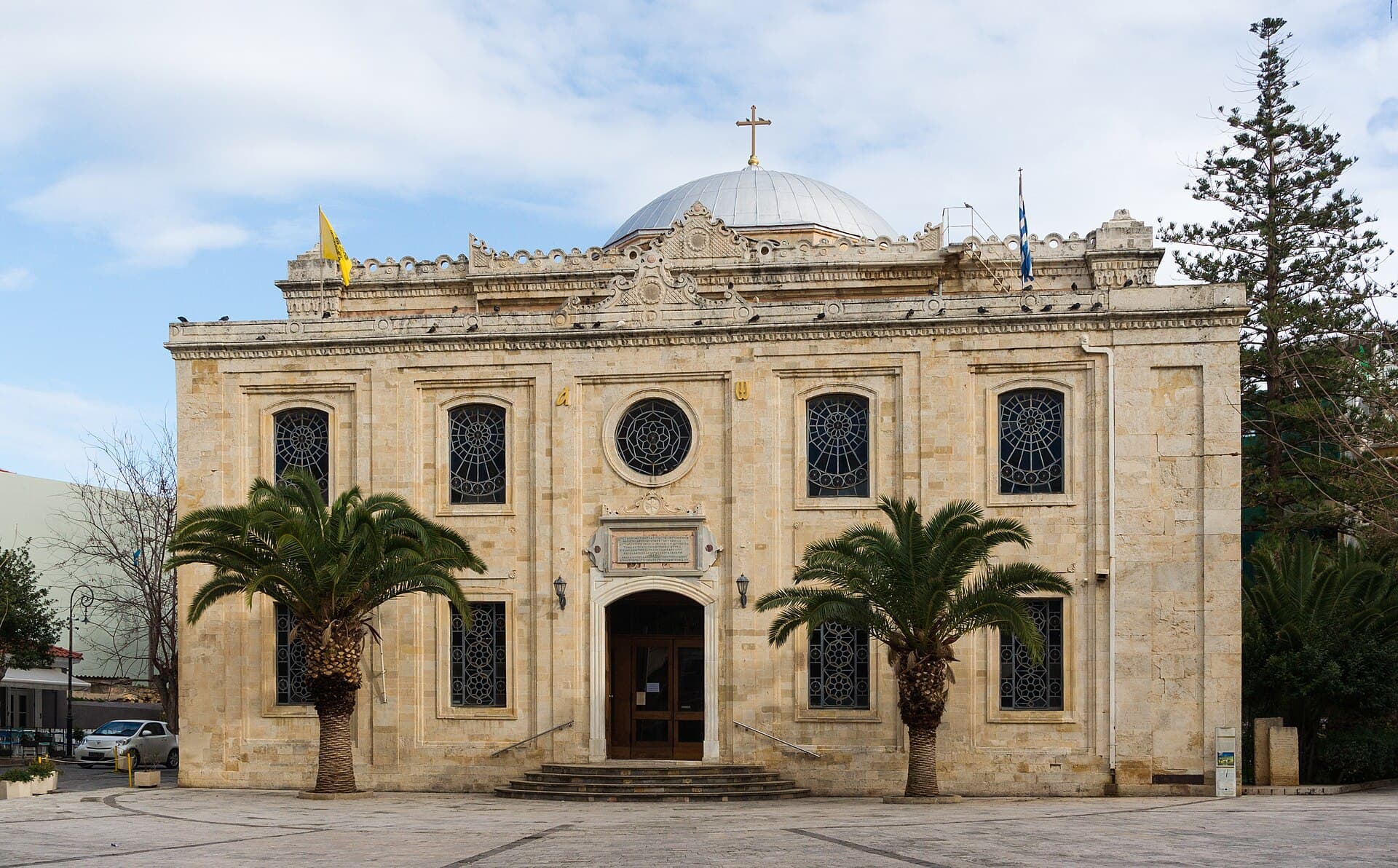 Church of Saint TitusIt stands on a small square in the middle of Heraklion, and its present shape gi11 minutes walk4.6
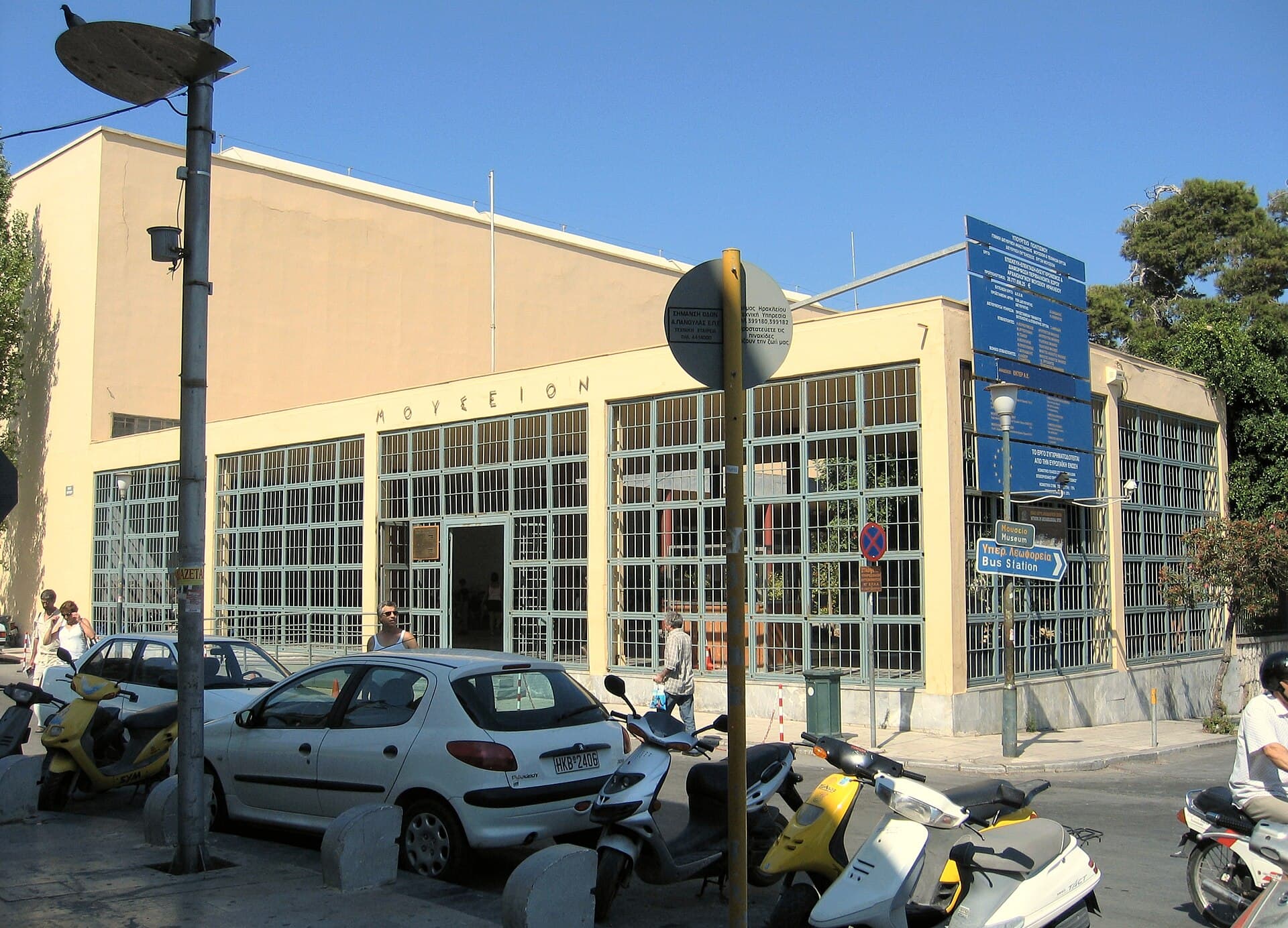 The Heraklion Archaeological MuseumHeraklion's museum is the Minoan civilisation's only home: everything Knossos, P12 minutes walk4.8
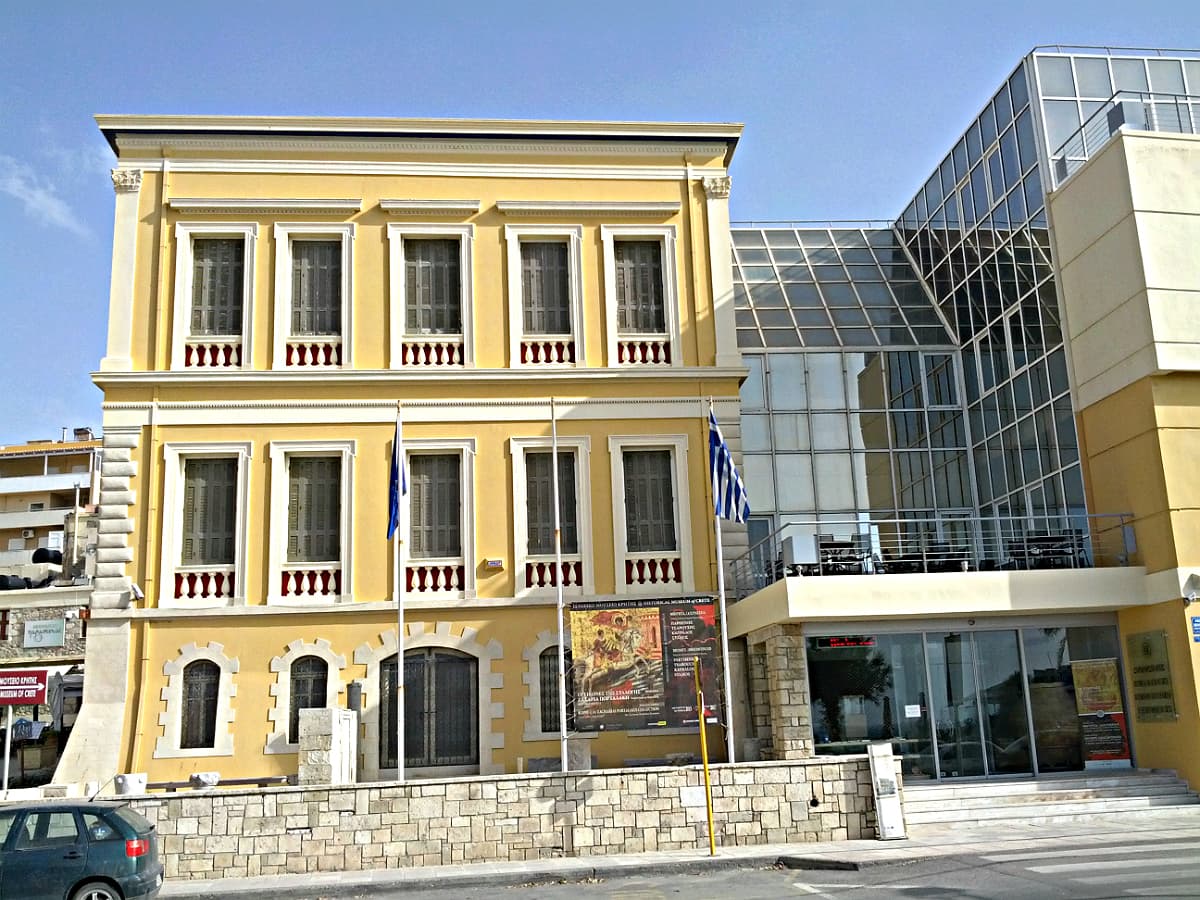 The Historical Museum of CreteThe Historical Museum takes the tale where the Archaeological leaves it: Crete f13 minutes walk4.7
Heraklion's son and modern Greece's most famous pen: Zorba, and the Last Temptation that angered the Church into denying his rites — so the city buried him on its highest bastion, a king without a church. To Greeks he is freedom's own equation — his grave the town's truest shrine.