
Building the light
Why the left-hand window recurs in his paintings.
Armineaghayan — CC BY-SA 4.0 · Armineaghayan — CC BY-SA 4.0 · MatteoNL97 — CC BY 4.0 · Sietske — CC BY-SA 4.0
The Vermeer Centrum in Delft faces an odd problem and says so plainly: Johannes Vermeer was born, lived and died in Delft, but not one of his paintings remains in the city — the thirty-seven known works are spread across the world's museums from The Hague to New York. Its solution is to show full-size reproductions of all his works together in one place. This is no substitute for the originals and the centre does not claim it is — but it is the only way to see Vermeer's complete output in a single room, which no museum in the world offers. The real value is in the explanation: how Vermeer built light, why the window on the left recurs in his paintings, what a camera obscura is and whether he used one, and how the expensive blue was made from lapis lazuli. The building stands on the site of the Guild of St Luke, the painters' guild Vermeer belonged to. Delft itself is half the reason for the trip.
Why the left-hand window recurs in his paintings.
Built on the ground of the St Luke's guild he belonged to.
Voldersgracht 21, 2611 Delft
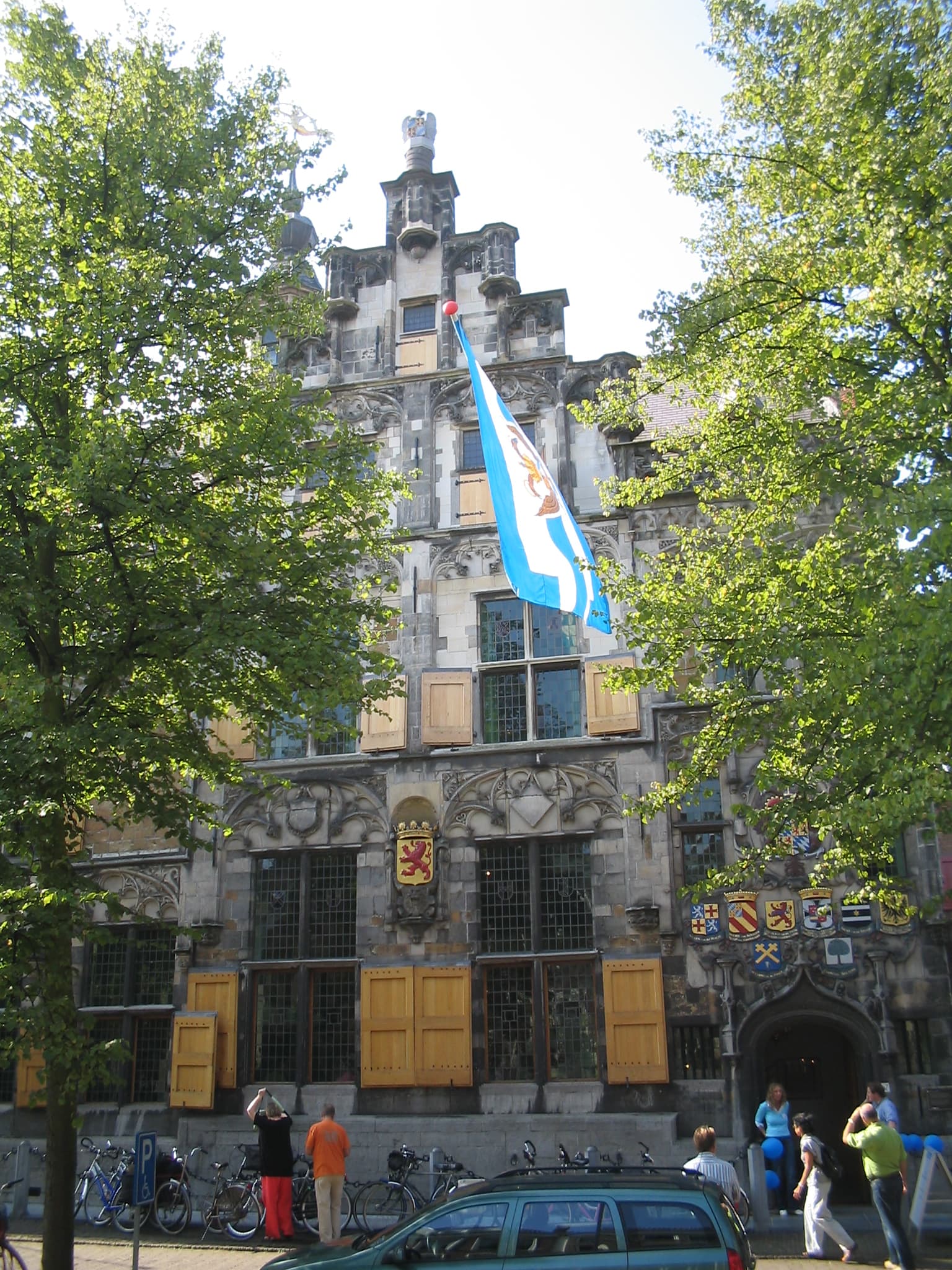 The Delfland Water Board HouseAn early sixteenth-century house on the Oude Delft canal, which since 1645 has b3 minutes walk4.9
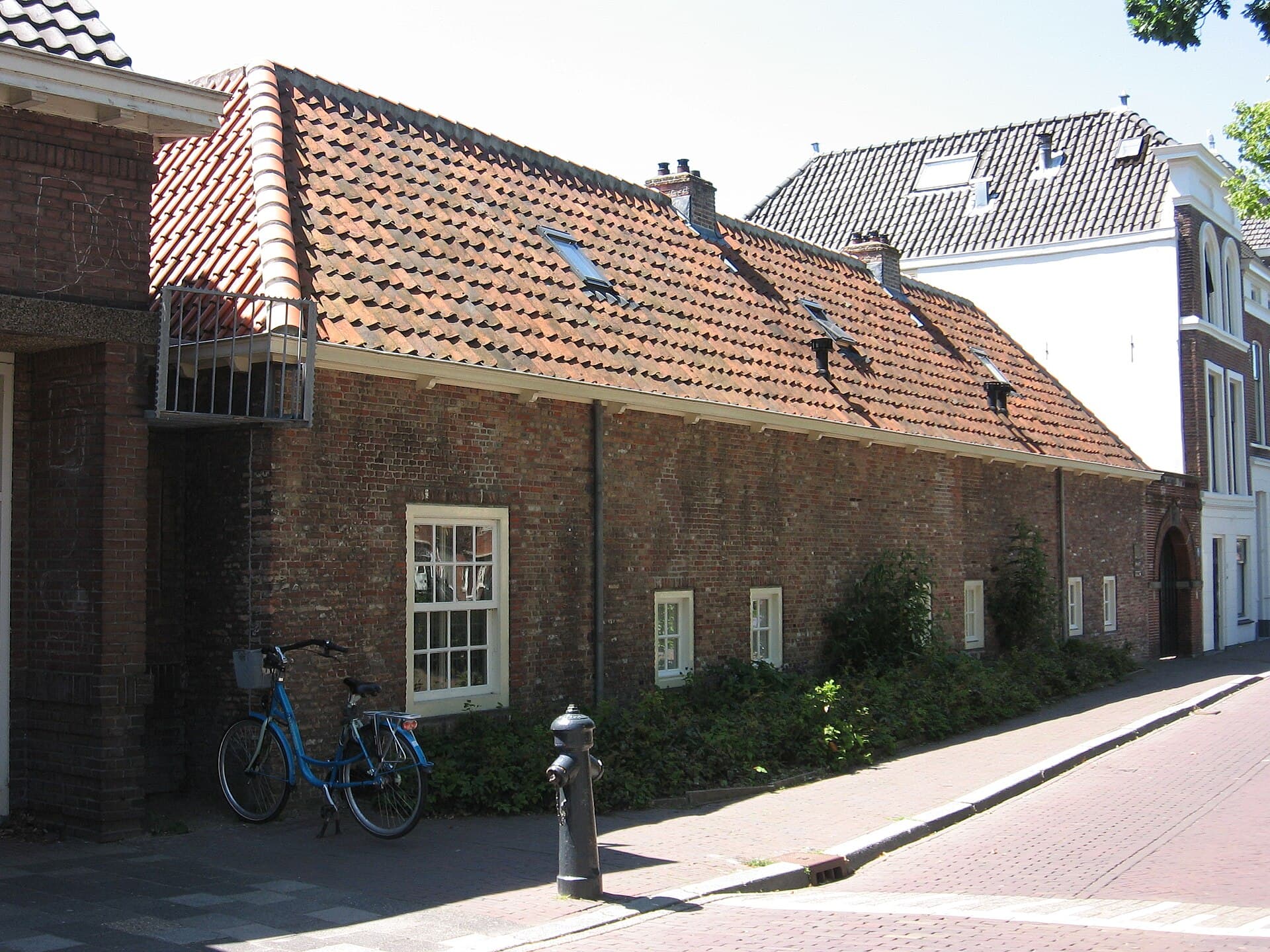 The Klaeuwshofje, DelftA small charitable courtyard in Delft dating from 1605, of the Dutch type called7 minutes walk4.5
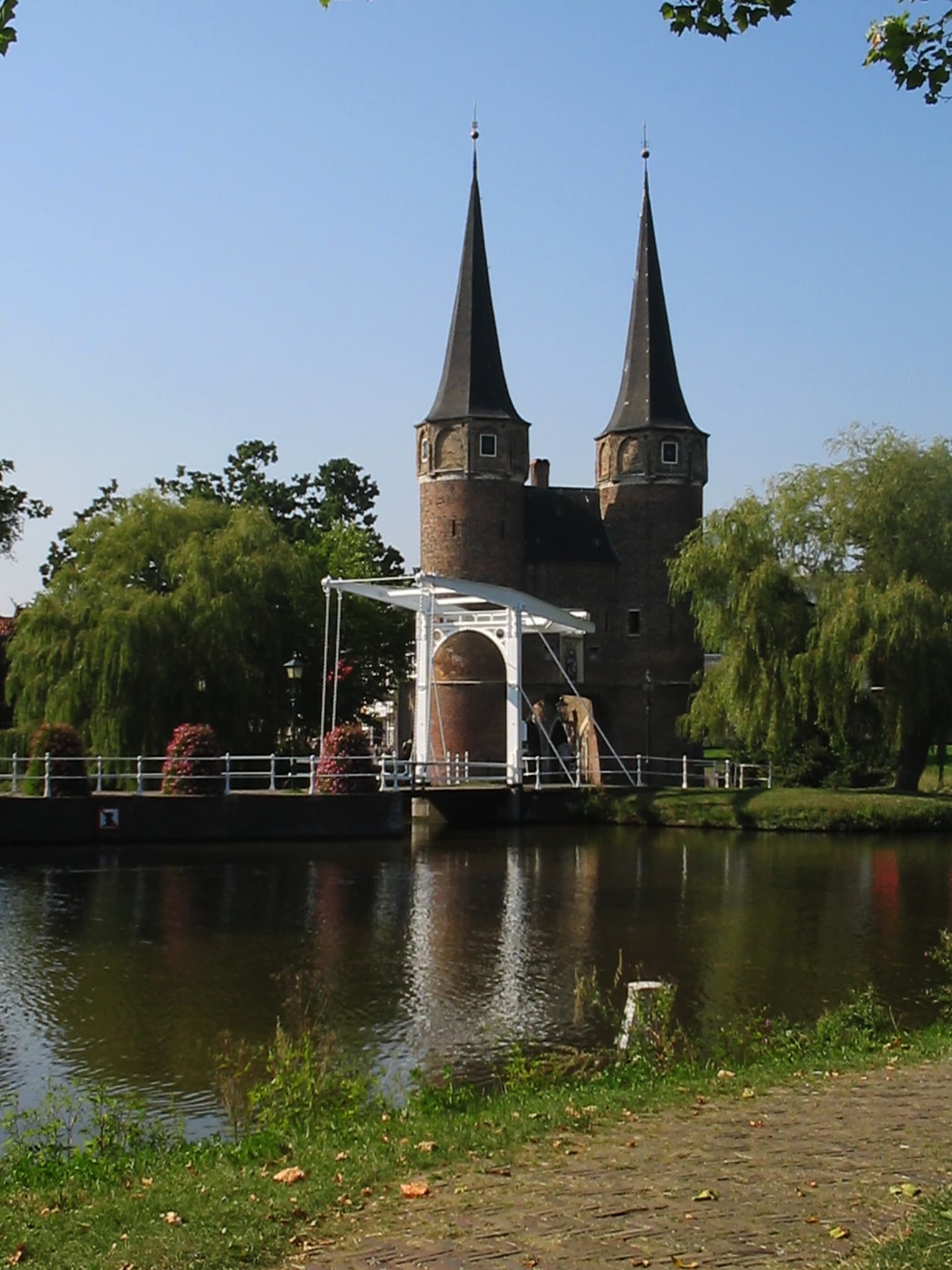 The Oostpoort in DelftThe Oostpoort is Delft's eastern gate, the only survivor of eight that once ring8 minutes walk4.5
Three in the Mauritshuis in The Hague itself, among them the Girl with a Pearl Earring and the View of Delft — those alone justify visiting the Mauritshuis. Four in the Rijksmuseum in Amsterdam, including the Milkmaid and the Little Street. The rest are in New York, London, Paris, Berlin, Washington, Dresden and Vienna. Any trip to the Netherlands puts seven of them within reach — the largest number visible in any one country.