
Banking hall
Glass roof.
enioprado — CC BY-SA 3.0 · Fernando Cesar Nox from Jundiaí, Brasil — CC BY 2.0 · MARCO AURELIO ESPARZ… — CC BY-SA 3.0 · Eugenio Hansen, OFS — CC BY-SA 4.0 · Dornicke — Public domain
On a narrow pedestrian street in São Paulo's historic centre stands a building of 1901 that Banco do Brasil bought in 1923, hiring the engineer-architect Hippolyto Gustavo Pujol Junior to turn it into a five-storey branch. It was the bank's first building in the city and worked as a branch from 1927 to 1996. After a restoration that kept its original features, it opened on 21 April 2001 as a cultural centre of 4,183 square metres, with exhibition halls, a cinema, a theatre, an auditorium, a restaurant, a café and a shop. The finest spaces inside are the old banking hall with its glass roof and columns, and the vault in the basement, now an exhibition room. It ranks among the most visited cultural institutions in Brazil. Most exhibitions are free, and some need a ticket booked in advance, so check the programme on the centre's website. It is steps from São Bento metro station, on one walk with the Martinelli building, the Farol Santander and the Anhangabaú Valley.
Glass roof.
A basement gallery.
A changing programme.
Rua Álvares Penteado 112, historic centre, São Paulo
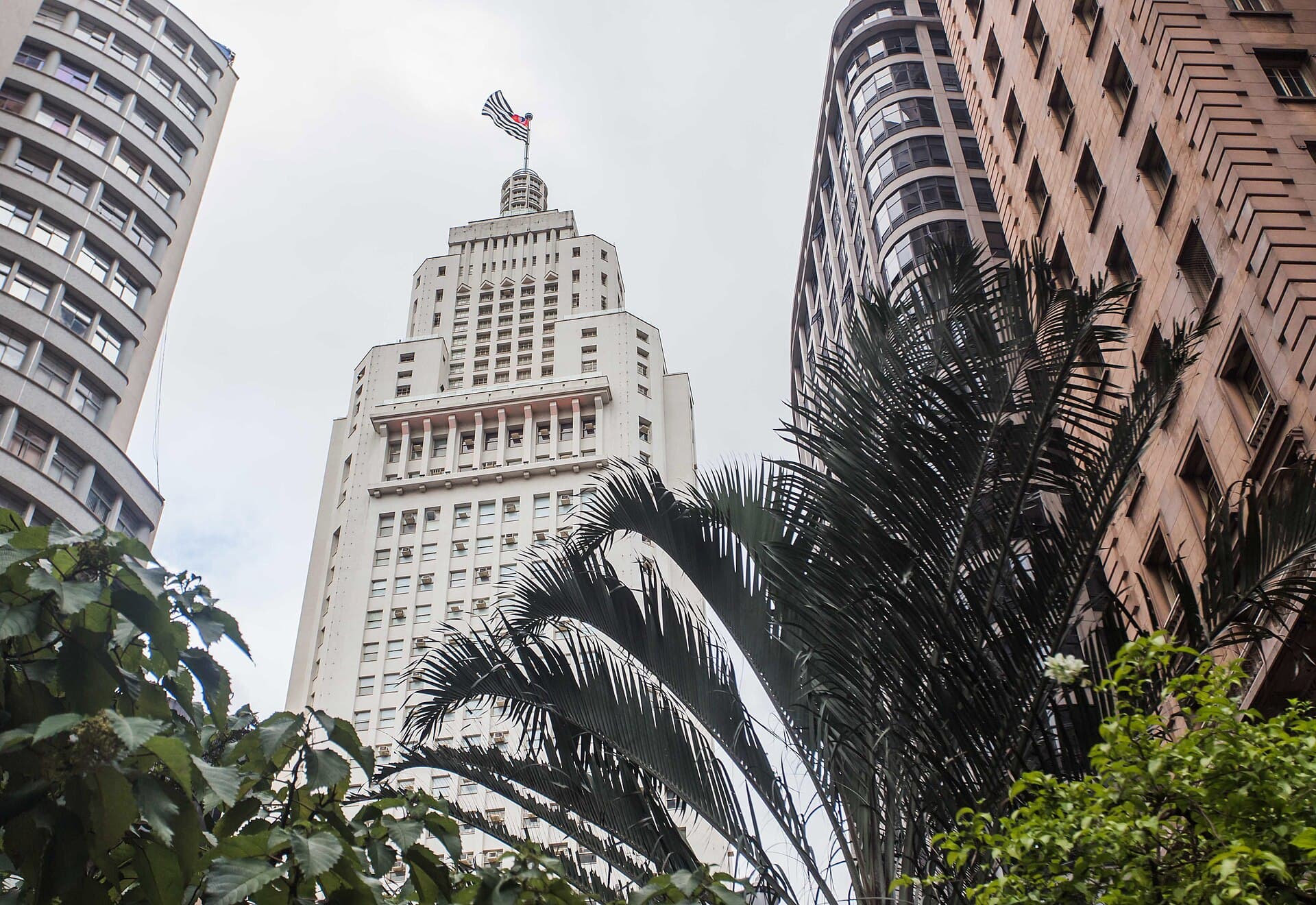 Farol Santander (Altino Arantes Building)Farol Santander is the present name of the Altino Arantes Building, the Art Deco3 minutes walk4.6
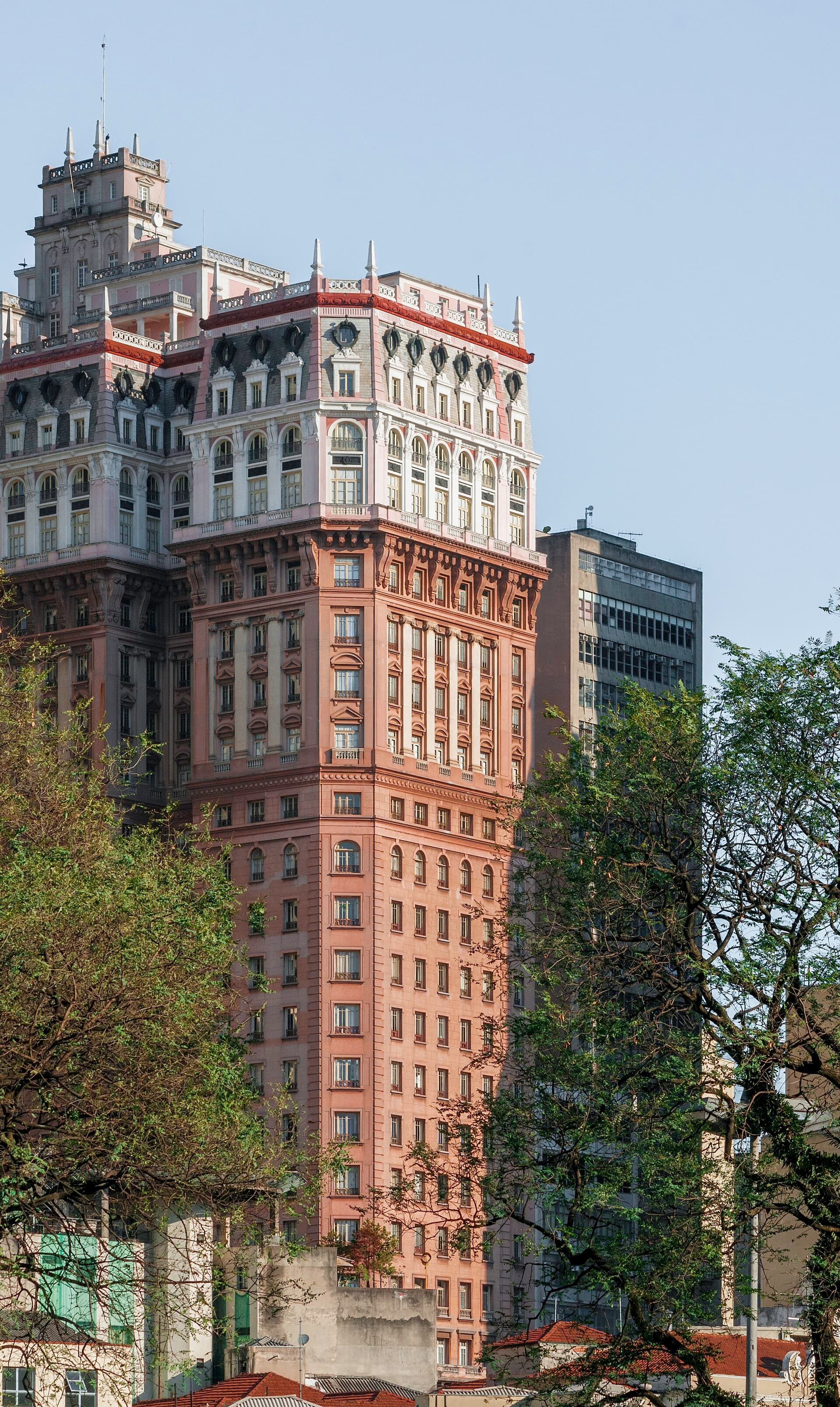 Edifício MartinelliThe Edifício Martinelli was Brazil's first skyscraper, built by the Italian busi3 minutes walk4.4
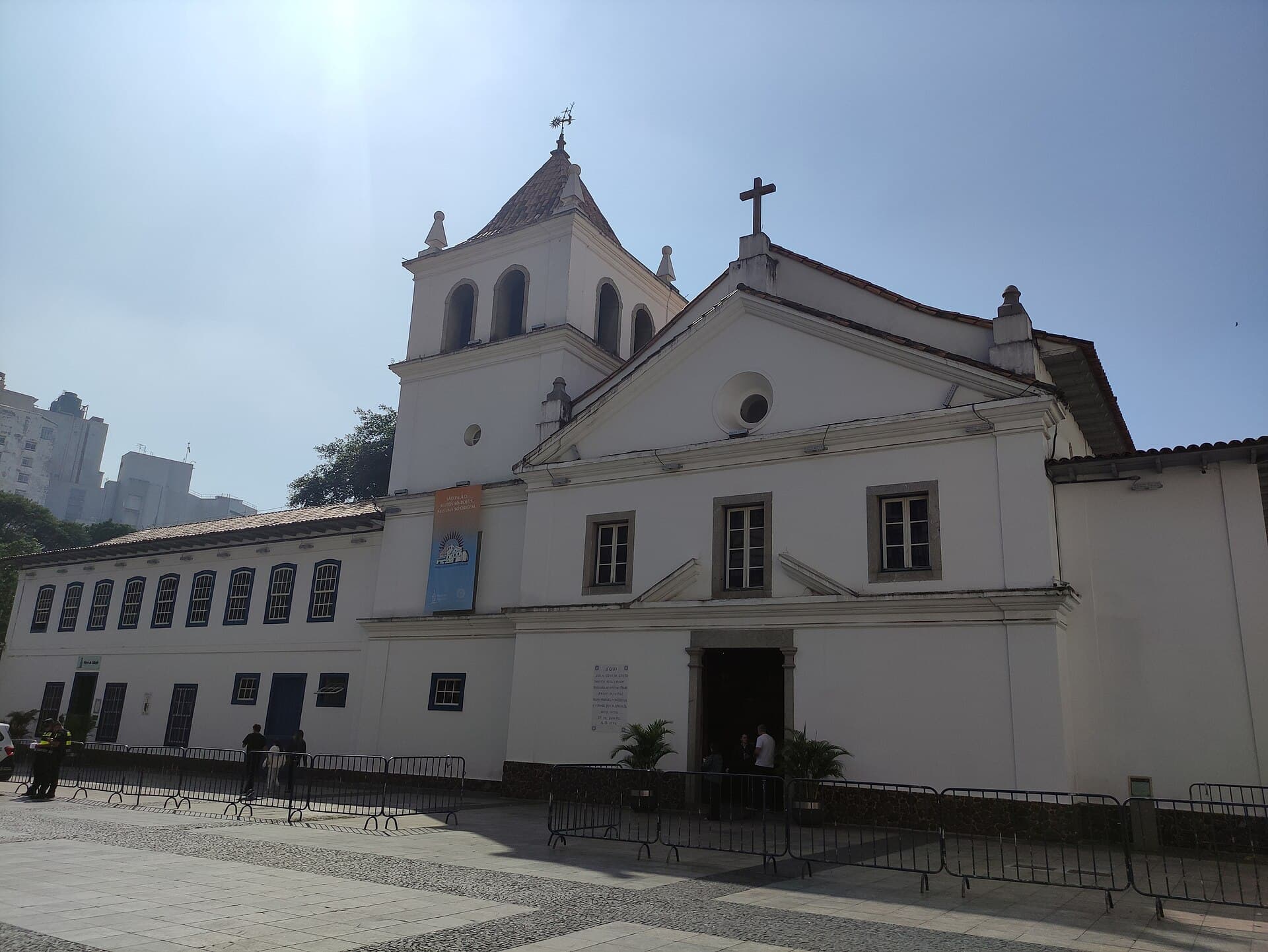 Pateo do CollegioThe Pateo do Collegio marks the spot where São Paulo was founded: here, on 25 Ja3 minutes walk4.4
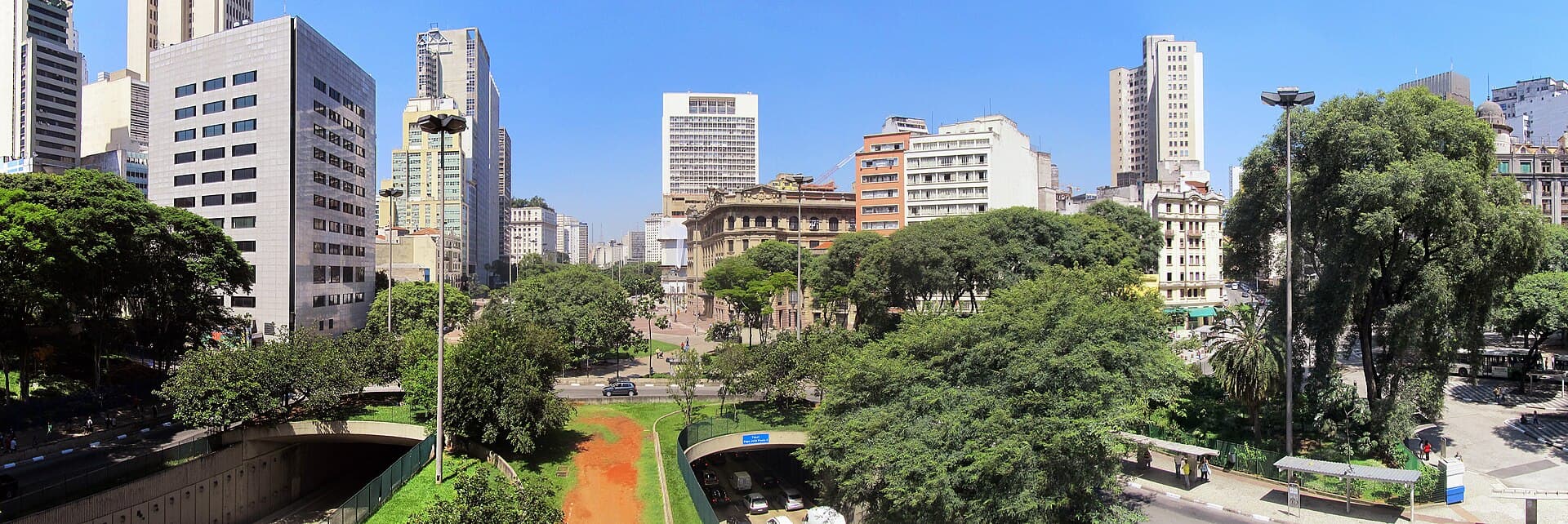 Vale do AnhangabaúThe Anhangabaú Valley is a wide open space at the heart of historic São Paulo, c4 minutes walk4.5
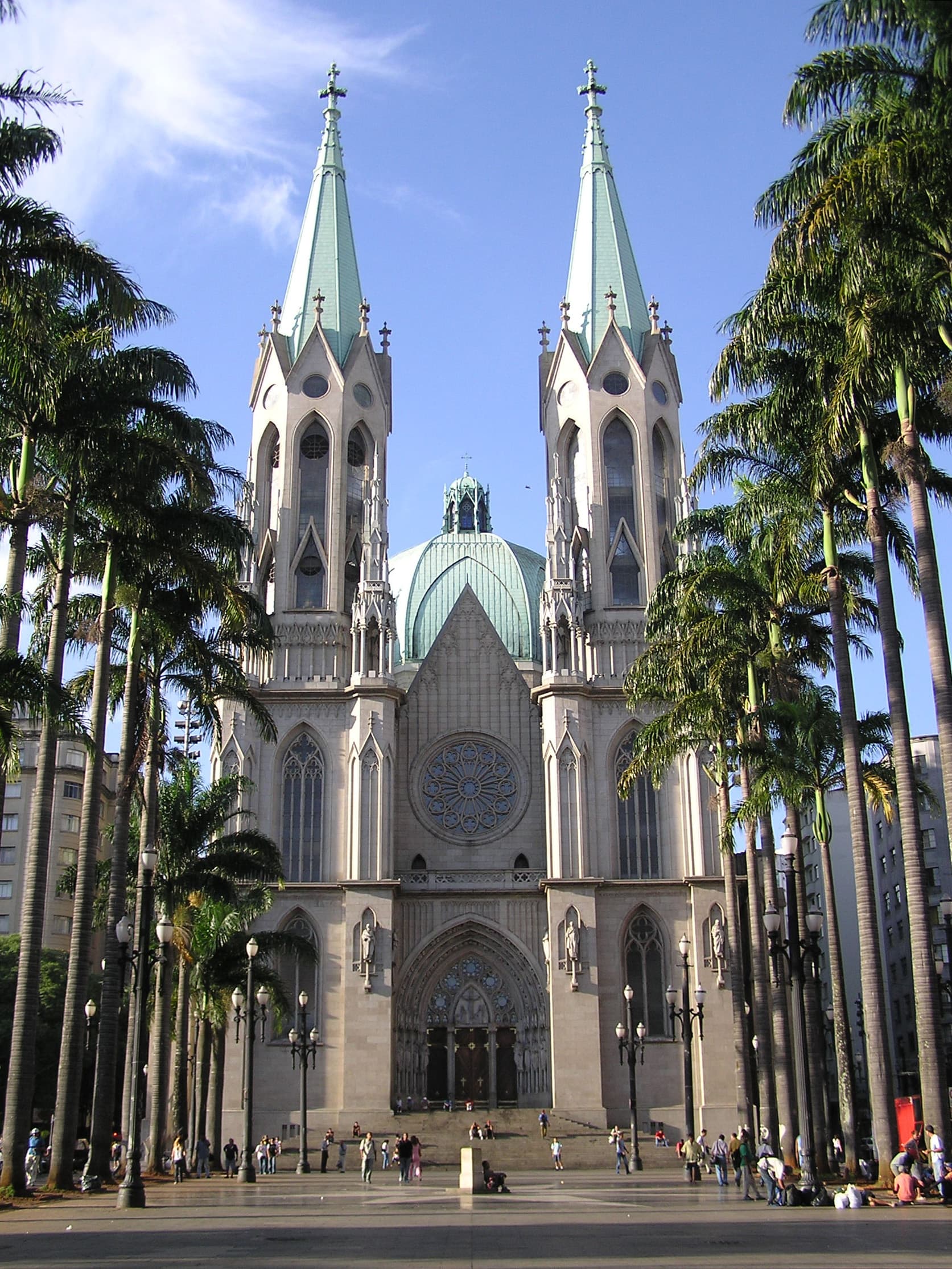 São Paulo Cathedral (Sé)The Sé Cathedral is São Paulo's largest Catholic church, overlooking Praça da Sé5 minutes walk4.8
Most are; some need a ticket booked in advance on the centre's website.