
The Cassa Armonica
An 1877 bandstand of cast iron and coloured glass, built to Enrico Alvino's design, standing midway along the avenue, and the one thing here genuinely worth photographing.
Unknown authorUnknown author — Public domain · Baku — CC BY-SA 3.0 · Argo Navis — CC BY-SA 4.0 · Armando Mancini — CC BY-SA 2.0
Until the 1820s the largest sculptural group to survive from antiquity — the Farnese Bull — stood out in the open under the trees here, before it was carried indoors in 1826 to the Archaeological Museum to save its marble from the sea air. What stayed behind is the garden itself: a green strip running a good kilometre between Piazza Vittoria and Piazza della Repubblica, pinned between the traffic of Riviera di Chiaia on one side and the Bay of Naples on the other. It began in the 1780s as a royal promenade laid out by Carlo Vanvitelli for Ferdinand IV, open to ordinary Neapolitans only on a handful of days a year. It became fully public after Italian unification and filled up with everything a nineteenth-century European city wanted in a park: holm oaks and palms, white marble statues down the central axis, fountains, and an ornate cast-iron and glass bandstand of 1877 that is still the prettiest thing in it. The point was always that people should walk here in order to be seen walking here, and that has not really changed. Be clear about what it is not. This is no manicured botanical showpiece and it does not deserve a trip of its own. Upkeep is uneven, some statues are chipped, the grass by late summer looks exhausted. The value lies elsewhere: it is the widest stretch of shade in this part of Naples, and the place where you see the city off duty — old men on benches, prams, teenagers on bikes, a chestnut seller in autumn. Twenty minutes here does more for your legs than an hour in the old centre. Practically: entry is free, there is no ticket and no queue, and the ground is completely flat with no steps — rare in a city built on hills and staircases, and a genuine gift if you have a pushchair or older parents along. Inside the grounds sit the Anton Dohrn zoological station with its historic aquarium and, in the Casina del Boschetto, the Darwin Dohrn museum: a separate ticketed visit that closes on Mondays and shuts in the late afternoon, hours before the park gates do, so do not assume it comes with the walk. When you are done, cross straight onto the Via Caracciolo seafront: that is where the real view is, with Vesuvius at the end of it.
An 1877 bandstand of cast iron and coloured glass, built to Enrico Alvino's design, standing midway along the avenue, and the one thing here genuinely worth photographing.
A good kilometre without a single step or slope, rare in a city of staircases and a relief with a pushchair or slower legs.
Opened in 1874, one of the oldest working aquariums in Europe and the oldest in Italy, small and old-fashioned, showing Mediterranean species only, and needing its own ticket.
Riviera di Chiaia / Via Francesco Caracciolo, between Piazza Vittoria and Piazza della Repubblica, 80121 Naples
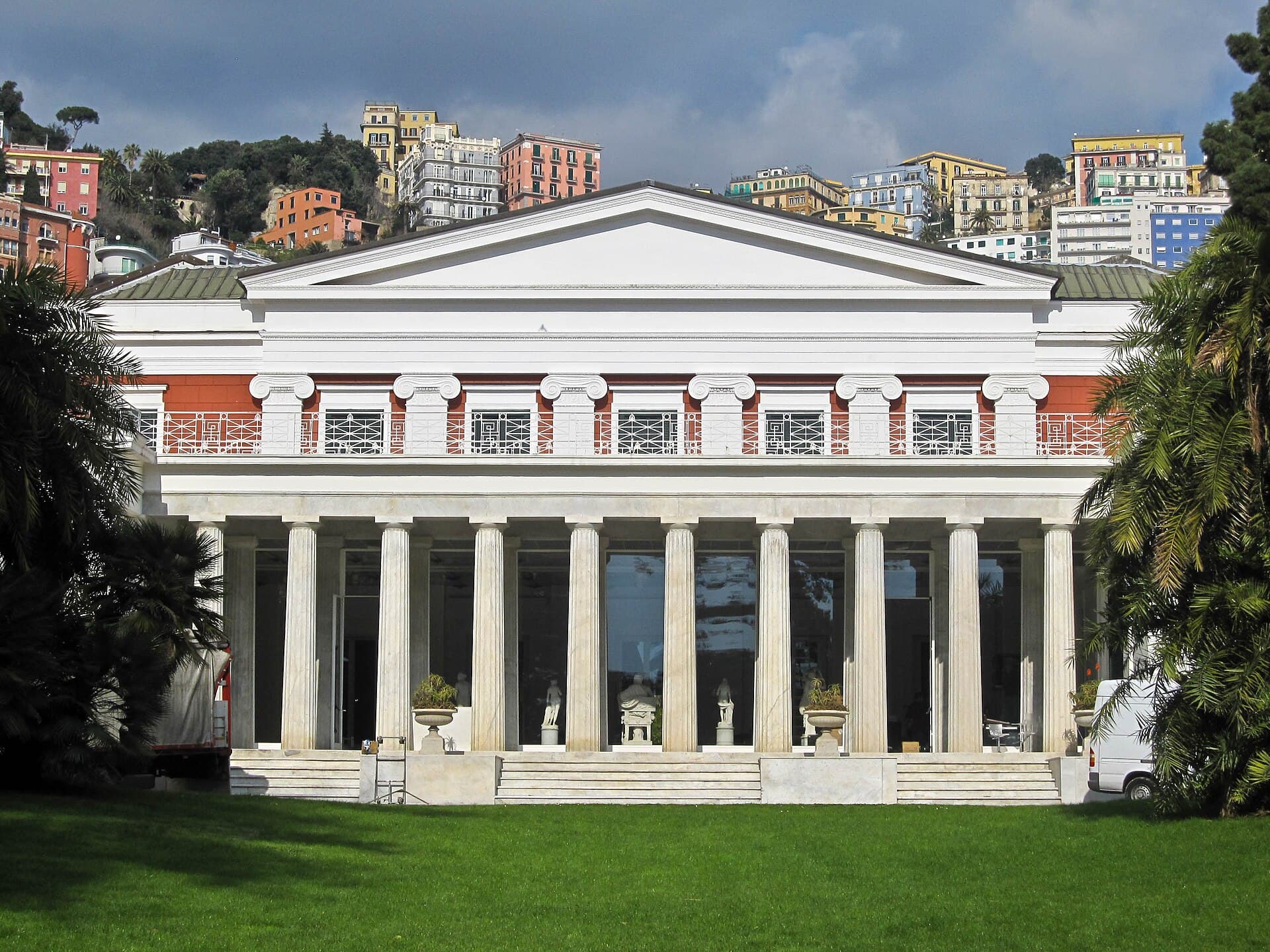 Villa PignatelliThree of Europe's great fortunes passed through this house before the public got3 minutes walk4.3
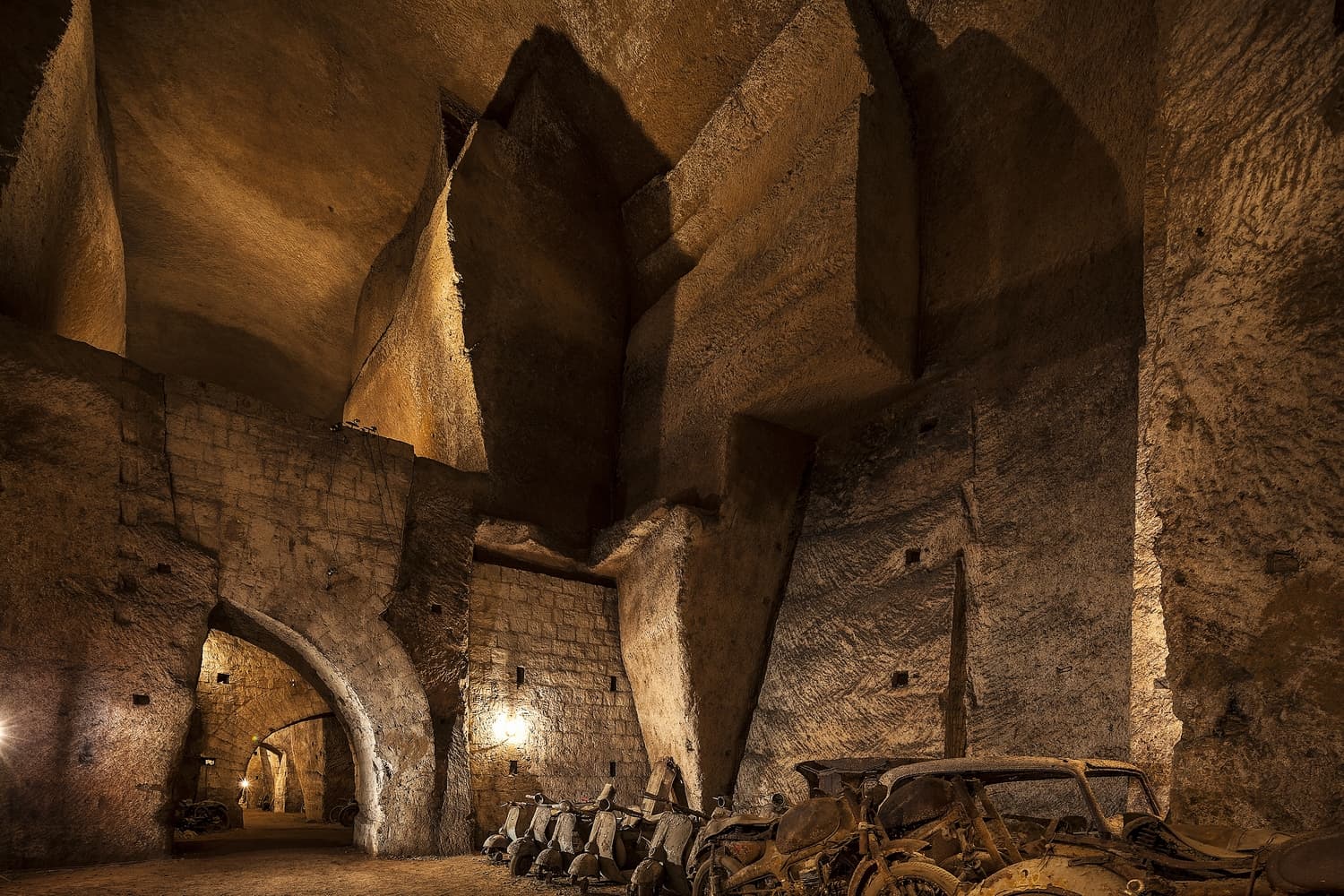 The Bourbon TunnelThe Bourbon Tunnel was born of royal fear: after the revolutions of 1848, Ferdin15 minutes walk4.7
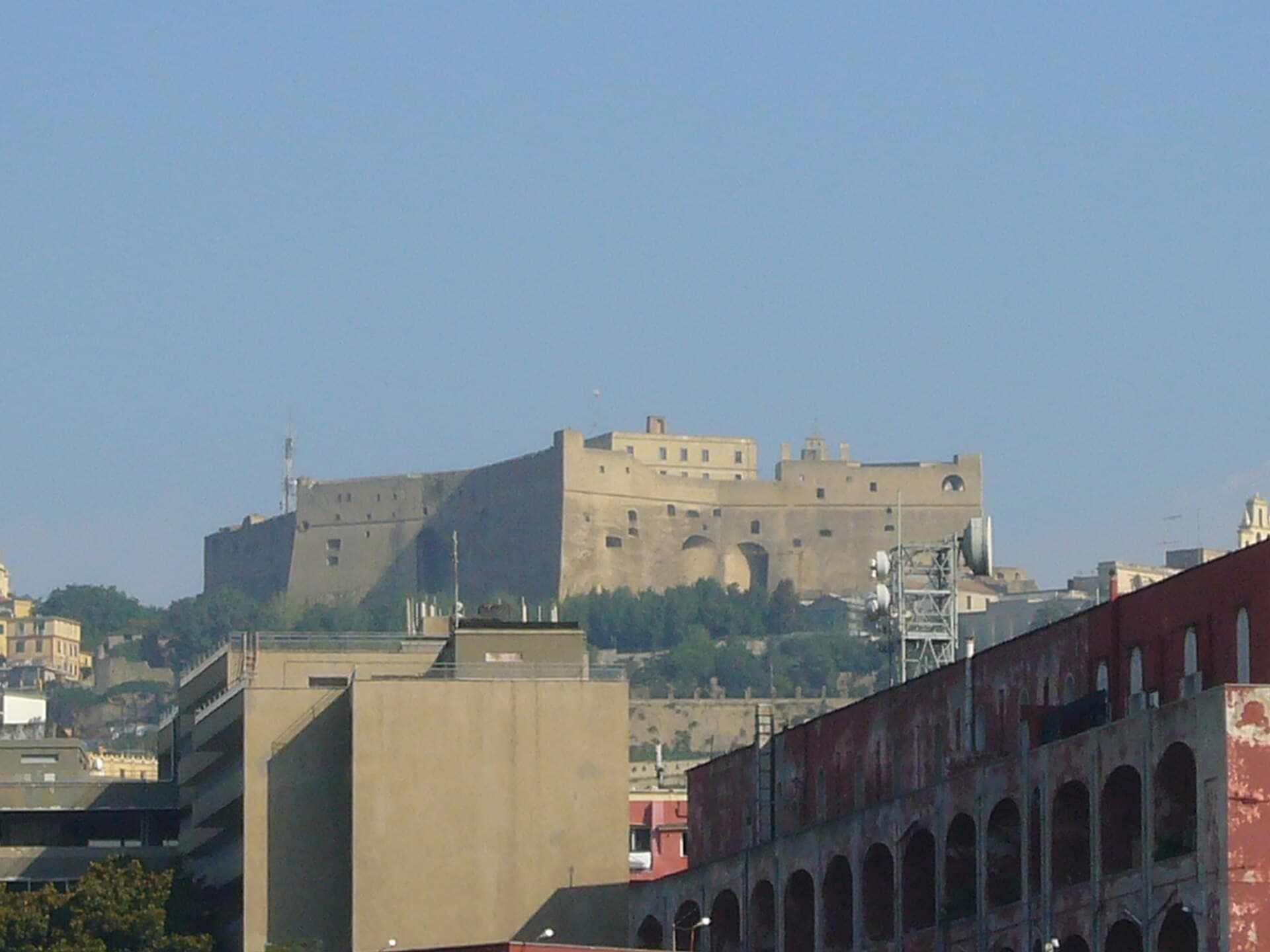 Castel Sant'ElmoAbove the Vomero on Naples's highest ground crouches Castel Sant'Elmo — a huge s17 minutes walk4.7
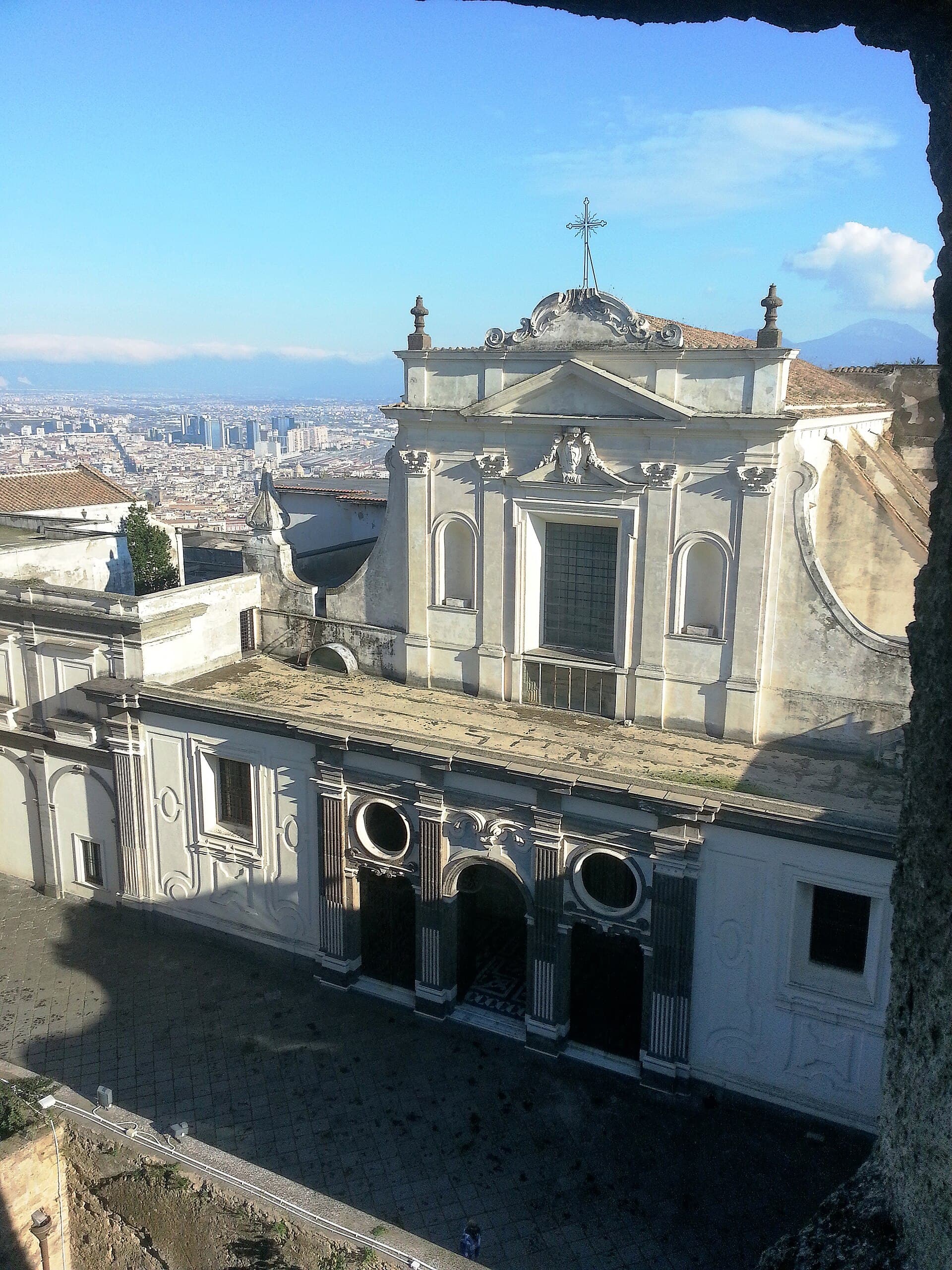 Certosa di San MartinoFrom the terrace here you get all of Naples at once: the bay, Vesuvius, and the 17 minutes walk4.4
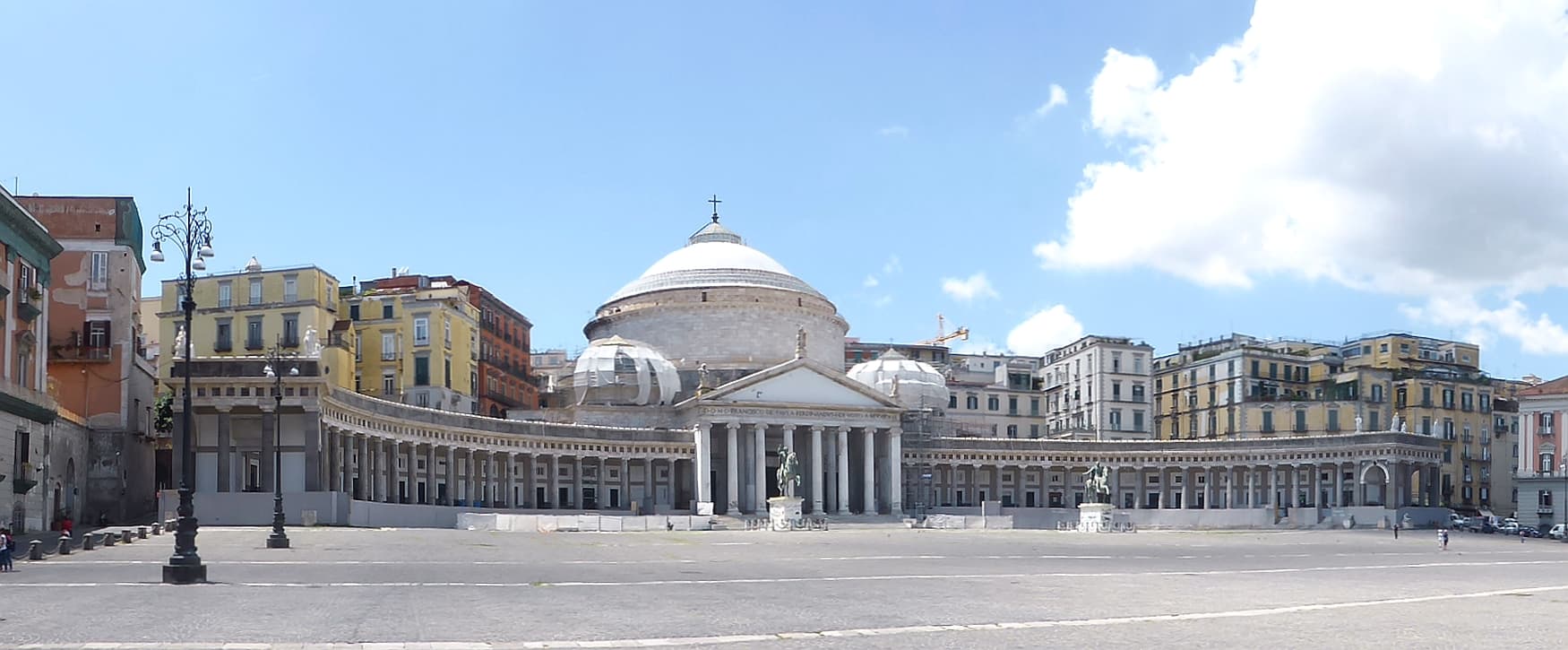 Piazza del PlebiscitoThe Plebiscito is Naples's great square and one of Italy's largest: an open ston18 minutes walk4.6
With children under ten, yes: a pleasant hour among Mediterranean-only tanks in a nineteenth-century building. An adult who has seen a modern aquarium in Europe or the Gulf will find it small and spartan, more historically interesting than visually impressive, and can skip it without regret. It closes on Mondays and shuts in the late afternoon, and the ticket normally covers the neighbouring Darwin Dohrn museum in the park too.
Late afternoon. After four the light softens and the paths fill with Neapolitans, which is half the pleasure. Gates close at 21:00, or midnight in July and August, after which the life moves onto the Via Caracciolo promenade just outside the railings, which stays busy and feels safe. If you also want the aquarium, come before four — it shuts much earlier than the park. Avoid the middle of a summer day despite the shade — the humidity here is heavy.