
The historic apartment
Salons, a library and porcelain left where they always stood, so it reads as a house rather than a display.
Armando Mancini — CC BY-SA 2.0 · Lucamato — CC BY-SA 4.0 · Lucamato — CC BY-SA 4.0 · Lucamato — CC BY-SA 4.0
Three of Europe's great fortunes passed through this house before the public got it. Ferdinando Acton built it from 1826 in a restrained neoclassical key; after his death the banker Carl Mayer von Rothschild bought it; it then went to Diego Aragona Pignatelli Cortes, Duke of Monteleone, and finally to the Italian state, left by his widow, Princess Rosina, in 1952. That is what makes it unlike the rest of Naples: nothing here was carted in from elsewhere to fill a gallery. The contents simply stayed put. The ground floor is the historic apartment, and you walk it as though the family had stepped out an hour ago — a ballroom, salons still in their old colours, a library walled in books, musical instruments, European porcelain in the cabinets it was always kept in. The furniture is heavy, the mirrors are wide, the light comes in from the garden side, and you will very often have the rooms to yourself; on many mornings the only company is a guard or two. The first floor has been the Casa della Fotografia since 2010, hosting temporary photography shows — ask what is on before you climb, because between exhibitions it can be shut or close to empty. Out in the garden, a small English-style one of camphor trees, palms and winding paths, the carriage museum occupies the old Rothschild stables: French, English and Italian vehicles of the 18th and 19th centuries, built around a collection given by the Marquis Mario d'Alessandro di Civitanova. This is the part that rescues the visit with children — when it is open, since sections of the villa close for works from time to time, so ask at the desk before you pay. The salons mean little to them; the carriages and the lawn mean a great deal. Honestly, it is not a first-day stop in Naples. With only two days, the Archaeological Museum, Capodimonte and the Certosa di San Martino have the stronger claim. But if you are staying in Chiaia, or walking back from the Caracciolo seafront, an hour here for five euros is an excellent trade, and the neighbourhood itself is flat and easy on the feet, unlike the stairs and crush of the old centre. No advance booking is needed, it closes every Tuesday, and last admission is around four in the afternoon. Halal restaurants are scarce in Chiaia; you will find far more around Garibaldi station.
Salons, a library and porcelain left where they always stood, so it reads as a house rather than a display.
French, English and Italian vehicles of the 18th and 19th centuries, in the old Rothschild stables.
A small shaded patch of camphor trees and palms — the quietest corner in Chiaia for two euros.
Riviera di Chiaia 200, Naples
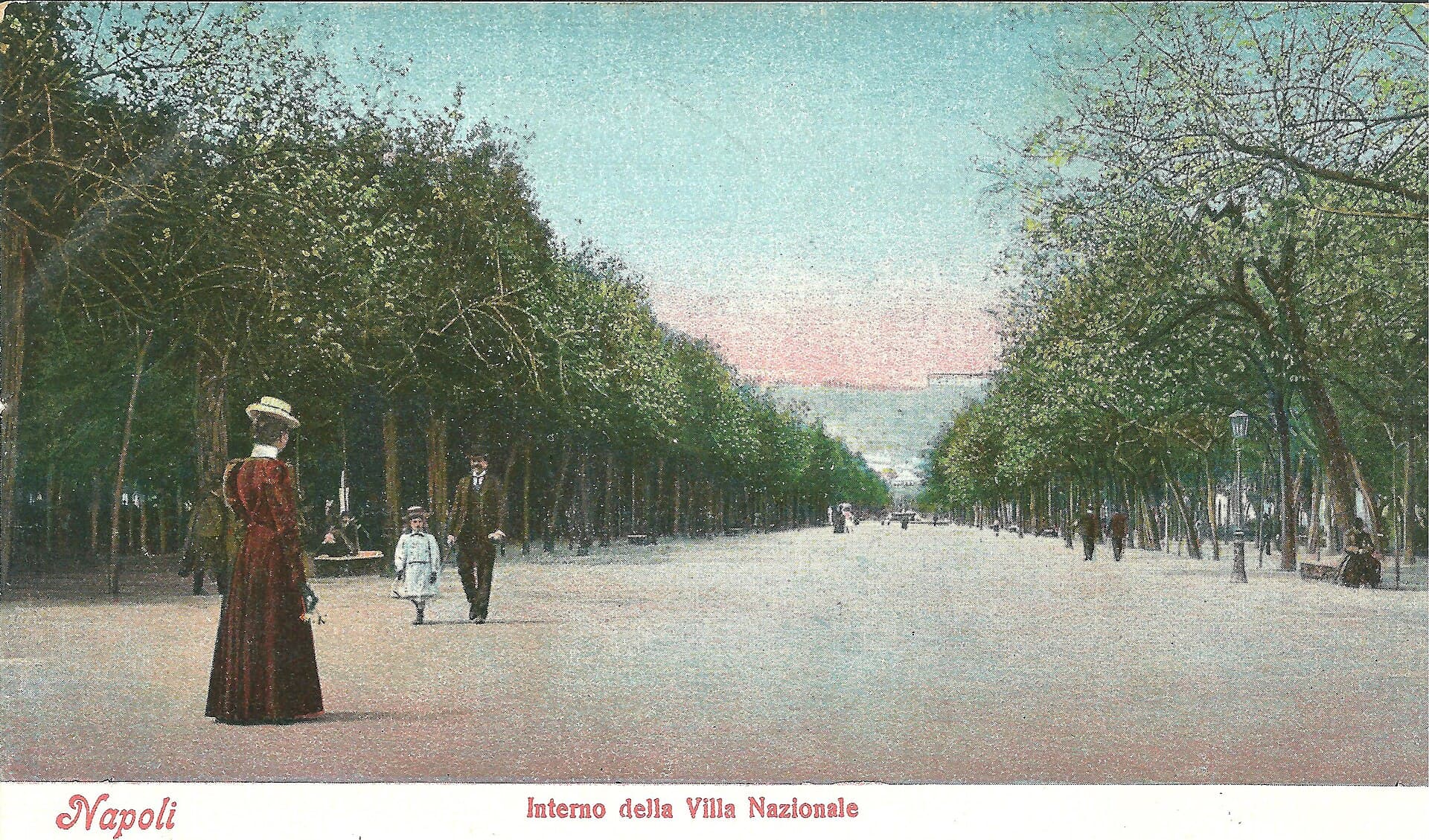 Villa ComunaleUntil the 1820s the largest sculptural group to survive from antiquity — the Far3 minutes walk3.7
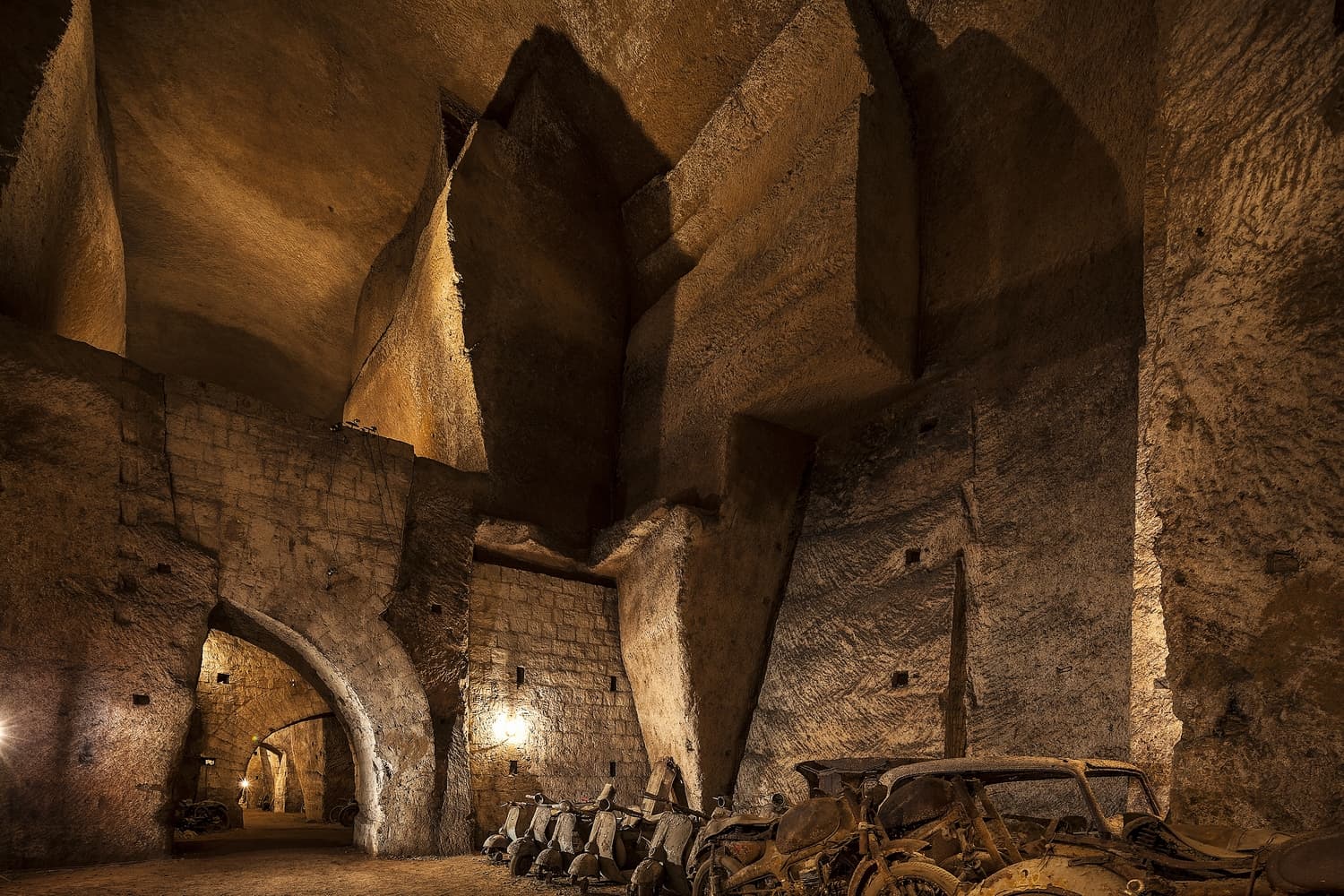 The Bourbon TunnelThe Bourbon Tunnel was born of royal fear: after the revolutions of 1848, Ferdin13 minutes walk4.7
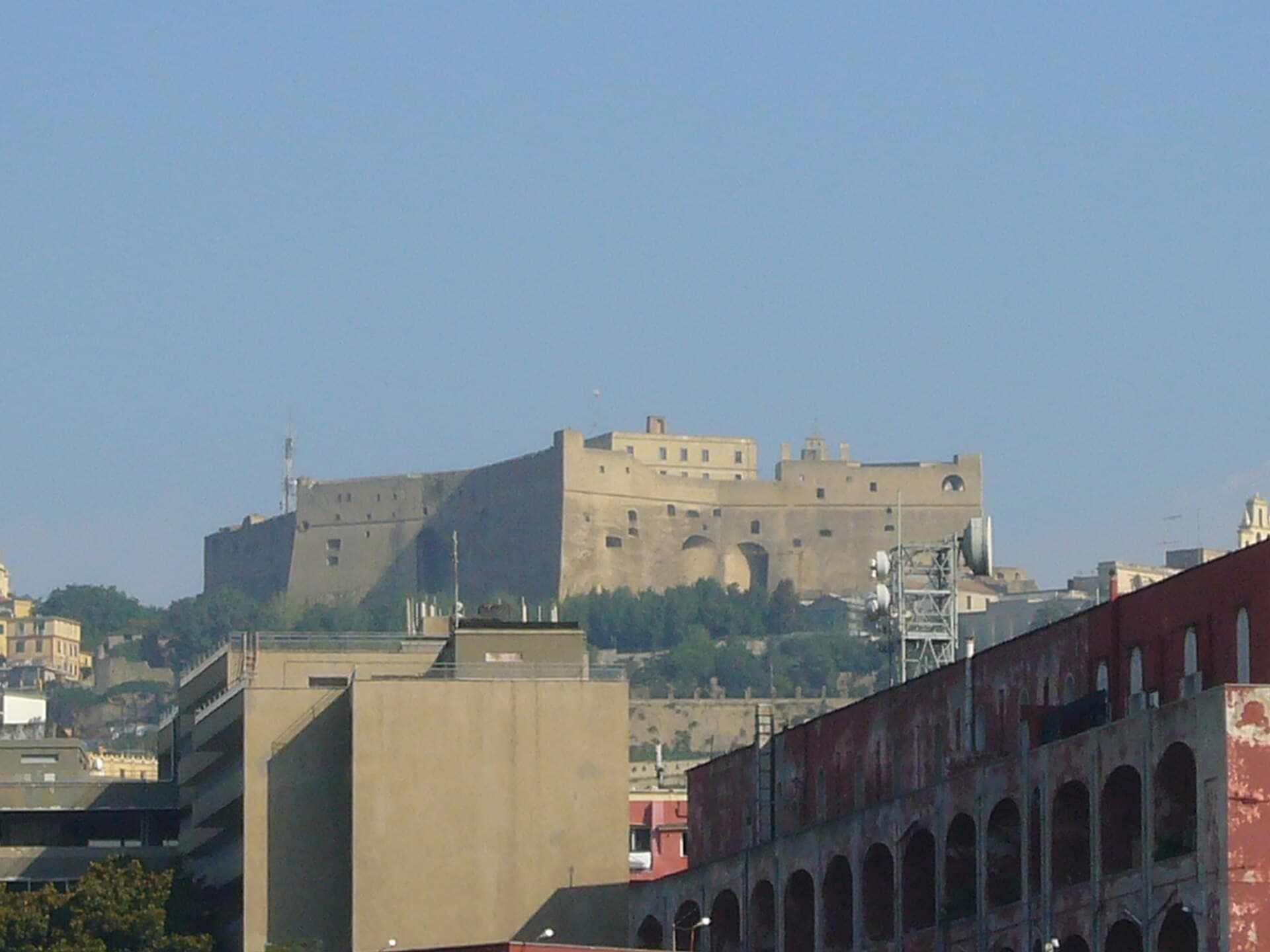 Castel Sant'ElmoAbove the Vomero on Naples's highest ground crouches Castel Sant'Elmo — a huge s14 minutes walk4.7
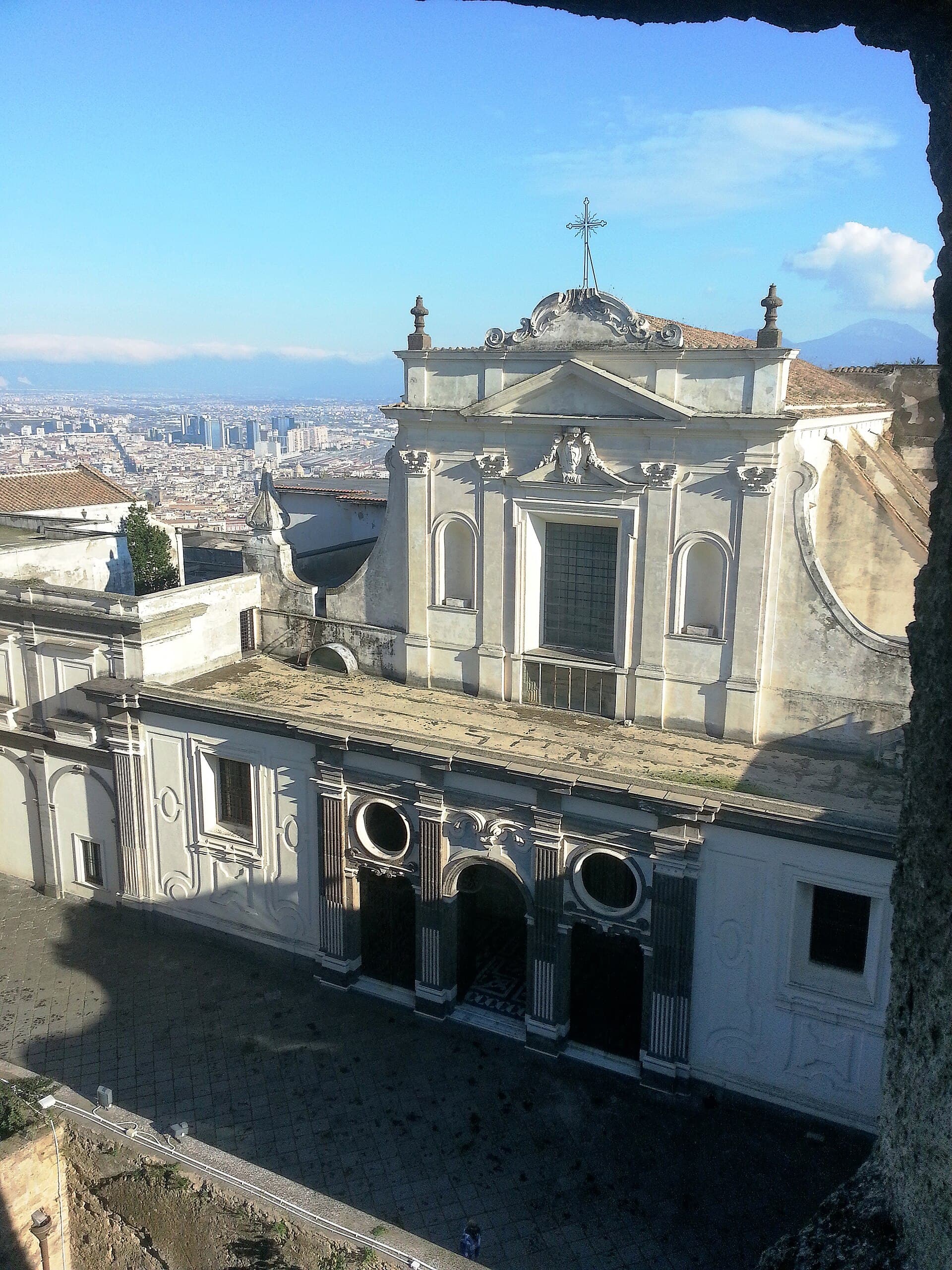 Certosa di San MartinoFrom the terrace here you get all of Naples at once: the bay, Vesuvius, and the 14 minutes walk4.4
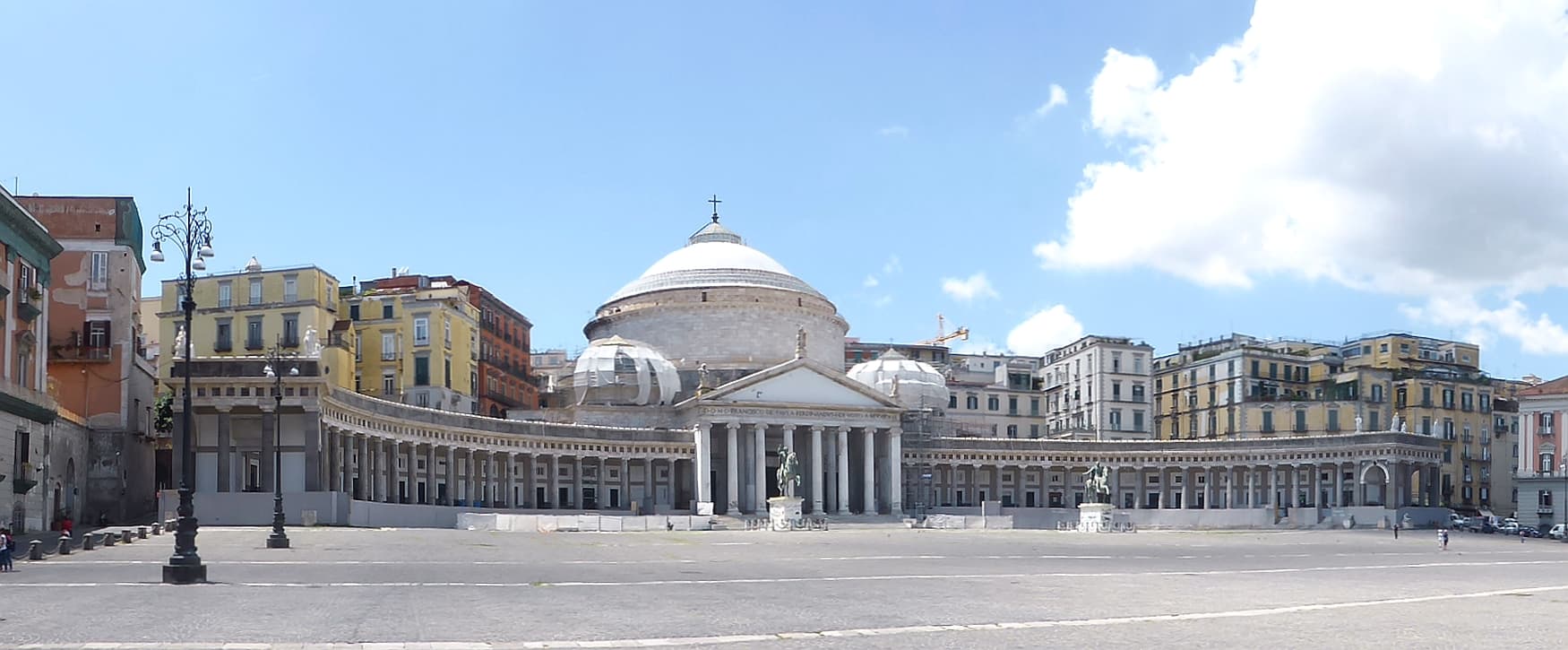 Piazza del PlebiscitoThe Plebiscito is Naples's great square and one of Italy's largest: an open ston16 minutes walk4.6
No, not on a two-day trip — the Archaeological Museum, Capodimonte and the Certosa di San Martino outrank it clearly. But it is an excellent third-day stop, or any day if you are staying in Chiaia: about an hour, five euros, no queue and no booking. Just not on a Tuesday.
Partly, and honestly so. The furnished salons will hold them for ten minutes at most, but the carriage museum and the garden justify the ticket on their own — when the carriage museum is open, so ask at the desk. The ground floor and garden are manageable with a stroller, and the street outside is calmer and safer than the lanes of the old centre — though crossing the Riviera di Chiaia still demands attention to the traffic.