
The Sarcophagus of the Spouses
A sixth-century BC terracotta couple reclining together at the banquet, the wife an equal presence beside her husband. The figures sit on a temporary support while restoration continues.
CC BY 2.5 · Mongolo1984 — CC BY-SA 4.0 · Consolato paolo latella — CC BY-SA 4.0 · Consolato paolo latella — CC BY-SA 4.0
In a quiet ground-floor room, a husband and wife lie together on a terracotta banqueting couch, shoulder to shoulder, wearing a smile modelled some twenty-five centuries ago. The Sarcophagus of the Spouses is the most famous Etruscan object in the world not only because it is beautiful, but because of what it says without saying anything: the woman reclines beside her husband at the feast, on equal terms, in a pose that scandalised Greek and Roman writers enough that they wrote unkind things about Etruscan women for centuries. Two minutes in front of those two faces and you understand why one object became the image of a whole civilisation. One caveat: the piece is mid-restoration. The reclining couple are back in their case on a purpose-built temporary support, while the chest beneath them is still in the conservation laboratory, which the museum opens to visitors on Tuesday and Thursday mornings, 10:00 to 13:00. The building is half the pleasure. Villa Giulia was Pope Julius III's summer retreat, built between 1551 and 1553 by Vignola, Ammannati and Vasari, handed to the Italian state after the fall of the papal government and opened as a museum in 1889. So you move between galleries through open courtyards and painted loggias, and a staircase drops you into the nymphaeum: a sunken water court ringed with columns and caryatids, one of the loveliest things the Renaissance left in Rome, and one that plenty of visitors hurry past without realising they are standing in the heart of the villa. Beyond the sarcophagus, a few things deserve your full stop. The Apollo of Veii, a life-size painted terracotta that once stood on a temple roof, still wearing that unshakeable archaic smile. The three Pyrgi gold tablets, two inscribed in Etruscan and one in Phoenician, which matter enormously because Etruscan is still only partly readable. The bronze Ficoroni cista, and the Castellani jewellery, where you can see Etruscan goldsmiths soldering grains of gold finer than a pinhead. Most of it came out of the tombs of southern Etruria: Veii, Cerveteri, Tarquinia, Vulci, though the cista travelled from Palestrina, east of the city. Be warned that the museum is redisplaying itself room by room: the Castellani gold room and the Cerveteri-Pyrgi rooms were both shut at the time of writing, with no reopening date announced, so check the notices on the official site if you are coming for one object in particular. Now the honest part. This is not a first-trip museum. With three days in Rome, the Colosseum and the Vatican have the better claim, and you would leave here feeling the labels were long and mostly Italian. But on a second or third visit, or if pre-Roman Italy genuinely interests you, it is one of the city's best-value rewards: thirteen euro, near-empty rooms on an ordinary weekday morning, and a garden to sit in. It sits on the western edge of the Villa Borghese park, reached by tram 3 or 19, with the National Gallery of Modern Art literally next door, but each is a separate ticket and a separate visit, as is the Galleria Borghese about twenty minutes' walk away, which demands a booked time slot. Here you can usually still just walk up and buy one.
A sixth-century BC terracotta couple reclining together at the banquet, the wife an equal presence beside her husband. The figures sit on a temporary support while restoration continues.
Three gold leaves, two inscribed in Etruscan and one in Phoenician — a rare key to a language still not fully read. Their room is currently closed for redisplay, so check before you count on them.
A staircase drops into a sunken, colonnaded water court — Renaissance Rome at its most elegant, and easily missed.
Piazzale di Villa Giulia 9, 00196 Rome
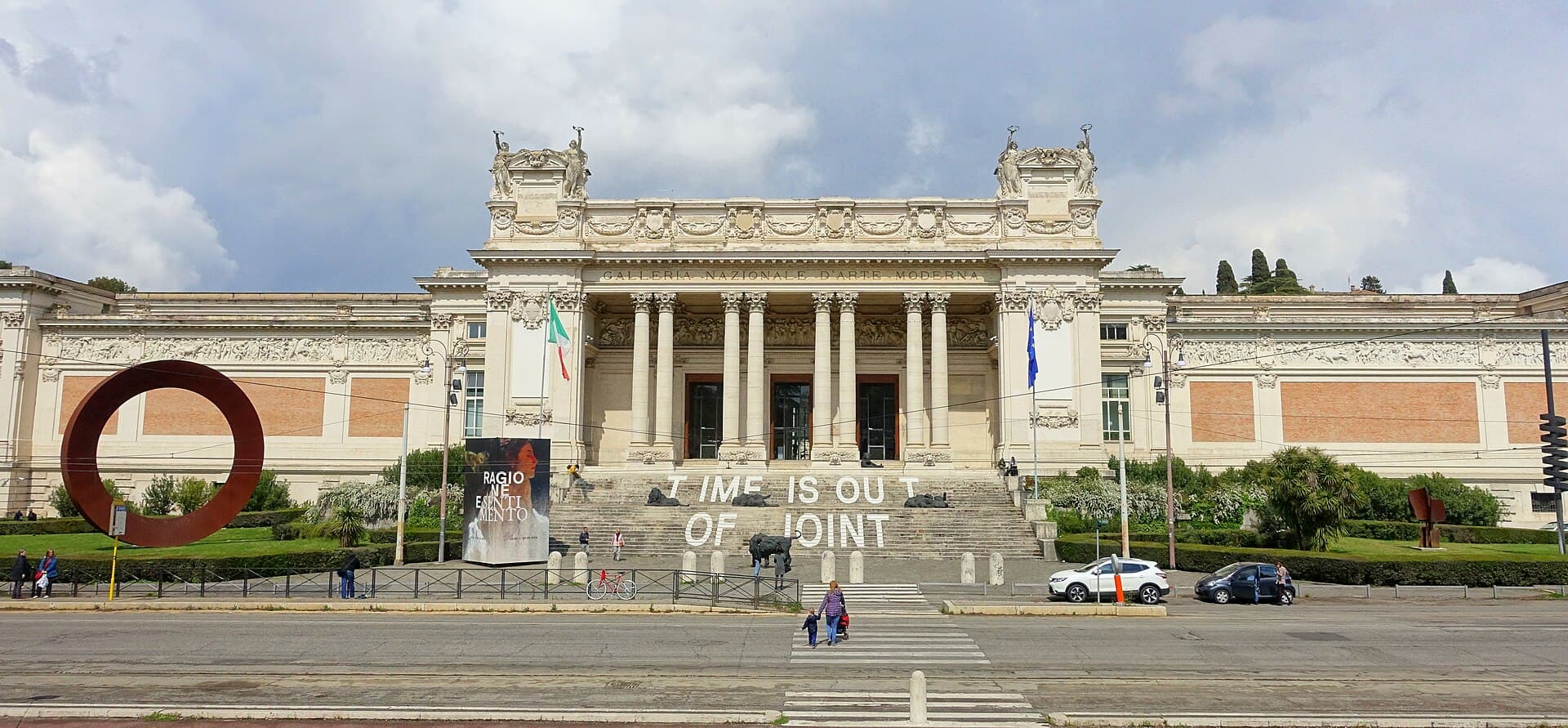 La Galleria Nazionale (GNAM)Klimt's The Three Ages of Woman hangs here, and you may well stand in front of i4 minutes walk4.5
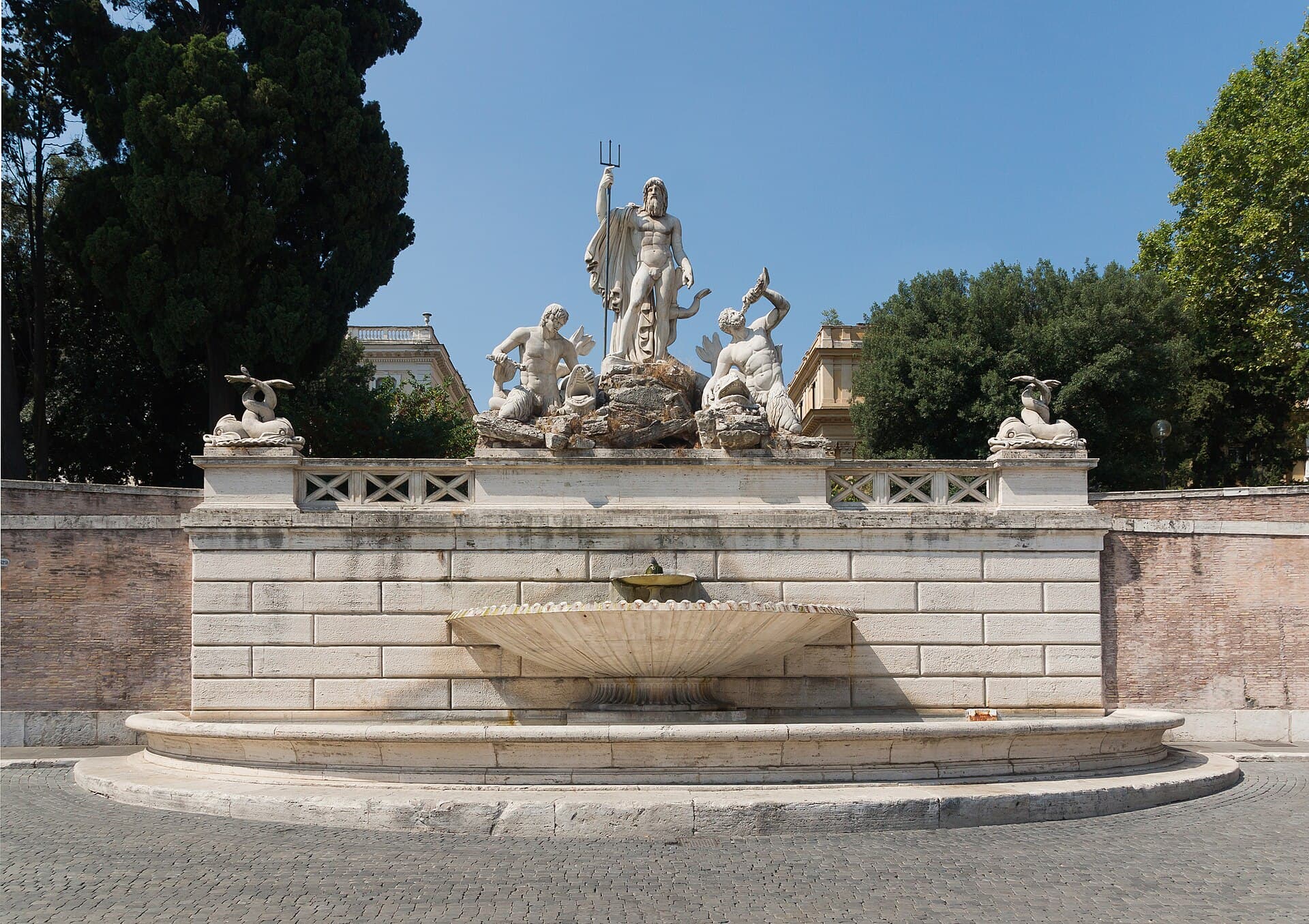 Fontana del Nettuno, Piazza del PopoloThis square was Rome's northern gate: for centuries everyone arriving from Europ11 minutes walk4.8
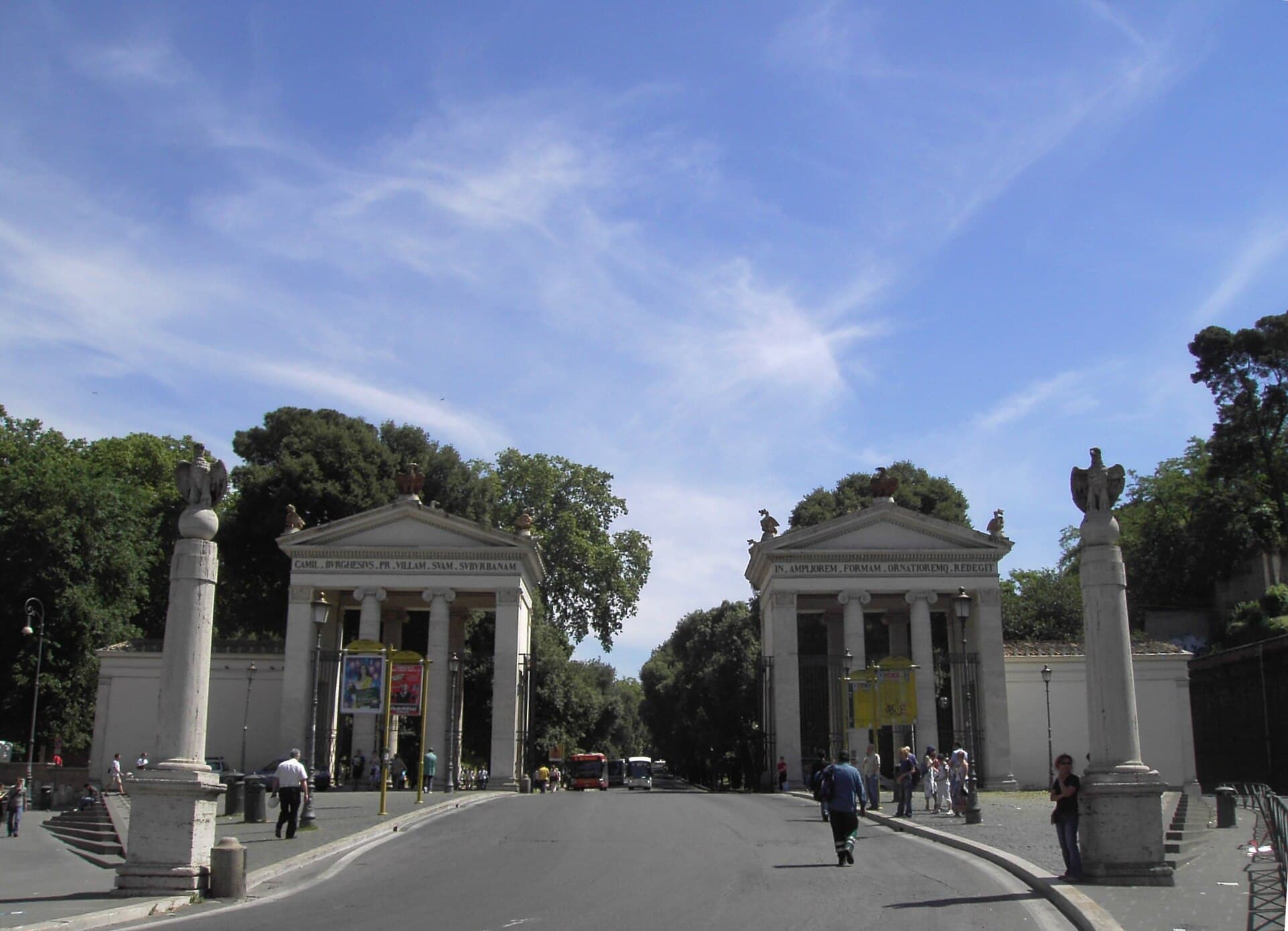 Villa Borghese gardensRome's most famous and most varied park: eighty hectares of shaded avenues, smal12 minutes walk4.5
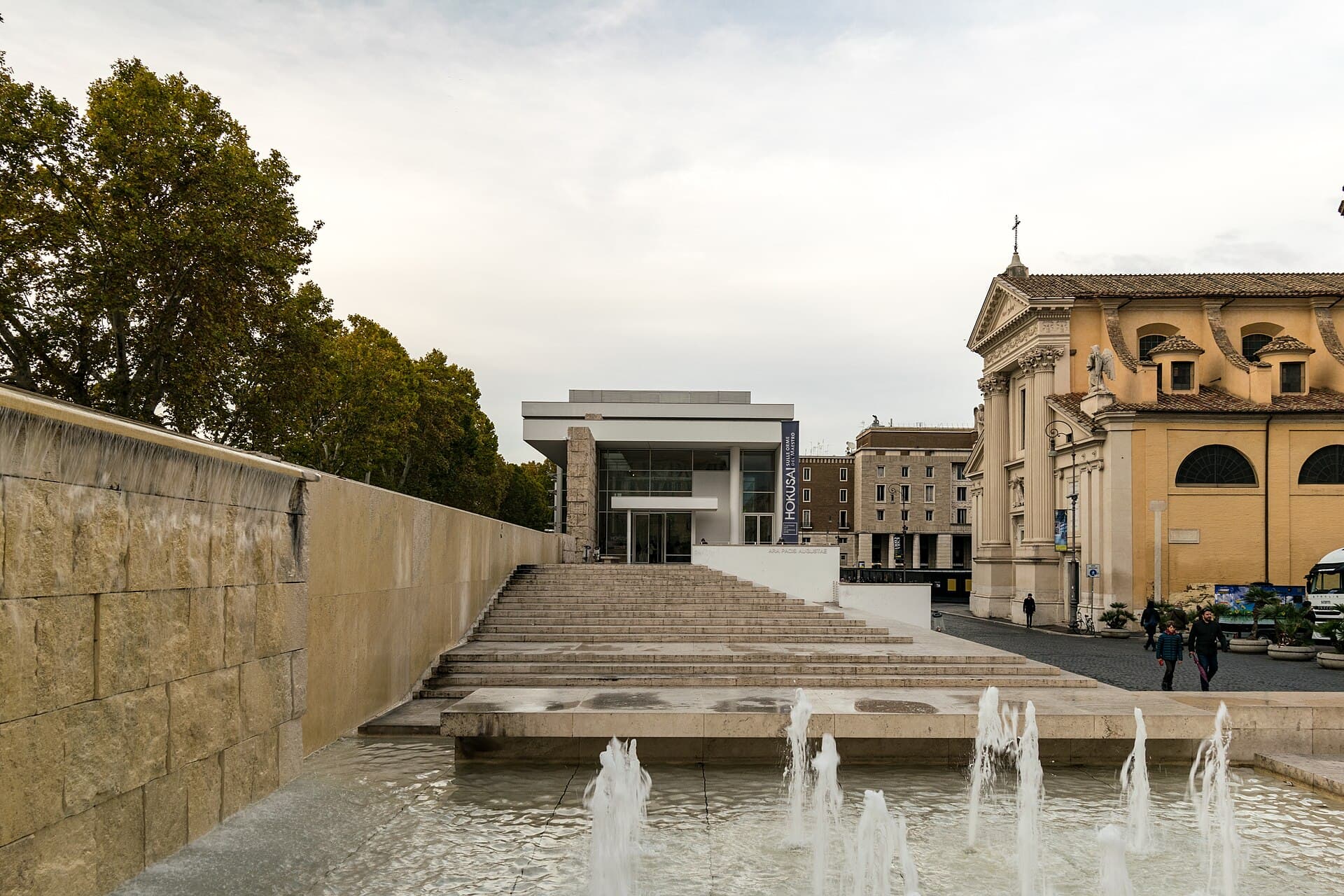 Museum of the Ara PacisThe Altar of Peace, commissioned by the Senate in 13 BC to honour Augustus on hi15 minutes walk4.6
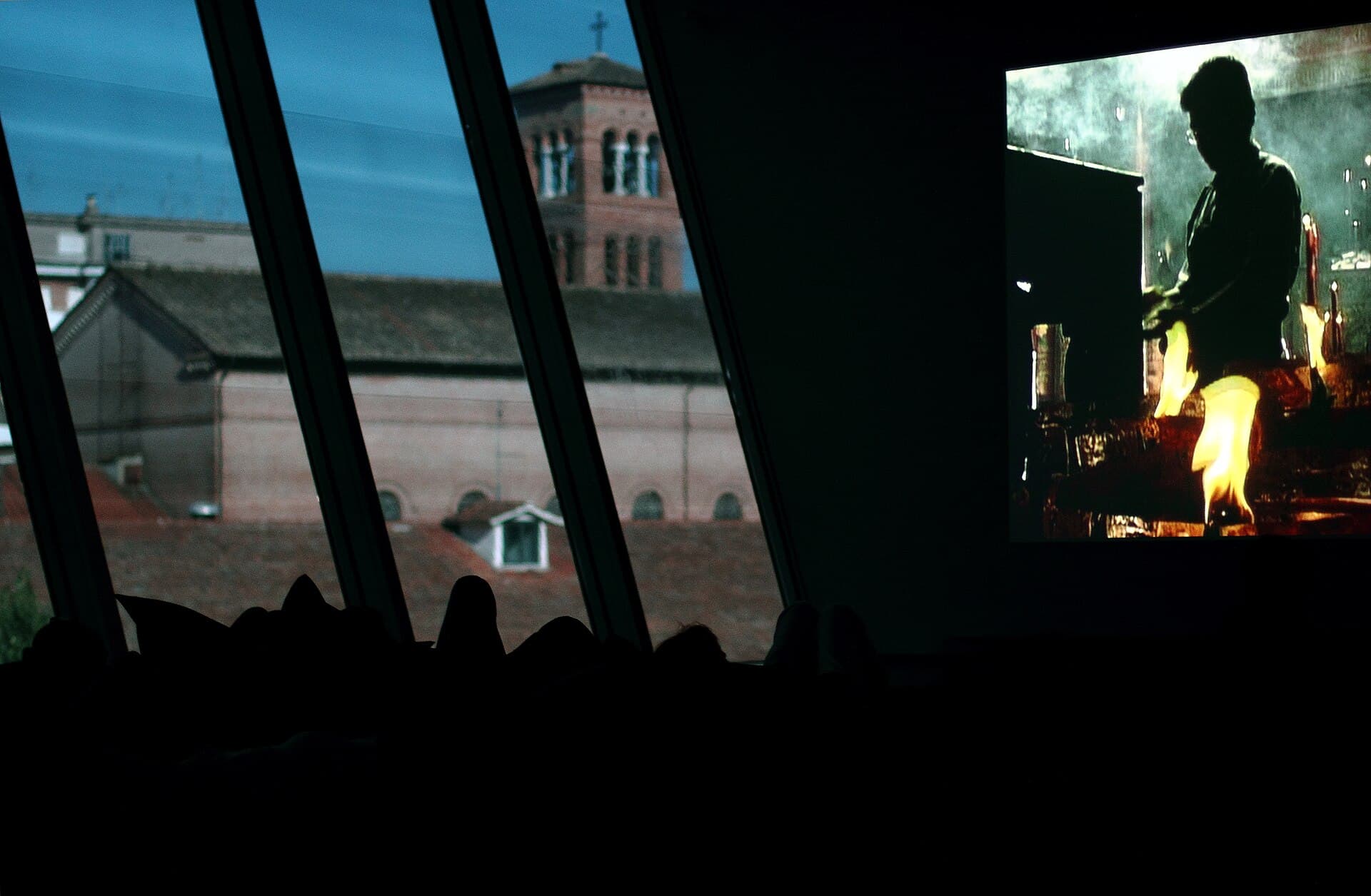 MAXXI – National Museum of 21st Century ArtsThere is barely a right angle in the place. Zaha Hadid built MAXXI as ribbons of17 minutes walk4.4
Honestly, no. On a first three days the Colosseum, the Vatican and the Pantheon have the stronger claim, and here you would find the labelling long and largely Italian. Save it for a second visit, or come if pre-Roman Italy genuinely draws you — in which case it is one of the most rewarding and least crowded things in the city.
Partly. The courtyards, garden and nymphaeum give them room to move, and the terracotta figures and painted vases hold attention, but the galleries are quiet and the texts are written for adults. Budget an hour with a young child, not three, and take a break in the garden. There is no dedicated prayer room, and this residential district is stronger on smart cafes than on halal restaurants, so plan lunch elsewhere.