Caravaggio without a ticket
Two canvases from his peak in an ordinary parish church — the closest you get to seeing Caravaggio as his contemporaries did.
Jebulon — CC0 · Livioandronico2013 — CC BY-SA 4.0 · This Photo was taken by Wolfgang Moroder. Feel free to use my photos, but please mention me as the author and send me a message. This image is not in the public domain. Please respect the copyright pr — CC BY-SA 3.0 · This Photo was taken by Wolfgang Moroder. Feel free to use my photos, but please mention me as the author and send me a message. This image is not in the public domain. Please respect the copyright pr — CC BY-SA 3.0
This square was Rome's northern gate: for centuries everyone arriving from Europe entered here — pilgrims, artists, kings and Grand Tour travellers. So it was designed to impress on arrival: a vast oval, a 3,200-year-old Egyptian obelisk at its centre brought by Augustus from Heliopolis, fountains on either side, and two near-identical twin churches at the southern end dividing three streets that fan out like a trident. In the northern corner stands Santa Maria del Popolo — the real reason art lovers step inside: two Caravaggios (the Crucifixion of St Peter and the Conversion of St Paul) in an ordinary parish church, with no ticket and no queue, plus the Chigi Chapel designed by Raphael. And from the eastern corner a winding ramp climbs to the Pincio terrace overlooking the whole square — Rome's most famous free sunset view, just five minutes on foot.
Two canvases from his peak in an ordinary parish church — the closest you get to seeing Caravaggio as his contemporaries did.
3,200 years of Egyptian granite at the square's centre — the oldest thing in Rome after its own stones.
They look identical but aren't — an architectural trick to make the square read as symmetrical despite unequal plots.
A winding ramp from the eastern corner reaches the terrace over the square and St Peter's dome — Rome's free sunset.
Piazza del Popolo, Rome
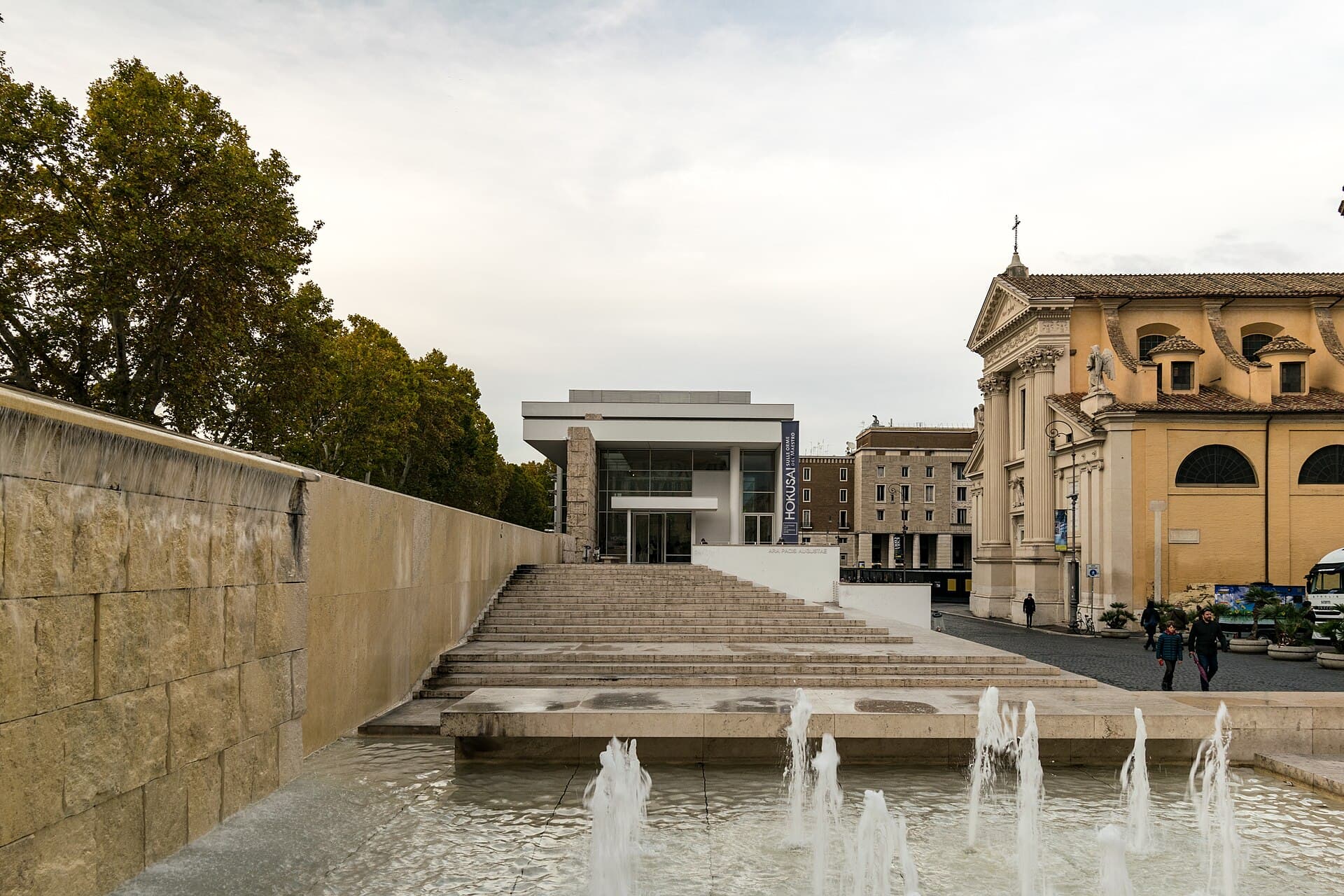 Museum of the Ara PacisThe Altar of Peace, commissioned by the Senate in 13 BC to honour Augustus on hi4 minutes walk4.6
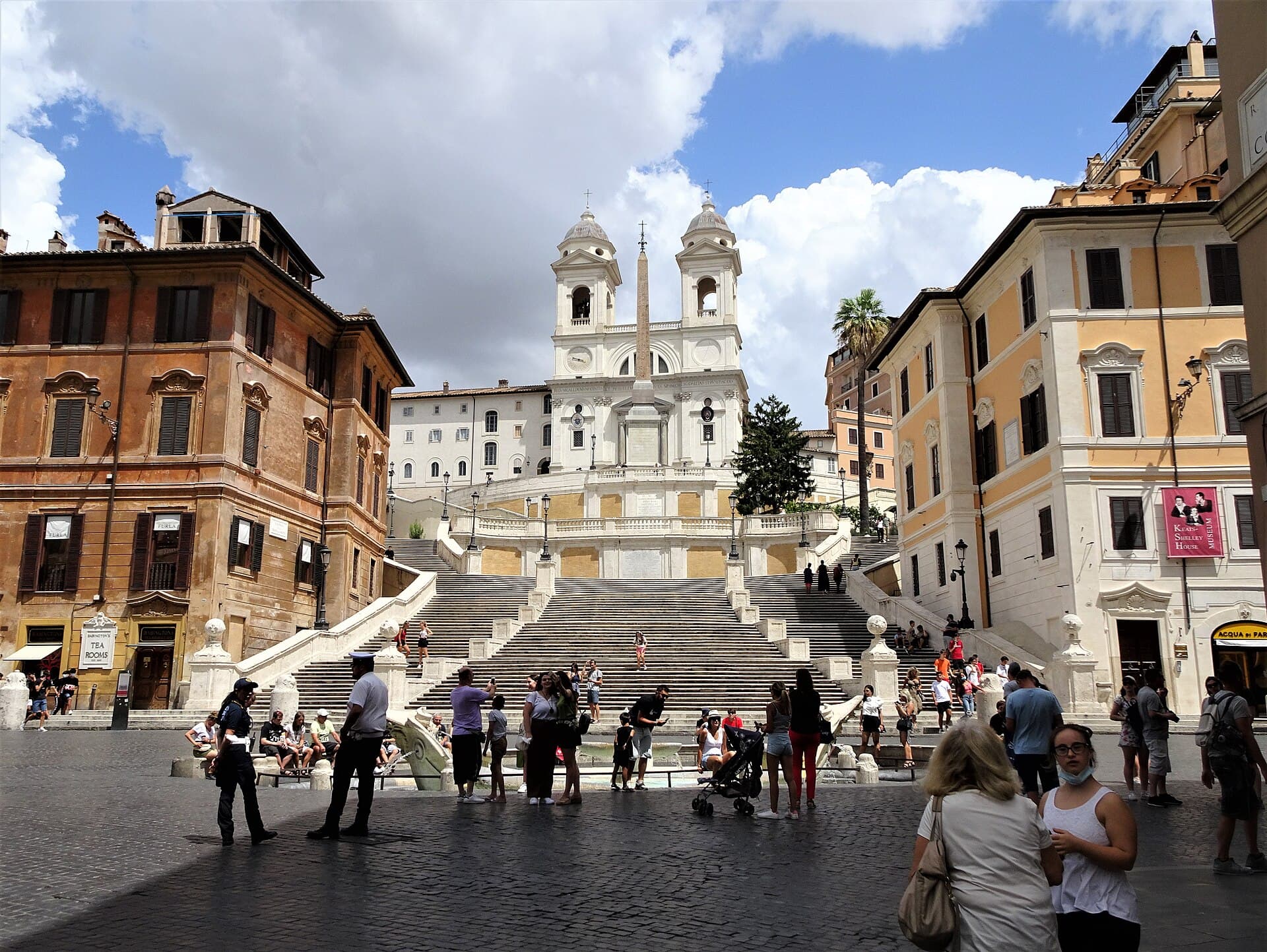 Piazza di SpagnaThe square at the foot of the Spanish Steps, named for the Spanish embassy to th9 minutes walk4.6
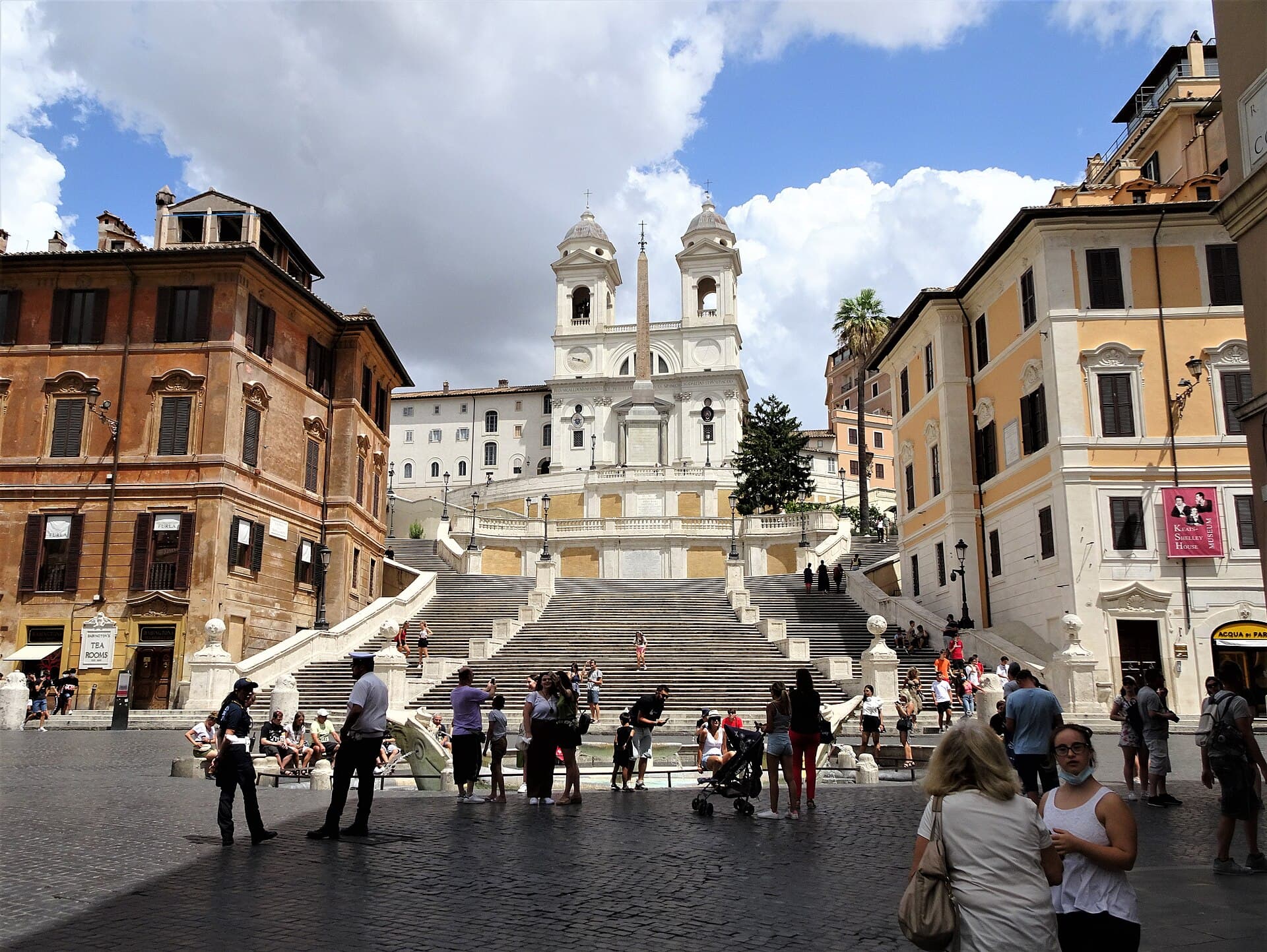 Spanish StepsOne hundred and thirty-five steps widening, narrowing and curving up from Piazza10 minutes walk4.7
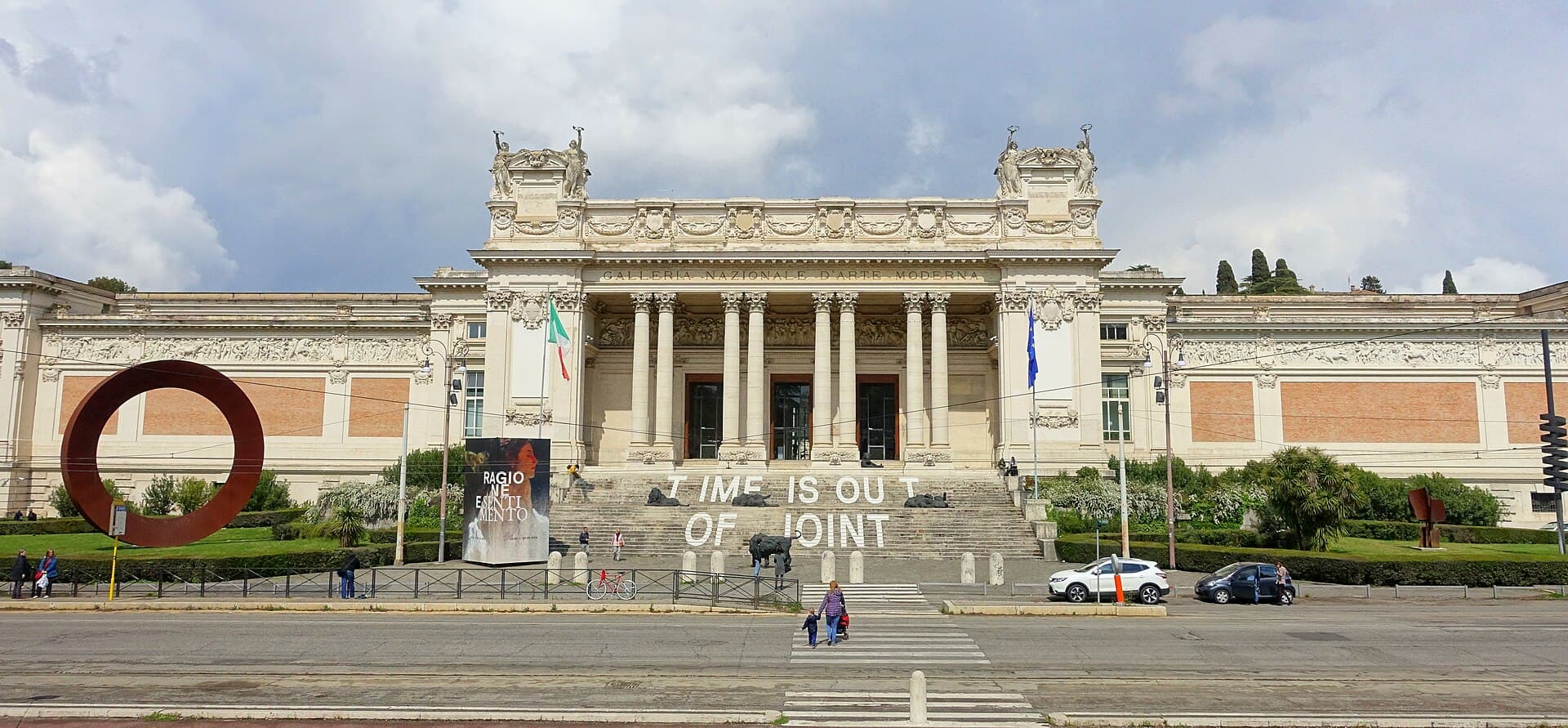 La Galleria Nazionale (GNAM)Klimt's The Three Ages of Woman hangs here, and you may well stand in front of i10 minutes walk4.5
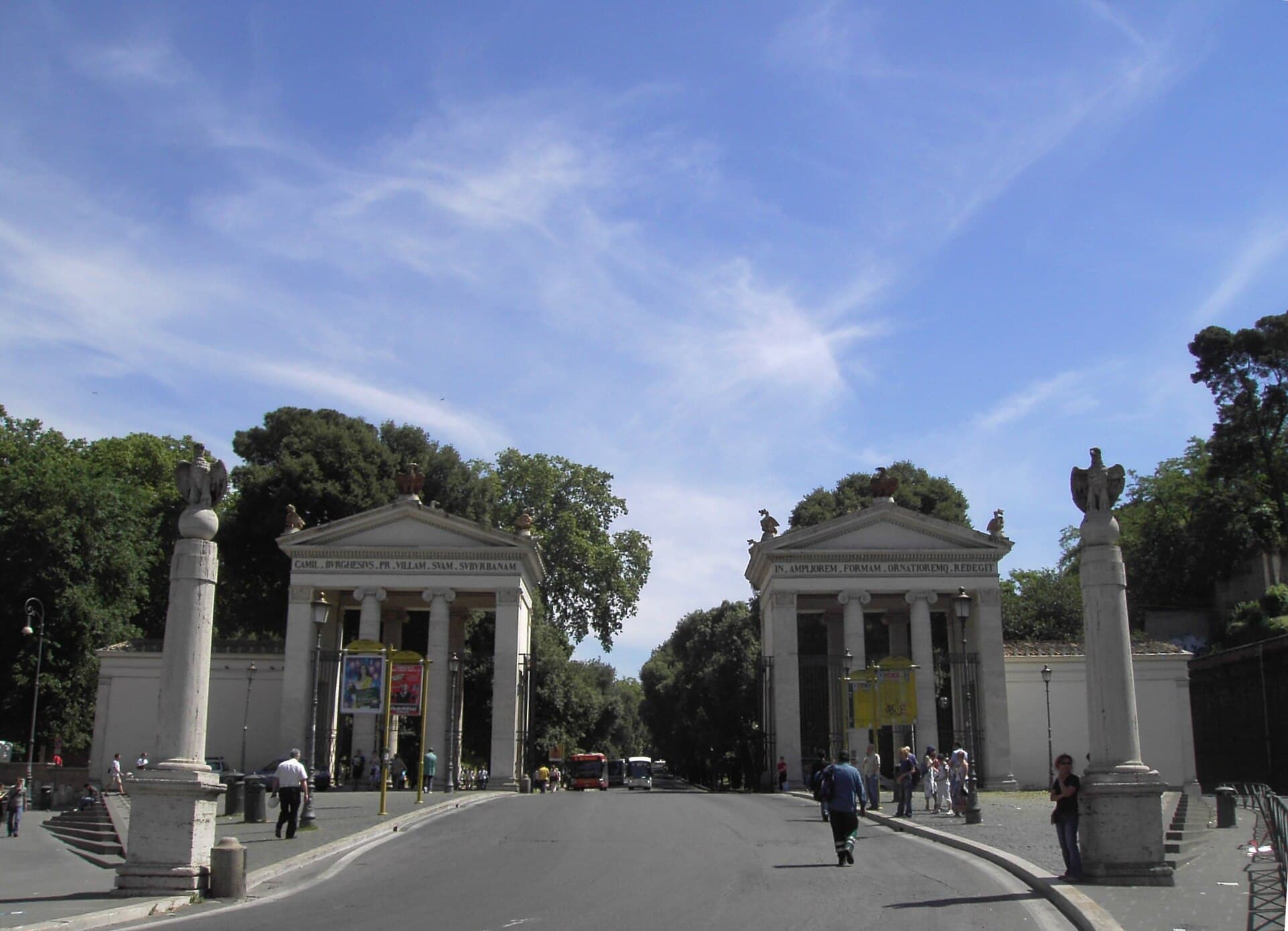 Villa Borghese gardensRome's most famous and most varied park: eighty hectares of shaded avenues, smal11 minutes walk4.5
Looking for halal food near Fontana del Nettuno, Piazza del Popolo? There are several options nearby, from Moroccan and Indian kitchens to quick casual spots and places with a view. Confirm the halal status and opening hours before you go — these can change.
The ideal line: the church first for the Caravaggios, then the square and obelisk, then up to the Pincio half an hour before sunset, then down to the Spanish Steps through the Borghese gardens.
As a stop yes, as a day's destination no. Its best use is as the start or end of a route: it anchors the Via del Corso shopping street and the Borghese gardens gate at once.