
Klimt with no queue
The Three Ages of Woman is one of only three Klimts in Italy, and you will rarely share it with more than a few people.
Daderot — CC0 · Maurizio Moro5153 — CC BY-SA 4.0 · Chabe01 — CC BY-SA 4.0 · Peicurto — CC BY-SA 4.0
Klimt's The Three Ages of Woman hangs here, and you may well stand in front of it entirely alone in the middle of a heaving Roman afternoon. It is one of only three Klimt paintings in the whole of Italy, and there is no queue for it and no elbow in your ribs. That single fact tells you what kind of place this is: a first-rate collection in a city too busy with the Colosseum and the Vatican to notice it. The building is a vast palace by Cesare Bazzani, raised for Rome's international exhibition of 1911 on the northern edge of the Villa Borghese park. Inside is Italy's national collection of nineteenth and twentieth century art: some twenty thousand works, of which only around a thousand hang at any one time across some fifty-five high-ceilinged rooms. You pass Canova's Hercules and Lichas, then Pellizza da Volpedo, Modigliani and Boccioni, then the twentieth century proper with Burri's burnt sacking and Fontana's slashed canvases, plus Van Gogh's L'Arlesienne. Know one thing before you pay. The way this collection is hung is argued about constantly. For years it was shuffled deliberately out of chronological order, a canvas from the 1880s beside one from the 1970s. A new director has since reworked it, broadly back into sequence, with rooms given over to a single artist or to a movement such as Futurism, and Italian critics have been every bit as loud about the new arrangement as they were about the old. Either way there is no prescribed route, older guidebooks describe rooms you will not find, and the labelling explains little, so wander rather than try to decode a plan. This is not for the first-timer with three days, who should spend them on the Colosseum, St Peter's and the Borghese. It is very good for a second or third visit to Rome, for anyone tired of ruins and Baroque who wants two completely different centuries, and for anyone hunting a large air-conditioned refuge in the July heat. The galleries are wide and quiet and take pushchairs and walking children easily, though there is nothing interactive and nothing aimed at kids. Note too that although it sits on the edge of Villa Borghese, it is entirely separate from the Borghese Gallery inside the park: two different tickets and two different visits, though a same-day Borghese ticket gets you a reduced rate here. The neighbourhood is smart and residential with essentially no halal restaurants, so plan lunch elsewhere or carry something to eat in the gardens.
The Three Ages of Woman is one of only three Klimts in Italy, and you will rarely share it with more than a few people.
Boccioni's Futurism, Fontana's slashed canvases and Burri's burnt sacking hand you modern Italian art in one concentrated run.
The collection has been rehung twice in a decade and Roman critics fought over both versions: expect rooms that surprise you and labels that explain little.
Viale delle Belle Arti 131, 00197 Rome
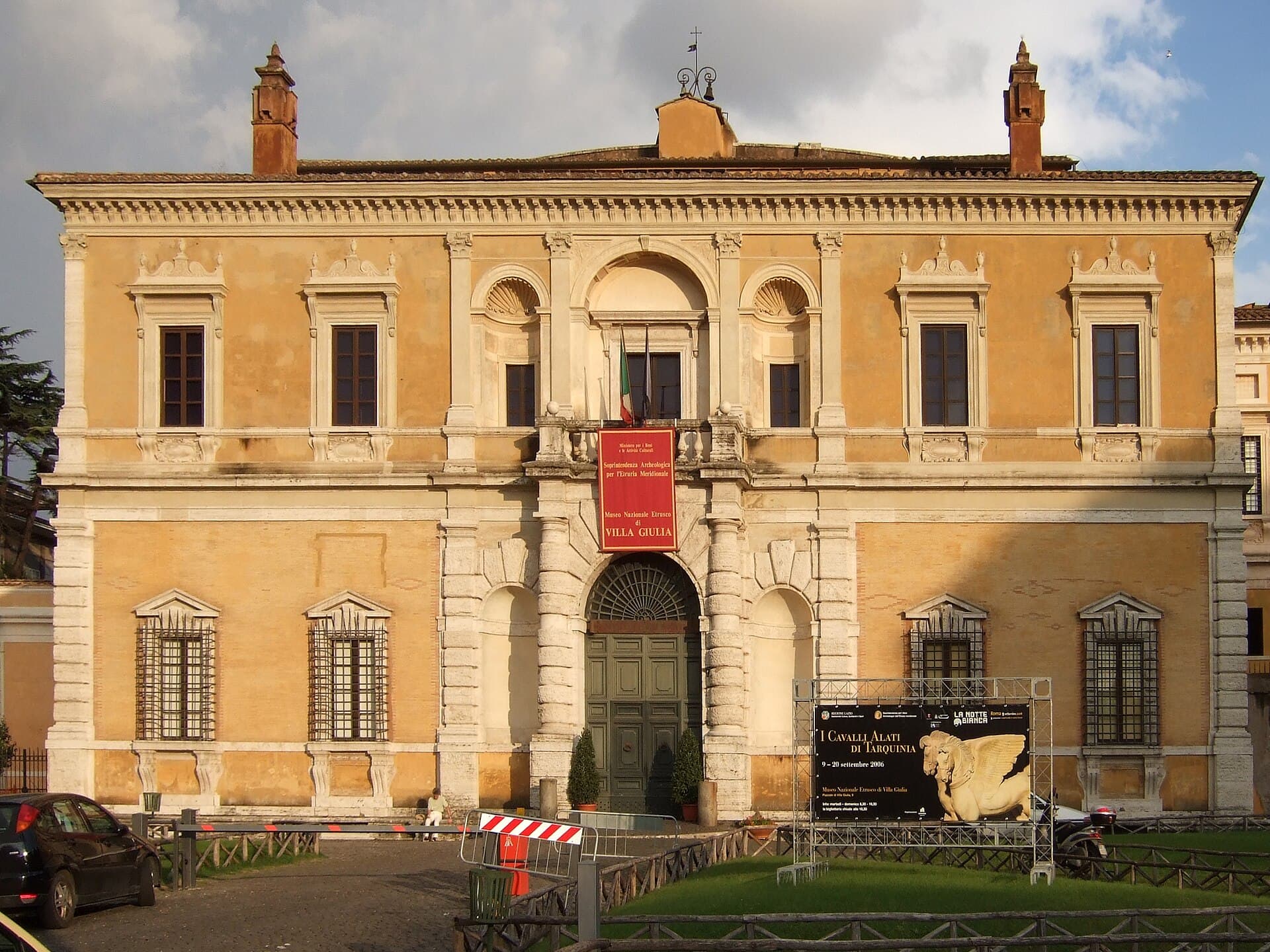 National Etruscan Museum of Villa GiuliaIn a quiet ground-floor room, a husband and wife lie together on a terracotta ba4 minutes walk4.6
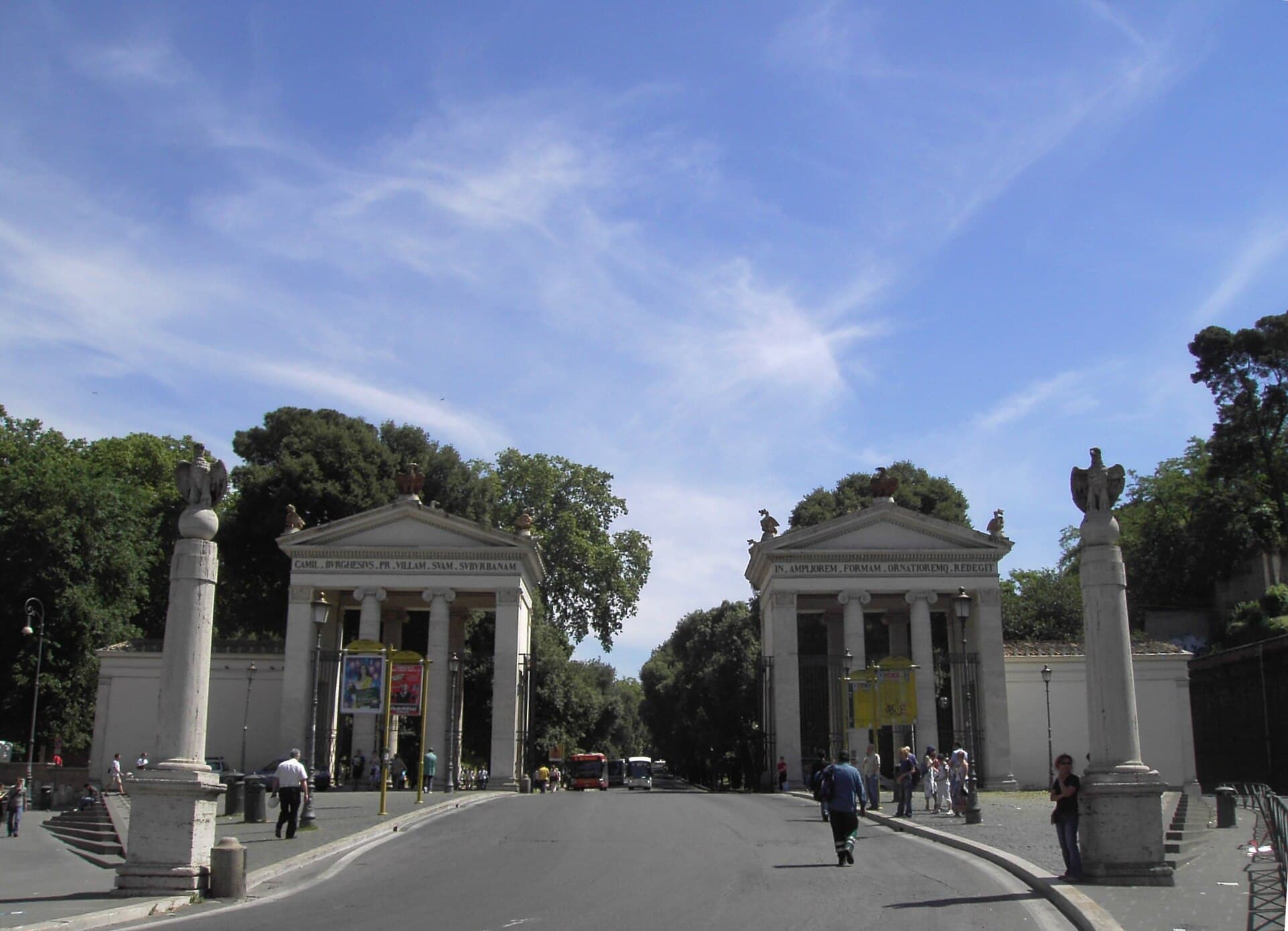 Villa Borghese gardensRome's most famous and most varied park: eighty hectares of shaded avenues, smal7 minutes walk4.5
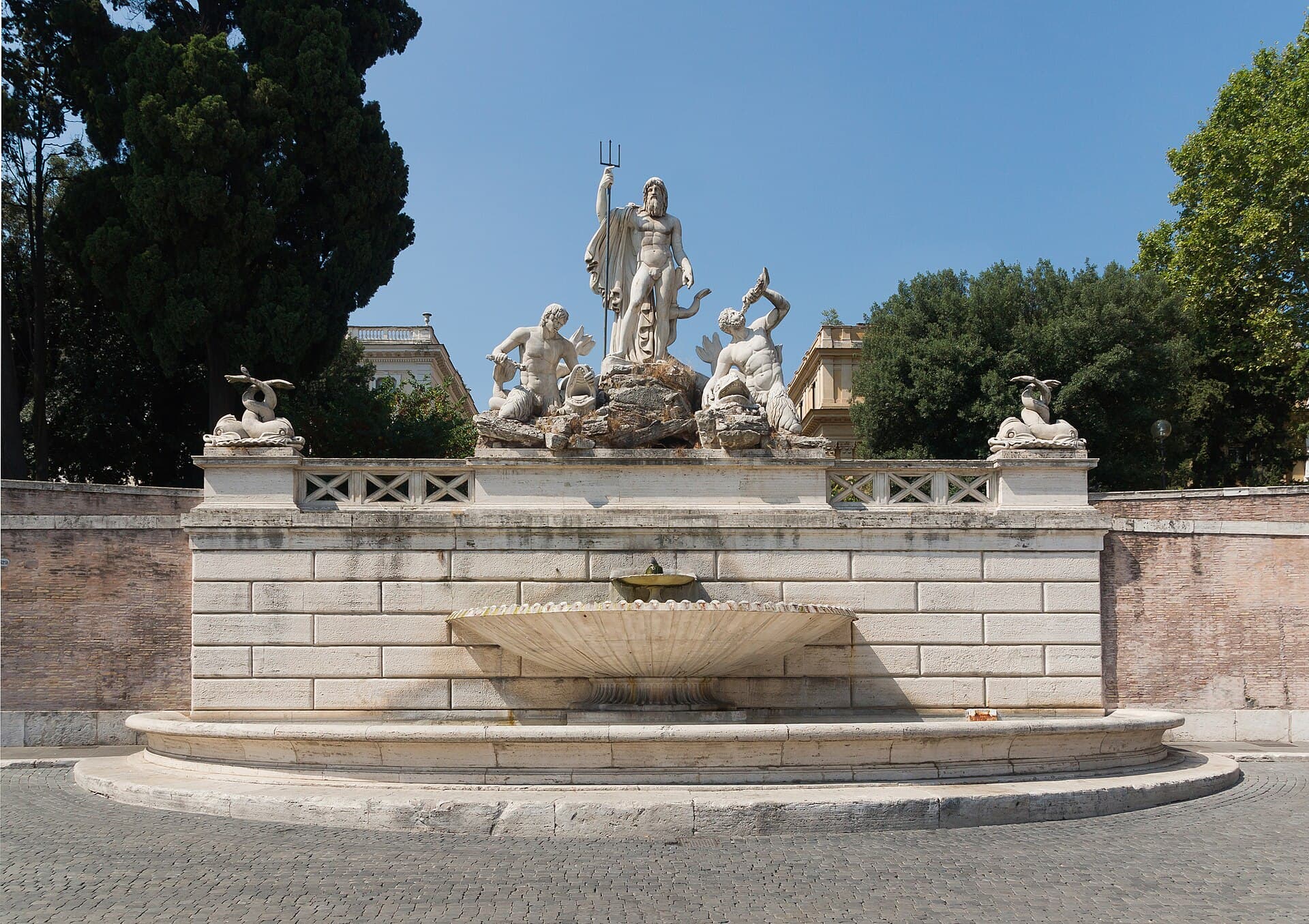 Fontana del Nettuno, Piazza del PopoloThis square was Rome's northern gate: for centuries everyone arriving from Europ10 minutes walk4.8
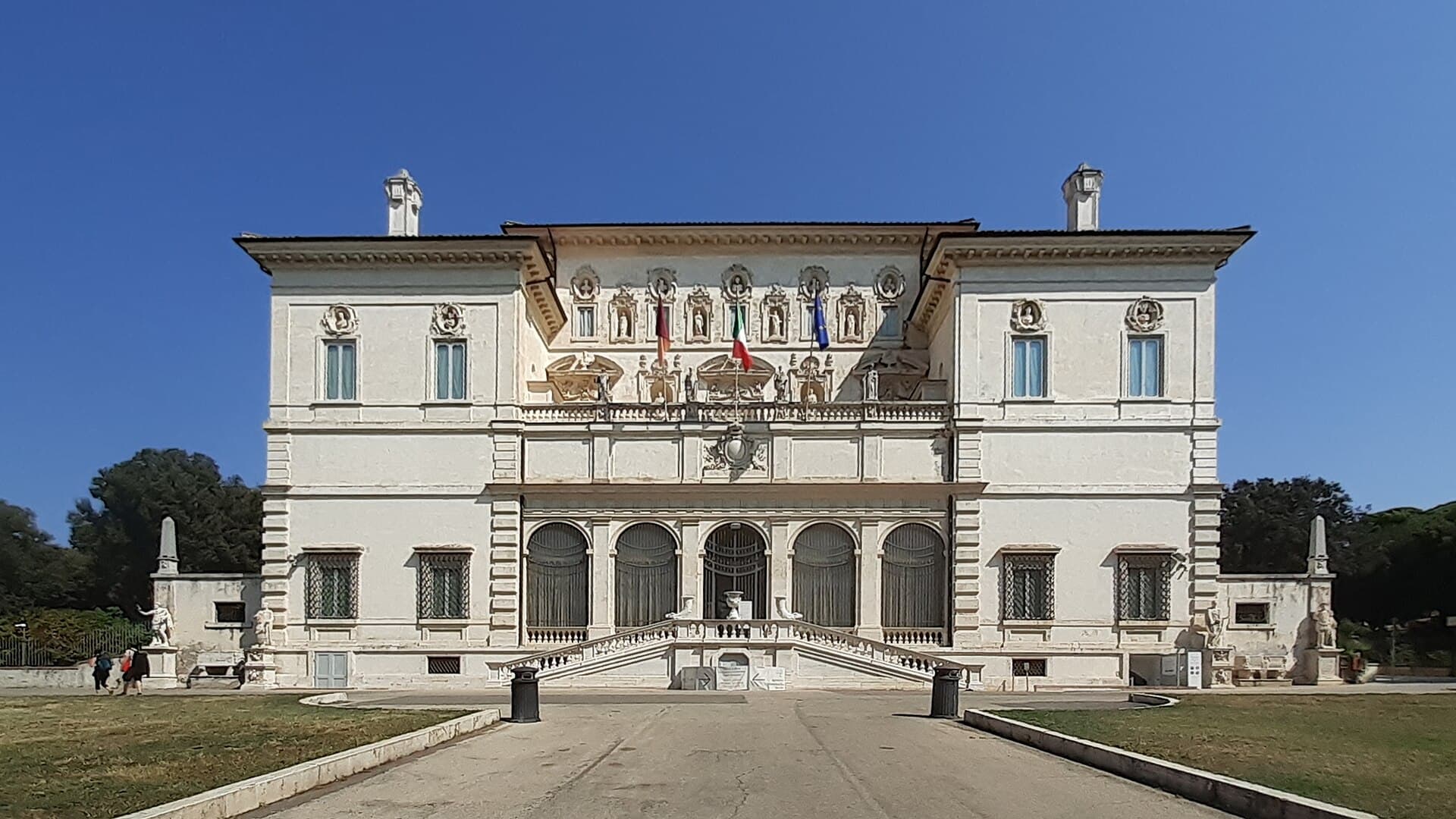 Villa Borghese PincianaThe greatest collection of Baroque sculpture in the world, in a single villa, wi13 minutes walk4.7
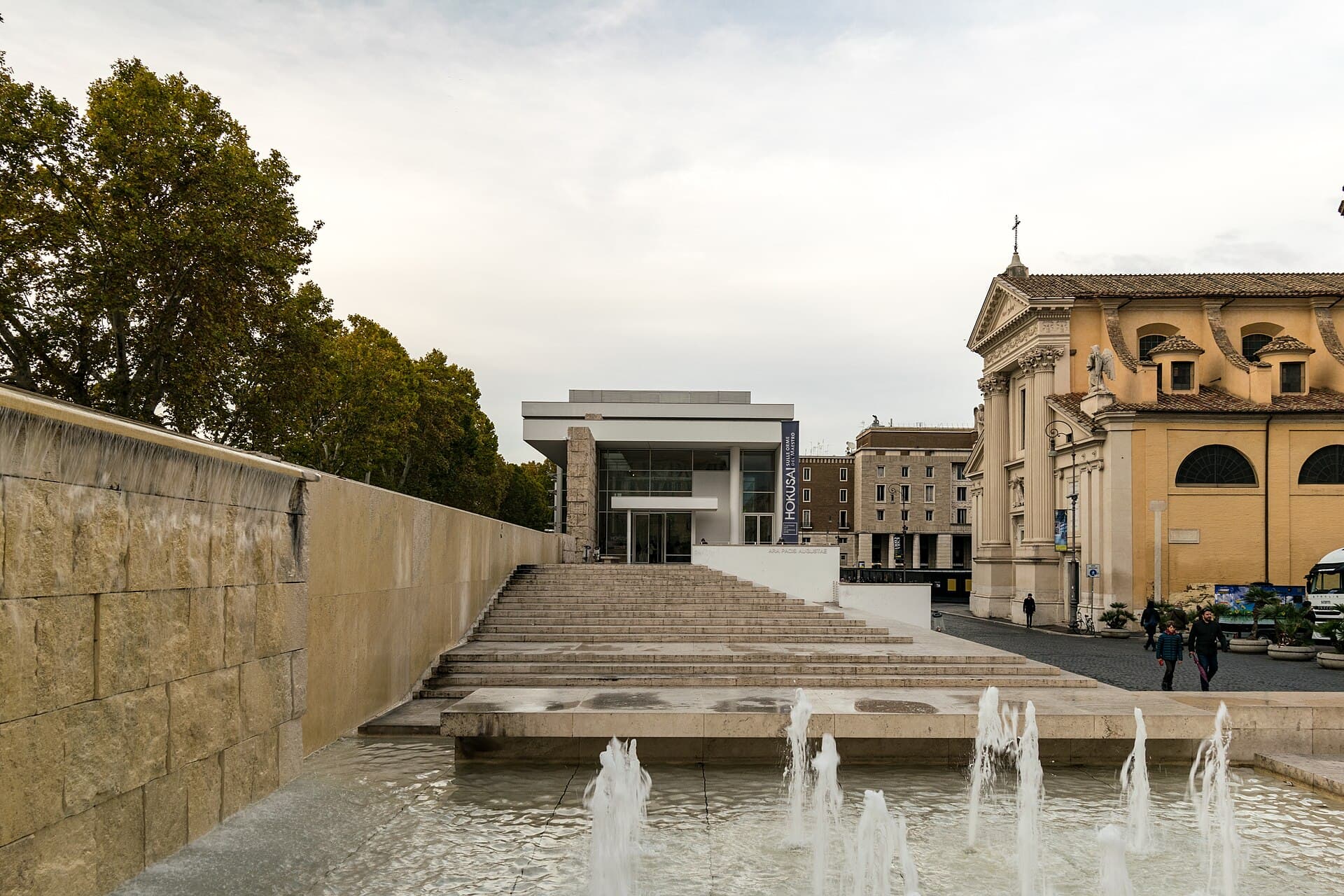 Museum of the Ara PacisThe Altar of Peace, commissioned by the Senate in 13 BC to honour Augustus on hi14 minutes walk4.6
Looking for halal food near La Galleria Nazionale (GNAM)? There are several options nearby, from Moroccan and Indian kitchens to quick casual spots and places with a view. Confirm the halal status and opening hours before you go — these can change.
Honestly, no. With three days your priorities are the Colosseum, the Vatican and the Borghese, and this would eat half a day at their expense. On a second or third trip, or on a wet or blisteringly hot day, it is one of the best things you can do in Rome for seventeen euros, and it takes a comfortable ninety minutes to three hours, which is also exactly how long the ticket stays valid.
No, and the two are constantly confused. The Borghese Gallery (Villa Borghese Pinciana) is the Bernini and Caravaggio palace inside the park, needs a timed booking in advance and limits you to a two-hour slot. La Galleria Nazionale is a separate building on the northern edge of the park, with its own ticket and no booking. A same-day Borghese ticket gets you a reduced rate here, and the two combine easily in one day: about fifteen to twenty minutes on foot through the gardens.