
The House of the Owls
More than fifty Liberty-style stained-glass windows in a small house unlike anything else in Rome, with owls chasing you through the glass, the ironwork and the tiles.
Ricardalovesmonuments — CC BY-SA 4.0 · Swordfish1982 — CC BY-SA 4.0 · Albarubescens — CC BY-SA 4.0 · Albarubescens — CC BY-SA 4.0
In 1925 Mussolini rented this estate from Prince Giovanni Torlonia Jr. for a token one lira a year, and lived here for eighteen years until his fall in the summer of 1943. Beneath the lawn he walked every morning runs a Jewish burial catacomb of the third and fourth centuries holding roughly 3,800 graves, uncovered in 1919 and still closed to visitors: the tunnels are unstable and the air in them carries radon, and behind that sits an old argument over whether Jewish law permits disturbing the dead at all. Almost nothing above ground tells you it is there, but it follows you across the grass. And yet the best thing at Villa Torlonia is not the dictator's house. A few minutes from the main palace stands a small, strange building called the Casina delle Civette — the House of the Owls. It began as a Swiss cottage built by Giuseppe Jappelli in 1840, was transformed from 1908 by the architect Enrico Gennari, and was given its south front and much of its Liberty decoration by Vincenzo Fasolo in 1917, until it became something closer to a dream: little turrets, timber loggias, coloured majolica and, above all, more than fifty stained-glass windows in the Italian Liberty style, designed by artists such as Duilio Cambellotti and executed by the master glazier Cesare Picchiarini. Owls recur in the glass, the ironwork and the mosaics because the owner was besotted with them. There is nothing else like it anywhere in Rome. The complex is three separate buildings on one combined ticket: the Casino Nobile, the neoclassical palace rebuilt by Giuseppe Valadier in the early nineteenth century, now holding sculpture, furniture, a reconstructed Mussolini bedroom and, upstairs, the museum of the Roman School painters; the Casino dei Principi, given over to temporary shows; and the Casina delle Civette. The same combined ticket also covers a fourth site, the Serra Moresca, a restored Moorish greenhouse with a grotto and a tower decorated in homage to the Alhambra, which closes in July and August. The park itself is completely free and open to all, with playgrounds, a café and generous shade. Only Mussolini's underground bunker needs a ticket of its own, and it can be seen solely on a guided tour booked in advance. Let us be blunt. If this is your first time in Rome and you have three days, the Colosseum and the Vatican come first, no argument. Villa Torlonia is for the traveller on a second or third visit, or for a family that needs half a quiet day with no queues and no crowds. The entrance is on Via Nomentana, about a ten-minute walk from Policlinico station on Metro line B, with plenty of buses from Termini. From its gate you can walk a quarter of an hour to the wonderfully odd Quartiere Coppedè, which is the right way to end the day.
More than fifty Liberty-style stained-glass windows in a small house unlike anything else in Rome, with owls chasing you through the glass, the ironwork and the tiles.
The Casino Nobile keeps a reconstructed Mussolini bedroom, and underground lie shelters begun in 1940 and an armoured bunker still unfinished when he fell in 1943, visitable by guided tour on a separate ticket.
The Serra Moresca, with its tower, grotto and Granada-inspired decoration, is an unexpected Andalusian corner in a Roman park, included in the combined ticket except in July and August when it closes.
Via Nomentana 70, 00161 Rome — single ticket office at the Casino Nobile
 MACRO Museum of Contemporary ArtNobody built this place for art. It was a Peroni brewery, swallowed by the city 9 minutes walk4.1
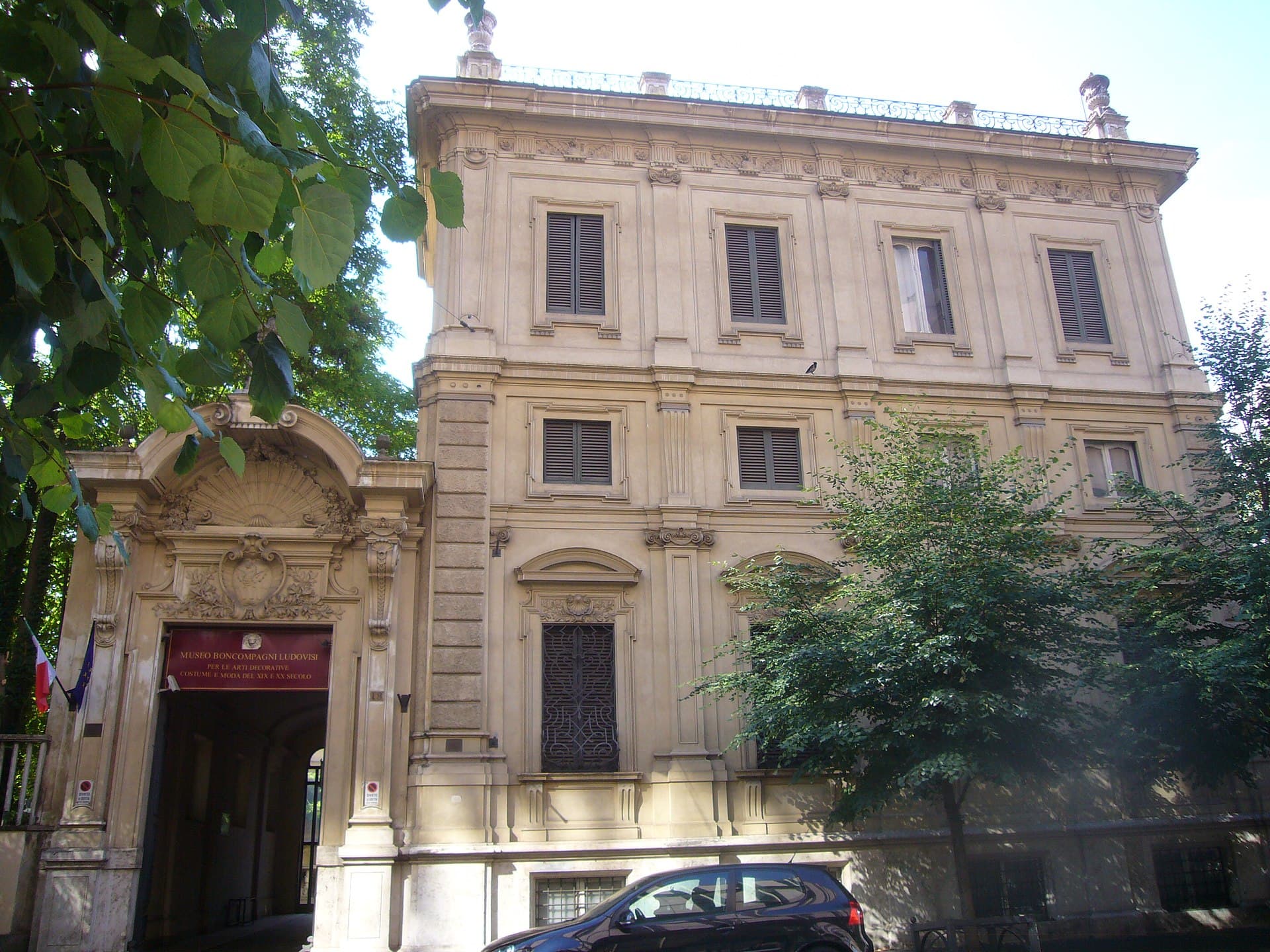 Museo Boncompagni LudovisiRoughly eight hundred pieces of Italian fashion hang in the salons of an aristoc19 minutes walk4.6
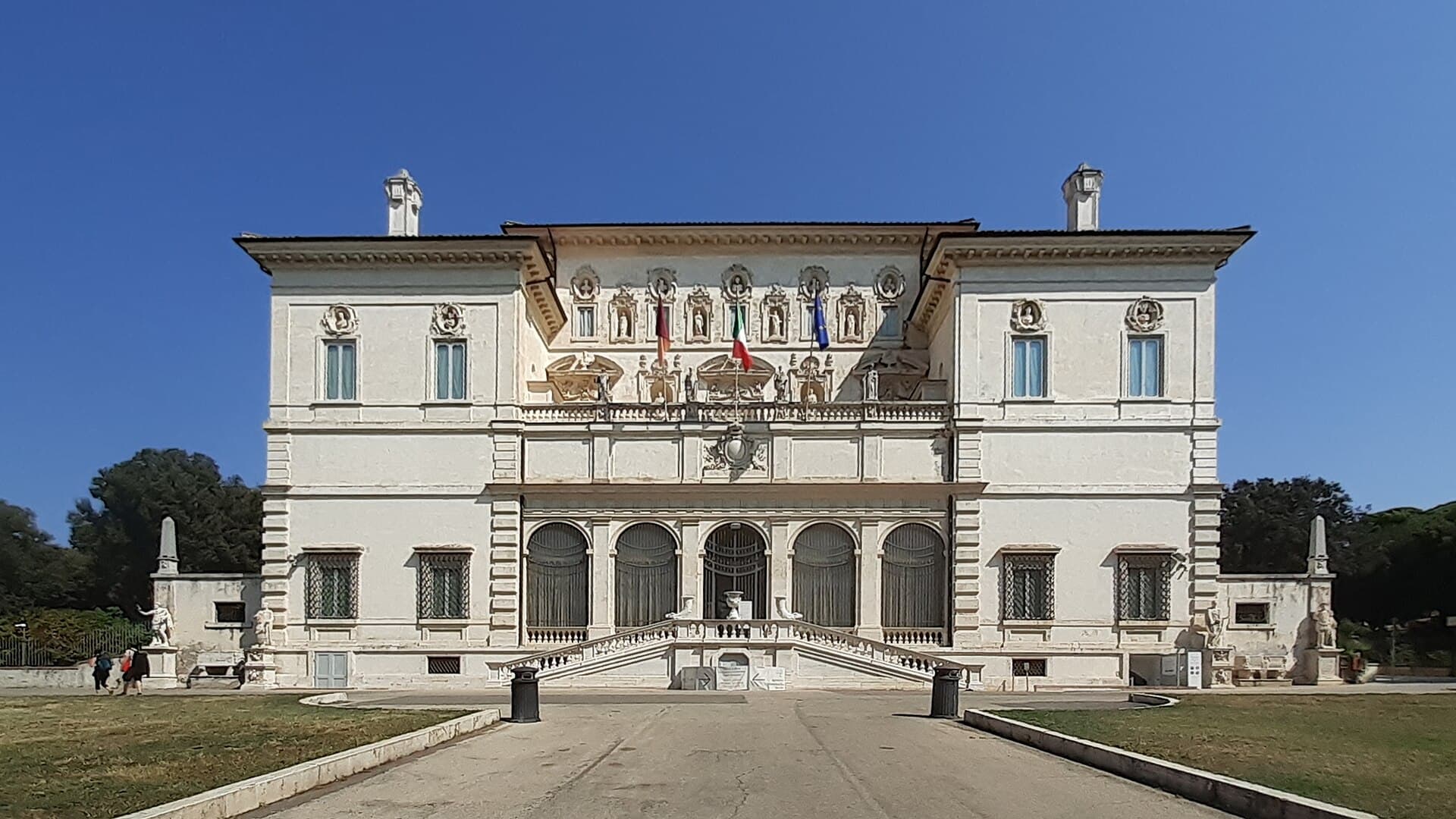 Villa Borghese PincianaThe greatest collection of Baroque sculpture in the world, in a single villa, wi20 minutes walk4.7
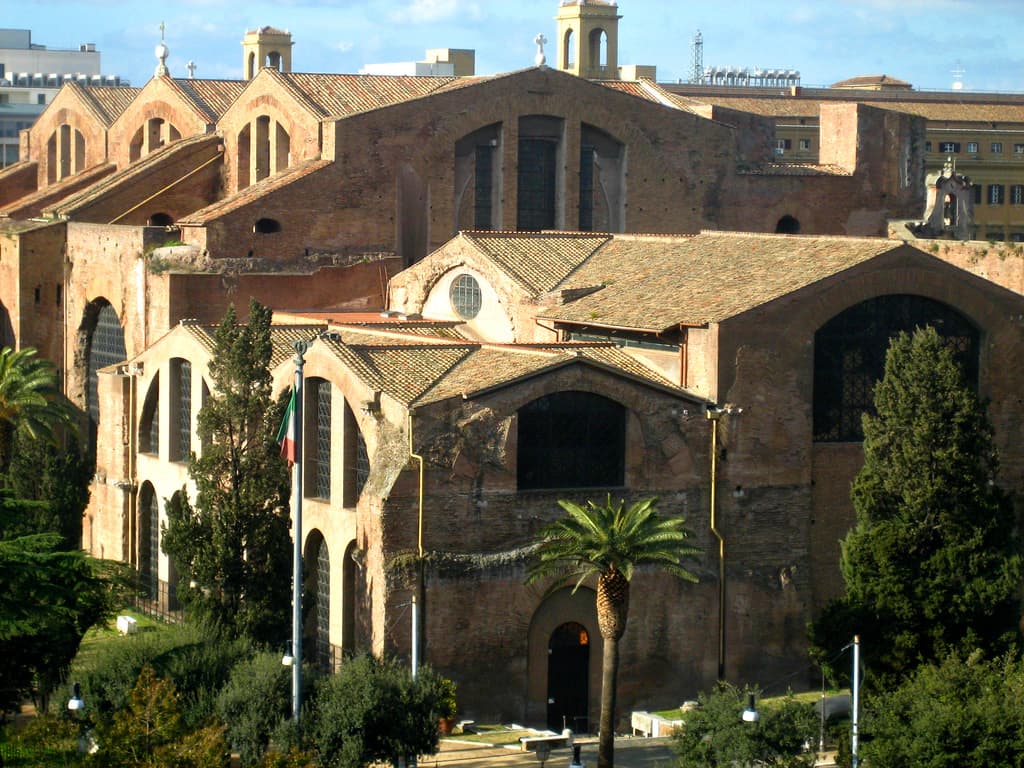 Baths of DiocletianThe largest bath complex the Romans ever built: three thousand bathers at once, 22 minutes walk4.6
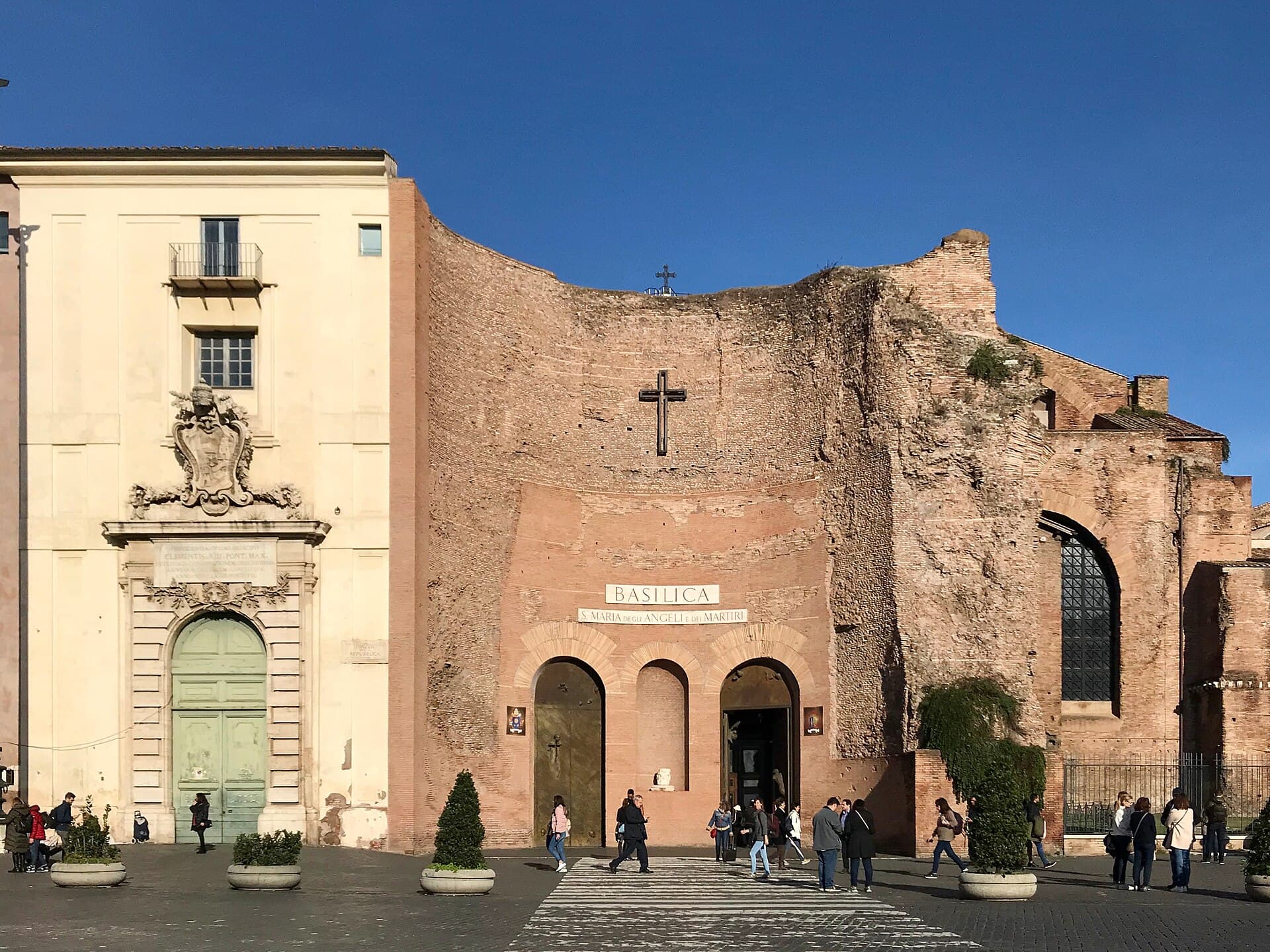 Santa Maria degli Angeli e dei MartiriA church built inside the central hall of the Baths of Diocletian — the largest 23 minutes walk4.8
No. Honestly, if it is your first visit and you have three or four days, skip Villa Torlonia and go to the Colosseum and the Vatican. It becomes an excellent choice on a second trip, or on a day when you and the children need a big free park and a small museum with no queue.
The Jewish catacombs under the villa are closed to visitors and there is no dependable way in, so do not plan around them. The bunker and air-raid shelters can be visited, but only on a guided tour with its own ticket of about 12 euros, booked ahead on the official site because places are few. Tours run in Italian, English, French, Spanish and German, with limited slots in each language, so check before you book.