
Pilies Street
Cafés and markets.
Brian Toward from London, United Kingdom — CC0 · Ypsilon from Finland — CC0 · Andrew Milligan sumo — CC BY 2.0 · domantasm. — CC BY 2.0 · Brian Toward from London, United Kingdom — CC0
The Old Town of Vilnius, Lithuania's capital, is one of the largest surviving medieval old towns in Northern Europe and a UNESCO World Heritage Site. It covers 3.59 square kilometres with 74 quarters, 70 streets and lanes and about 1,500 buildings. It was founded by Grand Duke Jogaila in 1387 under Magdeburg rights and developed over many centuries, shaped by the city's history and changing cultural influences. Europe's great architectural styles, Gothic, Renaissance, Baroque and Neoclassical, stand side by side, with Catholic, Lutheran and Orthodox churches, houses and many museums. Cobbled lanes wind between houses painted yellow, pink and white under red tiled roofs and many towers and domes. From Gediminas Hill or the Hill of Three Crosses the town looks like a sea of red roofs and spires, with the Neris river running alongside. Visitors stroll Pilies Street, the main artery and hub of cafés and street markets, climb to Gediminas Tower for the view, and sit in quiet squares and courtyards. The whole town is walkable, and evenings are lovely when the lanes are lit.
Cafés and markets.
Views.
A sea of tiles.
Old Town, Vilnius, Lithuania
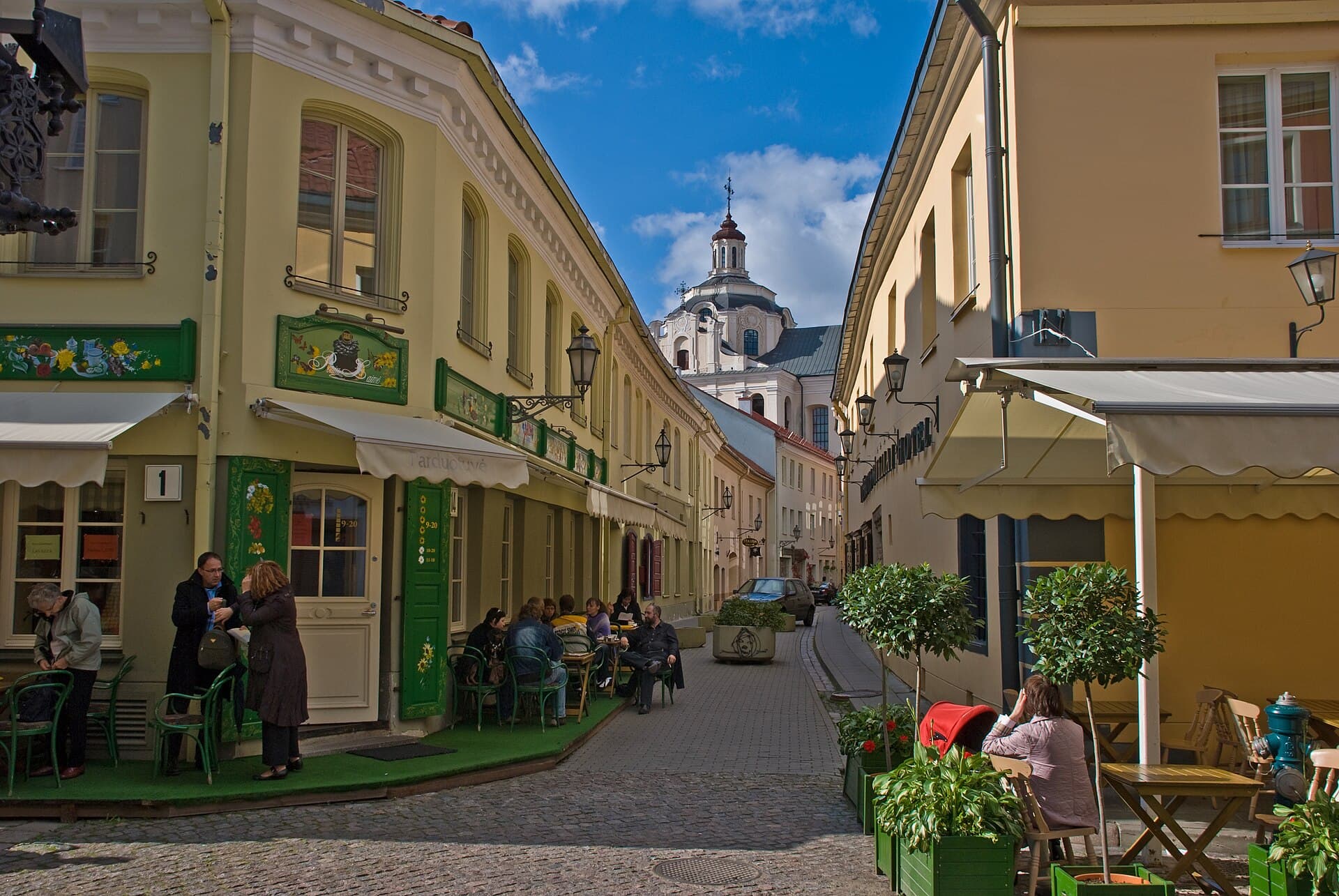 The Glass QuarterA network of narrow lanes in the heart of Vilnius old town, centred on Stiklių s3 minutes walk4.8
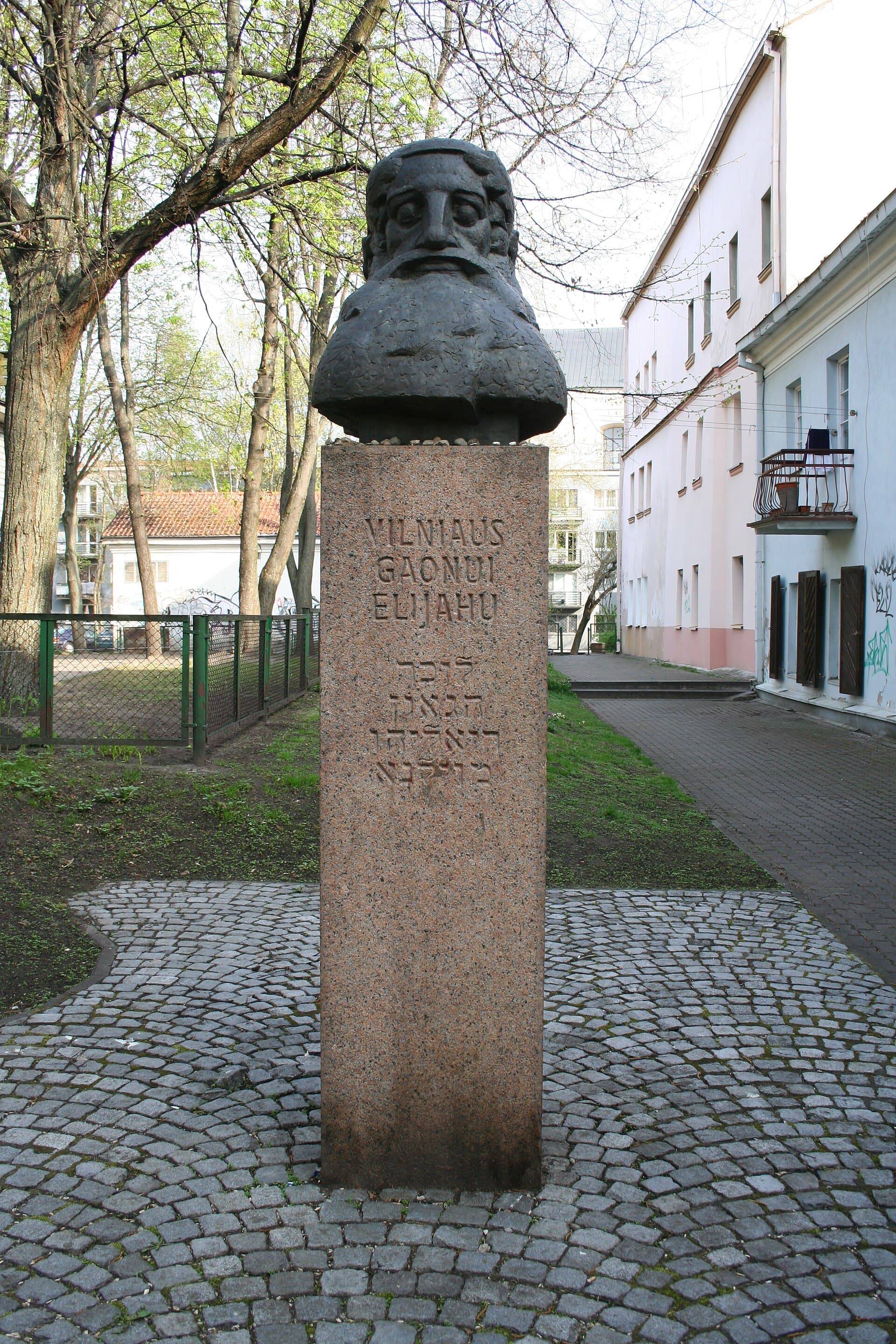 Vilna Gaon MonumentA monument to Elijah ben Solomon Zalman, known as the Vilna Gaon, among the most3 minutes walk4.4
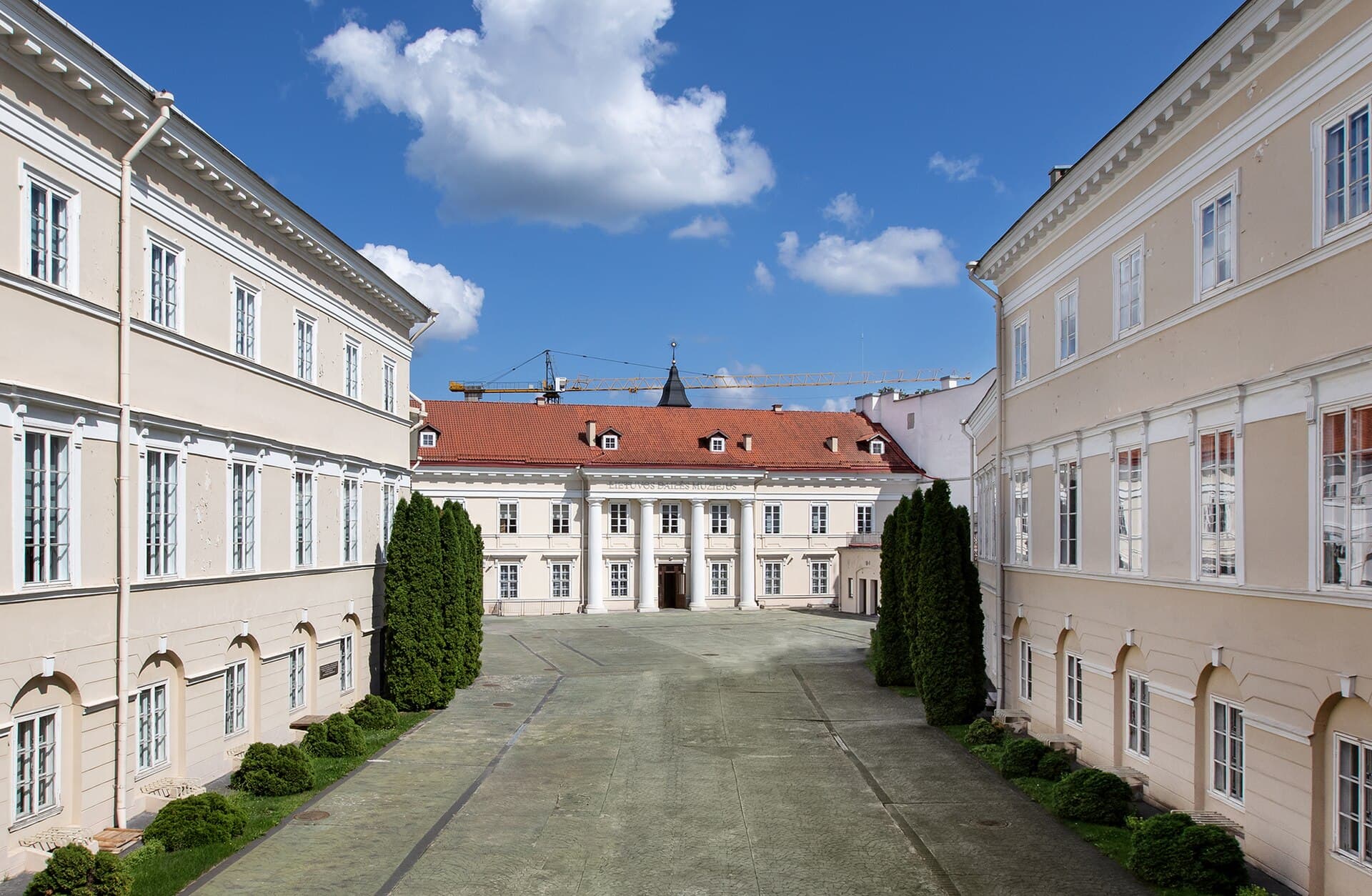 Lithuanian National Museum of ArtA network of museums rather than one building: the Lithuanian National Museum of5 minutes walk4.6
 Bastion of the Vilnius Defensive WallA seventeenth-century artillery bastion, the clearest surviving part of Vilnius'5 minutes walk4.8
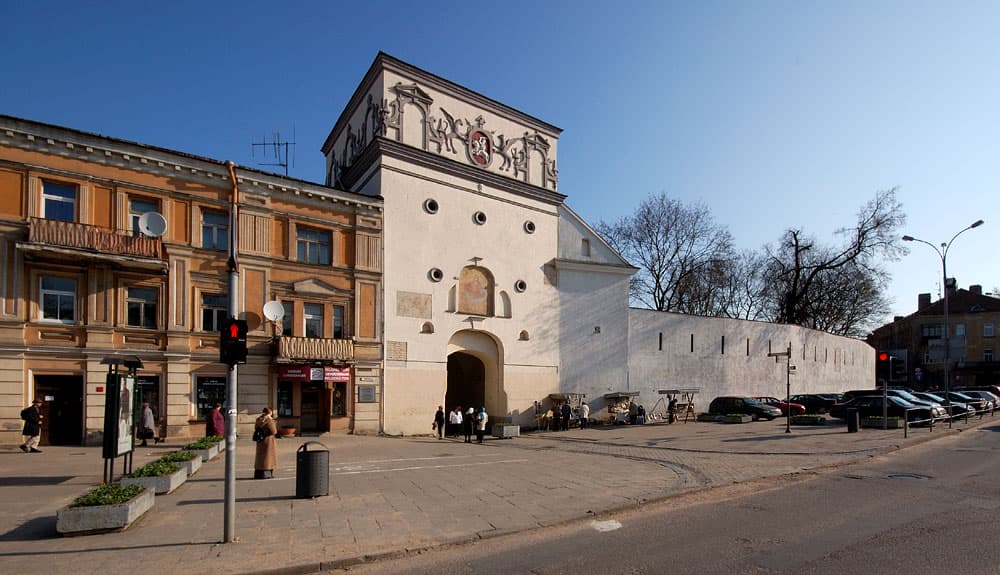 The Gate of DawnThe last of Vilnius's city gates and Lithuania's holiest shrine: the sixteenth-c6 minutes walk4.6
One or two.
May to September.