
The red cottages
The oldest surviving trace of working-class Stockholm.
Unknown authorUnknown author — Public domain · Jssfrk — CC0 · Jssfrk — CC0 · Jssfrk — CC0
Vitabergsparken sits on a rock hill in eastern **Södermalm**, and is among the best things in Stockholm for anyone who wants to see the city as its people live it rather than as it is presented. Its name means the white mountains, from its pale rock. Until the nineteenth century the area was among Stockholm's poorest, covered in small timber cottages lived in by workers. When it was made a park in 1900, **a group of those cottages was left standing** among the trees on the slope — small red timber houses people genuinely still live in, and the oldest surviving trace of working-class Stockholm. At the top of the hill is **Sofia Church** of 1906 in the National Romantic manner, with a view over the whole city around it. The park holds an **open-air theatre** giving free performances in summer, small allotment gardens and a café. **Free and always open**, with a steep slope in places.
The oldest surviving trace of working-class Stockholm.
Free performances on summer evenings.
Vitabergsparken, Södermalm, Stockholm
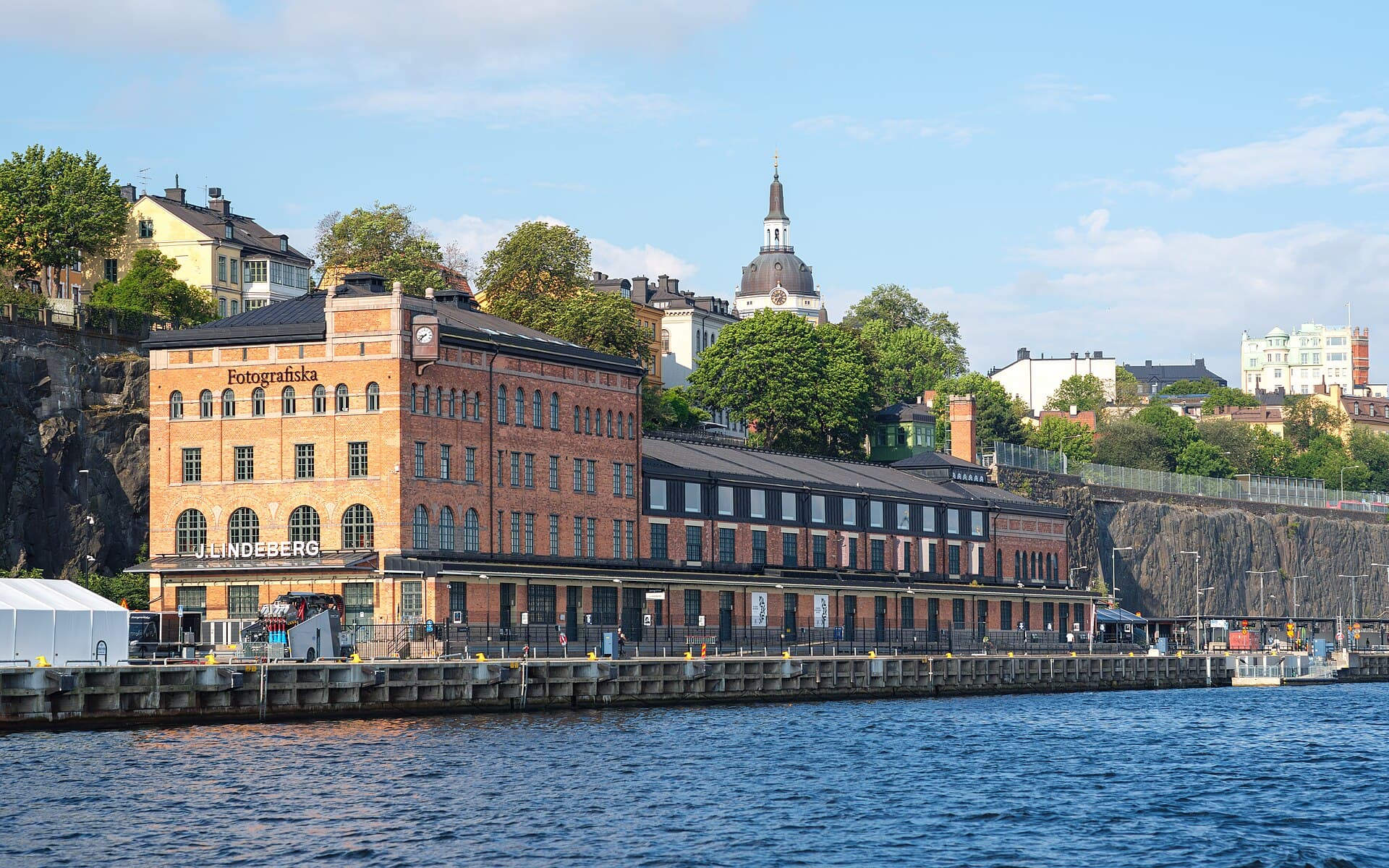 FotografiskaFotografiska is a centre for contemporary photography opened in 2010 inside a 1910 minutes walk4.5
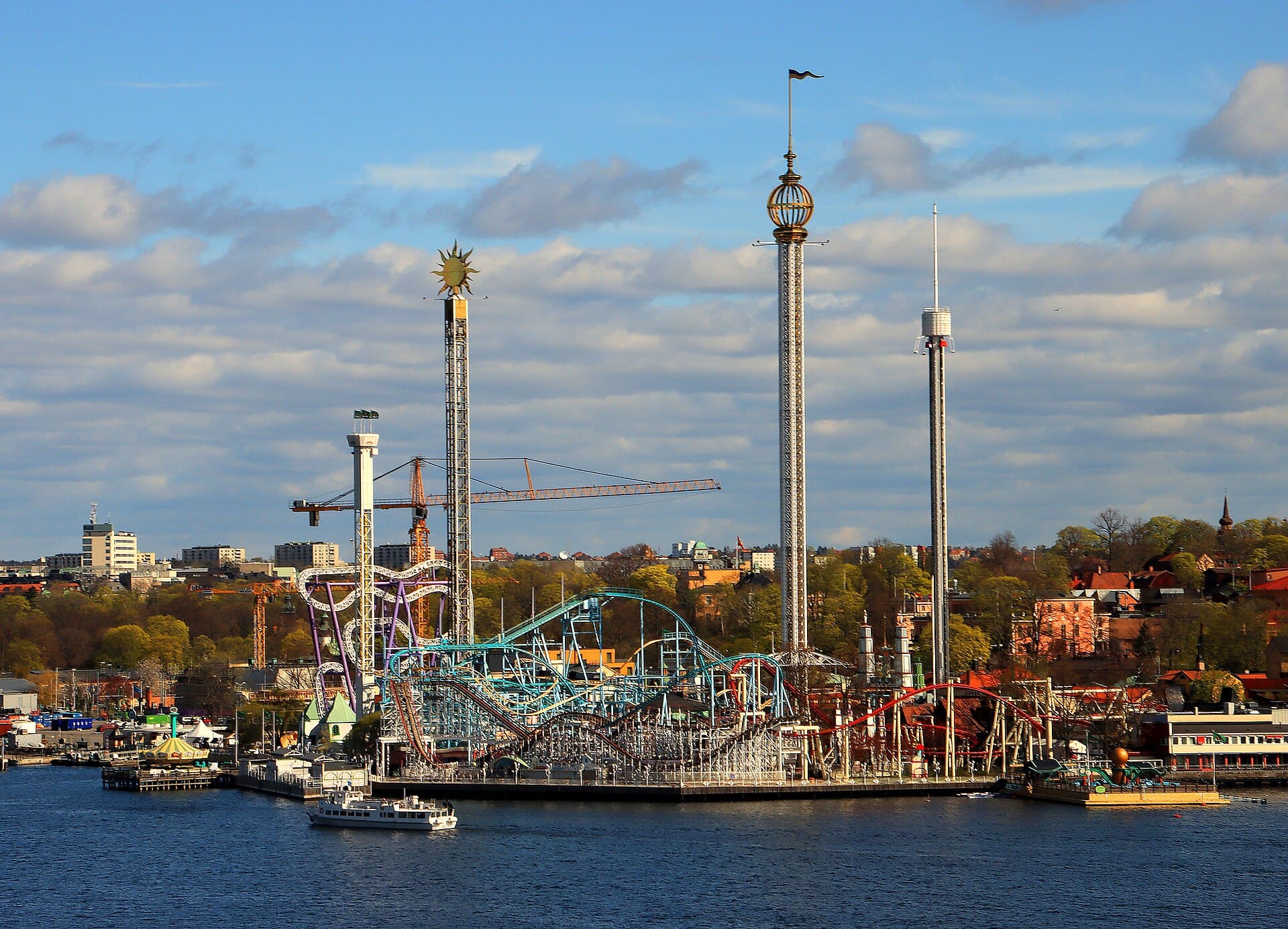 Grona LundGrona Lund is Sweden's oldest amusement park, running since 1883 on a very small17 minutes walk4.3
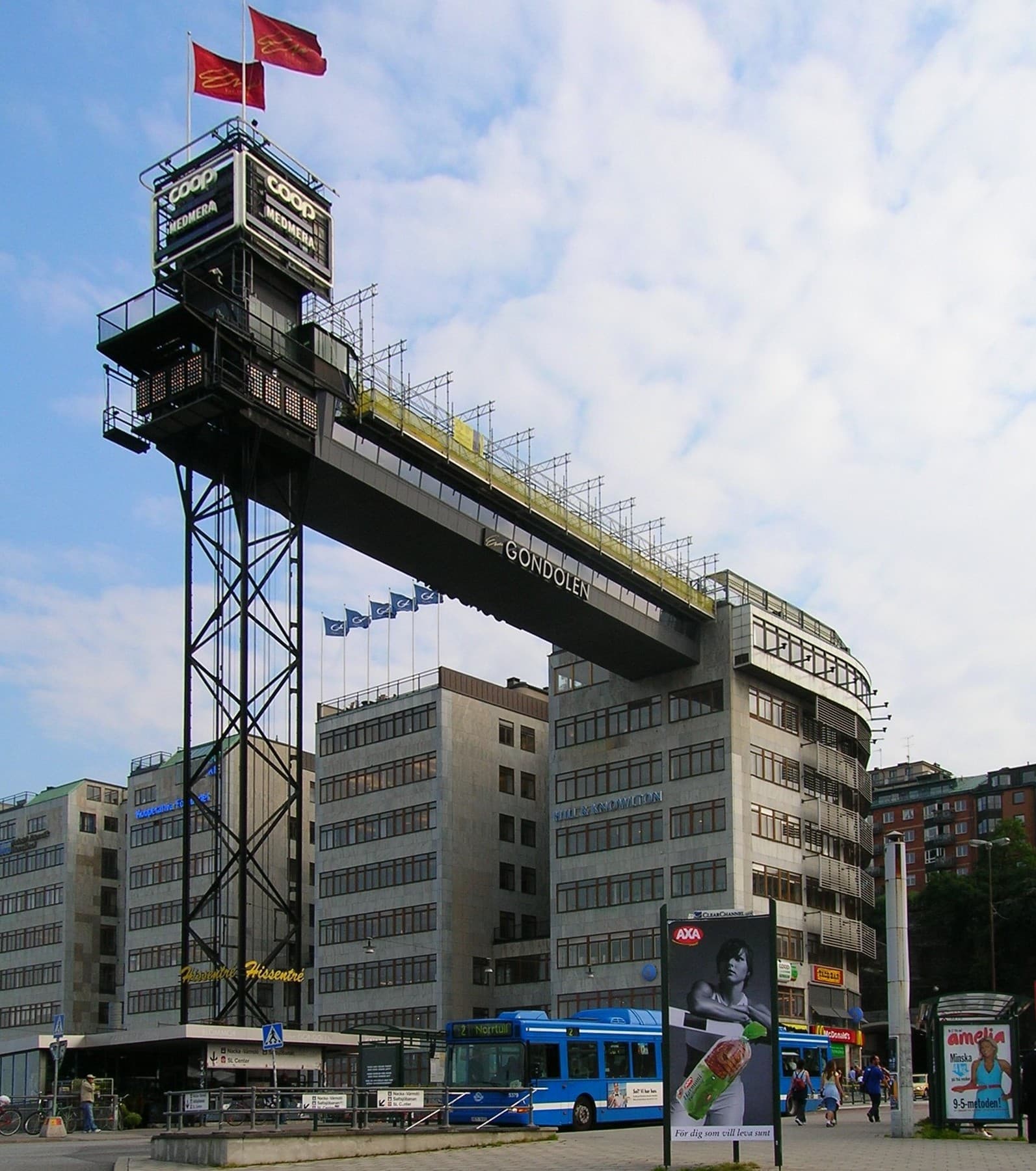 The Katarina ElevatorThe Katarina Elevator is an iron lift connecting Slussen harbour below with the 17 minutes walk4.6
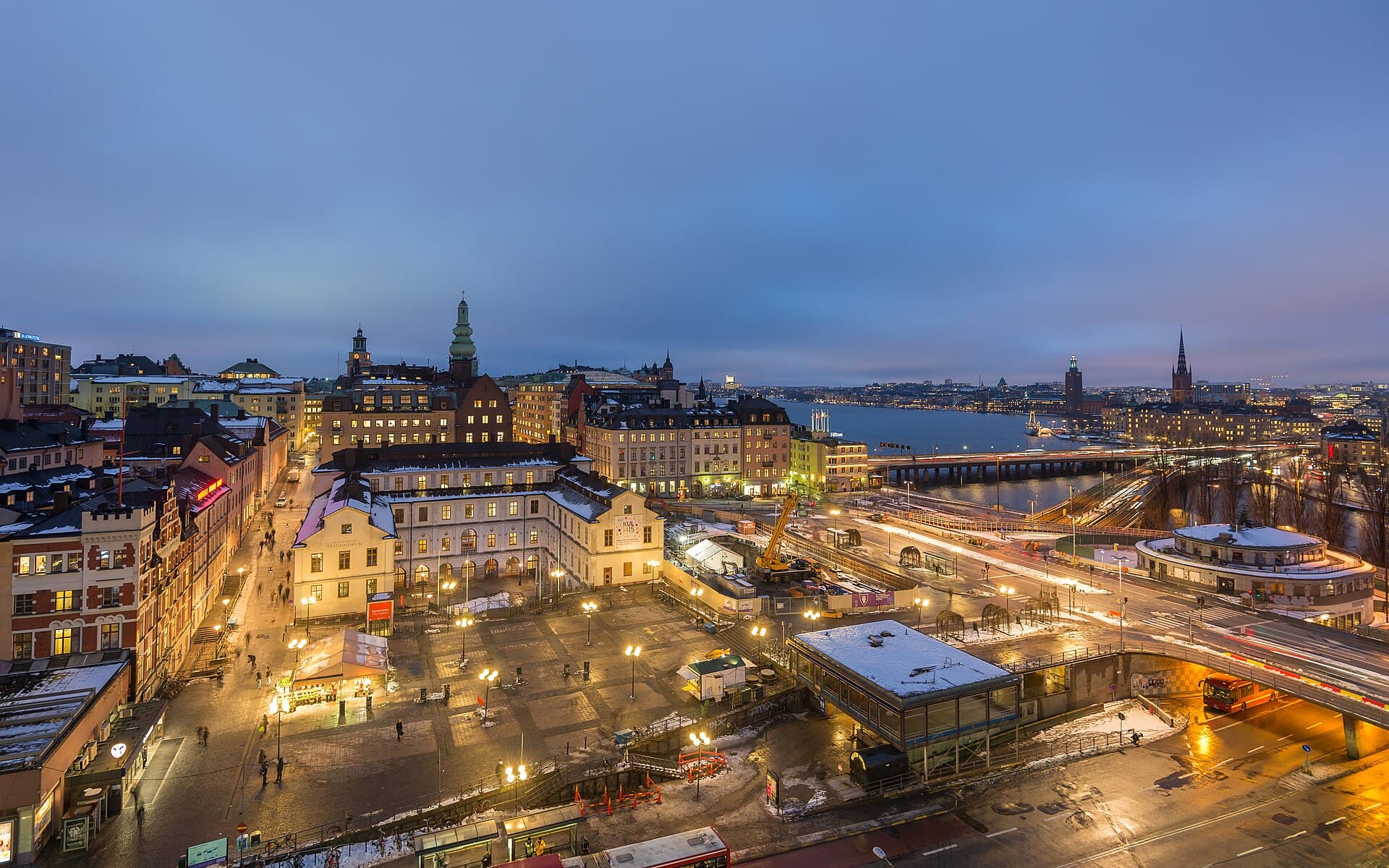 The Stockholm City MuseumThe Stockholm City Museum occupies a seventeenth-century building at the foot of18 minutes walk4.6
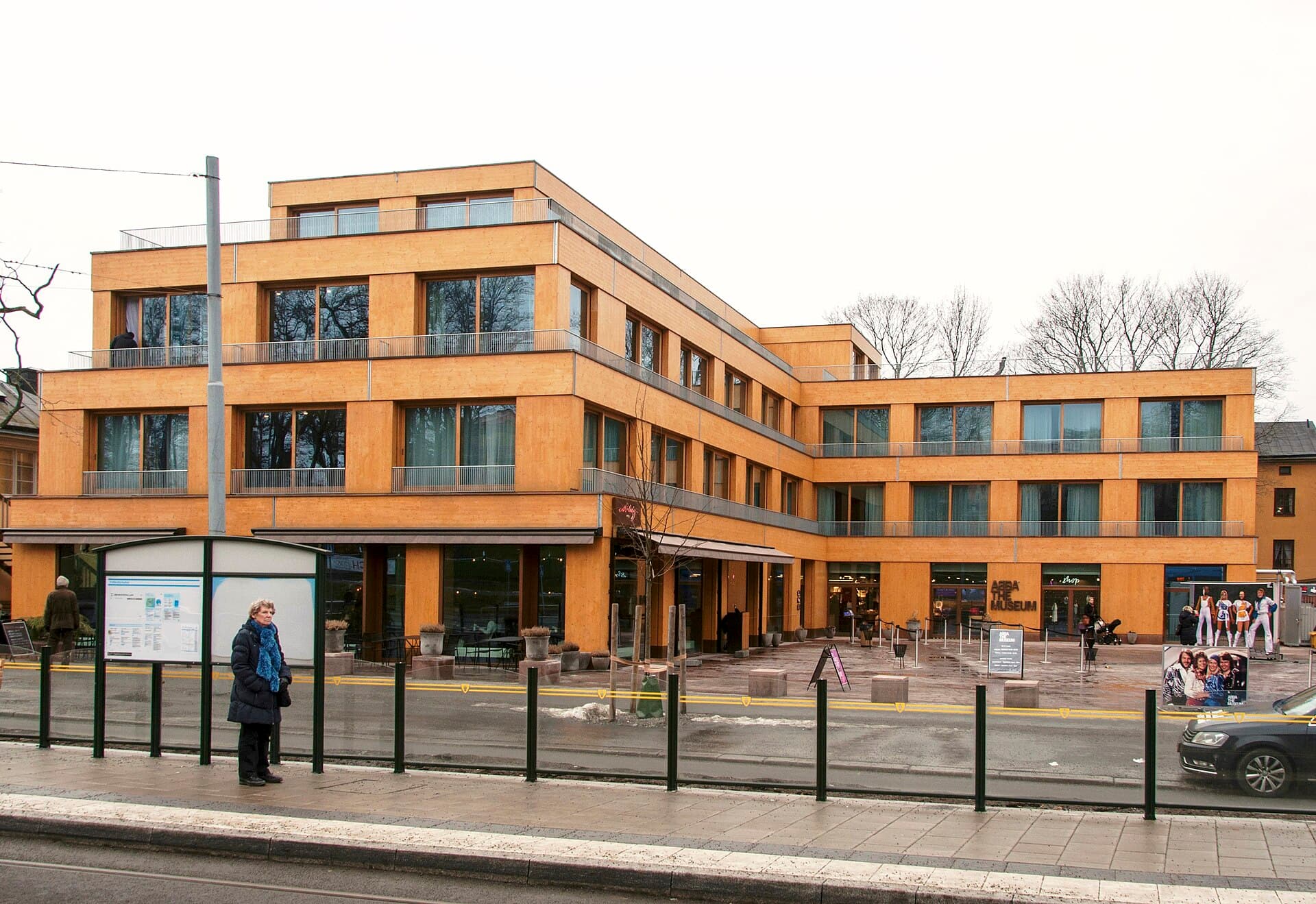 ABBA The MuseumABBA The Museum is devoted to the most successful band Sweden has ever produced,20 minutes walk4.6
Stockholm's southern island, working-class and poor until the mid-twentieth century and now the city's liveliest district: cafés, second-hand clothes shops, small galleries and restaurants cheaper than the centre. Three things are the best of it: the **view** from its northern edge at Monteliusvägen over the old town and the water — the most famous view in Stockholm, and free; the **streets** around SoFo and Mariaberget; and the **parks** like Vitaberget. It is ten minutes' walk from Gamla Stan, or reached by the Katarina lift.