
The rampart walk
A raised path circling the fortress above the Vltava bend and Prague's bridges — the finest free view in the entire city.
Tilman2007 — CC BY-SA 4.0 · Андрей Бобровский — CC BY 3.0 · Tilman2007 — CC BY-SA 4.0 · Tilman2007 — CC BY-SA 4.0
If Prague Castle is the seat of power, Vyšehrad is the seat of legend. The fortress stands on a high rock south of the centre above a bend in the Vltava, and the Czech founding story has Princess Libuše standing here and prophesying a city "whose glory will touch the stars" — which became Prague. History is quieter than the legend: Vyšehrad was a royal seat in the 11th century, lost its standing to the other castle, and was later rebuilt as a Baroque military fortress, whose massive ramparts you now walk along. What sets it apart from Prague's other sights is that it is not a crowded monument but a walled park that locals themselves use: families on the grass, students reading on the walls, walkers on the path that looks down over the river, the bridges and the city's roofs. Entry to the grounds, ramparts and gardens is entirely free, at any hour. At its centre is the church of Saints Peter and Paul, neo-Gothic with two striped spires, and beside it the Slavín cemetery, where the great Czechs lie: the composers Antonín Dvořák and Bedřich Smetana, the painter Alphonse Mucha, the writer Karel Čapek. Come in late afternoon — golden light on the river from those ramparts is the calmest view in Prague.
A raised path circling the fortress above the Vltava bend and Prague's bridges — the finest free view in the entire city.
Resting place of Dvořák, Smetana, Mucha and Čapek, with headstones by major sculptors — a cemetery that reads as an open-air gallery.
Two striped spires visible from far off, and an interior painted wall to wall with coloured Secession-style plant ornament.
A small round 11th-century church, among the oldest standing buildings in Prague, and almost entirely overlooked.
V Pevnosti 159/5b, Prague 2 — Vyšehrad
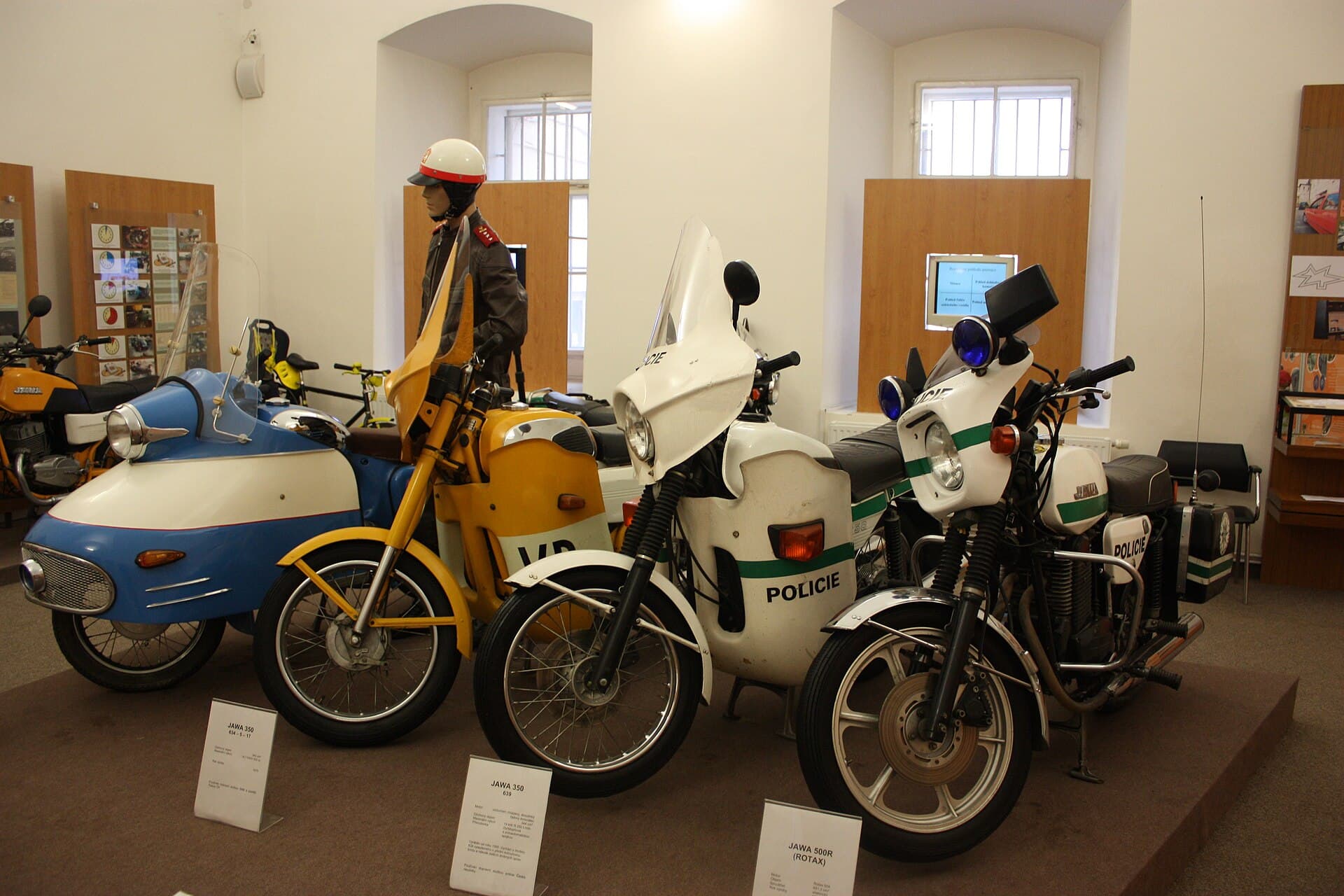 Czech Police MuseumA police history museum in the former Karlov monastery south of the New Town, an12 minutes walk4.7
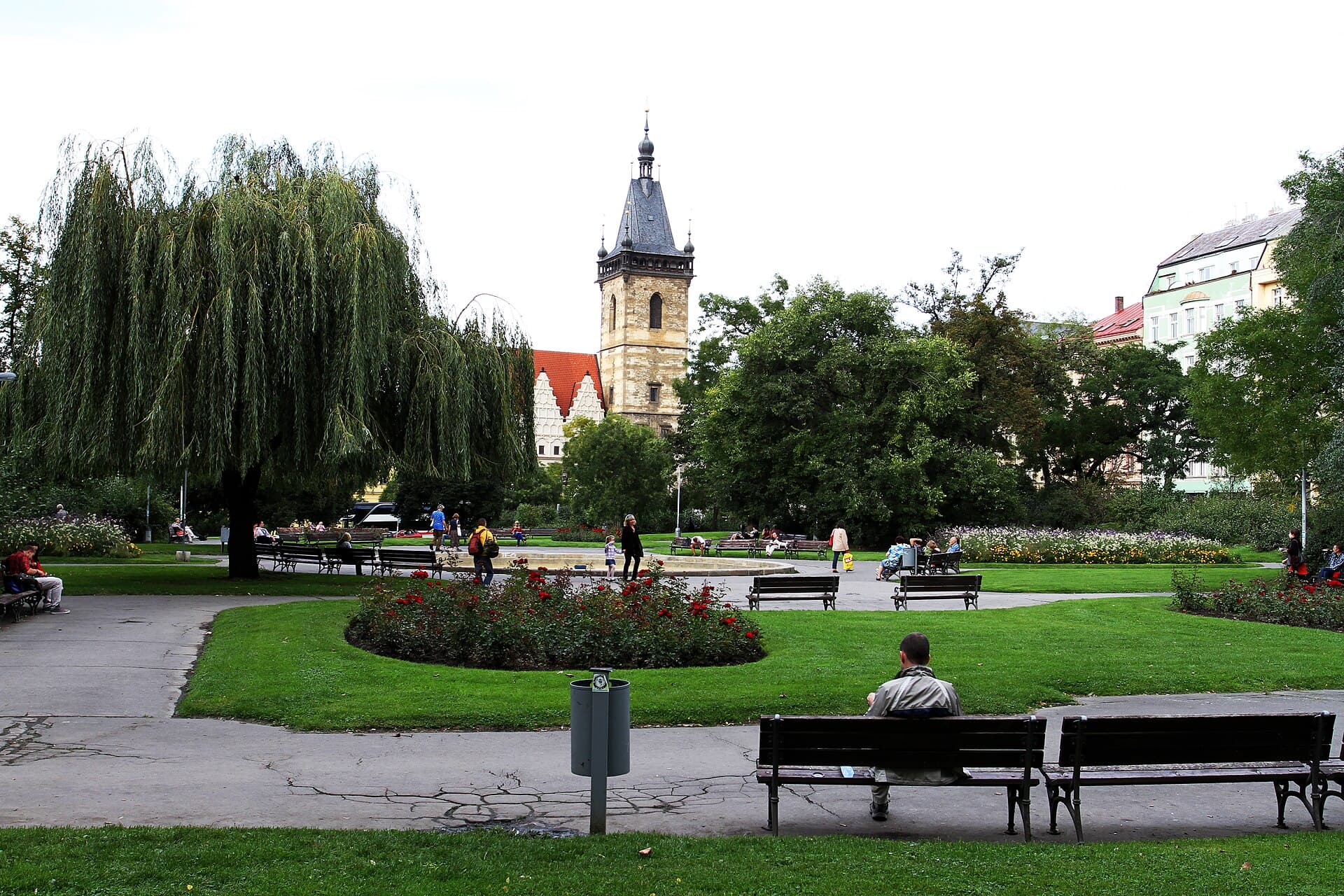 Charles SquarePrague's largest square and among the largest in Europe by area, laid out by Emp14 minutes walk4.4
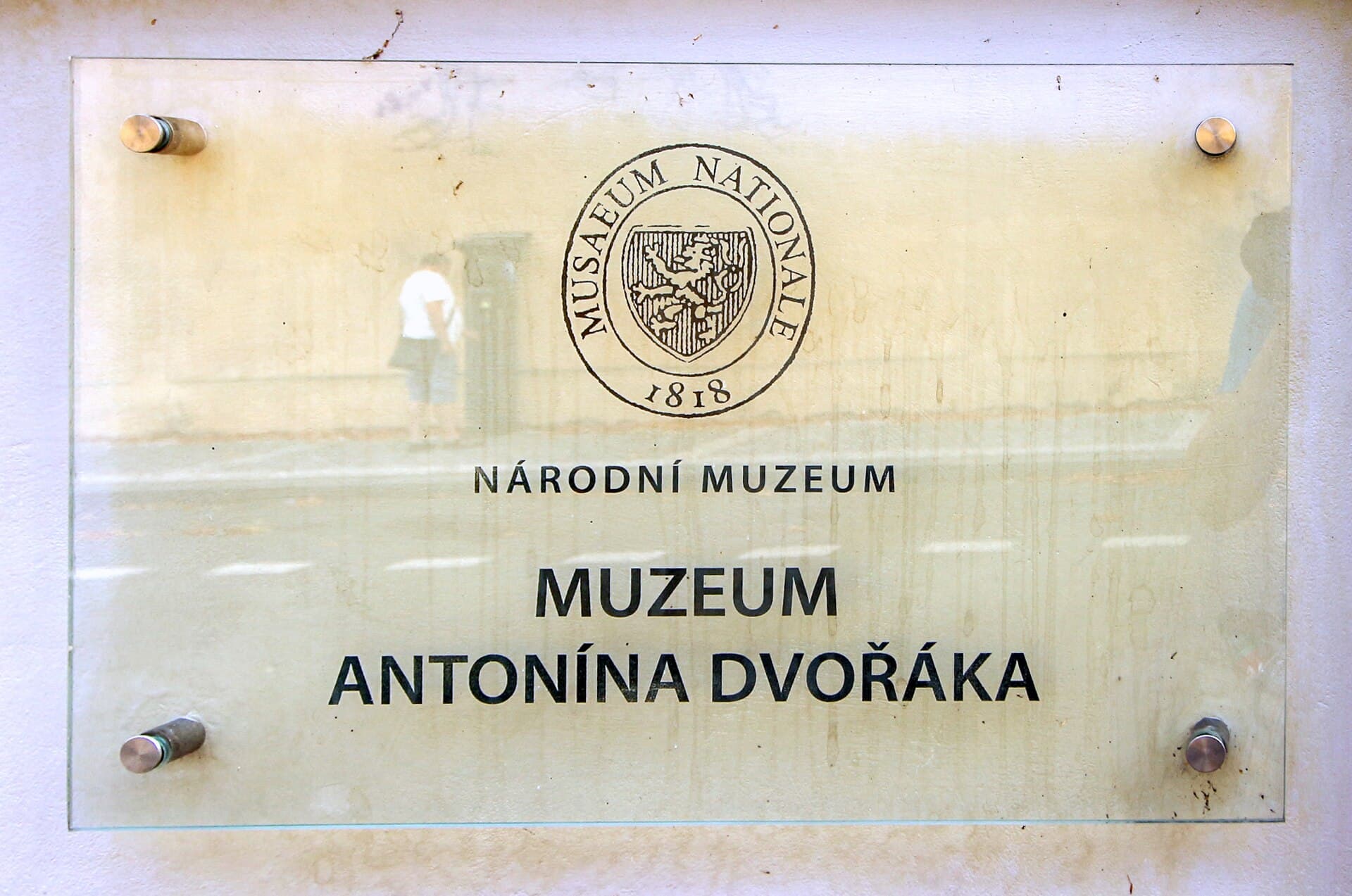 Antonín Dvořák MuseumA museum devoted to the Czech composer Antonín Dvořák, in a small eighteenth-cen15 minutes walk4.6
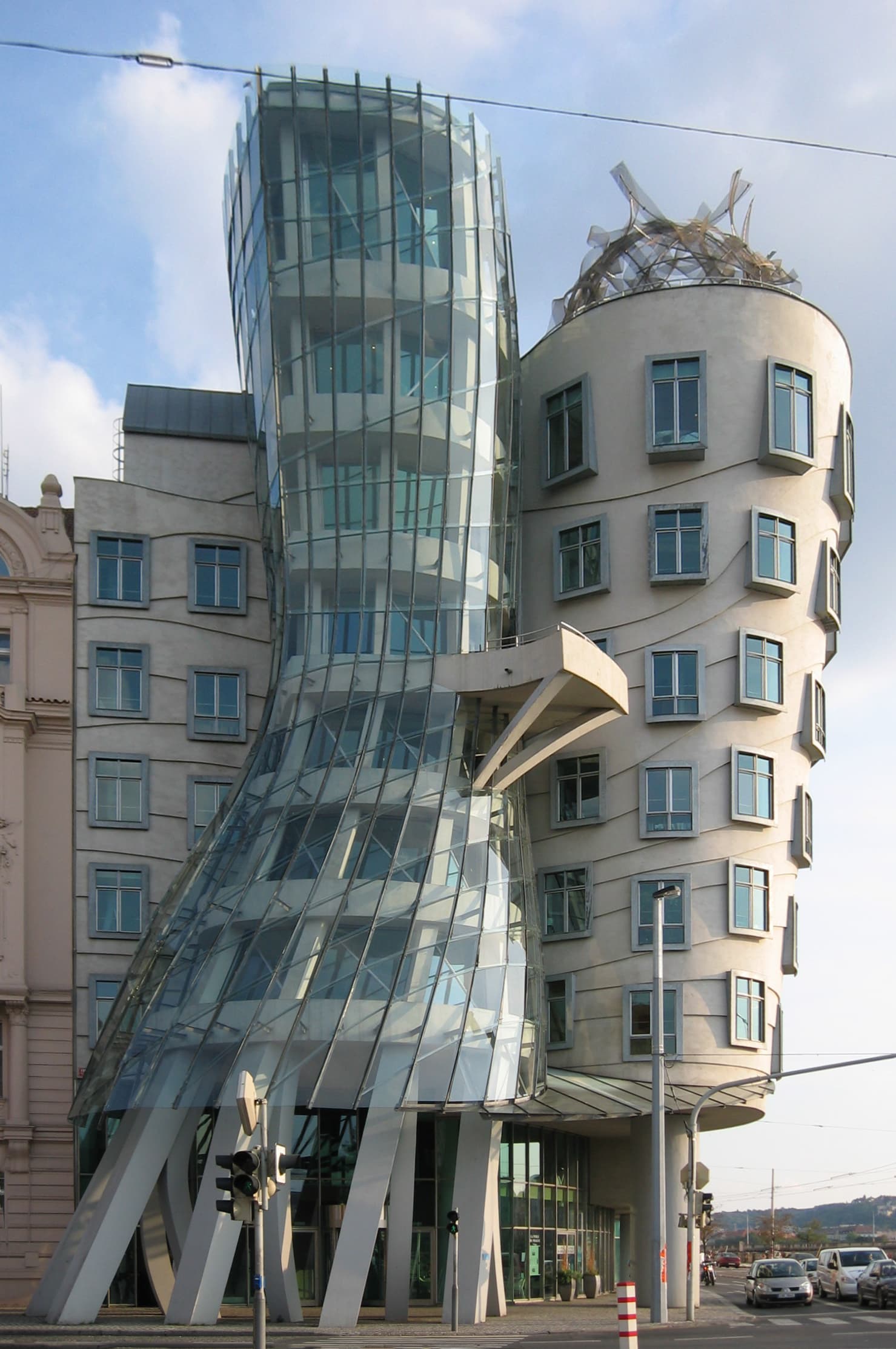 Dancing HouseIn a row of sober stone buildings along the Vltava stands one that appears to sw16 minutes walk4.2
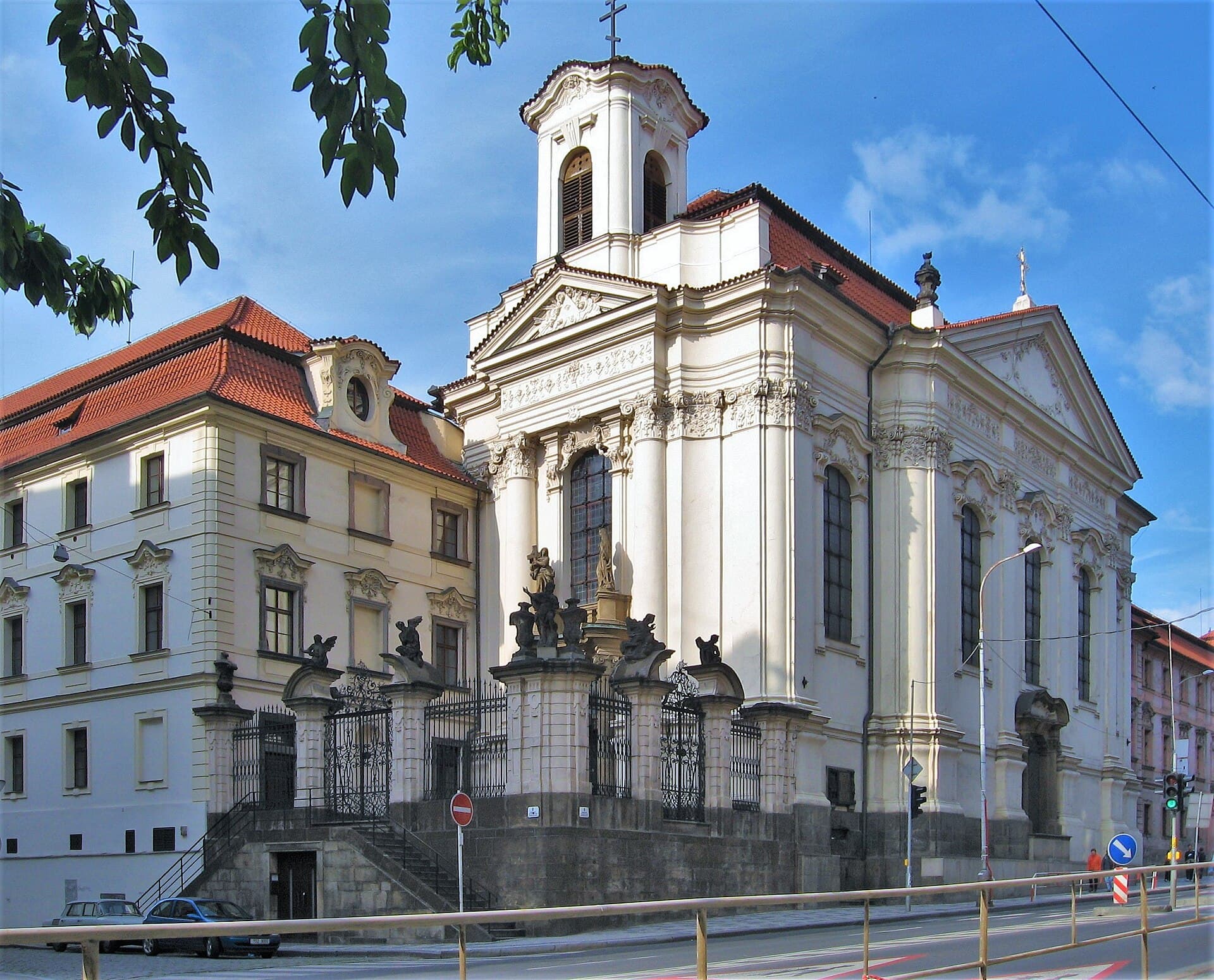 Ss. Cyril and Methodius CathedralThe Cathedral of Saints Cyril and Methodius is a quiet Baroque Orthodox church i16 minutes walk4.9
Yes, and it is a completely different experience: the castle is a crowded museum, Vyšehrad a quiet park locals use. With three days in Prague, make this your third afternoon — it stays relatively empty even in August.
The nicest route is down the steps from the north gate to the embankment and then north along the Náplavka riverside towards the Dancing House — about half an hour, all beside the water.
It is among Prague's best family spots: wide lawns, a playground, level paths that suit strollers, no tickets and no queues. Bring a light picnic and make it a whole afternoon.
A figure from the Czech founding legends: a ruler and seer who, the story says, stood on the Vyšehrad rock and foretold a great city. There is no historical evidence for her, yet she runs through Czech opera, sculpture and literature, and her statues stand in the fortress gardens.