
The sewer passage
You bend as they crawled beneath the city.
Adrian Grycuk — CC BY 3.0 pl · Roman Eugeniusz — CC BY-SA 3.0 · Roman Eugeniusz — CC BY-SA 3.0 · Roman Eugeniusz — CC BY-SA 3.0
The Uprising Museum is Warsaw's beating wounded heart: opened on the sixtieth anniversary (2004) inside an old tram power station to tell the 63 days the city fought alone (August-October 1944) — Europe's largest underground army's rising, ended with 200,000 dead and the city's destruction as punishment. The display is immersion itself: a heart beating audibly through the floors, a sewer passage that bends you as the fighters crawled, a full-size Liberator bomber hung overhead, and the City of Ruins film — a 3D flight over levelled Warsaw 1945 — the six most powerful minutes in Polish museums, with the memory wall of thousands of names and its tolling pulse. It is Warsaw's counterpart to Schindler's Factory: history as emotion under documentary discipline — its audience Poland's own young before the tourists. The viewing tower overlooks Wola — and weigh it as in Krakow: schedule no light evening after.
You bend as they crawled beneath the city.
The supply bomber full-size overhead.
Grzybowska 79, 00-844 Warsaw
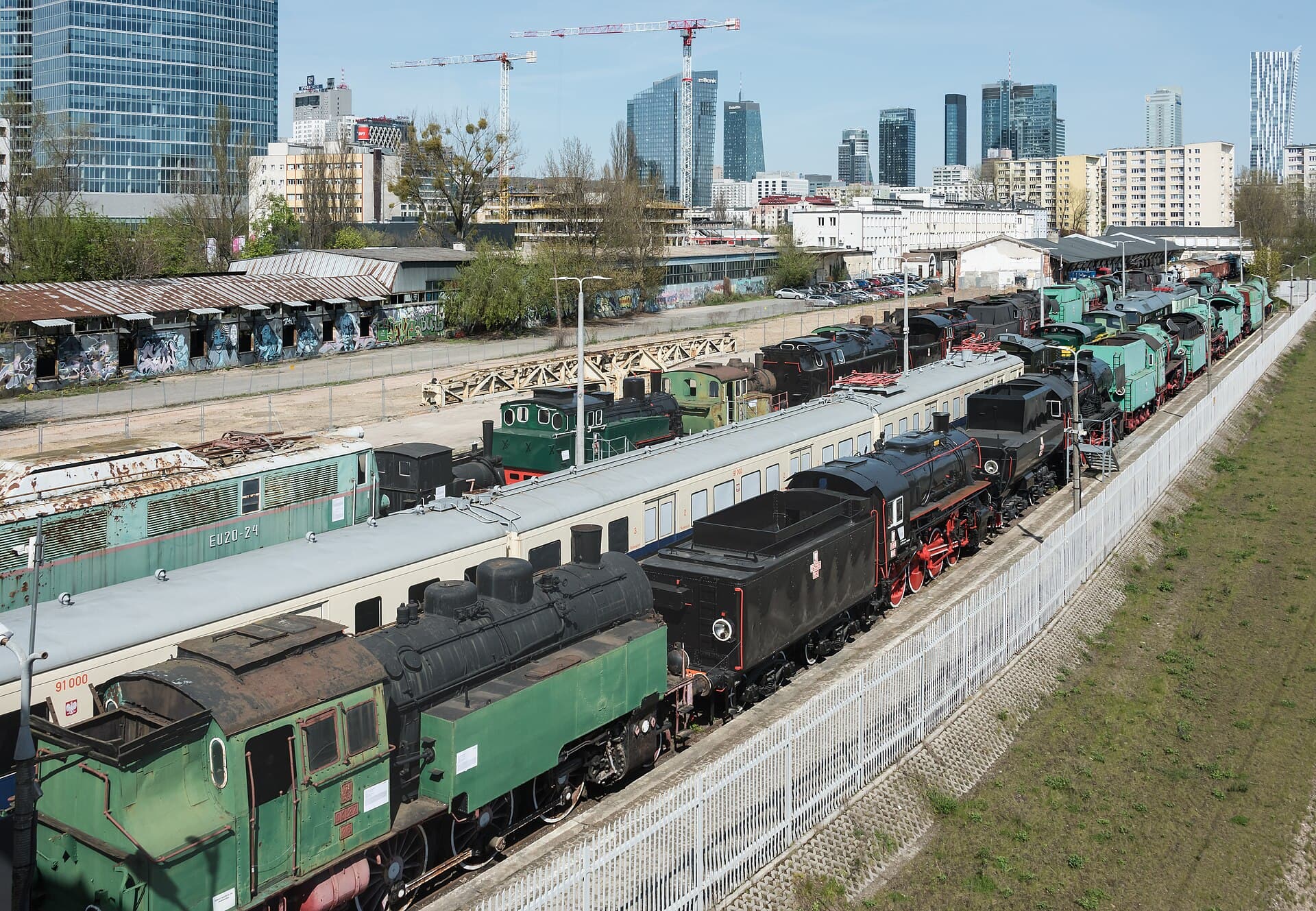 Warsaw Railway MuseumThe Polish railway museum on the grounds of the former Warszawa Główna station, 10 minutes walk4.7The Invisible ExhibitionAn exhibition in Warsaw whose entire tour takes place in total darkness, led by 14 minutes walk4.7
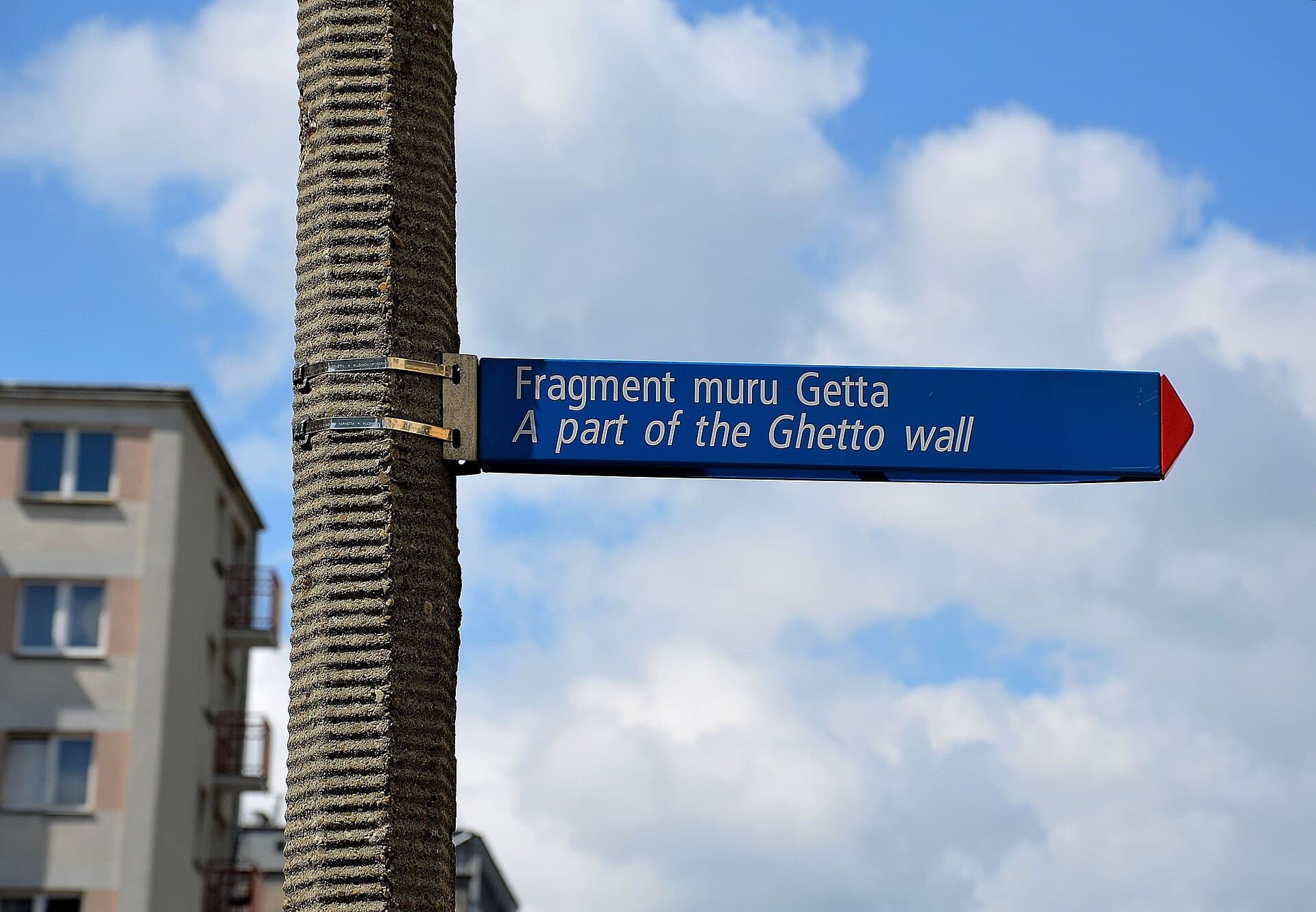 The Remains of the Warsaw Ghetto WallAn original section of the Warsaw ghetto wall, preserved in an inner courtyard b16 minutes walk4.2
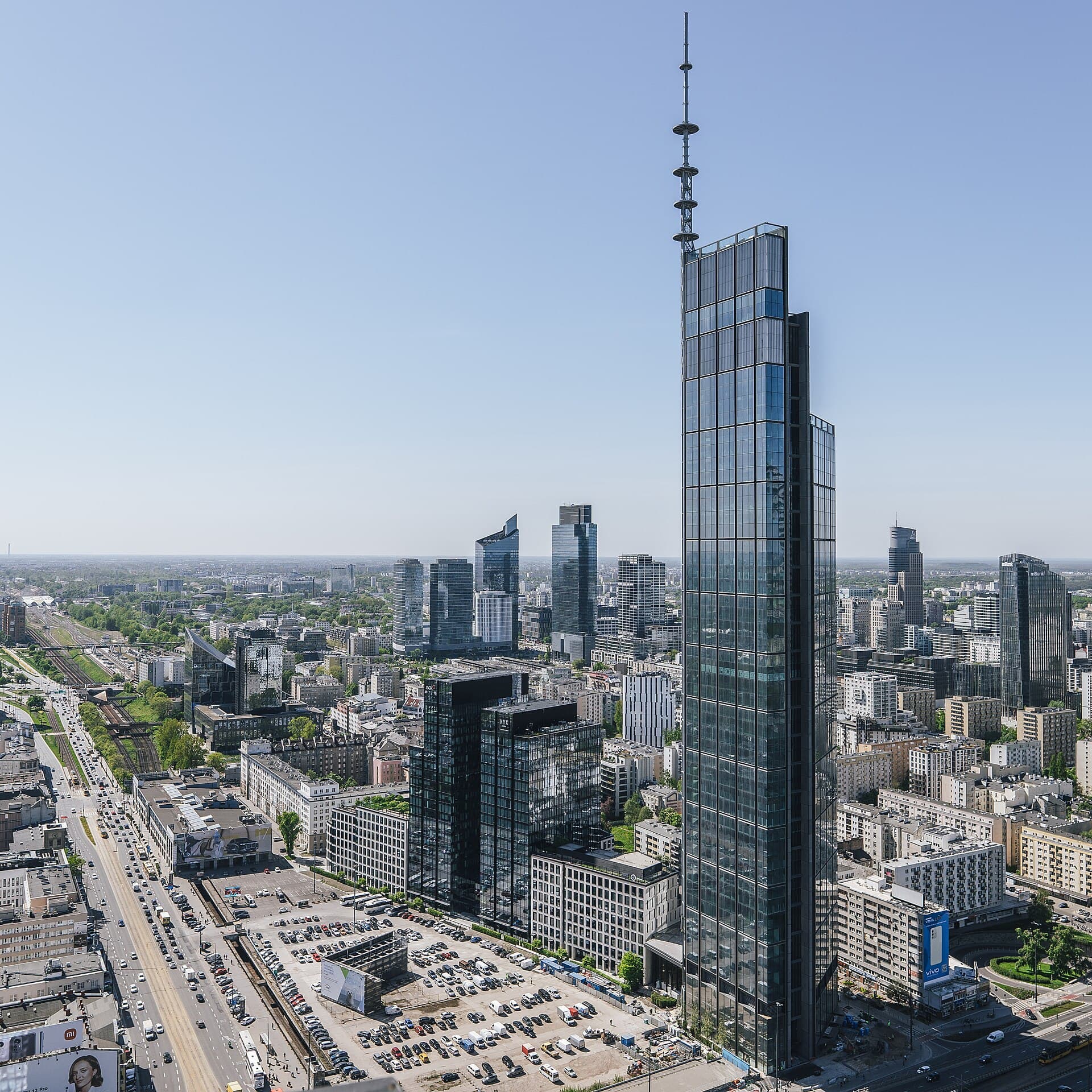 Varso TowerThe tallest building in the European Union at three hundred and ten metres inclu18 minutes walk4.6
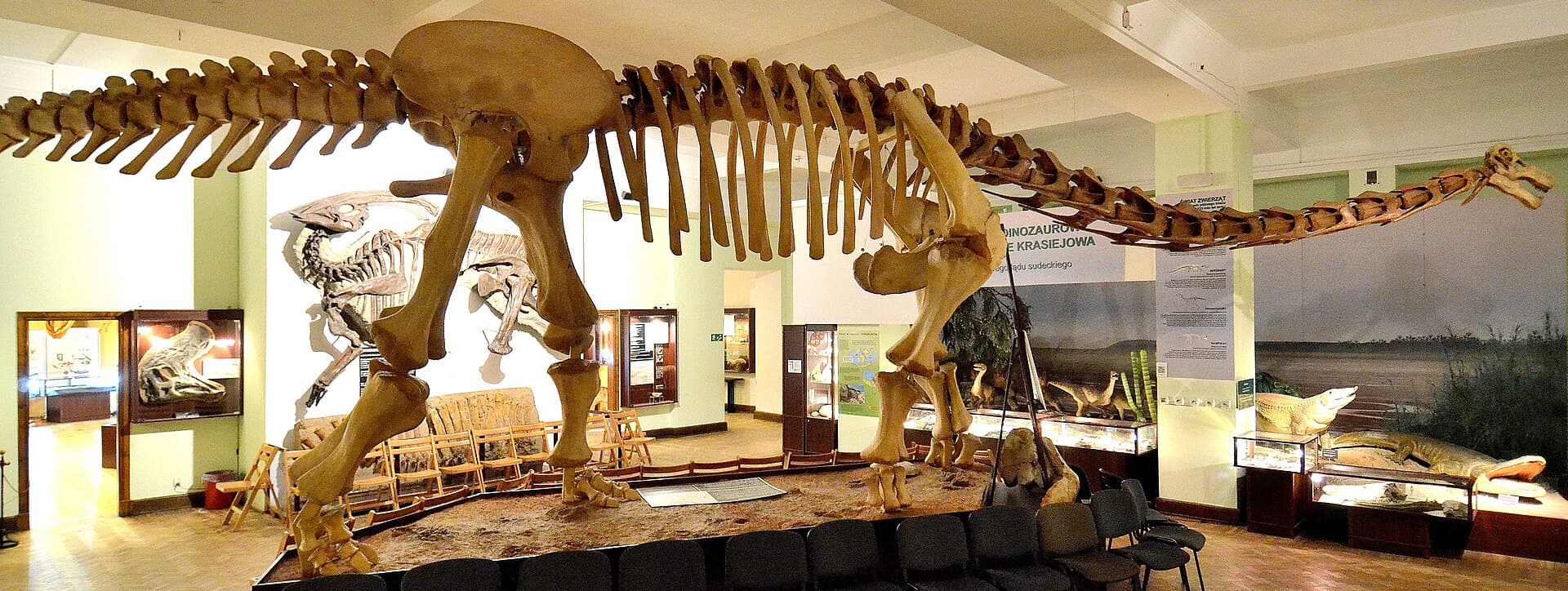 The Museum of EvolutionA palaeontology museum belonging to the Institute of Paleobiology of the Polish 21 minutes walk4.3
Two are often confused: the Ghetto Uprising (April 1943) — the ghetto's Jews, condemned to extermination, choosing to die fighting, told by POLIN and the ghetto memorials — and the Warsaw Uprising (August 1944) — the whole city and its underground army against the occupation, told by this museum. Two years apart, two tragedies — the city honouring each deliberately alone.