
An economical, clever solution
One tower instead of two — and the resulting form is unique.
A late nineteenth-century water tower on the Maas bank in the Mallegat area, combining two functions in one building: a water reservoir and a chimney. This combination is unusual and is the reason for the building's fame. The station needed a tall chimney to vent the smoke of its steam pumps, and a raised reservoir to generate water pressure. Instead of building two towers, one was built: the chimney runs through its core and the reservoir surrounds it as a collar. The solution is economical and clever, and it left a form unlike any other water tower. Rotterdam depended on stations like this because it is a city at roughly sea level, where water is a permanent engineering problem: it does not flow away on its own but is pumped, lifted and drained. The building is protected as a national monument, is no longer in service, and is seen from outside on a riverside walk.
One tower instead of two — and the resulting form is unique.
Water in Rotterdam is pumped, lifted and drained; it does not flow away.
Officially protected despite being out of service.
Mallegat, south-east Rotterdam
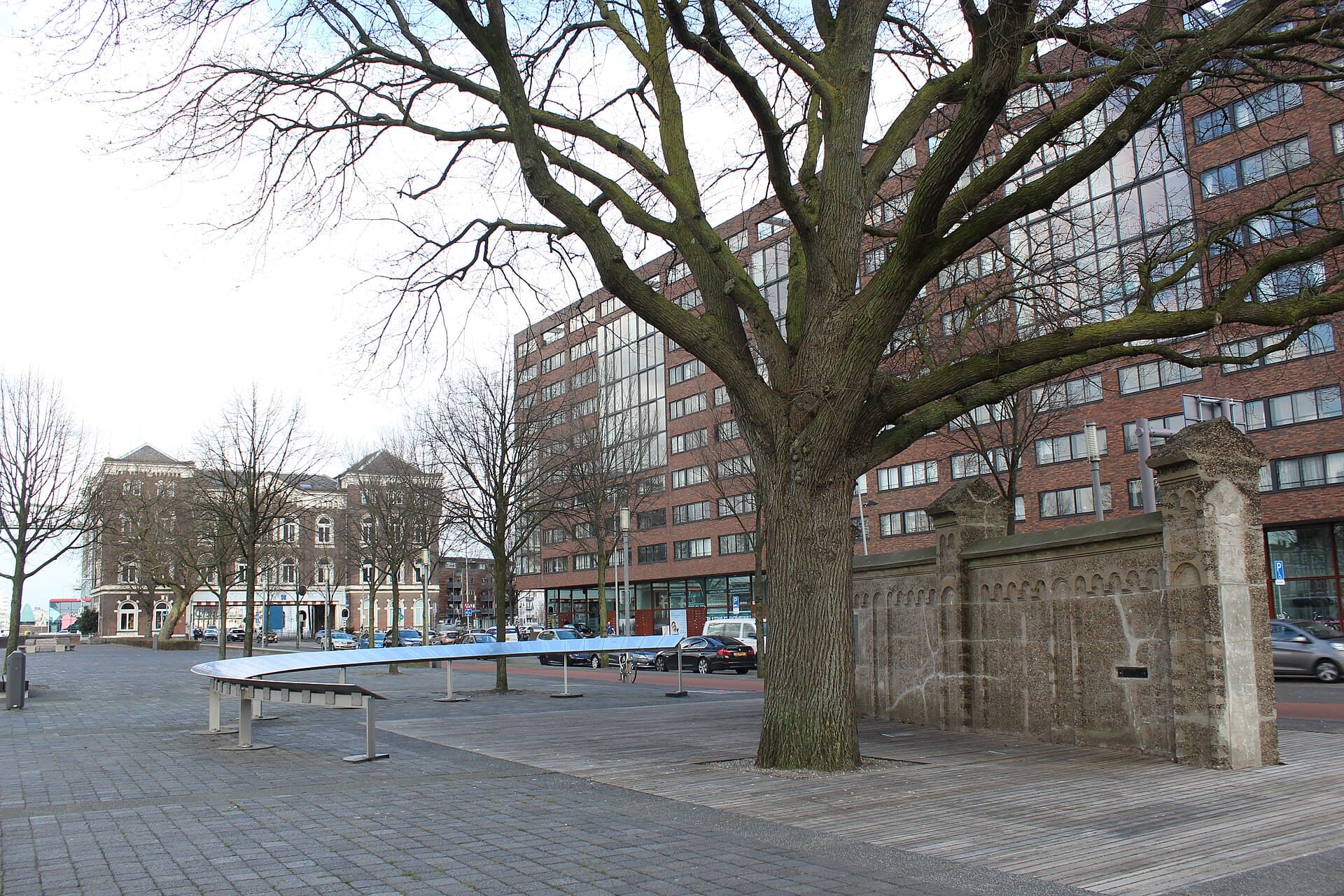 The Loods 24 MemorialA memorial in Rotterdam on the site of a dockside warehouse used in 1942 as the 16 minutes walk3.8
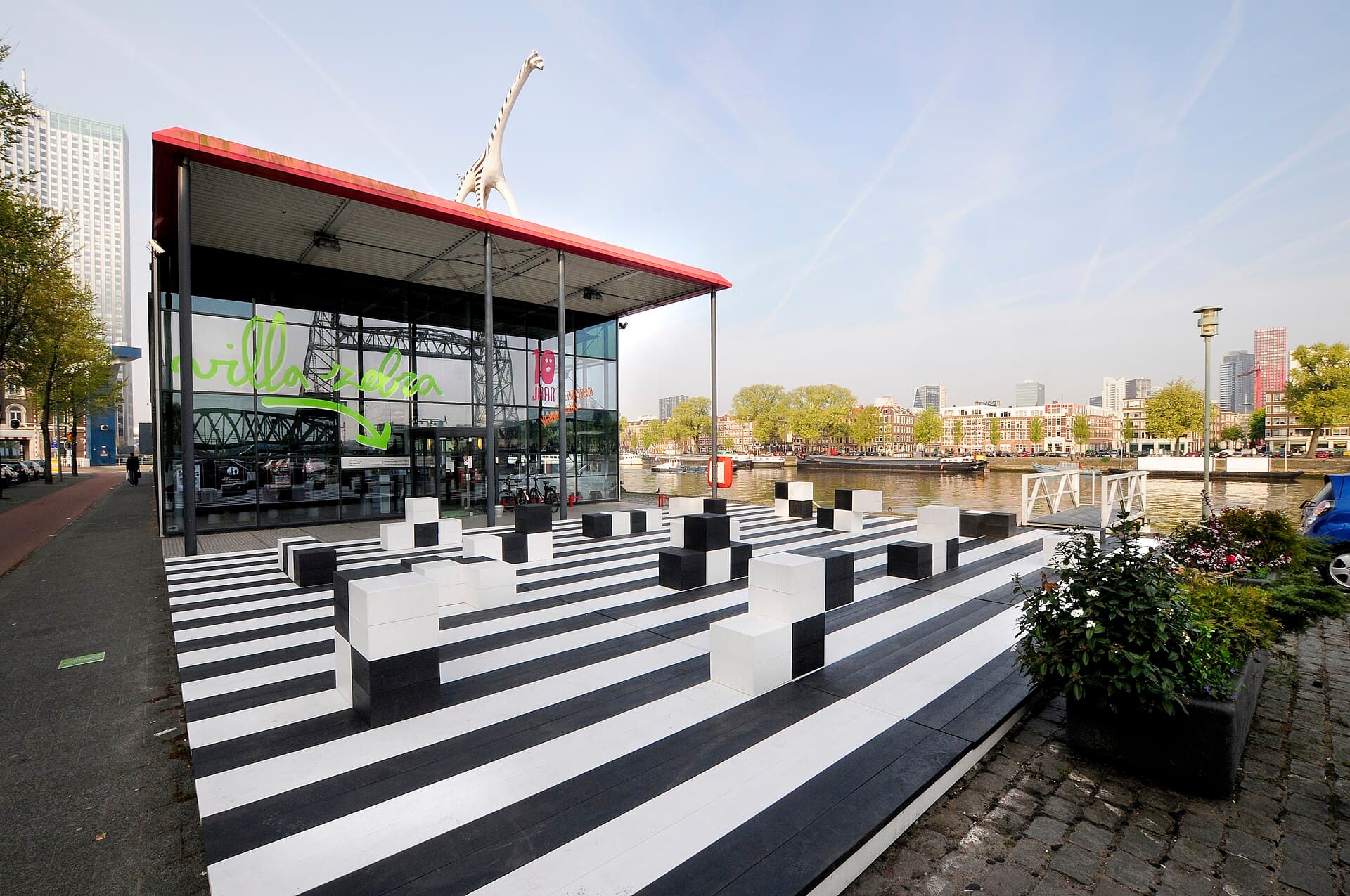 Villa ZebraVilla Zebra is an art museum for children in the Kop van Zuid district south of 18 minutes walk4.1
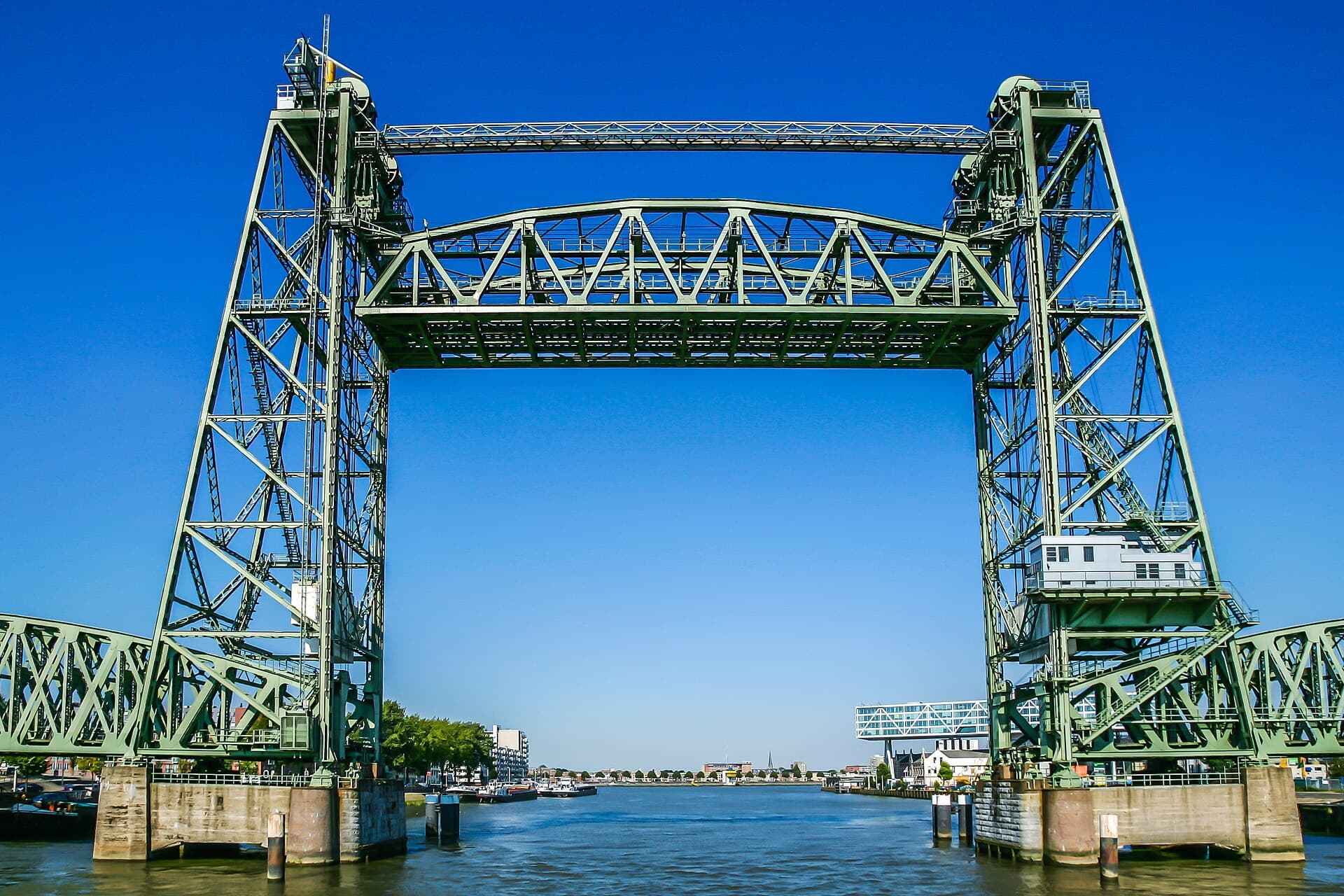 De Hef Lift BridgeDe Hef is a railway lift bridge over the Koningshaven built in 1927, and its mec19 minutes walk4.7
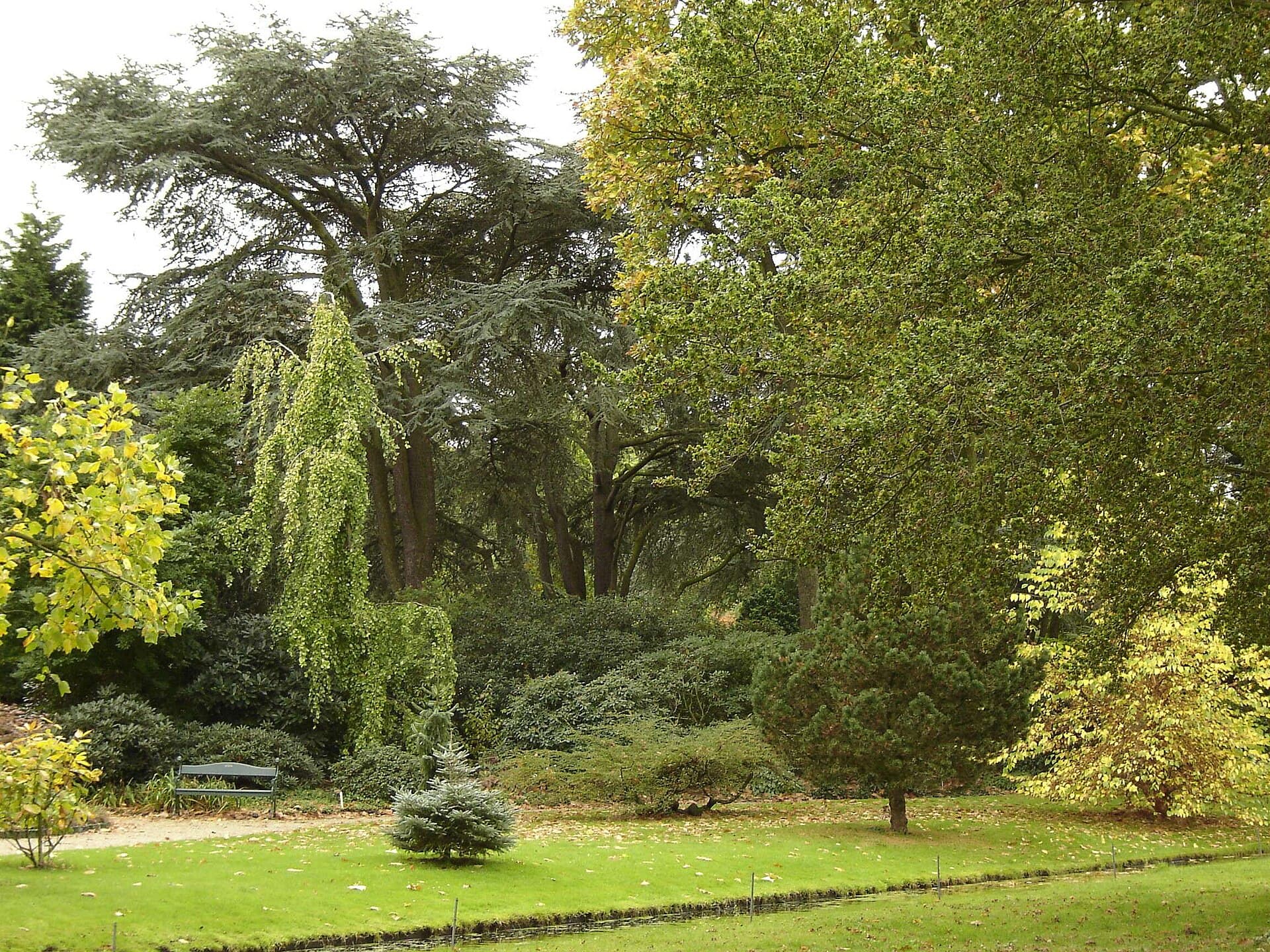 Trompenburg Gardens and ArboretumA botanical garden and arboretum in the east of Rotterdam, created by the van Ho23 minutes walk4.5
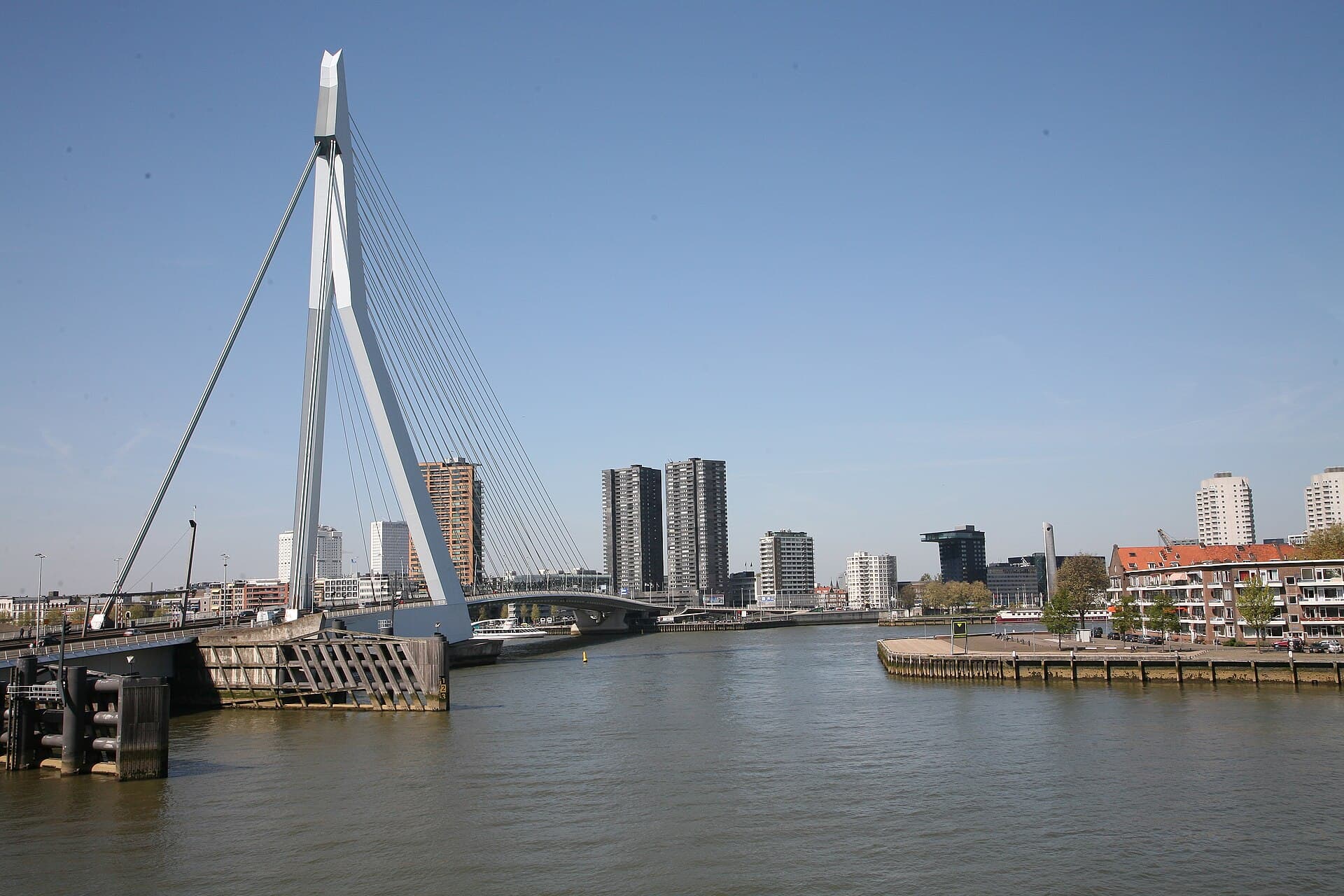 Erasmus BridgeThe Erasmus Bridge is Rotterdam's modern icon, its symbol on every postcard: an 24 minutes walk4.8
Before modern electric pumps, generating pressure in a water network depended on gravity: water was lifted into a high tank and then descended under its own weight to the houses. This is why thousands of towers were built across Europe between 1870 and 1930. Electric pumps made them redundant and most went out of service. In the Netherlands many were converted into flats, offices or hotels rather than demolished.
For anyone interested in industrial architecture or photography, yes — the form is genuinely unusual and the riverbank here is quiet and uncrowded. Otherwise it is a short stop to add to a bicycle route east along the Maas rather than a destination in itself. The distance from the centre is about twenty minutes by bicycle.