
Trees older than the city
Some are over a century old, while Rotterdam's architecture was all rebuilt after 1940.
Wilma Verburg — CC BY-SA 2.5 nl · Wilrooij — CC BY-SA 4.0 · Wilrooij — CC BY-SA 4.0 · Wilrooij — CC BY-SA 4.0
A botanical garden and arboretum in the east of Rotterdam, created by the van Hoey Smith family in the nineteenth century and extended by them across generations before becoming a foundation open to the public. What distinguishes it is that it is not an ordinary city park but a serious plant collection: oaks, maples and conifers gathered from around the world, with some trees more than a century old. For plant people it is a reference site; for everyone else it is simply a beautiful, quiet place. That contrast is what makes it worthwhile in Rotterdam specifically: a city whose architecture is entirely modern after the bombing of 1940, holding a garden whose trees are older than most of its buildings. The site is outside the centre in an eastern residential district and needs a metro or tram. The grounds take an hour to two to walk, and spring and autumn are its best seasons for colour.
Some are over a century old, while Rotterdam's architecture was all rebuilt after 1940.
Created by the van Hoey Smith family and extended by them across generations.
Outside the centre and lightly visited — the opposite of Rotterdam's busy architectural frontage.
Eastern Rotterdam
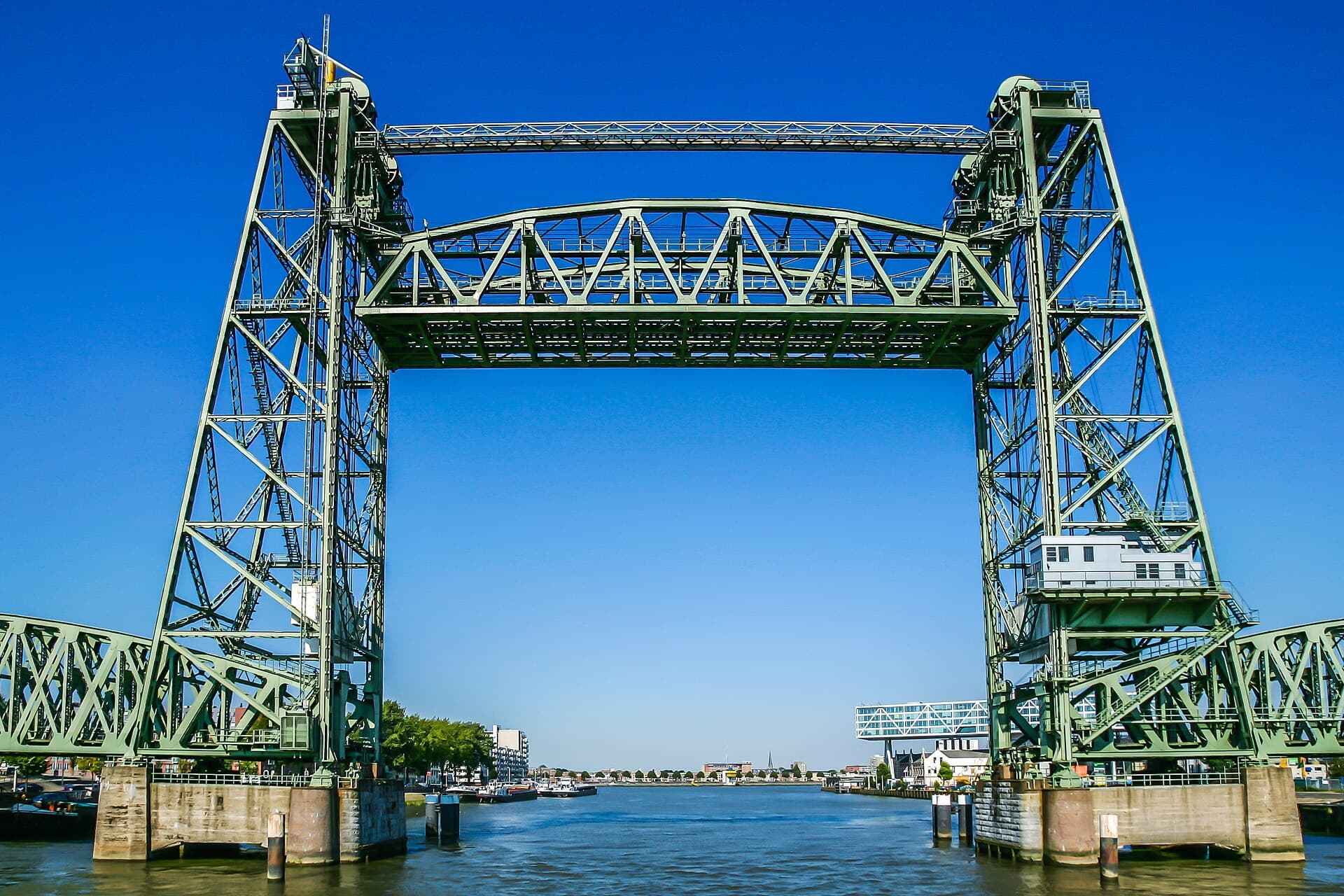 De Hef Lift BridgeDe Hef is a railway lift bridge over the Koningshaven built in 1927, and its mec18 minutes walk4.7
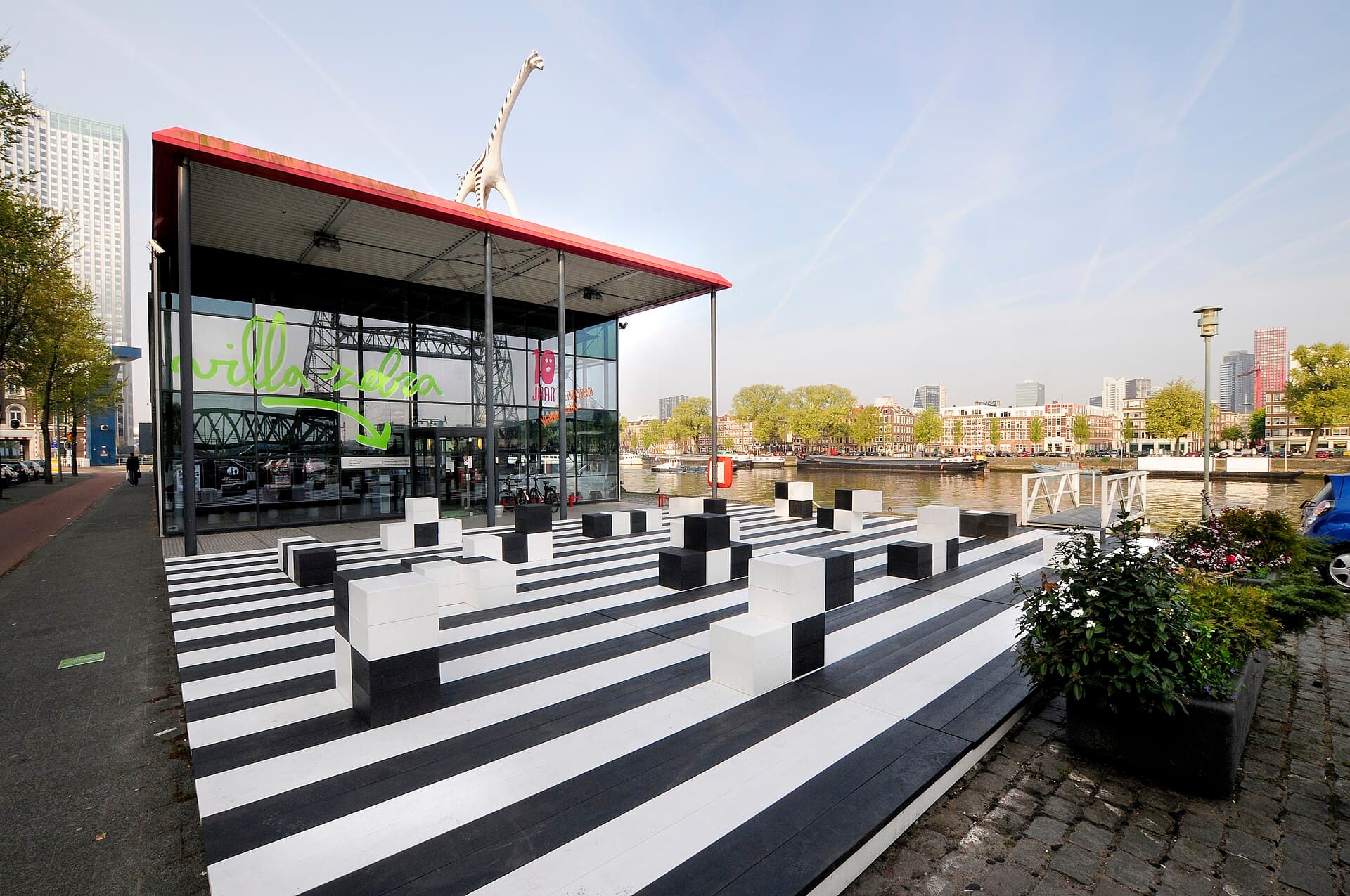 Villa ZebraVilla Zebra is an art museum for children in the Kop van Zuid district south of 22 minutes walk4.1
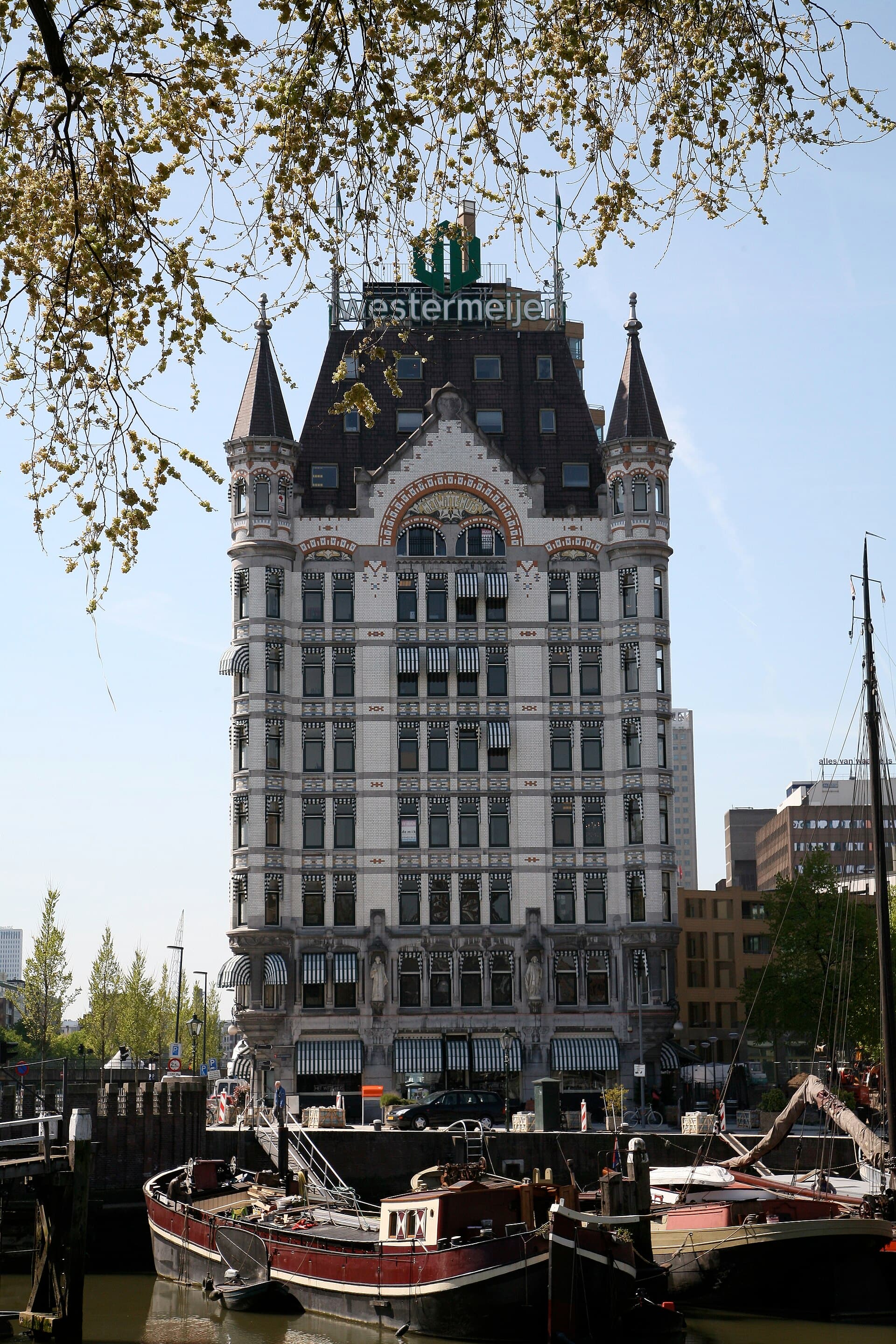 The White HouseThe Witte Huis is an office building of 1898, eleven storeys and about forty-thr23 minutes walk4.6
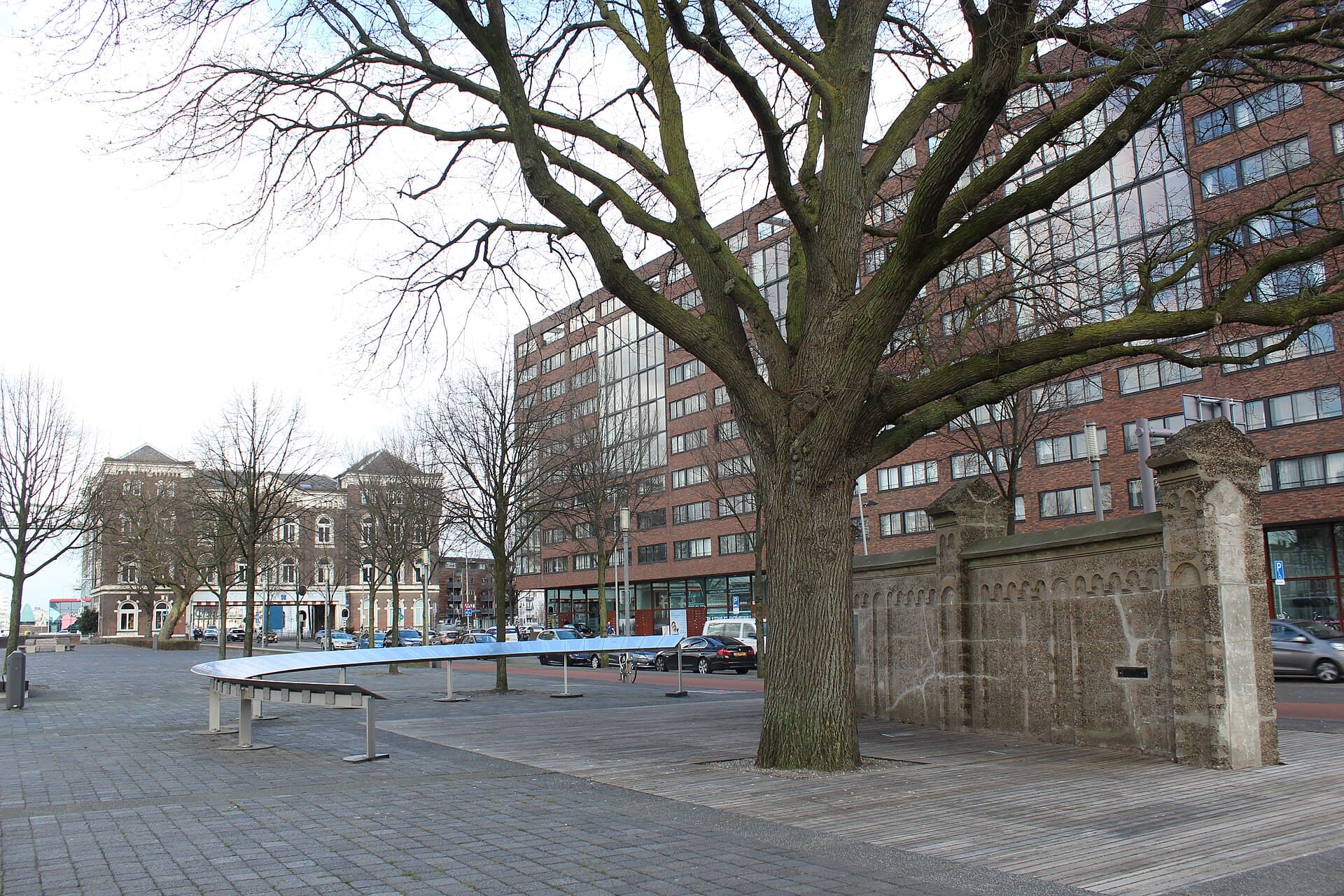 The Loods 24 MemorialA memorial in Rotterdam on the site of a dockside warehouse used in 1942 as the 23 minutes walk3.8
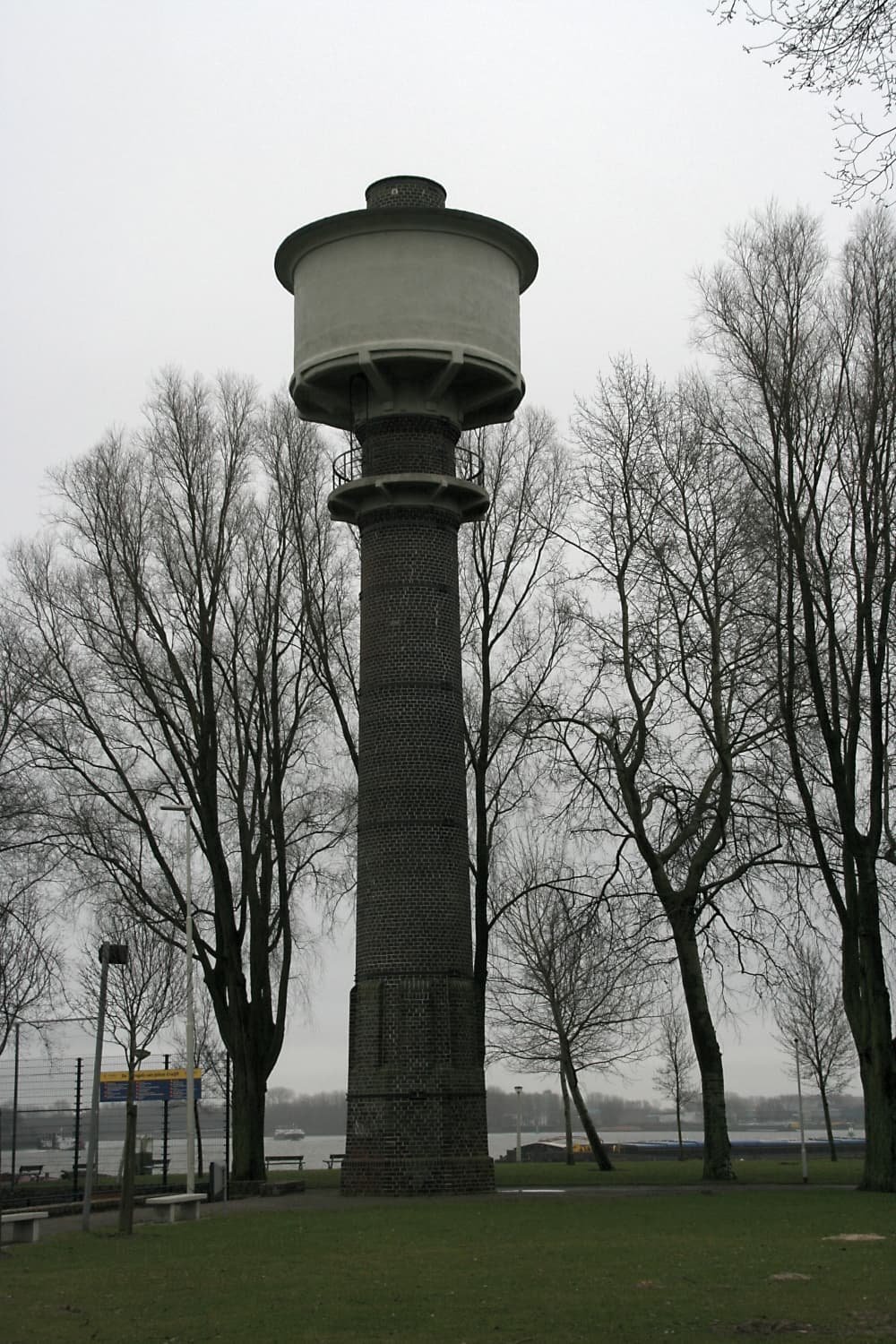 The Mallegat Water TowerA late nineteenth-century water tower on the Maas bank in the Mallegat area, com23 minutes walk4.4
With one day in Rotterdam, no; the modern architecture, the cube houses, the covered market and the Erasmus bridge come first. On a longer stay, or on a day when you want quiet, it is a good choice, and the place is visually beautiful without knowing the species.
Spring for the rhododendrons and early collections, or autumn for the colour in the maples and oaks. Winter is quieter but the hours are shorter and many trees are bare.