
The Hudson plaque
Recording the voyage that ended at New York.
S Sepp — CC BY-SA 3.0 · C messier — CC BY-SA 4.0 · C messier — CC BY-SA 4.0 · Massimo Catarinella — CC BY 3.0
The Schreierstoren is a stone tower of 1487, among the last surviving pieces of Amsterdam's medieval wall. It stands at a point once surrounded by water on two sides, part of the city's defences long before the city spread far beyond it. Its name is the subject of an enjoyable dispute. The common translation is the Weepers' Tower, and a legend attaches about sailors' wives standing on it weeping as ships left, some never to return. The more likely etymology is quite different: schreye meant a sharp corner in old Dutch, so it is the corner tower — a geographical description rather than a sentimental one. But the tower has a larger true story: from here Henry Hudson sailed in 1609 aboard the Halve Maen in the service of the Dutch East India Company, looking for a north-east passage to Asia. He never found it, but he reached a river that now bears his name and an island that became Manhattan. A plaque on the wall records it.
Recording the voyage that ended at New York.
Medieval masonry amid a modern waterfront.
Prins Hendrikkade 94, 1012 Amsterdam
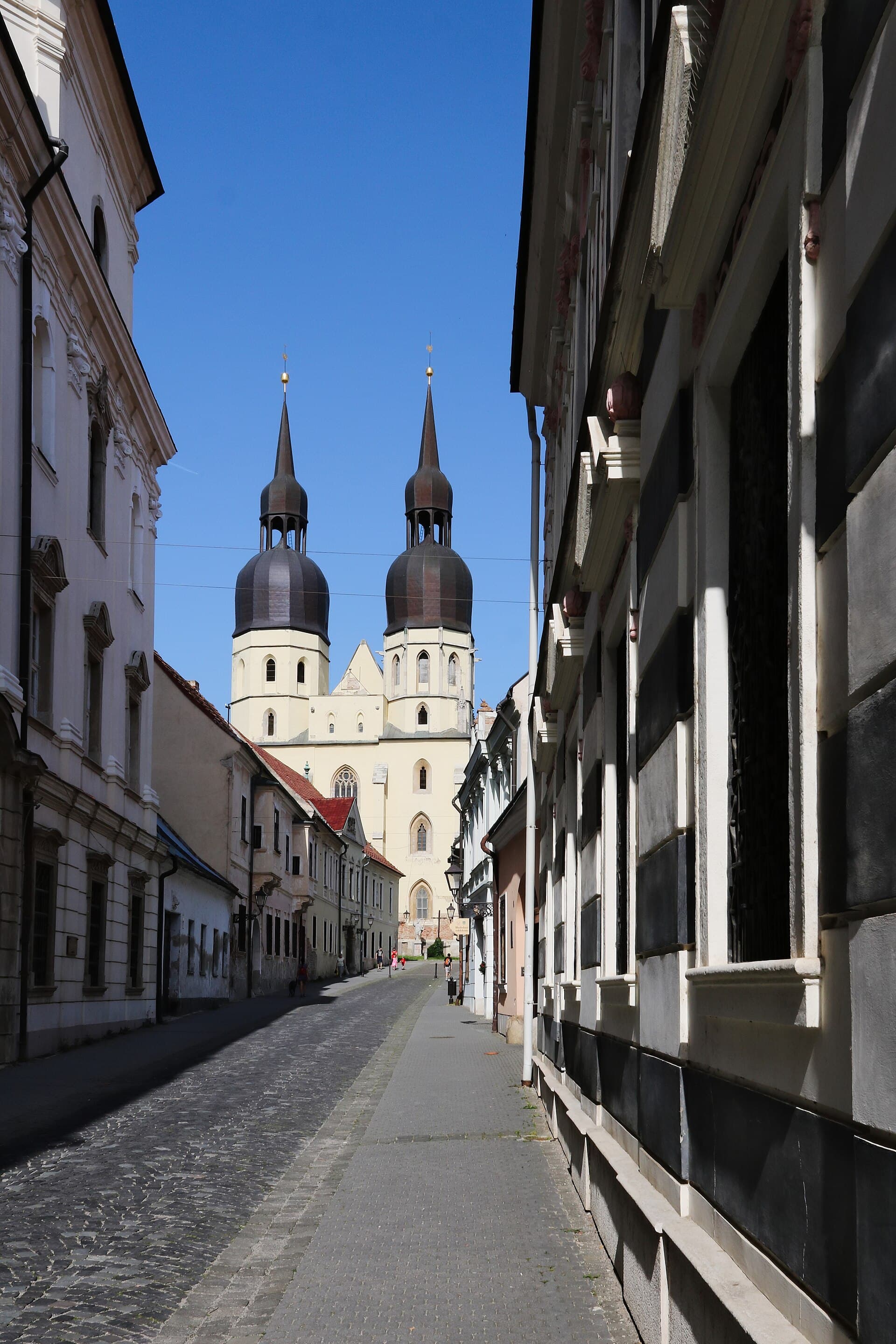 The Basilica of St NicholasThe Basilica of St Nicholas stands directly opposite Centraal Station, the first1 minute walk4.6
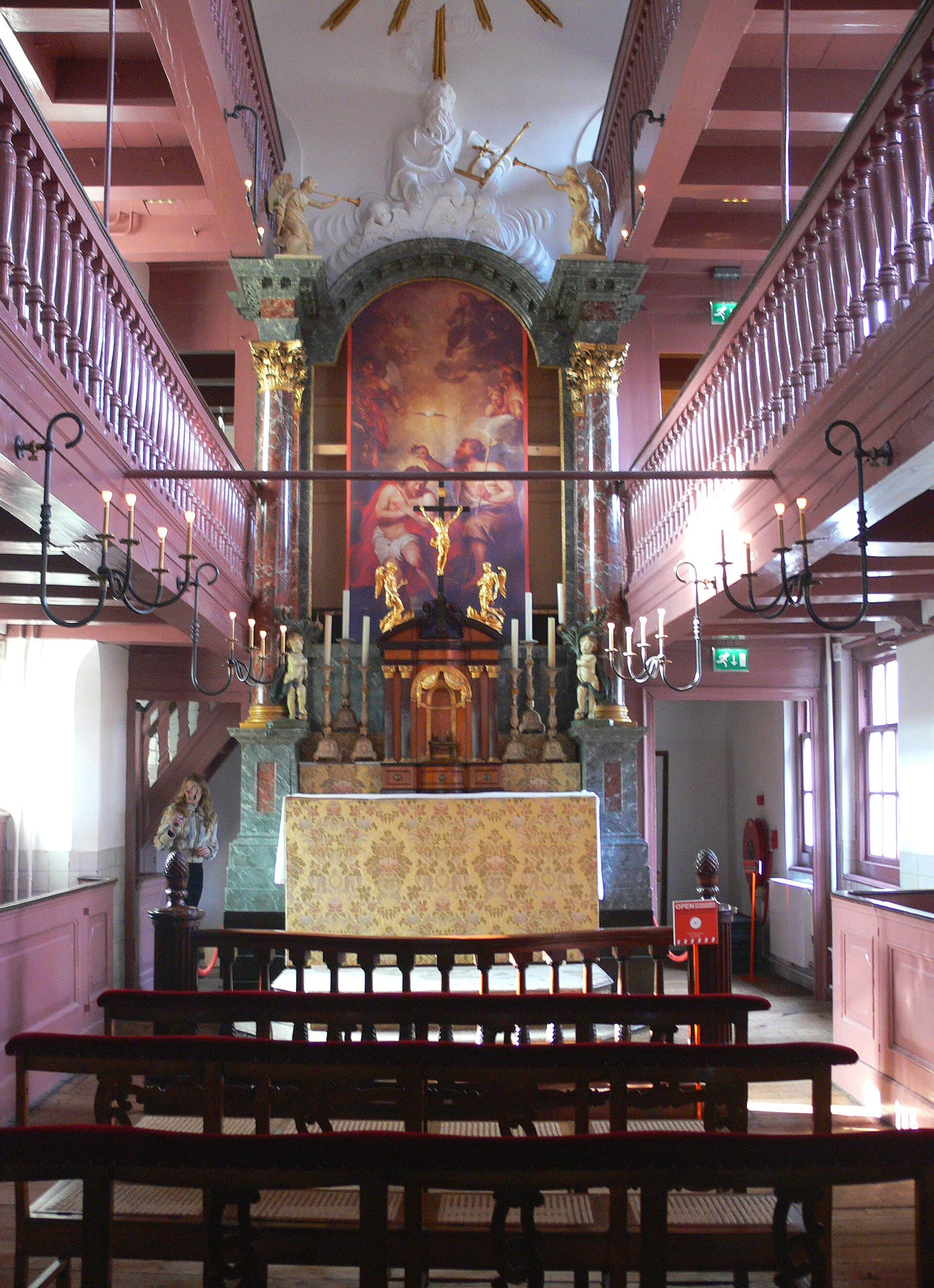 Our Lord in the AtticOur Lord in the Attic is Amsterdam's strangest museum: an ordinary seventeenth-c3 minutes walk4.8
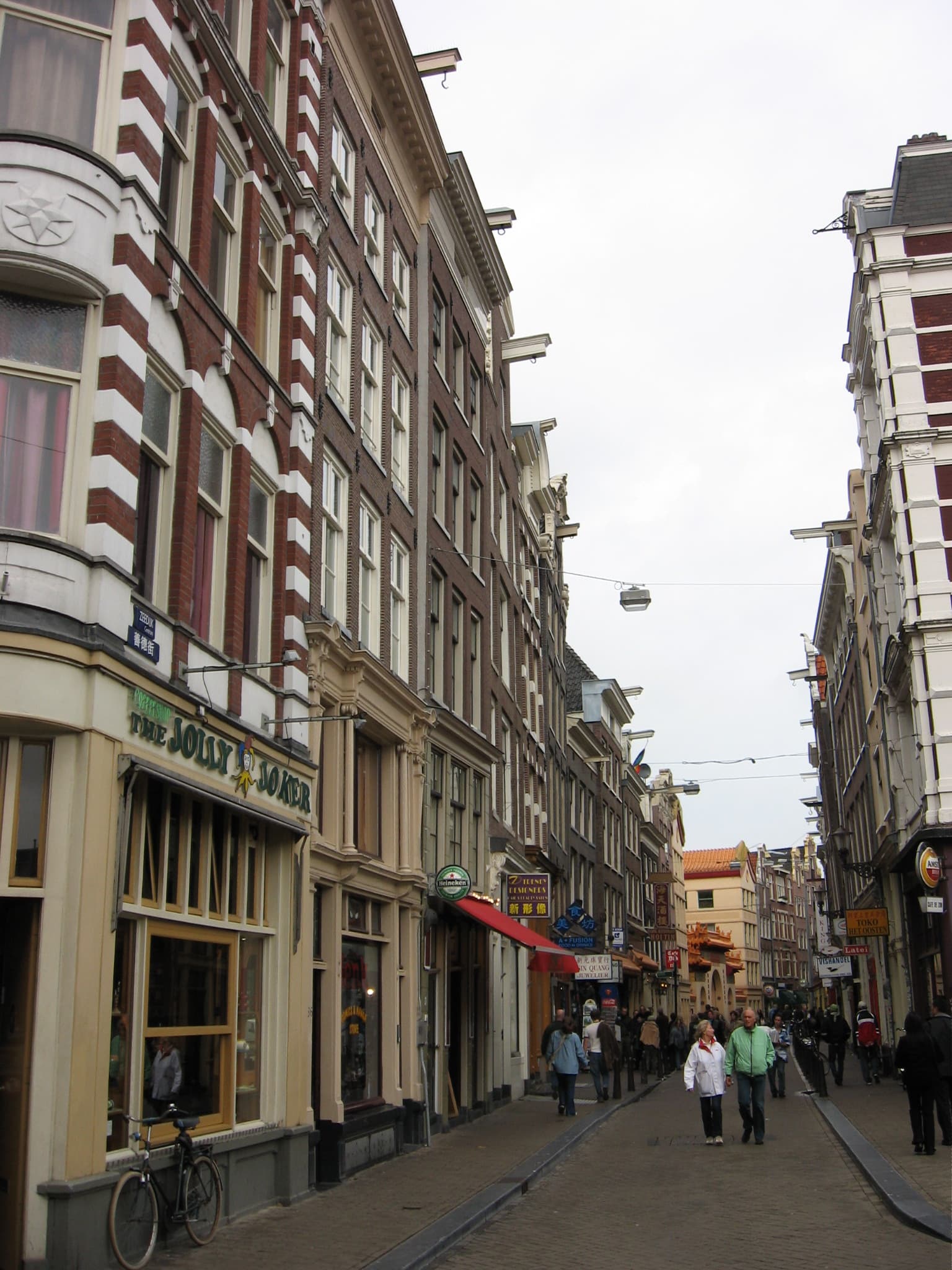 Zeedijk — Amsterdam's ChinatownA curving street near Centraal Station forming the heart of Amsterdam's Chinatow4 minutes walk4.4
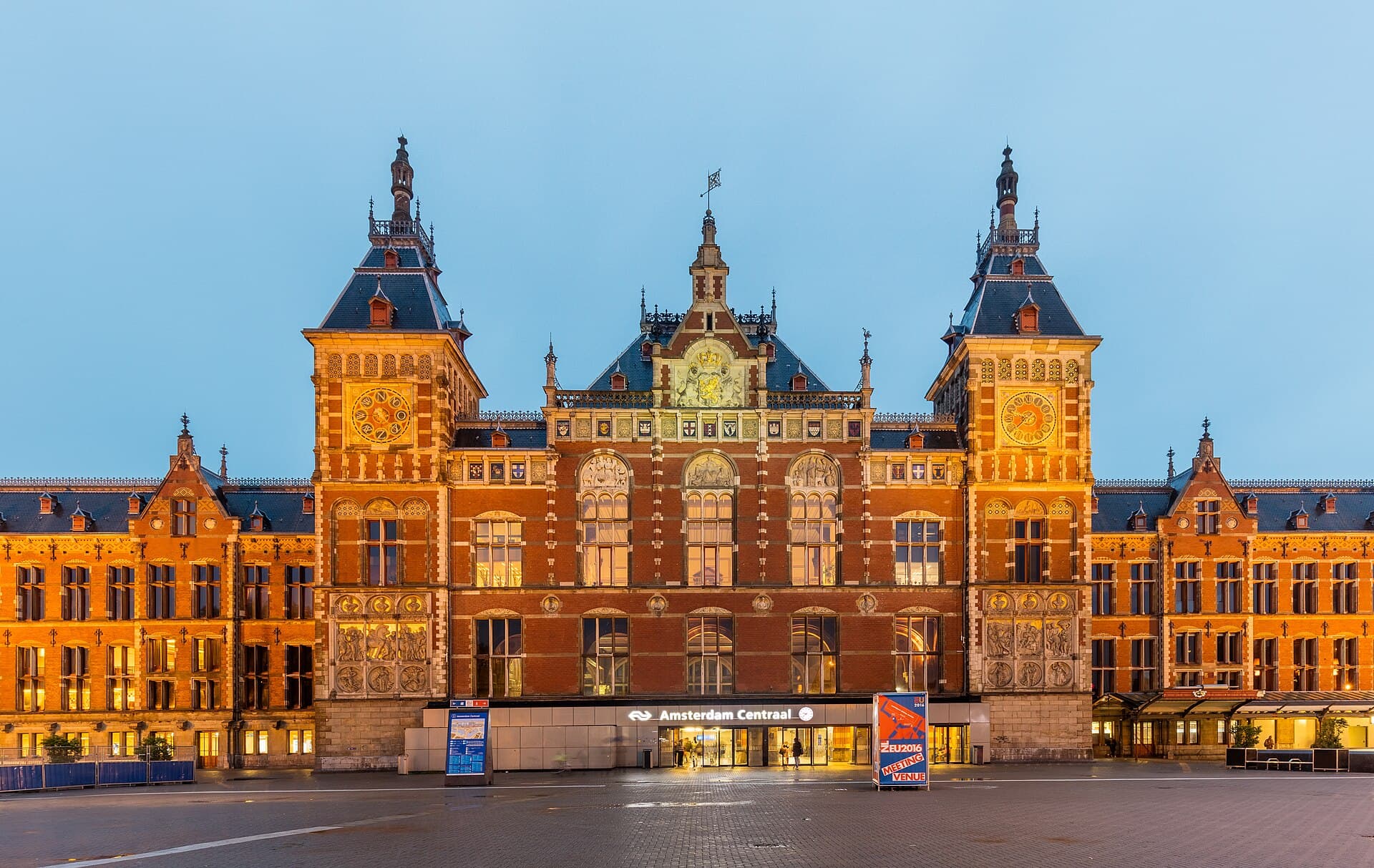 Amsterdam Centraal StationAmsterdam Centraal is the first thing most visitors see, and a building worth lo4 minutes walk4.6
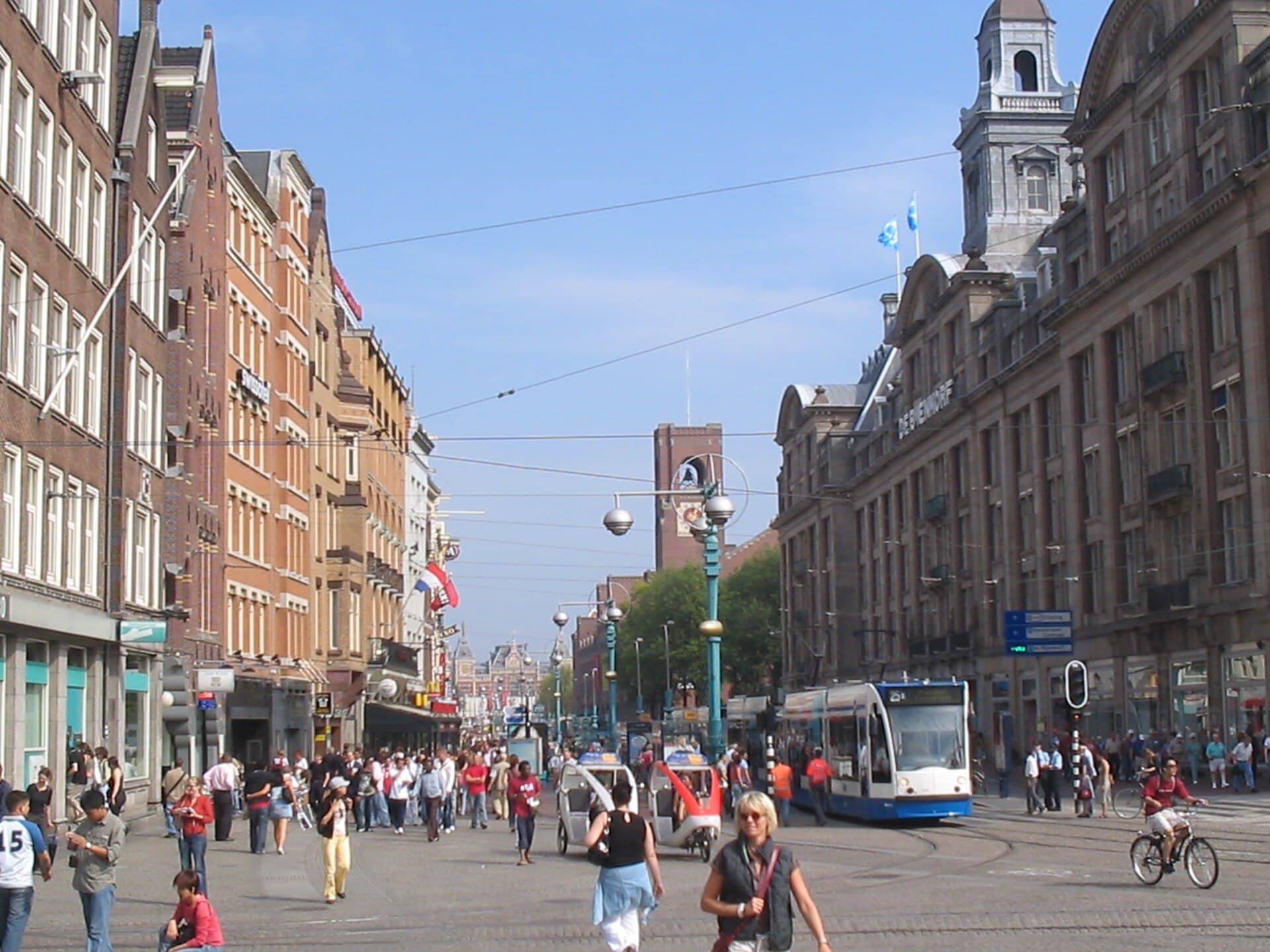 Damrak and its Dancing HousesA street and canal running from Centraal Station to Dam Square, with a row of le4 minutes walk4.6
A direct founding one. After Hudson's voyage the Dutch established the colony of New Netherland on that coast, with its capital New Amsterdam on the southern tip of Manhattan in 1625. The English seized it in 1664 and renamed it New York. Traces of the Dutch original survive in the borough names: Brooklyn from Breukelen, Harlem from Haarlem, the Bronx from the Bronck family, and Wall Street from the wall the Dutch built there.