
The Stuben
Four centuries of life inside a mountain house.
Burkhard Mücke — CC BY-SA 4.0 · Burkhard Mücke — CC BY-SA 4.0 · Burkhard Mücke — CC BY-SA 4.0 · Burkhard Mücke — CC BY-SA 4.0
The Tyrolean Folk Art Museum occupies the former Franciscan monastery adjoining the Hofkirche in central Innsbruck, and counts among the most important museums of popular culture in the whole Alpine region, not only in Austria. Its distinguishing exhibit is the Stuben: complete living rooms taken out of Tyrolean farmhouses across the centuries and reassembled here, floor by floor. Each is panelled in wood from ground to ceiling, with its stove, table and fixed benches, covering periods from the fifteenth century to the nineteenth. Walking between them shows how the shape of life inside a mountain house changed over four hundred years. Other sections cover valley costume — and every Tyrolean valley has its own — a large collection of carved nativity scenes, frightening wooden carnival masks used in winter rituals that are still practised, and craft tools. The ticket is normally shared with the neighbouring Hofkirche and its bronze tomb of Emperor Maximilian.
Four centuries of life inside a mountain house.
Wooden masks for winter rituals still practised.
Universitatsstrasse 2, 6020 Innsbruck
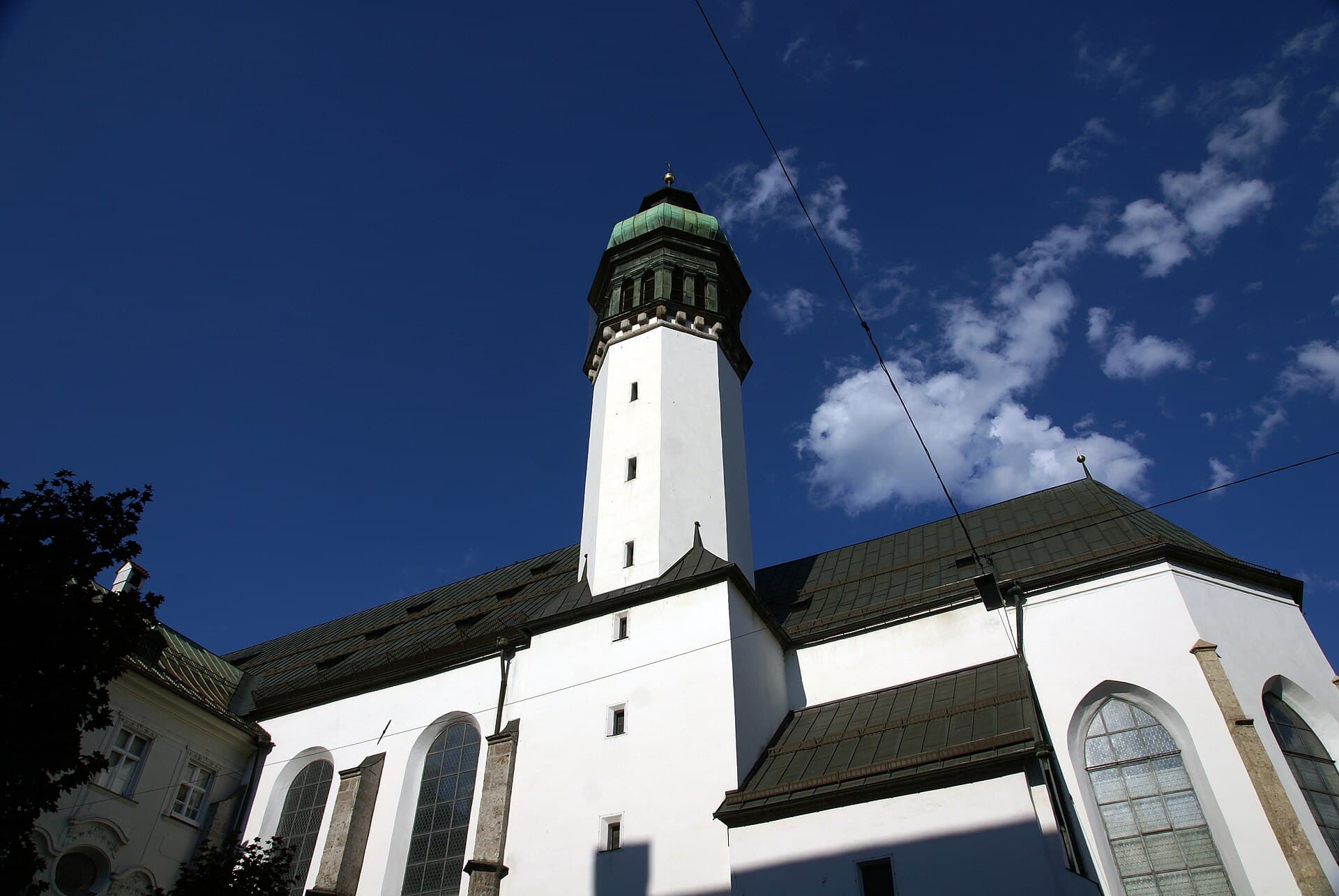 The Hofkirche & Black KnightsThe Hofkirche guards Europe's strangest empty tomb: Maximilian I's marble cenota1 minute walk4.7
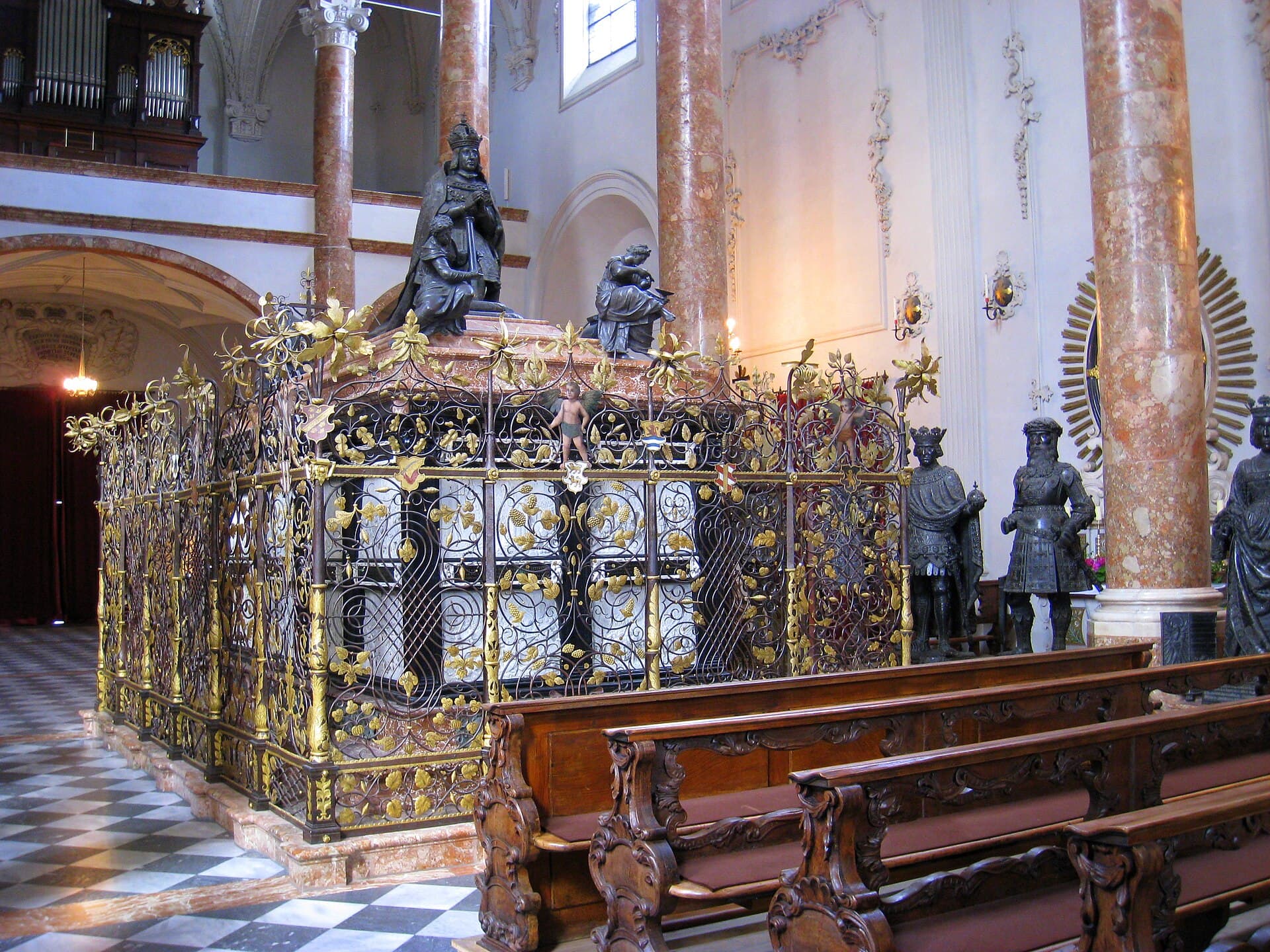 Cenotaph of Emperor Maximilian IA symbolic tomb for Emperor Maximilian I inside Innsbruck's court church, among 1 minute walk4.8
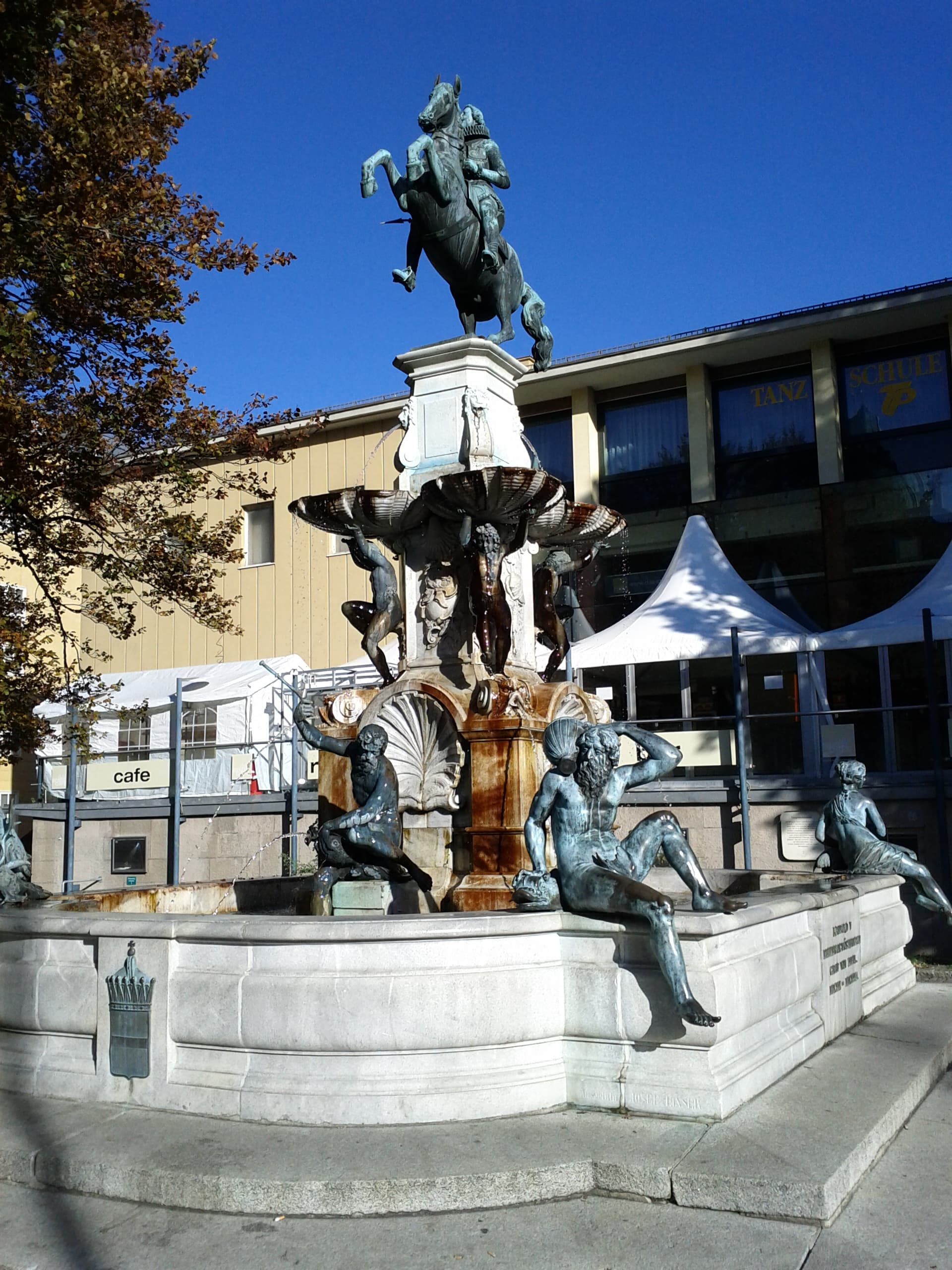 The Leopold FountainThe Leopold Fountain stands on Rennweg between the Hofburg palace and the state 1 minute walk4.7
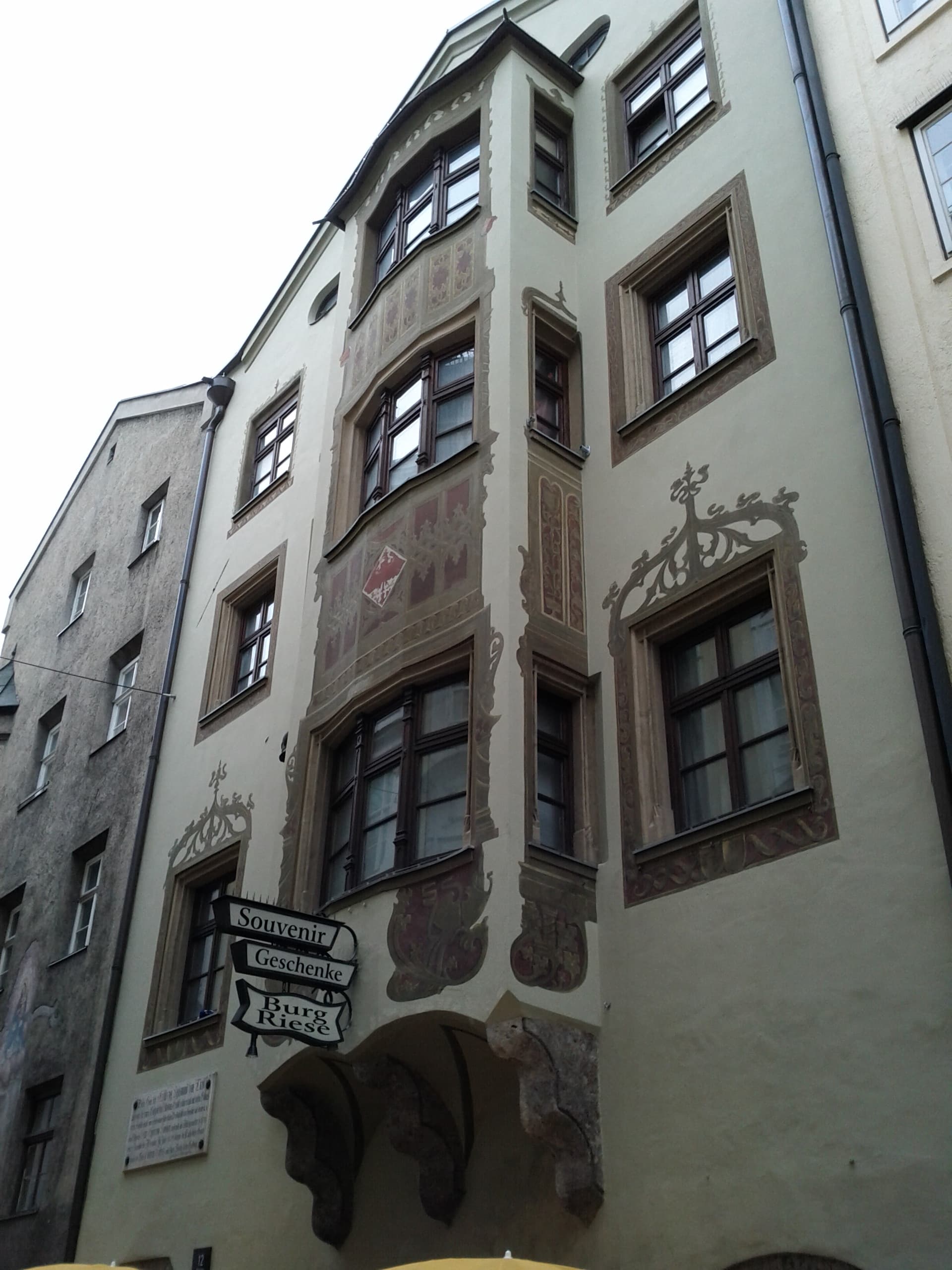 The BurgriesenhausA historic house on the Hofgasse in the old town, between the Golden Roof and th1 minute walk3.1
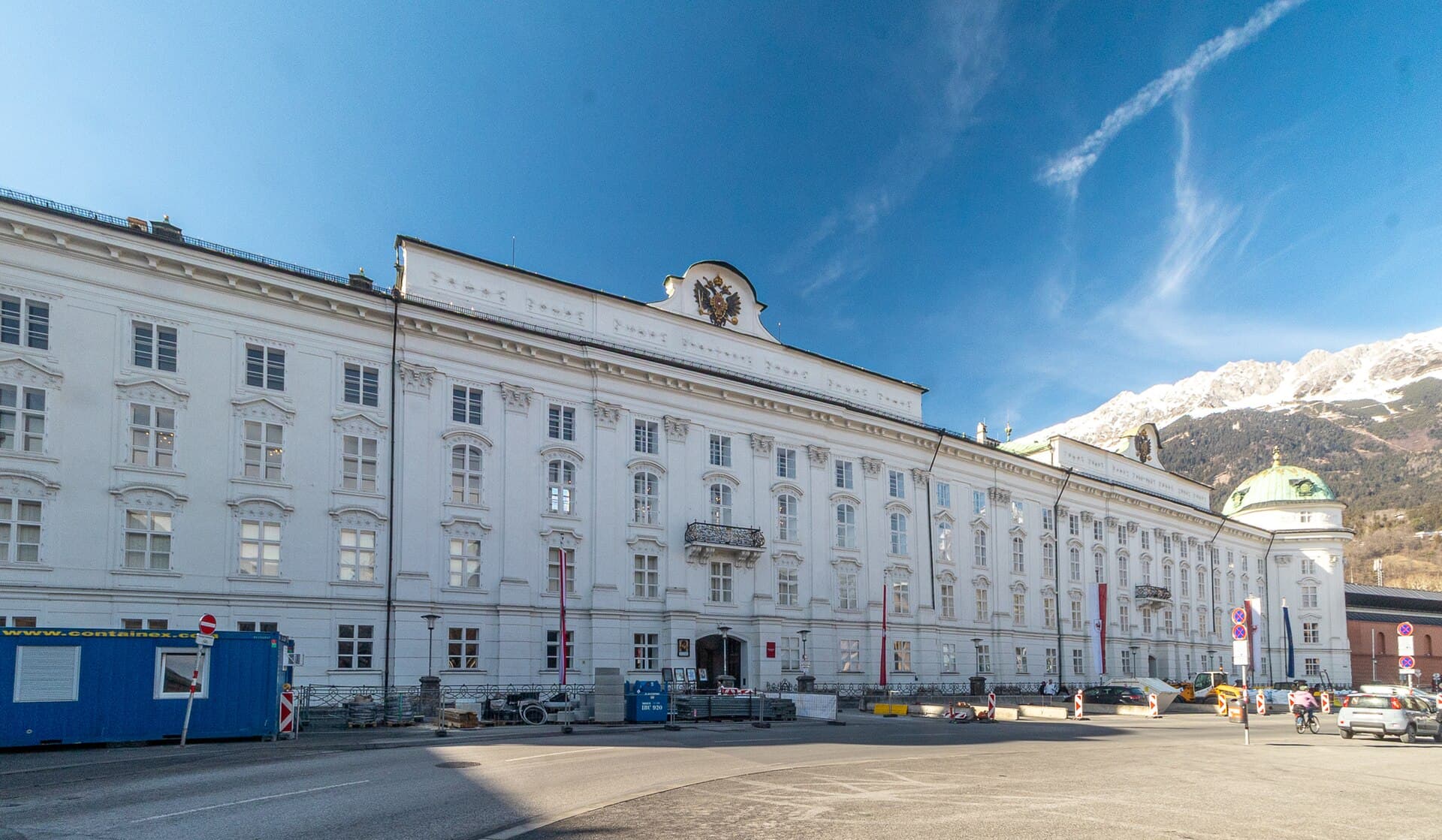 The Imperial HofburgInnsbruck's Hofburg is Austria's third imperial palace after Vienna's Schönbrunn1 minute walk4.3
The adjoining court church, which holds the empty tomb of Emperor Maximilian I surrounded by twenty-eight over-life-size bronze statues of his ancestors and relatives — among the most important Renaissance sculpture north of the Alps. The tomb really is empty; Maximilian was buried elsewhere. The two museums share the same building and are run together, so one ticket covers both and there is no sense in seeing one without the other.