
A translating king
His Dante is among the most important German versions of the text.
X-Weinzar — CC BY-SA 3.0 · Bybbisch94, Christian Gebhardt — CC BY-SA 4.0 · Bybbisch94 — CC BY-SA 3.0 de · Bybbisch94 — CC BY-SA 3.0 de
An equestrian statue of King Johann of Saxony standing on the Theaterplatz directly before the Semper Opera, in the middle of the group of buildings that visually define Dresden. Johann is an unusual figure among nineteenth-century monarchs: he was a translator and a serious student of literature, who translated Dante's Divine Comedy into German in full and published it under a pseudonym, and his version is regarded as among the most important German renderings of the text. He ruled Saxony through its entry into the German Empire after 1871. The square itself is the sight: the Semper Opera, the Zwinger, the cathedral and Dresden Castle all stand around it. That group was almost entirely destroyed in the bombing of February 1945 and rebuilt in stages across decades — some under communism and some after 1990. The statue itself survived the war because it was dismantled and hidden before the raids, and returned to its place afterwards. Practical points: free and always open in a public square. The visit is minutes on a walk through the historic centre.
His Dante is among the most important German versions of the text.
The statue was dismantled and hidden before the 1945 raids.
The group around it was restored in stages before and after 1990.
Theaterplatz, before the Semper Opera
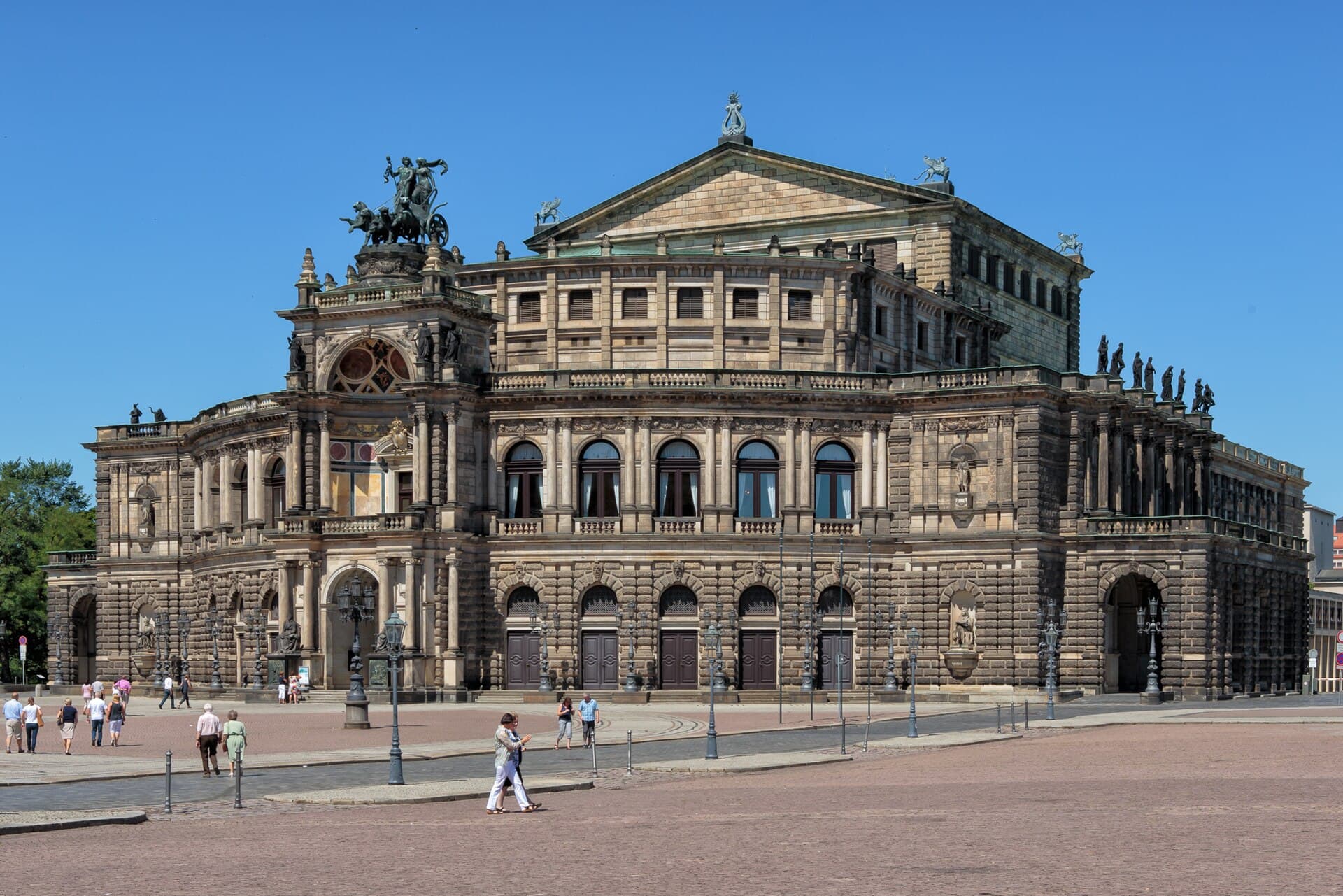 SemperoperThe Semperoper is by broad consent Germany's most famous and most beautiful oper1 minute walk4.7
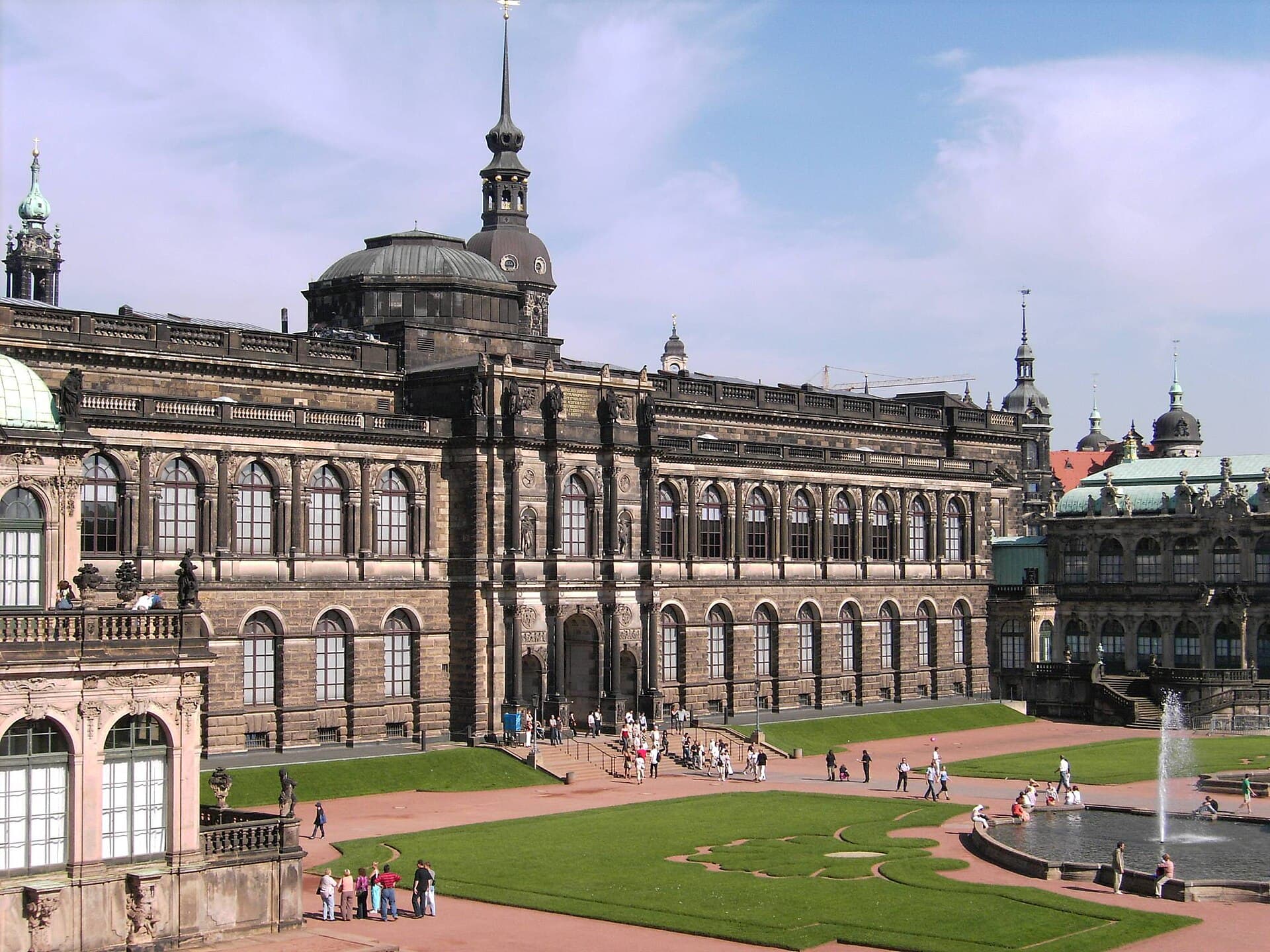 Old Masters Picture GalleryThe Old Masters Picture Gallery is one of Europe's most important painting colle1 minute walk4.7
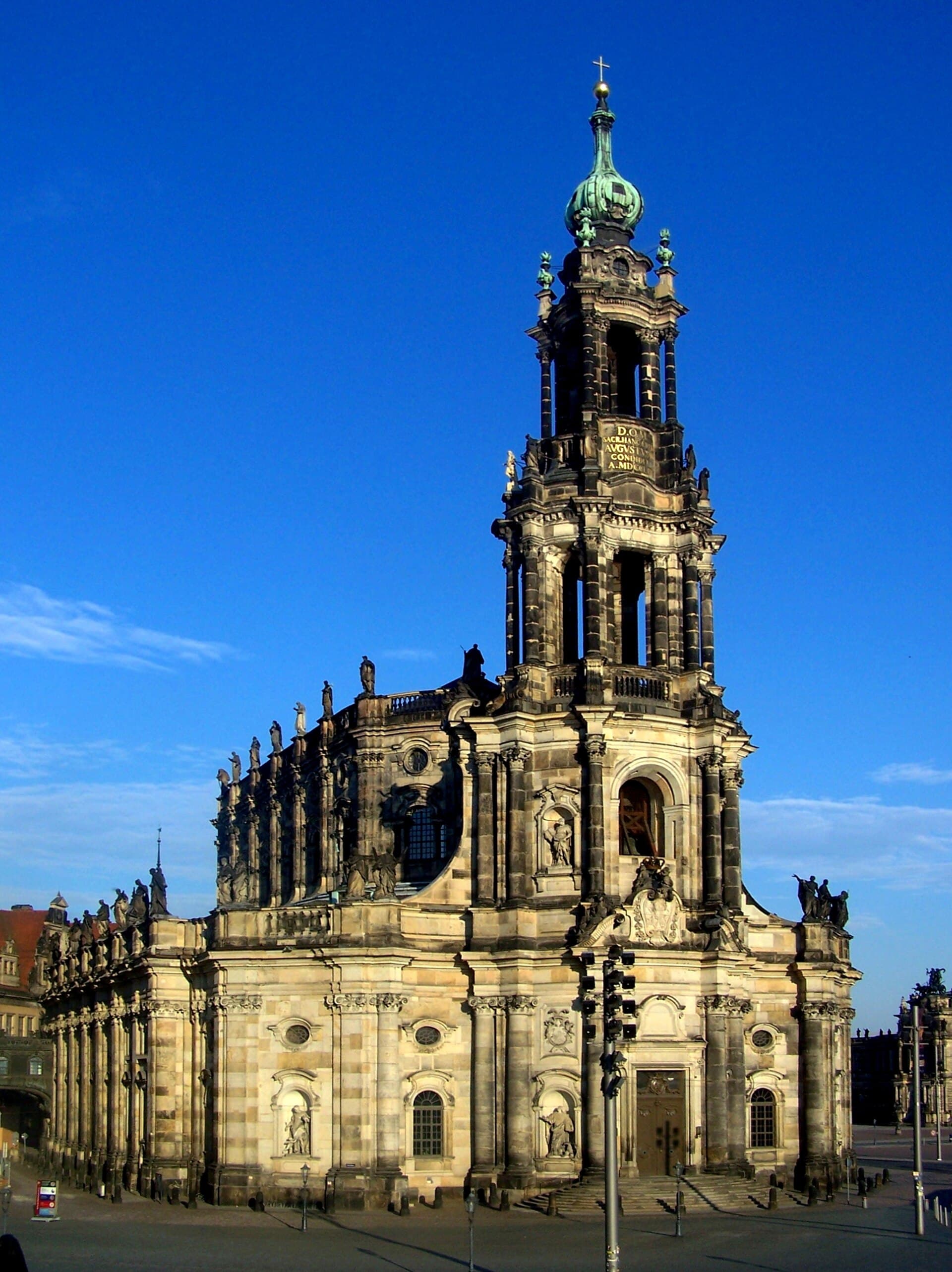 Dresden CathedralDresden Cathedral, also known as the Court Church, is the largest church in Saxo1 minute walk4.9
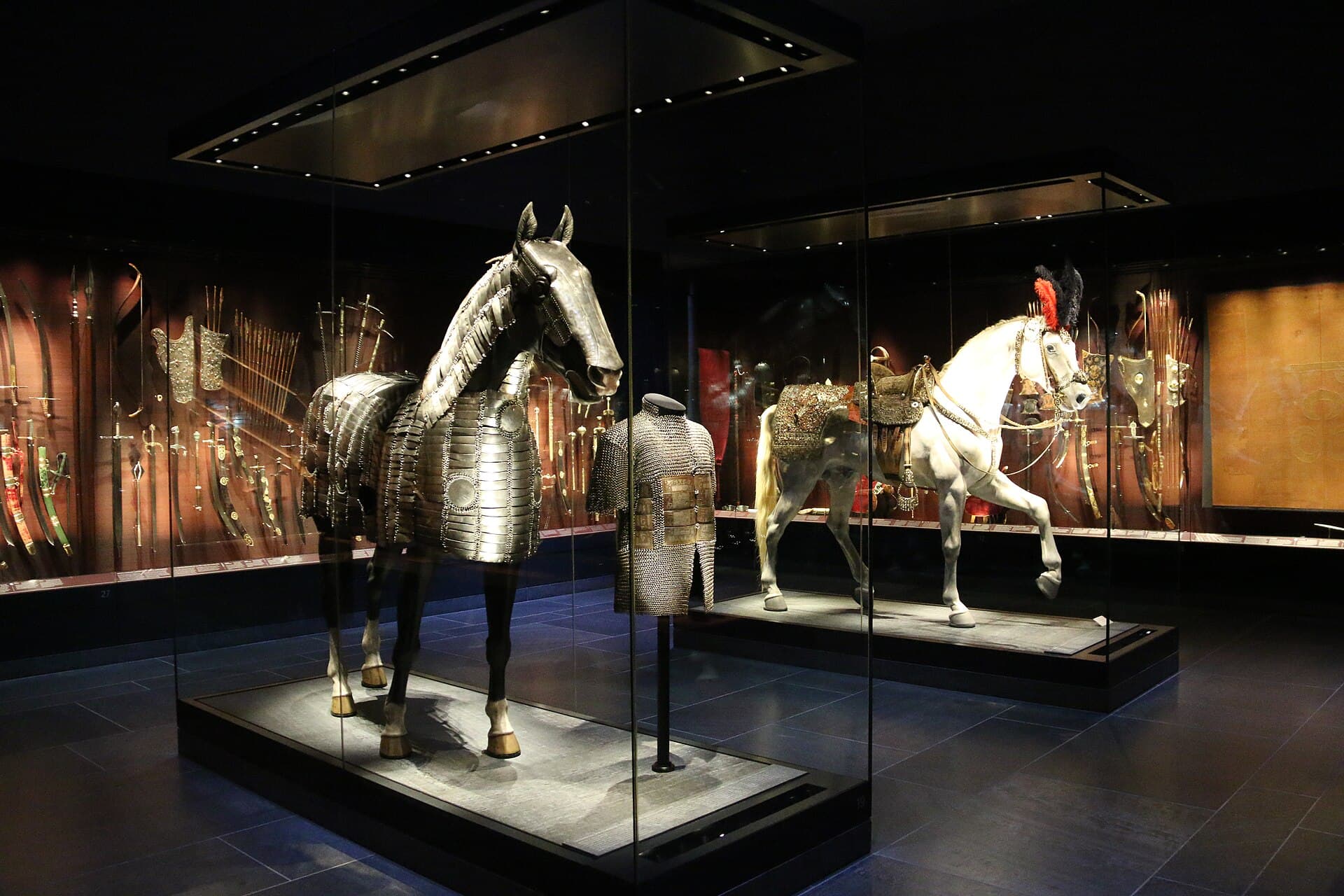 Turkish ChamberThis collection emerged inside the Saxon electors' armoury as early as fifteen n1 minute walk4.9
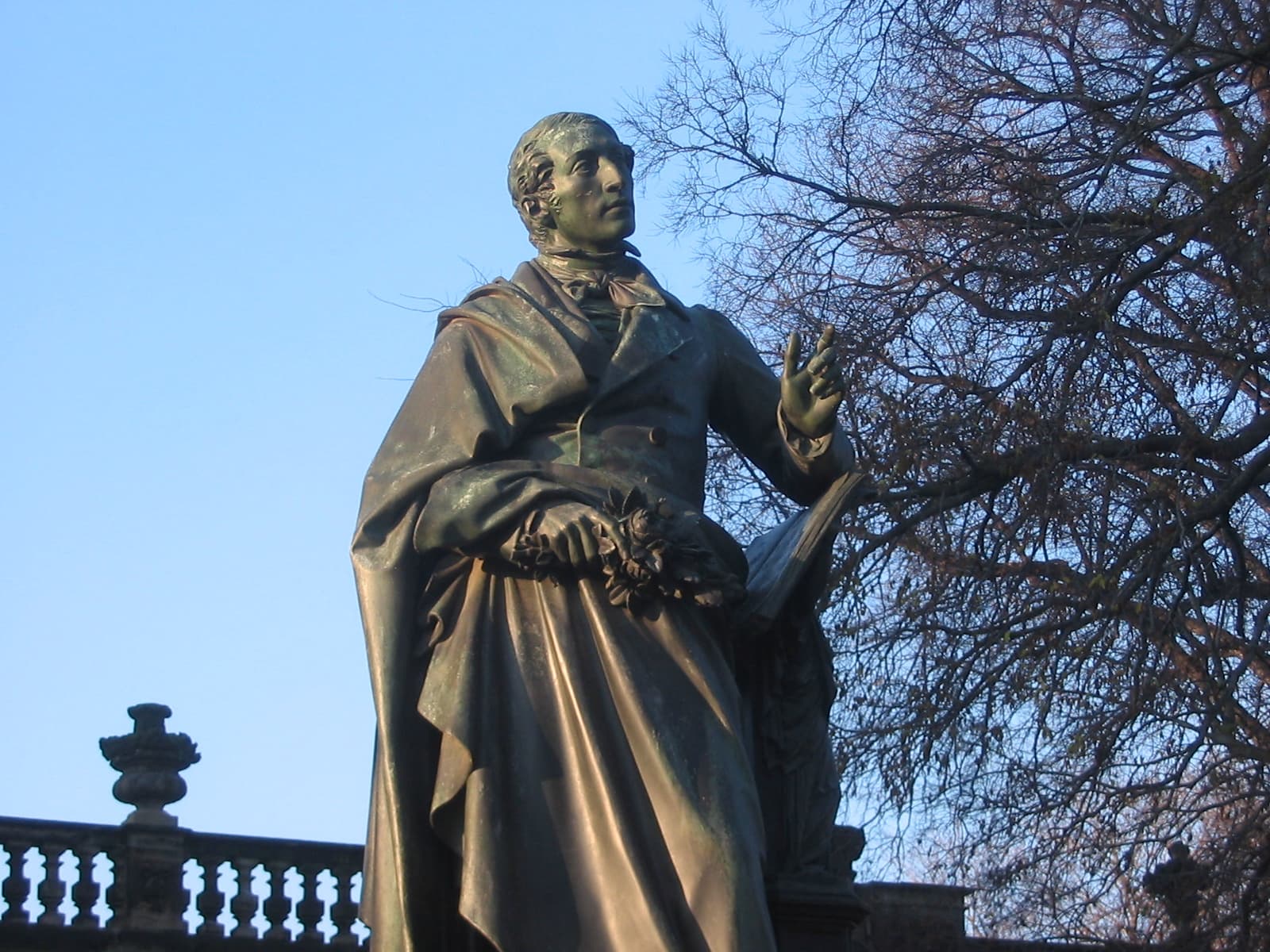 The Carl Maria von Weber MonumentA bronze statue in front of Dresden's Semper Opera House, to the composer Carl M2 minutes walk4.9
Allied forces bombed the city in a series of raids between 13 and 15 February 1945, destroying almost the entire historic centre and killing tens of thousands — sober estimates put the figure between twenty-five and thirty thousand. The bombing remained the subject of long historical and moral argument because the city was not a major military target and was crowded with refugees. Rebuilding the centre took more than sixty years, with the Frauenkirche completed in 2005.
The Zwinger and its museums, including the Old Masters gallery with Raphael's Sistine Madonna; the Semper Opera, visitable on a tour or by attending a performance; and Dresden Castle with its Green Vault, among the richest treasure collections in Europe. All three are minutes from the statue.