
Caspar David Friedrich
The famous German Romantic landscapes, quiet and full of mist.
Flickr user Ben Unleashed! — CC BY-SA 2.0 · Ricardalovesmonuments — CC BY-SA 4.0 · Ricardalovesmonuments — CC BY-SA 4.0 · Ricardalovesmonuments — CC BY-SA 4.0
The Albertinum is a large late nineteenth-century building at the end of the Brühl Terrace in Dresden. It began as an armoury and was later converted into a museum. Today it shows art from the nineteenth century to the present, complementing the castle museums which cover earlier periods. The collection is strong in German Romanticism, with works by Caspar David Friedrich, along with French Impressionists and modern and contemporary German art. The building was restored after the great Elbe flood of 2002, which inundated its stores. A storage "box" was then suspended above the inner courtyard to protect the collections from any future flood — a striking piece of engineering visible from inside. The museum is relatively quiet next to the crowded castle museums, which is an advantage in high season.
The famous German Romantic landscapes, quiet and full of mist.
A storage box hung above the inner courtyard, built after the 2002 flood to protect the collections.
French and German work from the late nineteenth and early twentieth centuries.
Tzschirnerplatz 2, 01067 Dresden
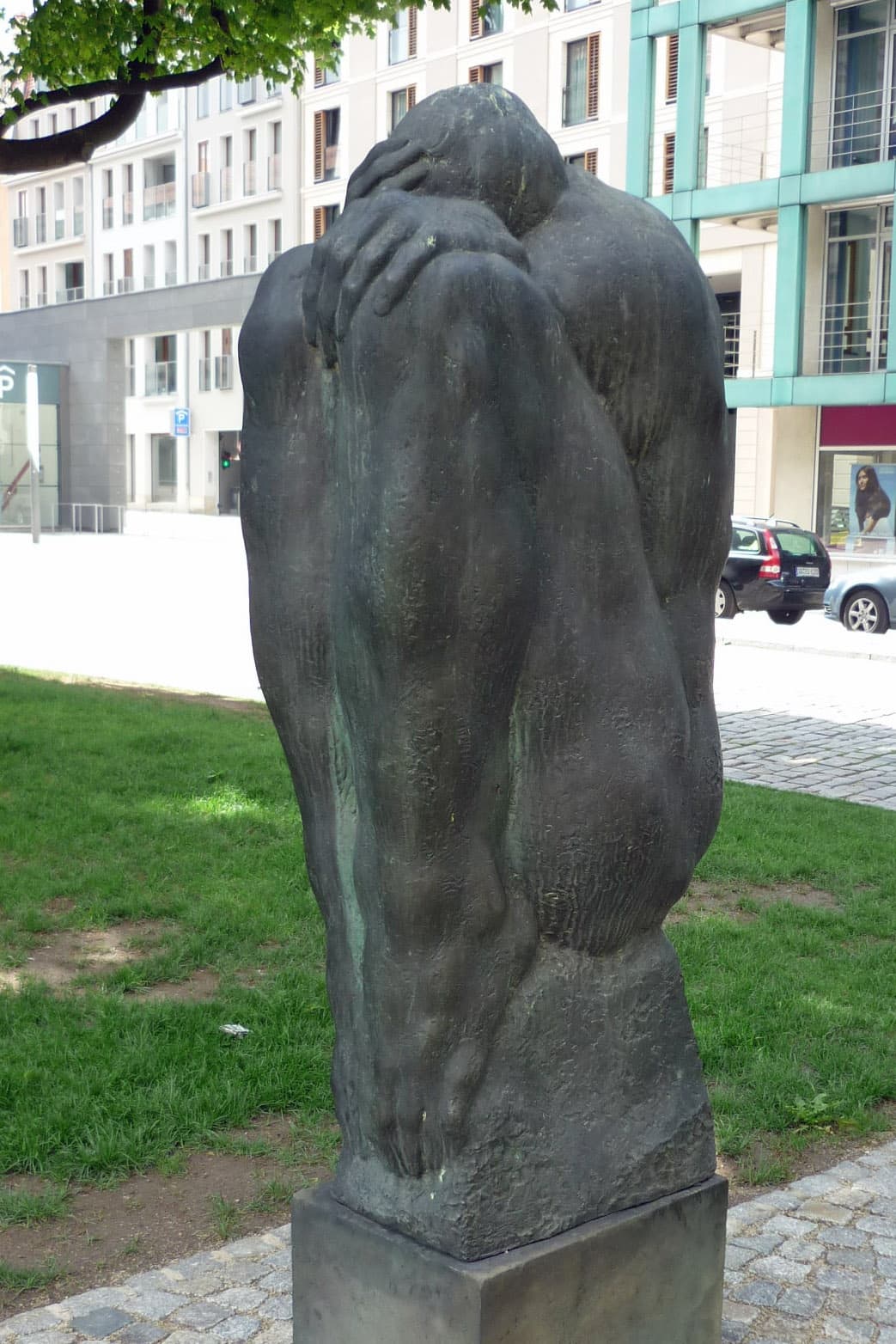 The Large Grieving ManA sculpture of a seated man with a bowed back in central Dresden, by the German 1 minute walk4.3
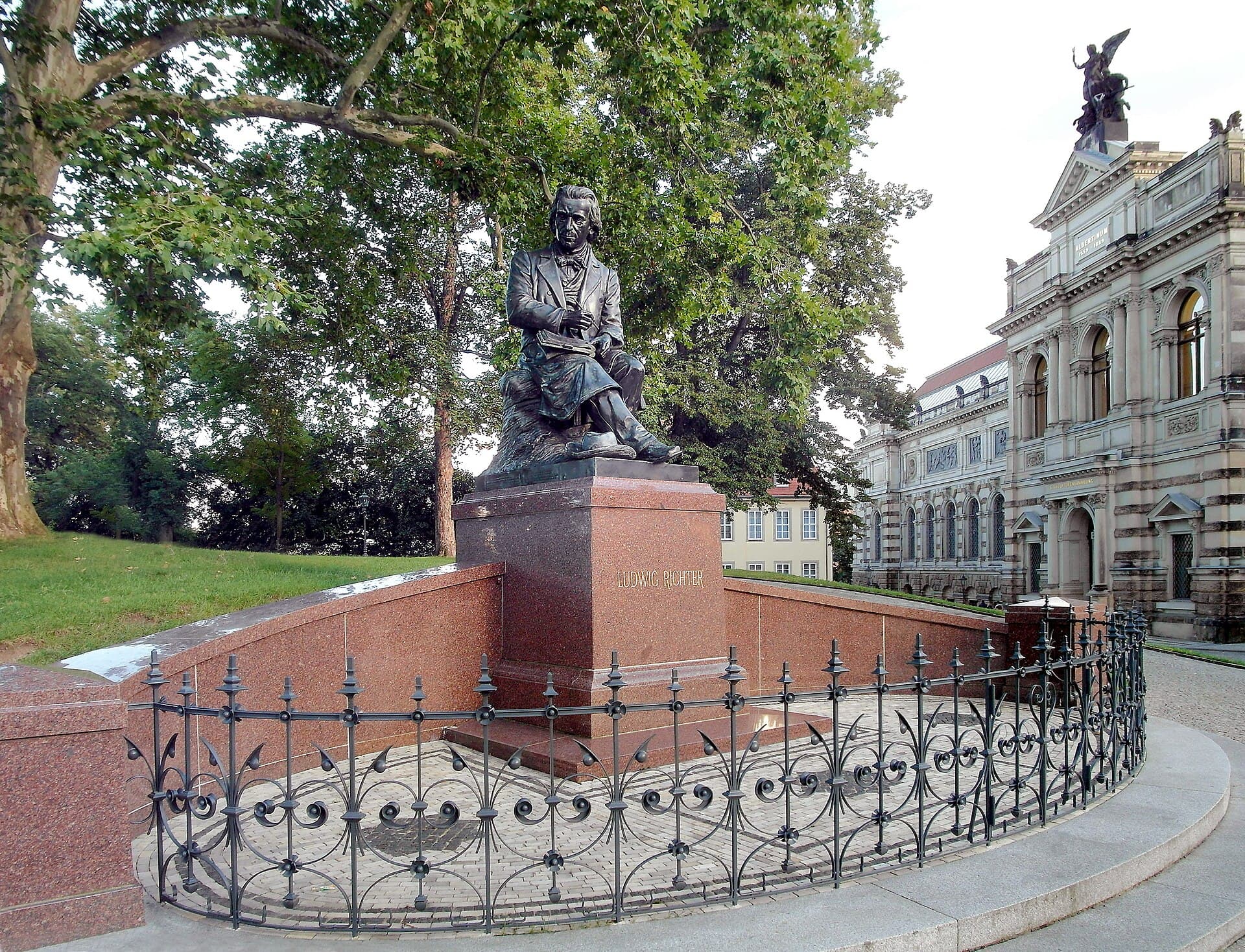 The Ludwig Richter MonumentA late nineteenth-century monument to the German painter and engraver Ludwig Ric1 minute walk4.9
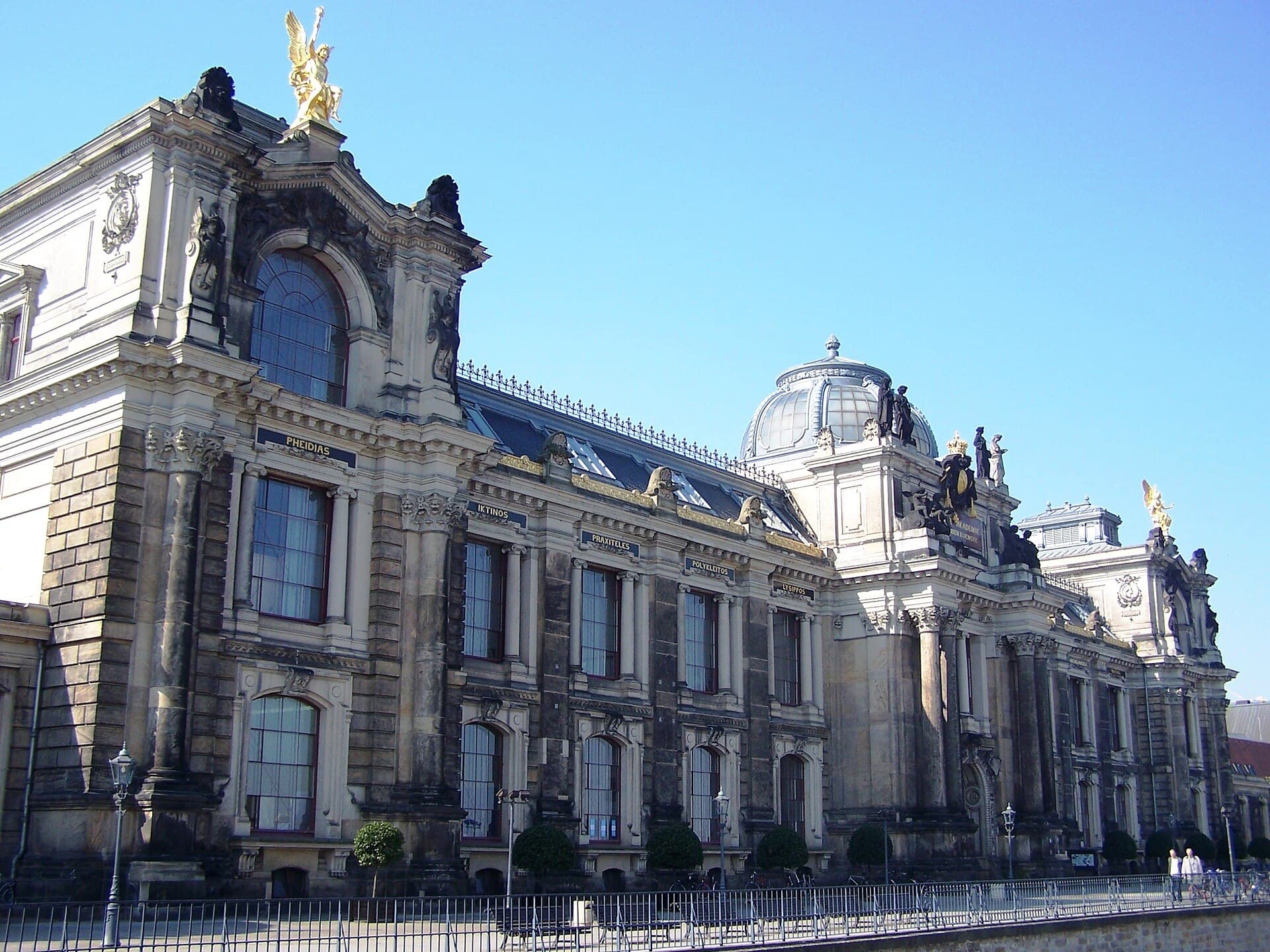 The Academy of Fine Arts and the Lipsius BuildingThe great mass closing the eastern end of Brühl's Terrace is the Academy of Fine2 minutes walk4.5
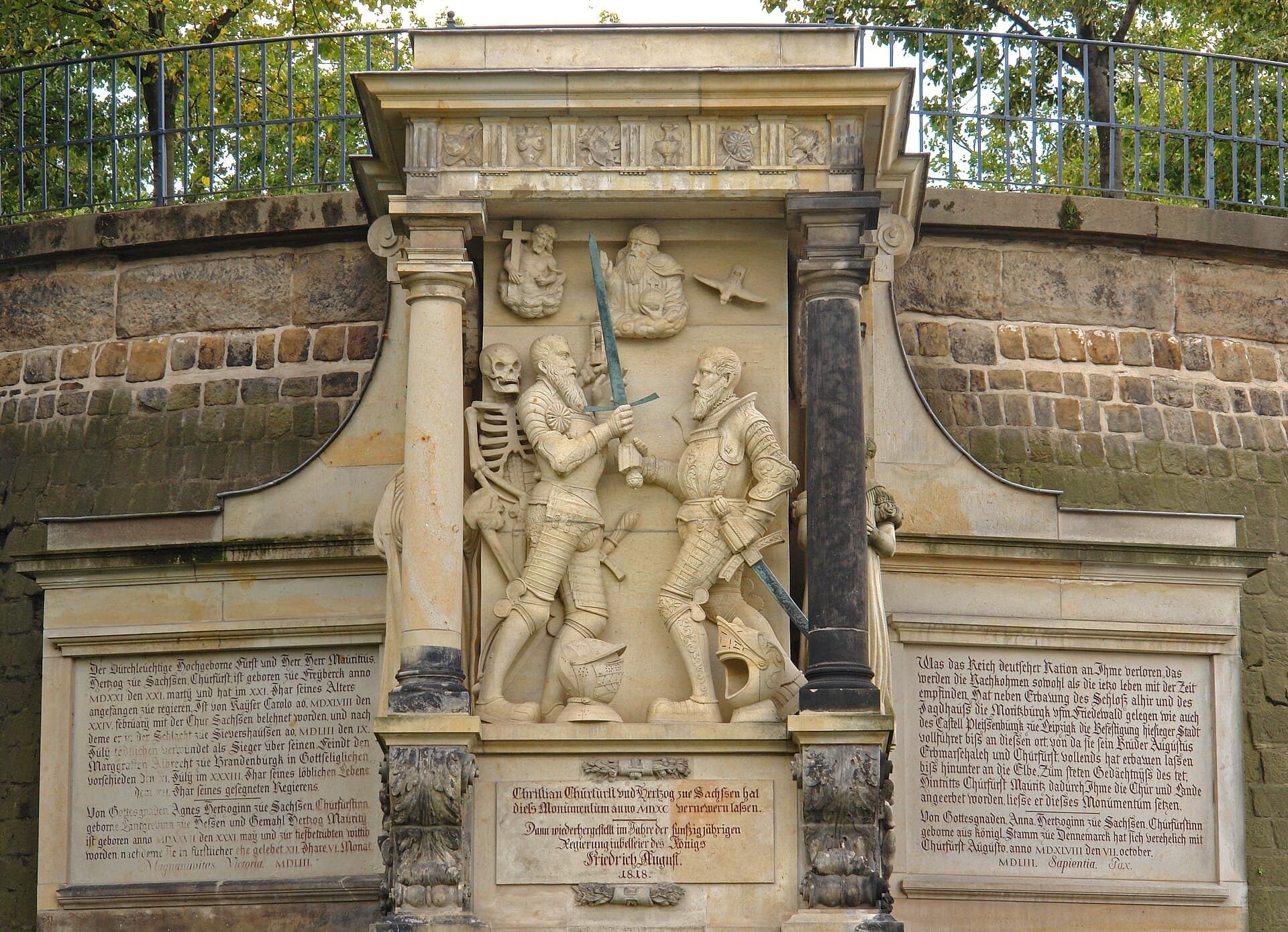 The Moritz MonumentThe oldest surviving monument in Dresden, carved in 1555, standing on the fortif2 minutes walk4.7
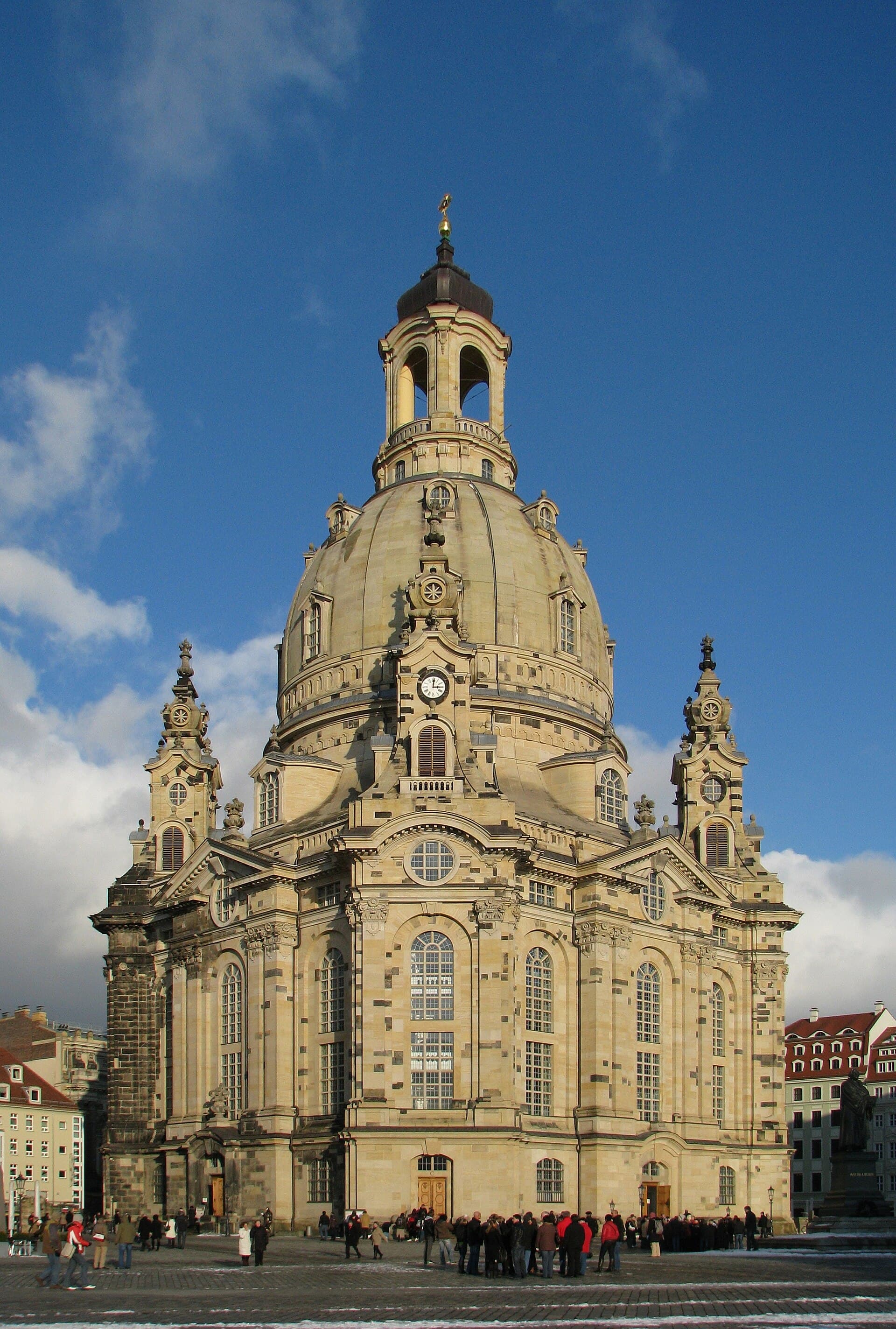 Frauenkirche DresdenThe Frauenkirche is Dresden's most important and most symbolic building. Built i2 minutes walk4.7
The castle museums show treasures and older art: jewels, goldwork and Old Master painting. The Albertinum starts in the nineteenth century and runs to the present. The two complement each other chronologically.
With one day in Dresden the castle and Green Vault come first — they are what the city is known for. The Albertinum suits a second visit, or anyone specifically drawn to German Romanticism and modern art.