
The only visual medium
Printed illustrations were all the images most people ever saw.
Jörg Blobelt — CC BY-SA 4.0 · Nakonana — CC BY-SA 4.0 · Daderot — Public domain · Bybbisch94 — CC0
A late nineteenth-century monument to the German painter and engraver Ludwig Richter, among the most influential German artists in shaping the popular image of German life. Richter worked in wood engraving to illustrate books at a time when printed images were the only visual medium available to most people. His illustrations for folk tales, songs and children's books circulated in millions of copies and shaped what Germans imagined about the village, the forest, the family and the festivals for successive generations. This is a kind of influence that is hard to measure but enormous: much of the traditional German imagery seen today on greetings cards and festival decoration traces back to the school of illustration of which Richter was among the leading names. He lived and worked most of his life in Dresden and taught at its academy. Practical points: the monument stands in free public space, always open. The visit is minutes on a walk through the centre.
Printed illustrations were all the images most people ever saw.
His illustrations for tales and songs reached generation after generation.
Today's traditional German imagery grows from that school.
Central Dresden
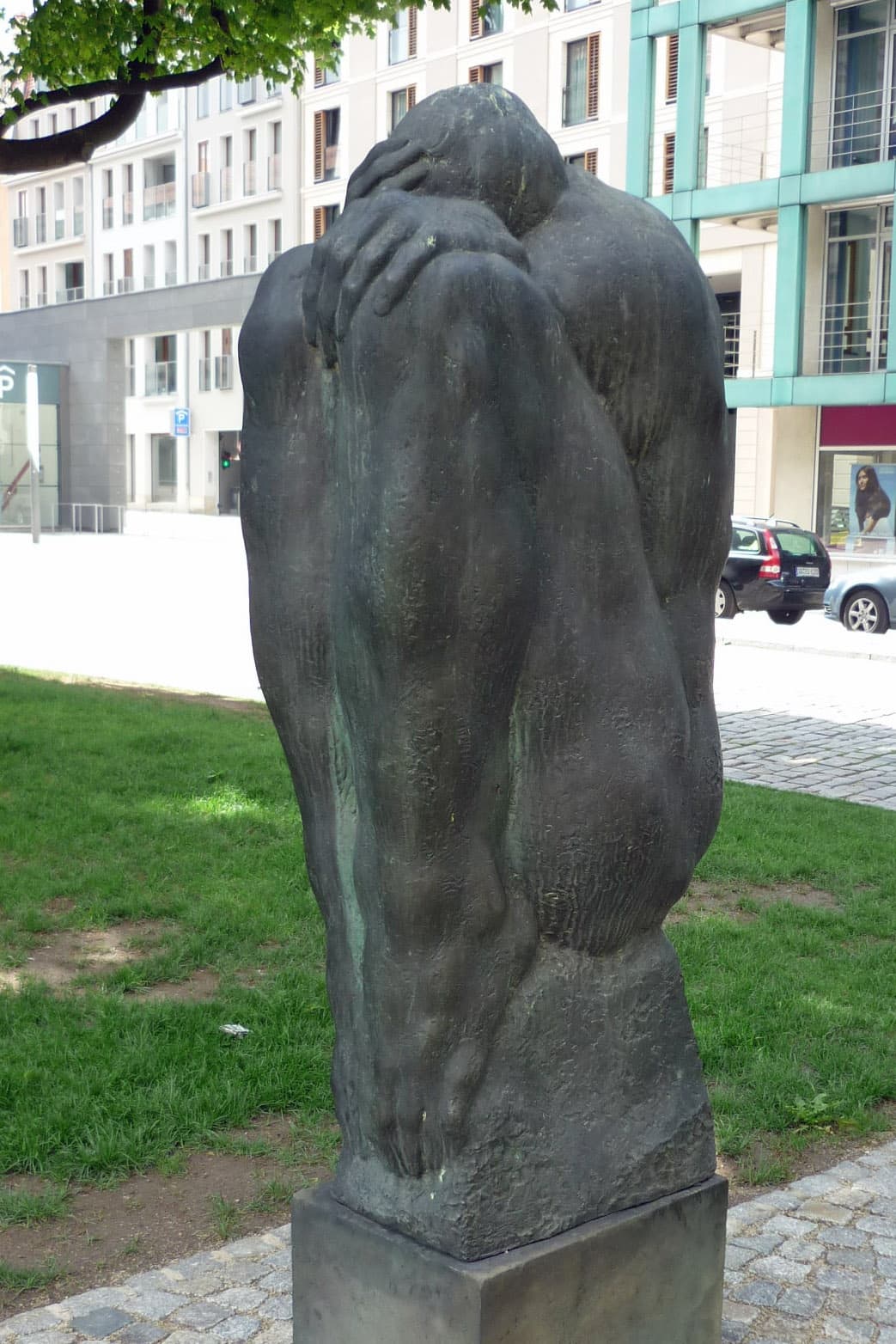 The Large Grieving ManA sculpture of a seated man with a bowed back in central Dresden, by the German 1 minute walk4.3
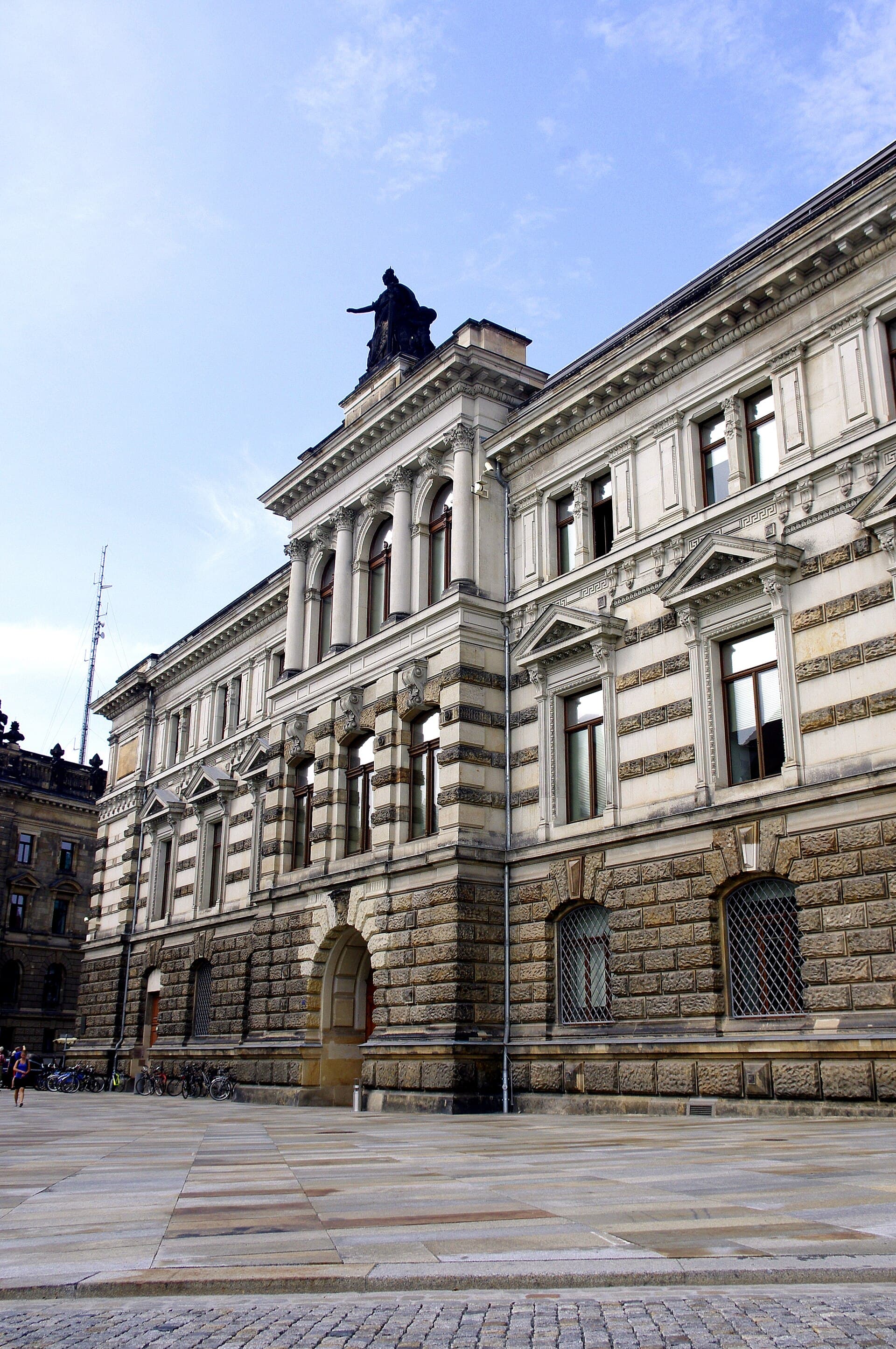 AlbertinumThe Albertinum is a large late nineteenth-century building at the end of the Brü1 minute walk4.5
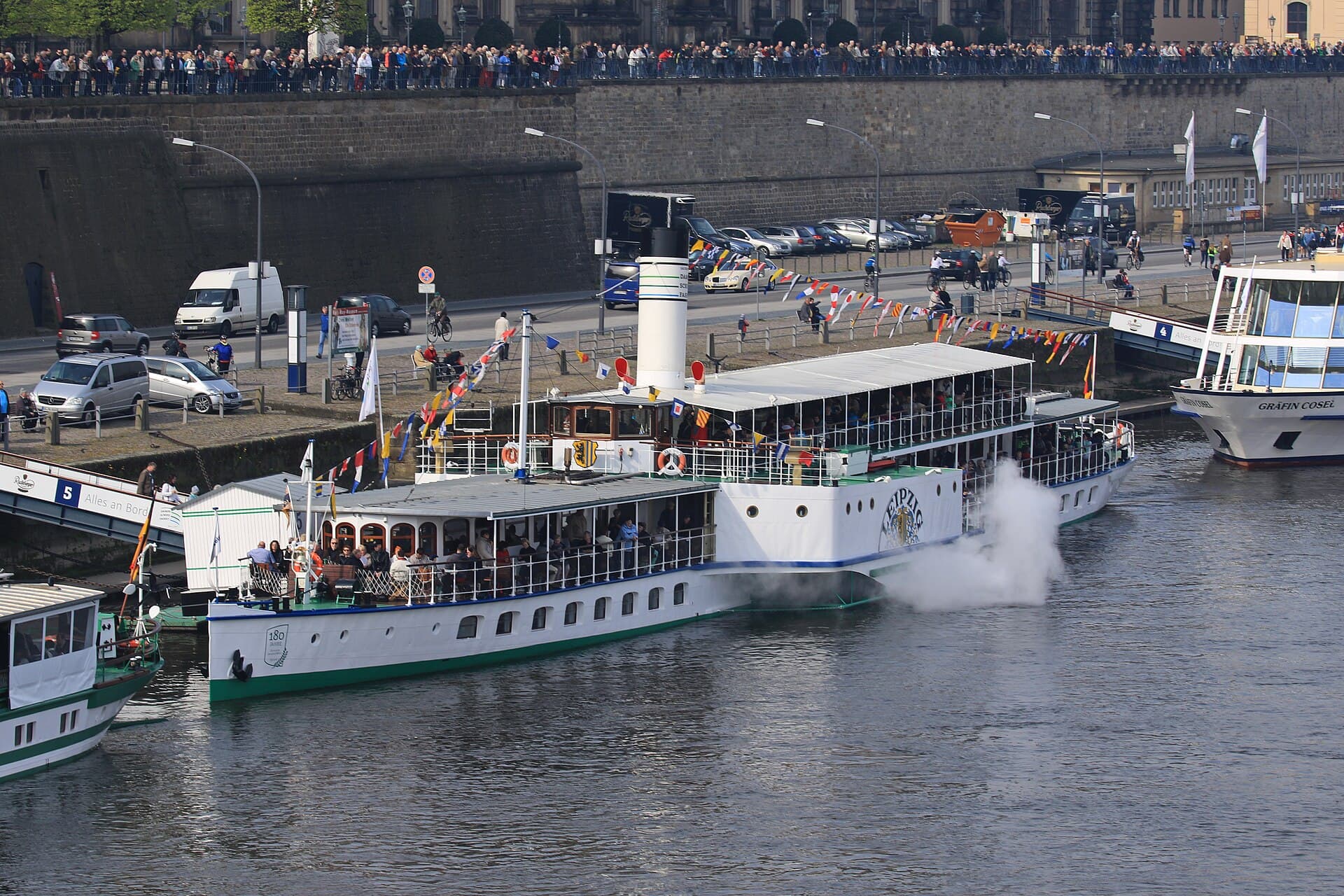 The White Fleet and the Elbe Paddle SteamersDresden's White Fleet is the largest and oldest working fleet of historic paddle1 minute walk4.7
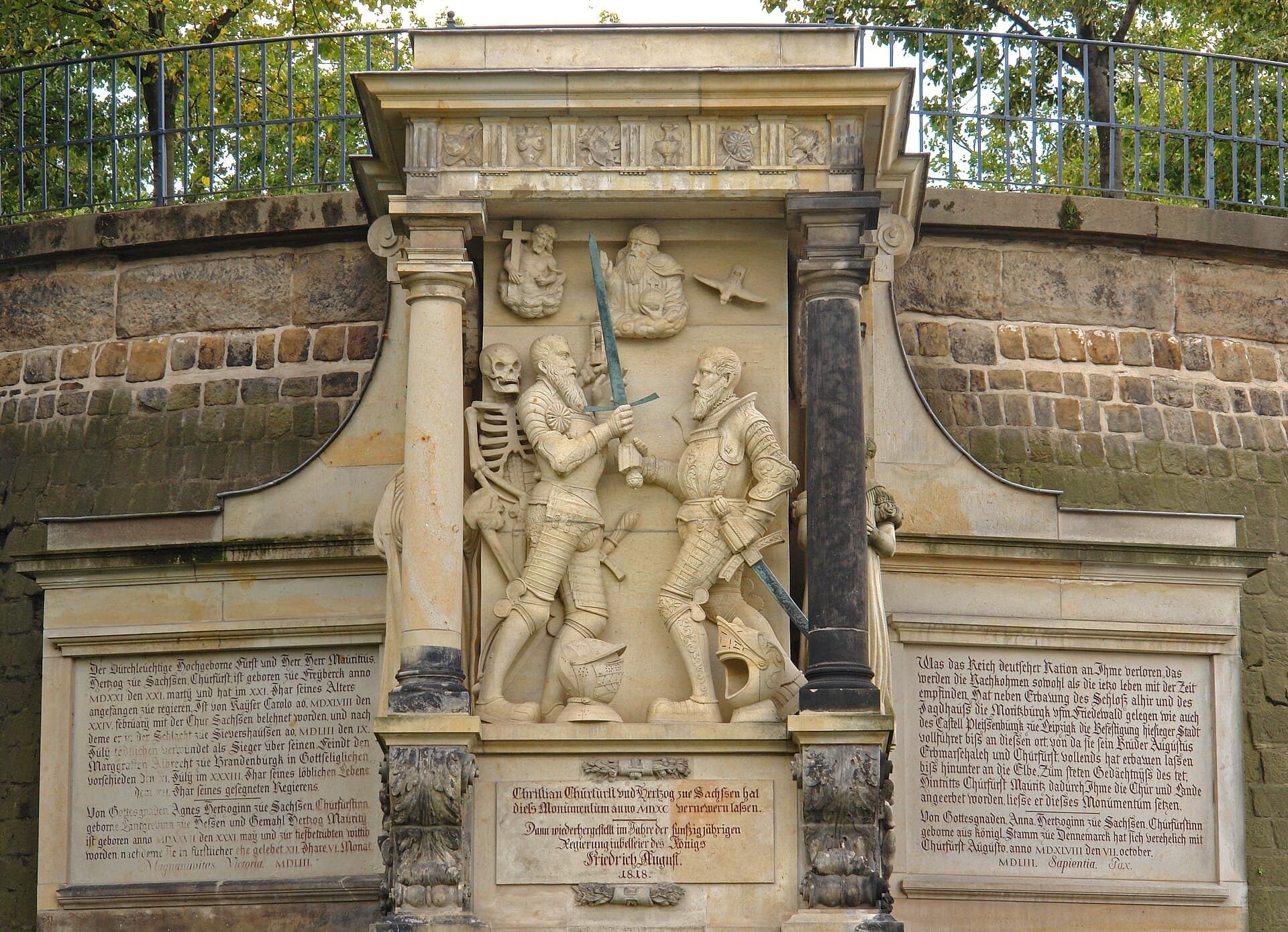 The Moritz MonumentThe oldest surviving monument in Dresden, carved in 1555, standing on the fortif2 minutes walk4.7
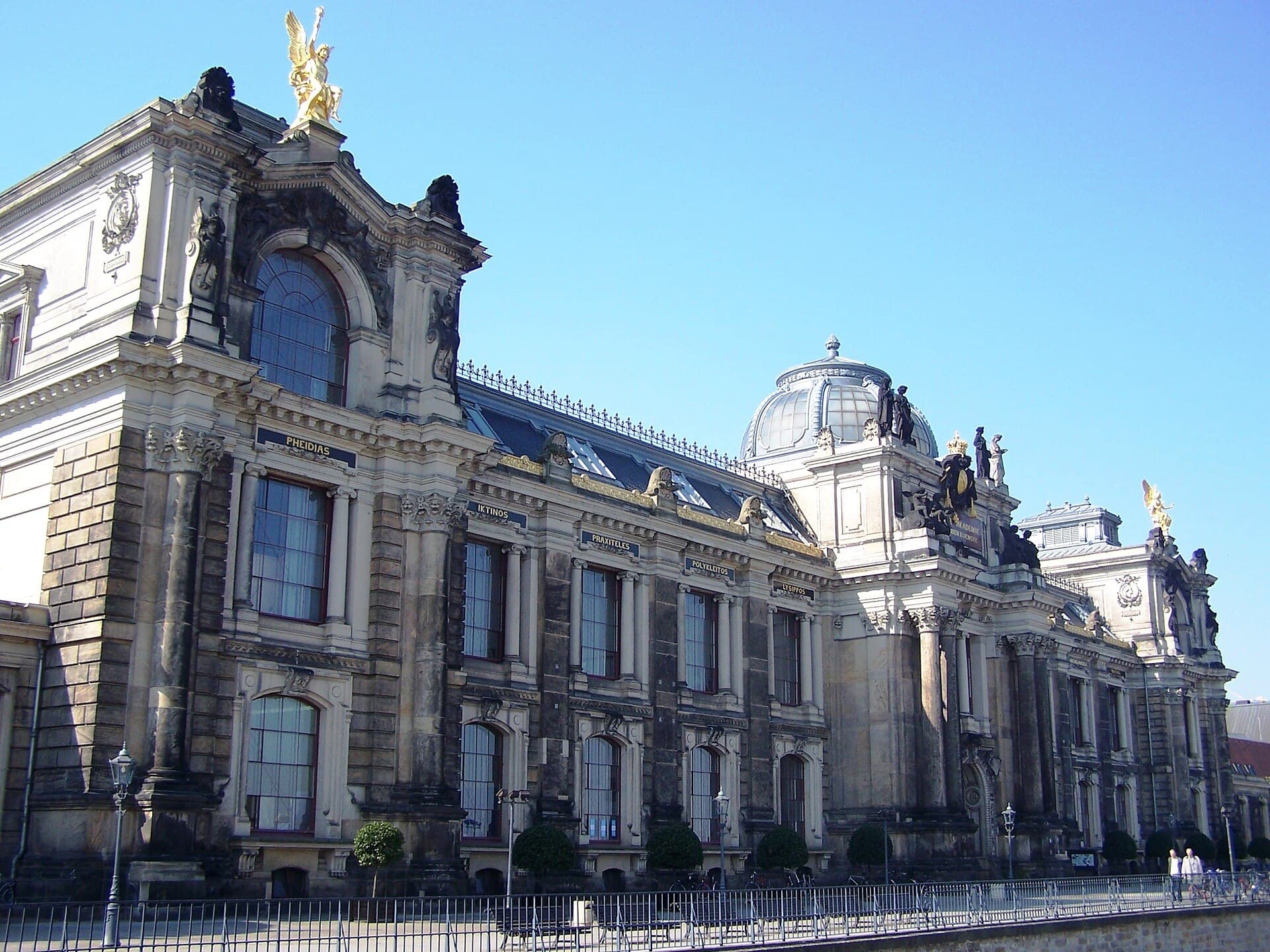 The Academy of Fine Arts and the Lipsius BuildingThe great mass closing the eastern end of Brühl's Terrace is the Academy of Fine2 minutes walk4.5
Because it allowed images to be printed with the text in the same process, making illustration in books and newspapers cheap for the first time in the nineteenth century. Before that, printed images were produced from separate and costly plates. That technical shift is what made illustration a mass medium, and what let artists like Richter reach a far wider public than any painter of their time.
The Kupferstich-Kabinett, the prints and drawings collection of the Dresden State Art Collections, holds his work and forms part of the Zwinger complex. His work is also spread through many German museums because his prints circulated in vast numbers. The monument itself displays nothing — it is a commemoration, not an exhibition.